
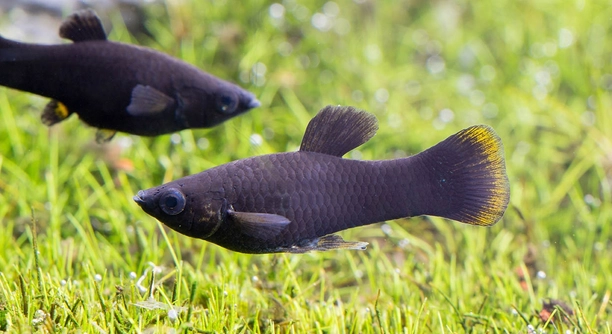
Are your black molly tank plants looking a bit lackluster or your fish acting unusually sluggish? Maintaining a healthy environment is essential for your fish to thrive and stay vibrant in their aquatic home.
Several signs indicate your black molly tank requires maintenance, including cloudy water, algae overgrowth, foul odors, irregular fish behavior, uneaten food accumulation, filter inefficiency, and sudden water parameter fluctuations. Prompt attention ensures the overall health and longevity of your aquatic environment.
Recognizing these warning signs early can prevent serious problems and keep your tank a safe, enjoyable habitat for your mollies.
Cloudy or Murky Water
When the water in your black molly tank starts to look cloudy or murky, it is a clear indication that maintenance is needed. Cloudiness often results from excess waste, uneaten food, or overpopulation. Even small changes in water quality can stress fish and affect their health. It is important to check your filtration system regularly and perform partial water changes to maintain clarity. Overfeeding can also contribute to murky water, as leftover food decomposes and releases harmful substances. Keeping the substrate clean helps prevent debris from accumulating. Testing water parameters such as ammonia, nitrite, and nitrate levels can provide insight into the underlying causes of cloudiness. Adjusting these factors will restore the tank’s environment and reduce stress for your mollies. By addressing cloudy water promptly, you ensure a safer, more stable habitat that encourages healthy fish growth and activity.
Regular observation and cleaning routines prevent long-term water issues and maintain a stable, clear environment for your mollies.
Consistent water maintenance, proper feeding habits, and monitoring the tank’s ecosystem are essential to keeping your black molly tank healthy. Cloudy water often signals an imbalance in the tank’s ecosystem, including excessive organic waste or insufficient filtration. Partial water changes, substrate cleaning, and checking the filter for clogs help restore clarity. Maintaining a proper feeding schedule prevents leftover food from decaying and contributing to murkiness. Regular testing of water parameters identifies any fluctuations in ammonia, nitrite, or nitrate levels, allowing you to take corrective measures quickly. By addressing these issues early, you minimize stress and disease risks for your fish. Overcrowding can worsen water quality, so keeping the appropriate number of mollies is important. Ensuring proper aeration also helps maintain a healthy environment, allowing fish to thrive. Following these steps consistently helps your tank remain visually clear and biologically balanced.
Algae Overgrowth
Algae buildup on tank surfaces or decorations indicates that your tank needs attention. Regular cleaning helps maintain a healthy environment and prevents oxygen depletion.
Excess algae can result from too much light, overfeeding, or nutrient imbalances. Removing algae manually, adjusting light exposure, and performing water changes can reduce growth. Using algae-eating fish may also help. Consistent care prevents persistent buildup and keeps the tank visually clean.
Algae growth can quickly take over decorations, glass, and plants if ignored. It competes with your mollies for oxygen and can release toxins in large quantities. Excess light, high nutrient levels, and infrequent water changes are primary factors promoting algae proliferation. Manual removal using scrapers or brushes is the first step to controlling visible growth. Adjusting the light schedule to about 8–10 hours per day and avoiding direct sunlight can slow algae spread. Performing regular partial water changes removes excess nutrients that fuel algae growth. Introducing algae-eating species, like snails or certain shrimp, can naturally assist in controlling the problem. By maintaining consistent cleaning and monitoring nutrient levels, you prevent algae from dominating the tank, ensuring a stable and healthy environment for your black mollies.
Foul Odors
A strong or unpleasant smell coming from your black molly tank signals the buildup of waste or decaying food. Immediate cleaning and water changes are necessary to prevent stress and health problems for your fish.
Foul odors often indicate excessive organic waste or a dirty substrate. Uneaten food, dead plant matter, and fish waste release ammonia and other harmful compounds, which can damage gill function and weaken your mollies’ immune systems. Regular partial water changes, substrate vacuuming, and filter maintenance reduce the presence of these compounds. Proper feeding habits also prevent food from accumulating and decomposing.
Addressing odors promptly maintains a healthy environment and improves water quality. Cleaning decorations, testing water parameters, and ensuring the filter is functioning correctly further reduce odors. A consistent maintenance routine prevents recurring smells and keeps your black mollies active, healthy, and stress-free.
Irregular Fish Behavior
Sudden changes in swimming patterns, lethargy, or hiding may indicate issues in the tank environment. Monitoring behavior helps detect problems early.
Irregular fish behavior often signals water quality issues, stress, or illness. High ammonia or nitrate levels, poor oxygenation, or overcrowding can cause fish to act unusually. Observing your mollies for erratic swimming, gasping at the surface, or isolating themselves helps identify these problems. Correcting water parameters, improving aeration, and maintaining proper population density addresses these behaviors effectively.
Behavioral changes should not be ignored. Even minor deviations can point to environmental stressors or disease. Maintaining stable water parameters, keeping the tank clean, and avoiding sudden changes in temperature or light prevent erratic behavior. Regular observation and prompt action ensure your mollies remain healthy and active, reducing the risk of long-term health complications and supporting a balanced tank ecosystem.
Uneaten Food Accumulation
Leftover food that sits at the bottom of the tank can quickly decay, creating harmful chemicals. Removing uneaten food daily helps maintain water quality and prevents stress or illness in your mollies.
Overfeeding is the main cause of food buildup. Adjusting portion sizes ensures all food is consumed and minimizes waste.
Filter Inefficiency
A poorly functioning filter can allow debris and toxins to accumulate, affecting water clarity and quality. Regular cleaning and inspection are essential to keep the system running effectively and prevent harmful buildup.
Sudden Water Parameter Fluctuations
Rapid changes in temperature, pH, or hardness can stress black mollies. Monitoring these parameters and making gradual adjustments ensures a stable, healthy environment for your fish.
How often should I clean my black molly tank?
Regular cleaning is crucial to maintain a healthy environment. A partial water change of 20–30% every week helps keep water parameters stable. Cleaning the substrate with a gravel vacuum and rinsing decorations during water changes removes debris and uneaten food. The filter should be checked every two weeks to ensure it is free of clogs and functioning properly. Over-cleaning the filter can remove beneficial bacteria, so it is important to rinse filter media in tank water, not tap water. Consistent cleaning prevents buildup of toxins, supports fish health, and keeps the tank visually appealing.
What should I do if my water is cloudy?
Cloudy water usually results from waste, leftover food, or an unbalanced tank ecosystem. Start by performing a partial water change and vacuuming the substrate to remove debris. Check the filter for blockages and clean it if necessary. Avoid overfeeding, as excess food contributes to cloudiness. Testing water parameters, including ammonia, nitrite, and nitrate, helps identify underlying problems. If levels are high, additional water changes may be needed. Maintaining consistent filtration and monitoring population density ensures water clarity. A clear tank improves fish health and reduces stress, supporting natural behavior and growth.
How can I control algae growth in my tank?
Algae thrives on excess light and nutrients. Reducing light exposure to 8–10 hours daily helps slow growth. Avoid placing the tank in direct sunlight, and remove visible algae from decorations and glass using a scraper or brush. Regular water changes and proper feeding reduce nutrient buildup. Introducing algae-eating fish or invertebrates can naturally assist in controlling algae. Maintaining a balance between light, nutrients, and cleaning routines prevents persistent growth. Consistent effort is key because algae can quickly take over if ignored, potentially impacting fish health and oxygen levels in the tank.
Why do my mollies behave unusually sometimes?
Erratic swimming, hiding, or lethargy often indicates environmental stress or water quality issues. Sudden changes in temperature, pH, or ammonia levels can cause these behaviors. Observing your fish regularly helps detect early warning signs. Addressing water parameters, improving aeration, and maintaining stable conditions prevents stress. Overcrowding also contributes to unusual behavior, so keeping an appropriate number of fish is important. Prompt action when noticing behavioral changes supports fish health and reduces the risk of disease. Consistency in maintenance routines helps mollies feel secure and active in their tank.
What is the best way to remove leftover food?
Leftover food should be removed daily using a small net or siphon. Adjusting feeding portions ensures all food is eaten quickly, minimizing waste. Avoid overfeeding, as decaying food releases harmful chemicals and encourages algae growth. Partial water changes and substrate cleaning further reduce leftover food accumulation. Maintaining a proper feeding schedule supports water quality, reduces odors, and keeps mollies healthy. Consistent attention to food management prevents long-term problems and keeps the tank environment balanced.
How do I know if my filter is working properly?
A functioning filter maintains water clarity, removes debris, and supports beneficial bacteria. Check for consistent water flow, clean filter media, and inspect for clogs. If water appears cloudy or odors persist, the filter may need maintenance. Avoid over-cleaning, which can remove bacteria essential for breaking down waste. Regular monitoring and maintenance ensure the filter operates effectively and supports a healthy tank environment for your black mollies.
How can I stabilize water parameters in my tank?
Testing water parameters regularly is key. Ammonia, nitrite, nitrate, pH, and hardness should be monitored consistently. Sudden changes stress mollies and can cause illness. Perform gradual water changes to correct imbalances and avoid rapid shifts in temperature or chemistry. Proper filtration, feeding practices, and population control support stable water conditions. Using dechlorinated water and maintaining a consistent routine helps mollies thrive. Consistency in monitoring and adjustments ensures a safe and balanced environment for long-term fish health.
What should I do if my tank starts to smell?
Foul odors indicate waste buildup or decaying food. Remove uneaten food, vacuum the substrate, and perform partial water changes. Check the filter for blockages and clean it if necessary. Maintaining proper feeding habits prevents recurring smells. Regular water testing ensures that ammonia and nitrate levels remain safe. Consistent cleaning routines eliminate odor sources, keeping the tank healthy and comfortable for mollies. Addressing smells early prevents long-term water quality issues and promotes a cleaner, more enjoyable tank environment.
Can algae-eating species help maintain my tank?
Algae-eating fish or invertebrates, like snails or certain shrimp, can help control algae naturally. They consume algae on decorations, glass, and substrate, reducing visible buildup. While helpful, they do not replace proper cleaning or water changes. Balancing their population and ensuring sufficient food prevents stress. Combining natural algae control with regular maintenance maintains a clean and healthy tank environment. Algae-eating species support the ecosystem but consistent observation and cleaning remain essential to prevent overgrowth.
How do I prevent sudden water parameter fluctuations?
Preventing rapid changes involves gradual adjustments and monitoring. Avoid large water changes, sudden temperature shifts, and abrupt chemical additions. Maintain stable lighting and proper feeding routines. Testing water parameters regularly helps detect issues before they become severe. Proper filtration and aeration support consistent conditions. Keeping the tank environment stable reduces stress and supports long-term fish health. Slow, controlled changes ensure mollies adapt without risk of illness or behavioral issues. Consistency is key to maintaining a balanced aquatic habitat.
Why is monitoring fish behavior important?
Behavior reflects water quality and overall health. Changes in activity, swimming patterns, or appetite signal potential problems. Early observation allows prompt action to correct water conditions or address illness. Regular monitoring helps maintain a stable environment, prevent disease, and reduce stress. Tracking behavior ensures mollies remain active, healthy, and thriving. Observing patterns consistently provides insight into tank conditions, making it easier to maintain balance and prevent long-term issues.
Maintaining a black molly tank requires consistent attention and care to ensure a healthy environment for your fish. Observing the tank regularly helps identify problems early, whether it is cloudy water, algae growth, or unusual fish behavior. Each element in the tank, from water quality to feeding routines, plays a role in the overall health of your mollies. Small adjustments, such as performing partial water changes or cleaning the substrate, can make a significant difference. Overfeeding, inconsistent cleaning, or neglecting the filter can quickly lead to issues that stress your fish and affect their long-term health. Establishing a routine for maintenance helps prevent these problems and keeps the tank balanced. Even minor details, like checking water parameters for ammonia, nitrite, nitrate, and pH, are essential. These factors directly influence fish activity, coloration, and overall vitality.
Ensuring that your black molly tank remains stable and clean also involves monitoring the behavior of your fish. Lethargy, erratic swimming, or hiding can be early signs of water quality issues or stress. Observing patterns allows you to take corrective action before problems escalate. Adjusting environmental conditions gradually, maintaining proper population levels, and keeping the water parameters within the recommended range support a healthier ecosystem. Attention to detail, including removing uneaten food and controlling algae growth, prevents the accumulation of harmful substances. The filter plays a critical role in this process, as it removes debris and provides a home for beneficial bacteria. Maintaining it properly ensures efficient filtration and prevents sudden changes in water chemistry. By combining these practices, your black mollies can thrive in a safe and stable environment.
A well-maintained tank not only supports fish health but also makes the aquarium more enjoyable to observe. Clear water, active fish, and minimal algae create a visually appealing space that reflects your consistent care. Regular cleaning, careful feeding, and monitoring water conditions are practical steps that protect your mollies from illness and stress. Even simple measures, like reducing light exposure to manage algae or adjusting feeding amounts, have a noticeable impact. By staying attentive to the signs that your tank needs maintenance, you provide your fish with a consistent and balanced habitat. This approach prevents problems from becoming severe and helps maintain a long-lasting, healthy environment. Ultimately, the effort put into routine care ensures that your black molly tank remains vibrant, stable, and enjoyable for both you and your fish.

Hello,
If you enjoy the content that we create, please consider saying a "Thank You!" by leaving a tip.
Every little bit helps us continue crafting quality advice that supports the health, happiness, and well-being of pets around the world, for pets of all shapes, sizes, and species.
We really appreciate the kindness and support that you show us!