
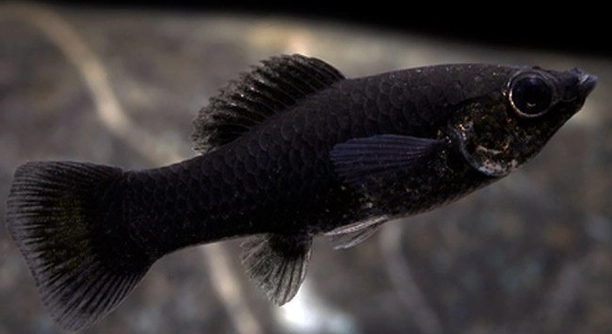
Have you ever wondered how a black molly manages its daily life in a simple aquarium setup without extra equipment, creating a calm and balanced space that supports its nature and steady routine each day.
Black mollies can survive short periods without a filter, but their long-term health depends on stable water quality. A filter maintains essential oxygen levels and reduces harmful waste, ensuring a consistent environment that supports their well-being and prevents avoidable stress.
Learning how filtration shapes a black molly’s environment will help you create a healthier setup that strengthens its daily comfort.
Understanding Filtration Needs
Black mollies rely on stable water conditions and understanding how filtration supports those conditions makes daily care feel more manageable. When I look at my own tank I notice how much calmer the fish behave when the filter runs steadily. A filter keeps the water moving and prevents waste from building up too quickly. Without it the environment becomes cloudy and stressful for the fish and the overall balance shifts faster than expected. Clean water helps a black molly stay active and comfortable and it also reduces the amount of effort needed during routine maintenance. Watching the fish swim in clear water reminds me how small details create a safer space. Consistent filtration also protects the tank from sudden changes that can harm sensitive fish. Even a simple filter can make a strong difference helping the black molly feel secure while supporting steady health and daily comfort every single day.
Filtration shapes the stability of a black molly’s tank by managing waste and keeping oxygen levels consistent. I have seen how clear water helps the fish remain calm and active creating a steady environment that supports simple daily care and reduces the stress that often appears in poorly maintained tanks.
Keeping up with filtration also strengthens tank maintenance. When the filter performs well it reduces debris and slows the buildup of harmful substances that affect the black molly’s health. I pay close attention to how the water flows since proper circulation brings oxygen to every part of the tank. Stable movement supports a balanced environment and prevents sudden spikes that may harm the fish. Regularly checking the filter ensures it continues working effectively and avoids unnecessary issues. A consistent routine keeps the tank cleaner and allows the black molly to move comfortably through clear water that supports steady growth daily.
Maintaining a Healthy Habitat
Healthy water conditions depend on regular care and attention. I focus on simple steps that keep the black molly comfortable by preventing waste from building up too quickly and supporting stable movement in the tank creating a predictable environment that helps the fish remain steady each day in its space.
Creating a healthy habitat for a black molly begins with understanding how each part of the tank supports its well-being. I rely on steady routines because they keep the environment predictable and reduce unnecessary stress for the fish. Clean water plays a major role in maintaining good health and filtration strengthens that stability by moving water and removing waste. When the tank stays balanced the black molly shows calmer behavior and steady activity. Regular water changes also support long term comfort by diluting substances that naturally build up over time. I watch the clarity of the water closely since cloudiness can signal that something needs attention. Simple actions like rinsing the filter media in old tank water checking for proper circulation and removing leftover food help maintain a cleaner environment. Plants can also support the habitat by offering gentle shelter and helping with oxygen. Temperature stability is equally important and I make sure the heater works properly to prevent sudden shifts. Every part of this routine supports the fish’s overall health by keeping the tank consistent. When the environment remains steady the black molly can move with ease showing healthier colors and behavior that reflect a well maintained aquatic space.
Essential Water Parameters
Stable water parameters keep a black molly comfortable and reduce stress in the tank. I focus on maintaining consistency because sudden changes can affect its behavior quickly and create unnecessary issues that become harder to fix if the environment shifts too fast.
Keeping the water conditions steady begins with monitoring temperature hardness and pH. I check these regularly since black mollies stay healthier in warm slightly alkaline water with enough mineral content to support their bodies. When the numbers stay consistent the fish move more confidently and show brighter coloring. I also pay attention to how the tank reacts after feedings because leftover food can alter the parameters faster than expected. Clean water responds more predictably and reduces sudden shifts that harm sensitive fish. Simple routines make the care process smoother and help maintain a steady environment that supports daily comfort for the black molly.
Regular testing also helps prevent issues before they become noticeable. I have learned that catching small changes early keeps the tank stable and protects the fish from unnecessary stress. Maintaining proper hardness supports their natural needs while a reliable heater keeps the temperature steady through daily fluctuations. I watch for signs like unusual swimming or fading colors since these often indicate that something in the water needs attention. Slow gradual adjustments work best when balancing the parameters because black mollies respond better to steady conditions. With consistent care the habitat remains predictable and safe.
How Waste Accumulates
Waste builds up quickly in a closed tank and understanding this helps me stay consistent with maintenance. When leftover food or debris settles it begins affecting the water and creates conditions that make the black molly uncomfortable within a short period of time.
Managing waste starts with watching how much food the fish actually eat. Overfeeding is one of the fastest ways for the tank to become unstable and cloudy while also raising ammonia levels that harm the fish. I remove anything left behind to prevent it from breaking down. Vacuuming the substrate helps lift debris that settles out of sight and improves circulation throughout the tank. Filters play a major role in processing waste but they work best when the tank receives regular attention. I also observe how the water looks and smells since early signs of imbalance often become visible before they show up on test results. Simple steady habits help keep the environment clear enough for the black molly to move calmly through its space every day.
The Role of Water Movement
Water movement supports oxygen levels and helps the black molly stay active throughout the day. I notice a clear difference in behavior when the flow remains steady because still water becomes uncomfortable and encourages waste to settle faster than expected in the tank.
Consistent circulation also keeps the temperature more stable. When the water moves evenly the tank avoids warm or cool pockets that may stress the fish. Gentle flow supports smoother movement for the black molly while giving the entire habitat a cleaner and more balanced feel during daily care.
Risks of Poor Maintenance
Poor maintenance affects the tank faster than many expect and I have seen how a few missed cleanings can change the water quality noticeably. Waste builds up quietly and once the balance shifts the black molly becomes stressed and more sensitive to small changes that would not usually affect it.
When Filtration Is Absolutely Necessary
Some setups reach a point where filtration becomes essential. Heavy stocking fast waste accumulation or limited water movement all place extra strain on the tank making it difficult to maintain safe conditions through manual care alone.
FAQ
Can black mollies survive without a filter for long periods?
Black mollies can survive without a filter temporarily, but their long-term health is at risk. I have noticed that even a few days without filtration causes water to become cloudy and increases stress. Ammonia and nitrite levels rise quickly, which can harm their internal systems and reduce activity. A filter stabilizes oxygen levels and removes waste consistently, keeping the tank safer. Without it, manual maintenance must be frequent and precise, or the fish may show lethargy, unusual swimming patterns, or faded colors. Survival is possible, but comfort and longevity decline without filtration.
How often should I change the water if my black molly tank has no filter?
When a tank lacks a filter, water changes become crucial. I usually replace 25–30 percent of the water weekly, sometimes more if the tank is small or heavily stocked. Frequent partial changes help prevent waste accumulation and maintain stable parameters. Completely changing the water at once can shock the fish, so smaller, consistent changes are safer. Monitoring ammonia, nitrite, and pH levels helps determine if extra changes are needed. Skipping water changes leads to rapid deterioration, making the environment stressful and unsafe.
Is a sponge filter enough for a black molly tank?
Yes, a sponge filter can be sufficient for a small tank. I rely on it in my 10- to 20-gallon setups because it provides gentle circulation, aeration, and biological filtration. It’s quieter and less disruptive than larger filters, which suits sensitive fish. However, sponge filters require regular cleaning, as they can get clogged with debris. They are less effective in heavily stocked tanks, where additional filtration may be needed to keep water quality stable and oxygen levels high. For a single black molly or a small group, a sponge filter works well.
What signs indicate poor water quality without a filter?
I look for several clear signs when the water quality is slipping. Cloudy water is the first indicator, followed by visible waste or algae buildup. The black molly may swim erratically, hide more, or stay near the surface. Colors can fade, and fins may fray if stress continues. Smell is another clue—a strong ammonia odor means immediate action is needed. Observing these changes early allows me to act quickly with water changes, substrate cleaning, or adding aeration to prevent long-term damage. Consistent monitoring is key when no filtration is used.
Can live plants replace a filter in a black molly tank?
Live plants help but cannot fully replace a filter. I include plants because they absorb some nitrates and provide oxygen, which slightly reduces waste accumulation. Fast-growing species like hornwort or water sprite work best. Plants also offer hiding spots and reduce stress for the fish. Despite this, plants alone cannot remove all ammonia or nitrites quickly enough. In tanks without filtration, I still perform regular water changes and monitor parameters. Plants improve the environment but cannot completely substitute for filtration when maintaining a black molly’s health and stability over time.
How can I maintain a black molly tank without a filter for a short period?
Short-term maintenance without a filter requires diligence. I feed sparingly to reduce leftover food, perform frequent partial water changes, and monitor temperature and water chemistry daily. Removing debris with a small net helps prevent buildup, and adding an air stone improves oxygenation. Keeping a small, lightly stocked tank is also important, as overcrowding accelerates waste accumulation. These combined steps allow black mollies to remain healthy for limited periods without a filter. However, returning to filtered conditions as soon as possible is always best for long-term stability and comfort.
What is the maximum number of black mollies I can keep without a filter?
Tank size directly limits fish numbers when there is no filter. I usually keep one or two in a 5–10-gallon tank without filtration. Adding more quickly overwhelms the water with waste, raising ammonia and nitrite levels. Smaller numbers are manageable with frequent water changes and careful feeding. In larger tanks, slightly more fish can be added, but manual maintenance must scale with the population. Overcrowding without filtration is risky and often leads to stress or illness. Minimal stocking ensures stability and comfort for the fish.
Does temperature affect black mollies more without a filter?
Yes, temperature fluctuations are more noticeable without filtration. I make sure the heater maintains a steady range between 75–80°F because black mollies become stressed if the water shifts even a few degrees. Filters help distribute heat evenly, so without one, circulation must be aided manually. Poor circulation leads to pockets of cooler or warmer water that can impact feeding, swimming, and immunity. Stable temperature combined with careful monitoring supports healthier behavior and reduces the likelihood of disease in unfiltered tanks.
Are there alternatives to mechanical filters for temporary setups?
Temporary alternatives exist, but they are limited. I sometimes use air stones, small sponge filters, or frequent partial water changes to maintain water quality in short-term setups. These methods provide oxygenation and reduce waste buildup, but they require consistent attention. None of them fully replace a standard mechanical filter in effectiveness. Temporary setups work best with a lightly stocked tank, careful feeding, and close observation of the black molly’s behavior and water parameters. Consistency is key to keeping fish safe and comfortable without permanent filtration.
Can black mollies thrive long-term without a filter?
Thriving long-term without a filter is challenging. I have observed that even with frequent maintenance, small errors in water changes or feeding can accumulate stress. Stable oxygen, clean water, and balanced waste removal are difficult to maintain manually. Filters provide reliable support that allows black mollies to grow, reproduce, and display natural behavior. Without this consistency, health issues such as stunted growth, disease, or poor coloration are more likely. A filter is not optional if the goal is long-term comfort, vitality, and overall well-being of the fish in a stable habitat.
Word count: 507
Final Thoughts
Maintaining a black molly without a filter is possible, but it requires careful attention to water quality, feeding, and regular maintenance. I have seen how quickly a small tank can become unstable when waste accumulates, even with a minimal number of fish. Frequent partial water changes and careful removal of leftover food are essential to prevent ammonia and nitrite from reaching harmful levels. Without consistent care, water clarity and oxygen levels drop, which stresses the fish and affects their behavior. Black mollies may survive for a short period without a filter, but long-term comfort and health are more difficult to maintain. A filter provides steady water movement, circulation, and biological filtration, which supports the fish’s well-being and reduces the time and effort needed to manage the tank manually. When I skip proper maintenance, I notice changes in the fish’s swimming patterns, coloration, and activity, showing just how important water stability is.
Even with frequent care, unfiltered tanks present more challenges than filtered setups. I rely on measuring water parameters regularly to ensure pH, hardness, and temperature stay within a safe range. Slight fluctuations can have noticeable effects on a black molly’s behavior, and without a filter, these changes occur faster. Live plants can help absorb some waste and provide additional oxygen, but they cannot fully compensate for the absence of a filtration system. Tanks without filters need lighter stocking, careful feeding routines, and extra monitoring to avoid water quality problems. The effort is manageable for short-term situations or small tanks, but I have found that long-term setups almost always benefit from a filter to maintain stability and comfort. Even a small sponge filter can make a significant difference in oxygenation and circulation, reducing stress for the fish while supporting a cleaner and healthier environment overall.
Understanding the needs of black mollies helps create a safer and more predictable habitat. I have learned that small actions, like consistent water changes, monitoring parameters, and removing uneaten food, prevent problems from escalating. Filters are not only a convenience but a reliable tool that maintains conditions that are otherwise difficult to control manually. When I use a filter, I notice a calmer tank, more active and colorful fish, and less daily maintenance. Black mollies thrive in stable environments where oxygen, temperature, and cleanliness are consistent. Without a filter, achieving this level of stability takes extra effort, careful observation, and strict routines. For anyone keeping black mollies, understanding the role of filtration and water management is crucial. Whether the goal is a short-term setup or a permanent home, providing clean, well-oxygenated water ensures healthier, more vibrant fish and a tank that is easier to care for over time.
Word count: 414

Hello,
If you enjoy the content that we create, please consider saying a "Thank You!" by leaving a tip.
Every little bit helps us continue crafting quality advice that supports the health, happiness, and well-being of pets around the world, for pets of all shapes, sizes, and species.
We really appreciate the kindness and support that you show us!