
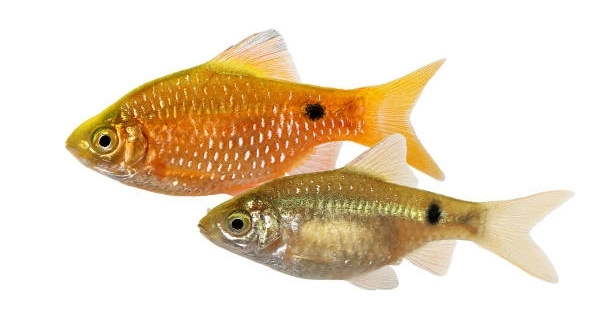
Is your rosy barb spending most of its time swimming near the surface of the tank? This behavior can catch the attention of many aquarium owners. It often signals something important about the fish’s environment or health.
Rosy barbs swimming near the surface all day usually indicate low oxygen levels in the water or poor water quality. This behavior helps them access more oxygen, as surface water typically contains higher oxygen concentrations. Ensuring proper aeration and regular maintenance can improve their comfort and health.
Recognizing why your rosy barb behaves this way helps you create a better home for it. The following details explain common causes and solutions to keep your fish healthy and happy.
Understanding Oxygen Levels in Your Tank
Low oxygen levels are a common reason rosy barbs swim near the surface. Water holds less oxygen as it gets warmer or becomes stagnant. Fish naturally move to the surface where oxygen is more plentiful because air touches the water there. Poor aeration, overcrowding, or a lack of plants can make oxygen levels drop quickly. Keeping the water moving with an air pump or filter helps maintain good oxygen levels. Regular water changes also remove waste that can lower oxygen and pollute the water. It’s important to check the temperature, as warmer water holds less oxygen. By maintaining proper oxygen levels, your rosy barbs will swim comfortably throughout the tank and avoid lingering at the surface.
Low oxygen is a sign to improve water circulation and cleanliness. This simple fix can greatly reduce surface swimming behavior.
Oxygen levels affect fish health beyond behavior. Prolonged oxygen deficiency can lead to stress, weakened immune systems, and even death. It is essential to monitor water temperature and aeration regularly. Installing an air stone or increasing filter output encourages oxygen exchange. Additionally, avoid overfeeding, as leftover food decomposes and uses oxygen. Plants can contribute oxygen during the day but consume it at night, so balance is key. Observing your fish’s behavior alongside water quality tests helps detect problems early. Taking these steps ensures your rosy barbs live in a healthier environment with stable oxygen levels, promoting active swimming at all depths.
Checking Water Quality and Parameters
Poor water quality affects fish behavior, making them stay near the surface. High ammonia, nitrite, or nitrate levels cause discomfort. Testing water regularly keeps these parameters in check.
Maintaining proper pH, hardness, and cleanliness prevents stress. Regular partial water changes dilute harmful chemicals. Avoid sudden changes in water conditions, as rosy barbs prefer stable environments. Keeping the tank clean by removing debris and excess waste also helps. Sometimes, surface swimming signals that the fish is trying to avoid irritants or toxins in the water. Using a reliable water test kit and following a maintenance schedule supports your fish’s well-being. When water quality improves, rosy barbs swim more naturally. This consistency leads to longer, healthier lives and a more vibrant aquarium overall.
Temperature and Its Effect on Rosy Barbs
Water temperature impacts oxygen levels and fish comfort. Warmer water holds less oxygen, causing rosy barbs to swim near the surface to breathe more easily.
Maintaining a stable temperature between 64°F and 72°F (18°C to 22°C) helps keep oxygen levels balanced. Sudden temperature changes stress fish and affect their swimming behavior. Using a reliable aquarium heater or chiller ensures the tank stays within this range. Monitoring temperature regularly with a thermometer prevents surprises. Consistent conditions promote healthy activity and reduce surface swimming caused by discomfort or oxygen deficiency.
Temperature fluctuations may also increase fish metabolism, raising oxygen demand. If the tank gets too warm, even with good aeration, rosy barbs may struggle to get enough oxygen. Cooler, stable water supports their natural behavior. Avoid placing the tank near heat sources or direct sunlight to maintain a comfortable environment.
Stress and Its Influence on Behavior
Stress can cause rosy barbs to swim near the surface more frequently. Factors such as poor water quality, overcrowding, or aggressive tank mates increase stress levels.
Stress weakens immune response and affects fish behavior, making them more prone to surface swimming as a coping mechanism. Reducing stress means maintaining clean water, proper tank size, and peaceful companions. Providing hiding spots and plants can help fish feel secure. Watching for bullying or chasing among fish is important, as aggressive interactions raise stress and cause abnormal behavior. Addressing these issues improves overall well-being and encourages natural swimming patterns.
Rosy barbs under stress may also show signs like loss of appetite or faded colors. Keeping the tank environment stable and comfortable reduces stress, leading to healthier, more active fish. Regular observation helps catch stress early before it impacts health seriously.
Feeding Habits and Surface Swimming
Rosy barbs often swim near the surface when they expect food. Feeding at the surface encourages this behavior.
Overfeeding can lead to poor water quality, which also causes surface swimming. Feeding in moderation helps maintain balance.
Tank Size and Swimming Space
A small or overcrowded tank limits swimming space. Rosy barbs may stay near the surface to avoid crowded areas. Providing a larger tank with enough room supports natural swimming patterns.
Disease and Health Issues
Illness can cause changes in swimming behavior, including staying near the surface. Parasites, infections, or swim bladder problems may affect buoyancy and comfort. Promptly identifying and treating health issues prevents complications and improves fish well-being.
Light Exposure
Too much direct light can stress fish, leading them to seek shaded or surface areas. Controlling lighting duration and intensity creates a comfortable environment that supports normal behavior.
FAQ
Why is my rosy barb always at the surface but still active?
This behavior usually means your fish is getting oxygen from the surface because the tank may have low oxygen levels. Even if it looks active, the fish might be struggling to get enough air from deeper water. Improving aeration and water circulation often solves this issue.
Can poor water quality cause surface swimming?
Yes, poor water quality causes discomfort. High ammonia, nitrites, or nitrates irritate fish and reduce oxygen availability. Fish swim near the surface to breathe easier and avoid toxins. Regular water tests and changes help maintain clean, healthy water.
Is temperature related to surface swimming?
Water temperature directly affects oxygen levels. Warmer water holds less oxygen, making fish swim near the surface to breathe more easily. Keeping the tank between 64°F and 72°F helps maintain oxygen balance and reduces surface swimming.
How does stress affect my rosy barb’s behavior?
Stress from overcrowding, aggressive tank mates, or poor water quality changes behavior. Fish under stress often stay near the surface. Providing enough space, peaceful companions, and clean water reduces stress and encourages normal swimming.
Could feeding habits cause surface swimming?
Rosy barbs tend to swim near the surface when feeding or expecting food. Overfeeding, however, worsens water quality and oxygen levels, making the problem worse. Feeding small amounts and removing leftovers keeps water healthier.
What role does tank size play in surface swimming?
Small or overcrowded tanks limit space and increase stress. Fish might avoid crowded areas by swimming near the surface. A spacious tank supports better swimming patterns and overall health.
Can diseases cause my fish to stay at the surface?
Yes. Illnesses like swim bladder disorders, parasites, or infections affect buoyancy and comfort. Sick fish often stay near the surface to breathe easier. Early detection and treatment are important for recovery.
How does lighting affect rosy barb behavior?
Too much bright light can stress fish, pushing them to shaded or surface areas. Controlling light intensity and duration helps create a calm environment and supports normal activity.
Is it normal for rosy barbs to breathe at the surface sometimes?
Occasional surface breathing is normal, especially right after feeding or when oxygen levels fluctuate slightly. Persistent surface swimming, however, signals an issue that needs attention.
What equipment can help reduce surface swimming?
Using air stones, filters with good water flow, and regular water changes improve oxygen levels and water quality. Proper equipment keeps your fish comfortable and swimming throughout the tank.
How often should I test my tank water?
Testing water weekly is ideal to monitor ammonia, nitrite, nitrate, pH, and temperature. Frequent checks help catch problems early and keep conditions stable for your rosy barbs.
Can plants help with oxygen levels?
Live plants produce oxygen during the day and absorb carbon dioxide, improving water quality. However, they consume oxygen at night, so balance is necessary. A mix of aeration and plants works best.
What signs show my rosy barb is stressed or unhealthy?
Look for faded colors, loss of appetite, erratic swimming, or staying at the surface for long periods. These signs mean your fish needs immediate care to prevent serious health problems.
When should I seek veterinary help for my rosy barb?
If your fish shows persistent surface swimming, physical changes like spots or bloating, or refuses to eat for several days, consult an aquatic vet. Early treatment increases recovery chances.
Can water additives improve oxygen levels?
Some additives claim to boost oxygen but cannot replace good aeration and maintenance. Rely on mechanical methods like air pumps and filters to keep oxygen steady.
Does the type of tank lid affect oxygen exchange?
Tightly sealed lids can reduce oxygen exchange, increasing surface swimming. Leaving small gaps or using lids designed for airflow helps maintain oxygen balance.
When rosy barbs swim near the surface all day, it often points to issues with their environment or health. Low oxygen levels, poor water quality, temperature changes, and stress are common reasons for this behavior. Each factor affects how comfortable the fish feels and how easily it can breathe. Observing your fish carefully and making adjustments to their tank can improve their behavior and well-being. Simple steps like improving aeration, testing water regularly, and maintaining proper temperature make a big difference.
It is important to provide a stable and clean environment for rosy barbs. Keeping the tank at the right temperature, avoiding overcrowding, and feeding the fish properly supports their natural swimming habits. Stress from aggressive tank mates or sudden changes can cause fish to behave differently, including spending more time at the surface. Adding plants and hiding spots can make fish feel more secure. When fish are healthy and comfortable, they swim actively throughout the tank and show their natural colors.
Regular monitoring is key to preventing problems that lead to surface swimming. Testing water parameters like ammonia, nitrites, nitrates, and pH helps catch issues before they affect your fish. Maintaining good filtration and aeration supports oxygen levels, which is crucial for rosy barbs. If health concerns arise, early treatment improves recovery chances. Taking time to understand and meet your rosy barbs’ needs ensures they thrive in your aquarium and remain active swimmers, not just surface dwellers.

Hello,
If you enjoy the content that we create, please consider saying a "Thank You!" by leaving a tip.
Every little bit helps us continue crafting quality advice that supports the health, happiness, and well-being of pets around the world, for pets of all shapes, sizes, and species.
We really appreciate the kindness and support that you show us!