
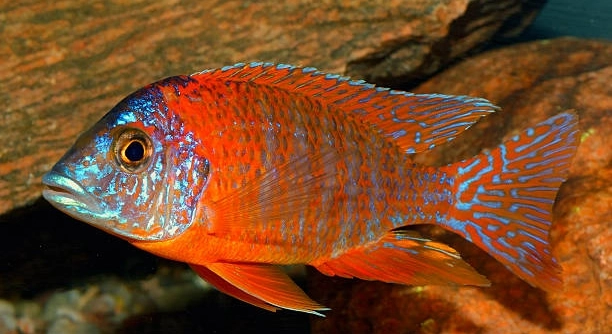
Keeping fry safe in a home aquarium can be challenging, especially for new fishkeepers. Tiny fish are vulnerable to predators, poor water conditions, and accidental injuries, making tank security an essential part of maintaining a healthy environment for them.
Improving tank security for fry involves creating safe hiding spaces, maintaining proper water quality, using appropriate tank mates, and monitoring feeding practices. These steps reduce stress, prevent predation, and promote healthy growth and survival of young fish.
Small adjustments to tank setup and daily care can make a big difference in fry survival and overall tank harmony. Learning the best practices ensures your little fish thrive in a protected environment.
Provide Plenty of Hiding Spots
Fry feel safest when they have places to hide. Plants, small caves, and dense decorations give them refuge from larger tank mates. Even simple floating plants can reduce stress by providing shade and cover. When fry feel secure, they are less likely to hide in dangerous areas, such as near filters or heaters. You can use moss or finely branched plants, which are easy for tiny fry to move through and less likely to trap them. Creating multiple hiding areas encourages natural behavior and gives every fish a safe space. Remember to clean these areas gently to avoid disturbing fry while keeping the tank healthy. Overcrowding hiding spots can be counterproductive, so balance is key. Changing the tank layout occasionally keeps fry curious but still safe, making it easier for you to monitor them. Small adjustments to decorations and plants can greatly improve their comfort and reduce mortality in the first few weeks of life.
Providing hiding spots reduces stress and increases fry survival rates, helping them grow stronger and healthier in a safe environment.
Plants and decorations not only protect fry from potential threats but also enrich the tank visually. They allow fry to explore without fear, encouraging natural behavior. By arranging these hiding spots carefully, you can create a secure, functional, and aesthetically pleasing tank. Watching fry move confidently between safe zones shows how much these small changes benefit their development. Selecting the right plants and structures requires some research, but simple options like java moss, floating plants, or small rocks often work best. Avoid sharp edges and oversized decorations that may trap or injure fry. Regular observation ensures fry use these spaces effectively and that they remain safe as the tank matures. Over time, this careful setup helps establish a healthy balance between fry and other tank inhabitants. These thoughtful adjustments not only improve survival but also reduce stress for all fish. Maintaining this environment encourages natural feeding, growth, and movement patterns.
Maintain Clean and Stable Water
Regular water changes keep the environment safe for fry and prevent harmful buildup of toxins.
Fry are extremely sensitive to water conditions. Temperature fluctuations, ammonia spikes, or poor filtration can stress them, leading to illness or death. Consistent water maintenance is essential for their growth and survival. Test water parameters frequently and perform small, regular water changes rather than large, sudden ones. Use dechlorinated water to avoid chemical shocks, and monitor pH and hardness to ensure stability. Avoid overfeeding, as leftover food decomposes quickly, polluting the water. A sponge filter is often ideal because it provides gentle filtration without sucking up tiny fry.
Monitoring water daily and adjusting as needed creates a safe and consistent environment for young fish. Even small mistakes in water care can have serious consequences for fry health. By keeping water conditions stable, you reduce stress, prevent disease, and support proper growth. Additionally, stable water conditions encourage normal behavior, such as feeding and schooling. Make sure tank parameters match the species’ needs, as fry are often less tolerant of variations than adult fish. Regular maintenance and careful observation allow you to catch problems early, ensuring a strong, thriving fry population. Over time, these practices become routine and contribute to long-term tank stability, benefiting all inhabitants while keeping fry protected and healthy.
Separate Fry from Larger Fish
Keeping fry separate prevents them from being eaten or stressed by adult fish. Breeding boxes, nets, or a dedicated tank are effective ways to provide a safe space while still allowing water to circulate properly.
Using a separate tank ensures fry can feed freely without competition from larger fish. It also reduces stress, which is critical for their growth. Breeding nets or small enclosures inside the main tank are useful for short-term protection, while a dedicated fry tank works better for long-term care. Make sure the enclosure has gentle filtration and is cleaned regularly to prevent toxins from building up. This setup allows fry to grow strong while remaining safe from accidental predation.
Monitoring fry in a separate tank also allows you to observe their health more closely. You can adjust feeding, water temperature, and oxygen levels as needed. Separate housing makes it easier to notice any signs of illness or slow growth. Additionally, it reduces the risk of fry being injured by tank equipment or other fish. By giving them their own space, you create an environment optimized for survival and healthy development. This practice can significantly increase the number of fry that reach adulthood.
Feed Appropriately Sized Food
Fry require tiny, easily digestible food that they can eat quickly without contaminating the water. Powdered or liquid fry food works best for the smallest fish.
Feeding small amounts frequently prevents leftover food from decomposing and harming water quality. Start with infusoria or liquid fry food for the first few days, then gradually introduce baby brine shrimp or finely crushed flakes. Observing feeding behavior ensures each fry gets enough nutrition without overfeeding. Rotate food types to provide balanced nutrition, supporting rapid growth and healthy immune systems. Avoid large flakes or pellets that fry cannot handle.
Proper feeding also encourages fry to explore their tank and reduces stress. Overfeeding or giving unsuitable food can lead to water pollution, which weakens fry and increases mortality. By carefully monitoring food type, size, and amount, you can maintain water quality while ensuring fry receive necessary nutrients. Introducing live foods occasionally can stimulate natural hunting instincts and promote stronger, more active fish. Consistency in feeding times helps fry establish routines and supports digestive health. This approach ultimately contributes to healthier, more resilient fish capable of surviving in a mixed-species tank later.
Avoid Overcrowding
Too many fry in one tank increases stress and competition for food. Keep the number of fry manageable to ensure each has enough space to grow and swim freely.
Overcrowding can also lead to faster water pollution, which harms delicate fry. Providing adequate space prevents injuries and reduces aggressive behaviors among siblings.
Use Gentle Filtration
Strong currents can easily harm fry, so choose a sponge filter or adjustable flow filter. Gentle filtration keeps the water clean without putting tiny fish at risk.
A soft, slow-moving filter helps maintain oxygen levels while preventing fry from being sucked in. It also traps debris and uneaten food, keeping water clearer and healthier. Consistent maintenance ensures the filter functions efficiently without causing stress or injury. Gentle filtration supports steady growth and reduces the chances of disease, creating a safer environment for fry to thrive in a controlled, stable tank.
Monitor Water Temperature
Keep the tank temperature stable to prevent stress and slow growth in fry. Sudden changes can be harmful.
Limit Tank Disturbances
Frequent tapping or moving decorations can scare fry, causing them to hide or injure themselves. Minimal disturbances help maintain a calm environment.
FAQ
How often should I feed fry?
Fry need small meals several times a day. Feeding two to four times daily helps them get enough nutrients without overloading the water with waste. Start with infusoria or liquid fry food and gradually introduce baby brine shrimp or finely crushed flakes. Watch how quickly they eat and remove any leftovers to maintain water quality. Consistent feeding schedules support steady growth and reduce stress. Avoid giving large or dense foods that fry cannot handle, as this can lead to digestive issues and poor development.
What water temperature is best for fry?
The ideal water temperature depends on the species, but maintaining a stable environment is key. Sudden changes can stress fry and slow growth. Most tropical fish fry do well in a range of 75–80°F (24–27°C). Use a reliable heater and thermometer to monitor the tank. Consistent temperatures help fry feed normally, grow evenly, and resist disease. Avoid placing the tank near drafts, windows, or direct sunlight that can cause fluctuations. Even small drops in temperature can impact metabolism and weaken immune systems, so stability is more important than hitting an exact number.
How do I prevent fry from being eaten?
Separating fry from adult fish is the most effective method. Use breeding boxes, nets, or a dedicated tank to provide a safe space. Adding plenty of hiding spots with plants and decorations reduces exposure to potential threats. Keep tank mates under control and avoid species known to be aggressive or predatory. Monitor interactions closely and remove any fish that show interest in attacking fry. Providing a secure environment encourages natural feeding and reduces stress, helping more fry survive to adulthood. A calm, safe tank significantly increases survival rates.
What type of filter should I use for fry?
Gentle filtration is essential. Sponge filters or adjustable low-flow filters work best because they clean water without sucking in fry. Strong currents can exhaust or injure tiny fish. Keep the filter well-maintained to ensure water stays clean and oxygen levels remain sufficient. Place the filter where water flows gently through the tank, avoiding areas where fry may get trapped. A properly set-up sponge filter supports healthy growth, reduces debris buildup, and allows fry to explore the tank safely. Over time, a stable filtration system makes maintenance easier and keeps the tank environment balanced.
How often should I change water for fry?
Small, regular water changes are better than infrequent large changes. Changing 10–20% of the tank water a few times a week helps maintain clean water without shocking the fry. Use dechlorinated water and match temperature and pH to prevent stress. This practice reduces the buildup of ammonia, nitrites, and waste, which can harm young fish. Monitor water parameters regularly to adjust changes as needed. Consistent water management supports healthy growth and prevents diseases. Fry are sensitive, so avoiding sudden changes is crucial for maintaining a stable, safe environment.
Can I keep fry with other fish?
It depends on the species. Most adult fish will see fry as food, so separation is usually necessary. Some peaceful species may coexist if there are plenty of hiding spaces, but it’s safer to use a breeding tank or protective enclosure. Monitor interactions carefully and ensure fry have access to food without competition. Separate housing allows you to control feeding and water quality more effectively, which improves survival rates. Overcrowding or pairing fry with aggressive or larger fish can result in high mortality. Ensuring a secure environment is key to raising healthy, strong fry.
How do I tell if fry are healthy?
Healthy fry swim actively, eat regularly, and display bright, even coloring. Weak or lethargic fry may float near the surface or hide constantly. Monitor growth patterns and behavior closely. Consistent feeding, stable water conditions, and minimal stress support their overall health. Remove any fry showing signs of illness promptly to prevent spreading disease. A thriving fry group is alert, energetic, and responsive to feeding times. Proper care ensures strong growth and reduces mortality, giving young fish a better chance of reaching adulthood.
What should I do if fry stop eating?
Check water quality first, as poor conditions are the most common cause. Ensure food is appropriately sized and fresh. Reduce stress by limiting tank disturbances and maintaining stable temperature. Observe for signs of illness or aggression from other fish. Adjust feeding frequency and food type if necessary. Sometimes fry may refuse food temporarily due to environmental changes or molting, but prolonged refusal requires immediate action. Maintaining clean, calm conditions and providing suitable nutrition usually restores appetite quickly. Consistent care is essential to keep fry healthy during sensitive early growth stages.
How long do fry need extra protection?
Fry usually need protection until they are large enough to avoid being eaten or stressed by other fish, often several weeks depending on the species. Provide hiding spots and separate housing during this time. Monitor growth and behavior to decide when integration is safe. Gradual acclimation to the main tank reduces stress and prevents injury. Keeping them in a controlled, protected environment ensures they develop strong swimming skills and proper feeding habits. Protection during these early weeks is crucial for improving survival rates and promoting healthy development.
Can live plants help fry?
Yes, live plants offer cover and encourage natural behavior. Fine-leaved or moss-type plants are ideal for small fry, providing refuge and surfaces to graze for microorganisms. Plants also help maintain water quality by absorbing nitrates and oxygenating the tank. Position plants strategically to create hiding spots without overcrowding. Observe fry interactions with plants to ensure safety and accessibility. Well-chosen plants reduce stress, promote growth, and make feeding easier by offering safe zones. Using live plants in combination with gentle filtration and proper water care creates an ideal environment for fry to thrive.
Raising fry successfully requires patience, attention, and a little planning. These tiny fish are extremely delicate during their early stages, and even small mistakes can affect their growth or survival. Providing a safe environment is the foundation of healthy development. This includes separating fry from larger fish, adding plenty of hiding spots, and maintaining gentle filtration. Every adjustment, from plant placement to tank layout, plays a role in reducing stress and preventing accidents. By keeping the tank calm and predictable, you give fry the best chance to grow strong and healthy. Observing their behavior daily helps you understand what works and what needs adjustment.
Water quality is one of the most important factors in fry care. Frequent testing and regular water changes prevent toxins from building up and keep conditions stable. Temperature, pH, and hardness should be consistent to avoid stress that can stunt growth or increase vulnerability to disease. Feeding tiny, easily digestible food multiple times a day ensures fry get the nutrients they need without polluting the water. Choosing the right type of filter and keeping its flow gentle also contributes to a balanced environment. Over time, these practices become routine, and the tank becomes a safe, nurturing space for fry to thrive.
Finally, raising fry is about observation and adaptation. Each species may have slightly different needs, and even individual fry can behave differently. By watching how they feed, swim, and interact with their environment, you can adjust care routines to better suit them. Avoid overcrowding, minimize disturbances, and provide protection until they are strong enough to integrate with larger tank mates. Every effort, from careful feeding to plant placement, increases their survival and promotes healthy growth. With consistency and care, your fry will develop into robust, active fish, making the effort you put in during these early stages well worth it.

Hello,
If you enjoy the content that we create, please consider saying a "Thank You!" by leaving a tip.
Every little bit helps us continue crafting quality advice that supports the health, happiness, and well-being of pets around the world, for pets of all shapes, sizes, and species.
We really appreciate the kindness and support that you show us!