
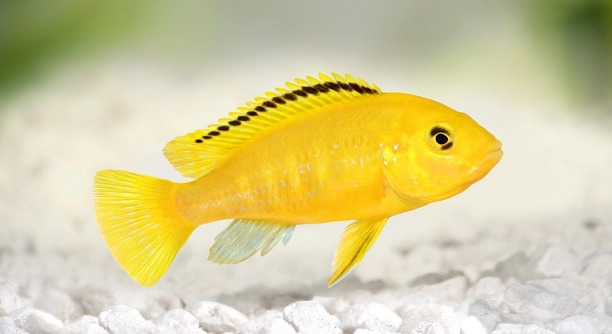
Many cichlid owners notice their fish sometimes spit out food during feeding. This behavior can be confusing and may raise concerns about the fish’s health or diet. Understanding why this happens can help improve care and feeding practices.
Cichlids may spit out food due to several reasons, including stress, poor water quality, inappropriate food type or size, or underlying health issues. It is important to assess environmental conditions and diet to identify and address the root cause effectively.
Recognizing the reasons behind this behavior can lead to better care and a healthier environment for your cichlid. This article explains common causes and offers practical solutions to support your fish’s well-being.
Common Reasons Cichlids Spit Out Food
Cichlids may reject food for various reasons related to their environment or health. Stress is a major factor, often caused by sudden changes in water temperature, poor water quality, or overcrowding in the tank. When stressed, cichlids tend to lose interest in food or spit it out. Another cause can be the type or size of the food offered. If the food is too large or not suited to their diet, cichlids might try to eat it but then spit it out. Health issues such as mouth injuries, parasites, or infections can also affect their ability to eat properly. Observing your cichlid’s behavior and tank conditions helps identify these problems early. Adjusting water parameters, choosing proper food, and ensuring a calm environment usually improves feeding habits and overall health.
Poor water quality is a common reason for feeding problems in cichlids. Regular testing and maintenance are essential.
Checking your tank regularly and maintaining clean water ensures your cichlid stays comfortable and ready to eat. Clean tanks reduce stress and help prevent health problems that affect feeding. Paying attention to the size and type of food also makes a difference. Offering a balanced diet that fits your cichlid’s natural preferences supports better eating behavior and overall well-being.
How to Improve Your Cichlid’s Feeding Behavior
Understanding your cichlid’s natural diet and feeding habits is key to encouraging proper eating behavior. Most cichlids prefer a varied diet including pellets, flakes, and occasional live or frozen foods. Providing food in appropriate sizes helps prevent spitting out. Feeding small amounts more frequently can also be beneficial since cichlids may eat better in smaller portions. Creating a stable and stress-free tank environment supports healthy feeding. Avoid sudden changes in water parameters and keep the tank clean to reduce stress. If your cichlid shows signs of illness or continues to spit out food, consulting a vet or experienced aquarist can help diagnose possible health issues. With careful observation and adjustments, your cichlid’s feeding habits can improve, supporting a healthier and more active fish.
Signs of Stress Affecting Feeding
Stress often causes cichlids to reject food or spit it out. Common signs include hiding, rapid gill movement, and erratic swimming. Identifying stress early can prevent feeding problems.
Stress in cichlids can come from many sources such as poor water quality, sudden changes in temperature, or aggressive tank mates. When stressed, their appetite decreases and they may spit out food they normally enjoy. Overcrowded tanks also increase stress, making feeding time difficult. Adjusting tank conditions and maintaining a calm environment helps reduce stress. Proper filtration and regular water changes are essential for stable water quality. Paying attention to tankmates’ behavior can also help avoid aggression that might upset your cichlid.
Stress affects your cichlid’s immune system, making them vulnerable to illness. A stable environment with clean water and peaceful companions encourages better feeding habits. Observing your fish closely and addressing these factors will improve their health and appetite over time.
Feeding Tips to Prevent Food Spitting
Offering smaller, more manageable food pieces helps prevent your cichlid from spitting out food. Feeding several small meals a day can improve acceptance.
Using food types your cichlid prefers, such as sinking pellets or frozen foods, encourages proper feeding. Avoid overfeeding, as excess food can pollute the tank and stress your fish. Consistency in feeding schedule helps your cichlid expect meals and reduces food rejection. Mixing different food types keeps their diet balanced and interesting. Watching your fish eat allows you to adjust the amount and type of food to suit their preferences. Proper feeding techniques create a more comfortable and healthy feeding routine for your cichlid.
Monitoring Water Quality
Maintaining clean water is crucial for your cichlid’s appetite and overall health. Poor water conditions can lead to stress and illness, causing your fish to spit out food.
Regular testing for ammonia, nitrite, nitrate, and pH levels helps keep the tank environment safe. Frequent water changes and proper filtration prevent harmful buildup and support your cichlid’s feeding behavior.
Adjusting Food Types
Different cichlid species have varied dietary needs. Offering the right food type encourages better feeding and reduces food spitting. Research your specific cichlid’s preferences and provide appropriate pellets, flakes, or live foods.
Avoiding Overfeeding
Overfeeding can cause digestive issues and water pollution, both of which affect feeding. Feeding small, controlled portions prevents waste buildup and helps maintain your cichlid’s health.
Signs of Illness to Watch For
Loss of appetite, spitting food, and unusual behavior may indicate illness. Early detection and treatment are key to recovery.
FAQ
Why does my cichlid spit out food right after taking it?
This behavior can happen if the food is too large or hard to chew. Cichlids may try the food but find it difficult to swallow and then spit it out. Sometimes, water quality or stress makes them less willing to eat properly. Changing the food type or size and improving tank conditions usually helps.
Can poor water quality cause my cichlid to refuse food?
Yes, poor water quality is a common reason cichlids lose appetite or spit out food. High ammonia, nitrite, or nitrate levels stress fish and affect their health. Regular water testing, water changes, and good filtration improve water quality and help your cichlid feed normally again.
Is spitting out food a sign of illness?
Spitting food can be an early sign of health problems like mouth injuries, parasites, or infections. If your cichlid consistently rejects food and shows other symptoms like lethargy, weight loss, or abnormal swimming, it’s important to seek advice from a vet or fish specialist.
How often should I feed my cichlid to prevent food spitting?
Feeding small amounts two to three times daily is best. Smaller meals are easier to eat and reduce the chance of food being spat out. Overfeeding can cause digestive issues and make your fish more likely to reject food. Consistency helps regulate appetite and feeding behavior.
What types of food are best for cichlids?
Most cichlids do well with a mix of high-quality pellets, flakes, and occasional live or frozen foods like brine shrimp or bloodworms. Choose food appropriate for your species, and ensure pieces are small enough to eat comfortably. Variety helps keep them interested and healthy.
Can tank mates affect my cichlid’s feeding habits?
Yes, aggressive or overly active tank mates may stress your cichlid, making it less likely to eat or causing it to spit out food. Ensure compatible species share the tank and provide enough hiding spots to reduce stress during feeding.
What should I do if my cichlid stops eating entirely?
If your cichlid refuses all food for more than a day or two, check water parameters immediately. Look for signs of illness or injury. Quarantine the fish if needed and consult an aquatic veterinarian. Early intervention increases chances of recovery.
Is it normal for cichlids to spit out food occasionally?
Occasional spitting out of food can be normal, especially when trying new foods or during tank changes. If it becomes frequent or persistent, it indicates a problem with diet, environment, or health that needs addressing.
How can I tell if my cichlid is stressed?
Stress signs include hiding, rapid breathing, clamped fins, loss of appetite, and unusual swimming patterns. Stress often leads to food rejection or spitting. Improving tank conditions and reducing stressors will help your fish feed better.
Does the size of the food pellet matter?
Yes, food that is too big can be hard to chew or swallow, causing your cichlid to spit it out. Using appropriately sized pellets or breaking larger food into smaller pieces can improve feeding success.
Can changing the feeding schedule help with spitting food?
Sometimes, yes. Feeding smaller portions more frequently allows your cichlid to eat comfortably and reduces waste. Irregular feeding times or large meals can stress fish and lead to food rejection.
What is the best way to introduce new food to my cichlid?
Introduce new food gradually by mixing it with familiar items. This helps your cichlid adjust to the new taste and texture without refusing it. Observe how your fish responds and adjust as needed to ensure acceptance.
Can temperature changes affect feeding?
Yes, sudden changes in water temperature can stress cichlids, leading to loss of appetite and spitting out food. Keeping a stable temperature suited to your species’ needs supports healthy feeding behavior.
How important is tank size for feeding behavior?
A cramped tank causes stress and competition during feeding, leading to food rejection. Providing adequate space for your cichlid helps reduce stress and improves its willingness to eat properly.
What should I do if my cichlid spits out food but seems healthy?
If your cichlid is otherwise active and healthy, spitting out food might be related to food type or feeding habits. Try different foods, adjust portion sizes, and monitor tank conditions to find the best solution.
Caring for cichlids involves understanding their feeding habits and recognizing when something is off. Spitting out food is a behavior that can signal different issues, ranging from environmental stress to health concerns. It is important to remember that this behavior does not always mean something is seriously wrong, but it does indicate that some adjustment or attention may be needed. Taking time to observe your fish’s environment, diet, and overall condition can make a significant difference in their well-being and feeding response.
Maintaining clean water and stable tank conditions plays a key role in encouraging healthy eating behavior. Stress caused by poor water quality, overcrowding, or aggressive tank mates can lead to food rejection. Monitoring water parameters regularly and performing consistent maintenance help create a comfortable space for your cichlid. In addition, offering a diet that matches their natural preferences and feeding in smaller, manageable portions improves acceptance and digestion. These simple but important actions often prevent feeding problems like spitting out food.
If spitting out food continues despite these changes, it is wise to consider health factors. Illness or injury may impair your cichlid’s ability to eat properly, so watching for other signs such as lethargy or unusual behavior is essential. Consulting a specialist can provide guidance and treatment options if needed. Overall, patience and careful care help ensure your cichlid thrives and enjoys its meals, contributing to a healthier and happier fish in your aquarium.

Hello,
If you enjoy the content that we create, please consider saying a "Thank You!" by leaving a tip.
Every little bit helps us continue crafting quality advice that supports the health, happiness, and well-being of pets around the world, for pets of all shapes, sizes, and species.
We really appreciate the kindness and support that you show us!