
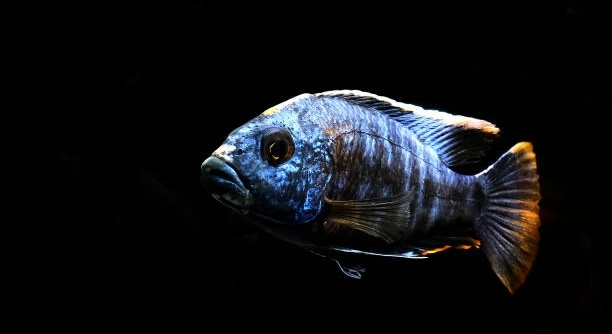
Keeping cichlids healthy and happy in an aquarium takes effort and care. Stress in cichlids can lead to illness and shorter lifespans. Managing their environment carefully helps reduce stress and promotes better behavior and health.
Reducing stress in a cichlid aquarium involves maintaining clean water, providing adequate space, ensuring proper diet, controlling aggression, and offering hiding places. Each of these factors plays a critical role in creating a stable and comfortable habitat for cichlids.
Learning these simple but important steps can improve your aquarium’s balance and the well-being of your fish for years to come.
Maintain Clean Water Conditions
Keeping the water clean is the most important step in reducing stress for cichlids. Dirty water causes poor oxygen levels and allows harmful toxins like ammonia and nitrites to build up. These toxins can make fish sick and stressed. Regular water changes are necessary, ideally 20-30% weekly, to keep the tank environment stable. Using a good filter that matches the size of your aquarium also helps by removing waste and debris. Testing water parameters often for pH, ammonia, nitrites, and nitrates ensures that conditions stay safe. Avoid overfeeding since leftover food increases waste and fouls the water. When adding new fish, quarantine them first to prevent introducing diseases. Clean water supports healthy gills, strong immune systems, and natural behavior. Proper water quality creates a peaceful environment that allows cichlids to thrive without unnecessary stress.
Regular water maintenance improves the overall health and reduces aggressive behavior linked to poor water conditions.
Clean water benefits not only your cichlids’ health but also their appearance and longevity. It promotes natural colors and activity levels. Stress weakens fish, making them more vulnerable to infections and parasites. By maintaining clear, balanced water, you provide a safe place for your fish to live comfortably. Good filtration reduces the effort you need to keep the tank clean manually. It also encourages beneficial bacteria that break down harmful substances, creating a natural balance. Clean water prevents common diseases like fin rot and ich. Watching your cichlids swim actively and interact peacefully is a sign your water quality is ideal. This simple routine step supports a calm and healthy aquarium.
Provide Adequate Space
Cichlids need enough space to swim and establish territories. Overcrowding causes stress and aggression.
Giving each fish enough room reduces fights and allows natural behaviors to develop.
Offer Hiding Places and Structures
Hiding spots and decorations create a sense of security in the tank. Cichlids often feel stressed when exposed with no cover or places to retreat. Rocks, caves, plants, or driftwood help break sight lines, which lowers aggression and fear. These structures mimic natural habitats and give fish control over their environment by letting them hide or rest when needed. Providing enough hiding spaces reduces dominance struggles and allows weaker fish to escape. Without shelters, fish become anxious, swim erratically, or hide constantly, all signs of stress. Well-placed decorations improve social balance and comfort in the aquarium. Simple changes like adding caves or tall plants can transform the tank atmosphere for cichlids. They encourage exploration and natural interaction, which makes the fish calmer and healthier overall.
Control Aggression Among Cichlids
Aggression is common in cichlid tanks and causes stress. Separating aggressive fish or rearranging the tank can help.
Aggression often results from territorial behavior, especially in crowded tanks. Males compete for dominance, and constant fighting stresses all fish involved. To reduce this, provide enough space and visual barriers like plants or rocks to break lines of sight. Introducing fish of similar size and temperament can balance social dynamics. Avoid mixing species with different aggression levels. Monitoring fish regularly helps spot bullying early. Removing or relocating overly aggressive individuals prevents injuries and stress-related illness. Keeping a stable group with balanced territories promotes peaceful coexistence.
Sometimes rearranging decorations after a fight resets territories and reduces aggression. Adding more hiding spots also allows stressed fish to escape and recover. Changing the environment this way disrupts established dominance and gives all fish a chance to settle calmly. Over time, less stress means healthier fish and a more enjoyable tank.
Ensure Proper Diet and Feeding Schedule
A balanced diet supports cichlid health and reduces stress from hunger or poor nutrition. Feed a variety of foods in small amounts.
Providing high-quality pellets or flakes designed for cichlids is a good base. Supplement with frozen or live foods like brine shrimp or bloodworms for variety and enrichment. Avoid overfeeding as leftover food pollutes water and causes stress. Feed twice a day in small portions fish can consume within minutes. Regular feeding times create a predictable routine that lowers anxiety. Nutrition affects color, growth, and immune function, all important for stress resistance. Sometimes picky eaters need special attention, so observe feeding habits carefully. Proper diet keeps cichlids active, healthy, and less prone to stress-related diseases.
Monitor Water Temperature
Stable water temperature is essential to prevent stress in cichlids. Sudden changes can shock them and weaken their immune system.
Most cichlids thrive between 75°F and 82°F. Use a reliable heater and thermometer to keep the temperature steady. Avoid placing the aquarium near drafts, heaters, or windows to prevent fluctuations.
Avoid Overcrowding
Too many fish in one tank increases stress and aggression. Each cichlid needs space to swim and claim territory.
Overcrowding reduces oxygen levels and makes waste management difficult. It also causes constant competition, which raises stress and the chance of disease outbreaks.
Perform Regular Water Testing
Testing water regularly ensures parameters like pH, ammonia, nitrites, and nitrates remain safe. Sudden changes in these can harm cichlids.
Keeping water balanced prevents stress-related health issues. Frequent testing helps catch problems early, allowing prompt corrections to maintain a healthy aquarium environment.
Keep a Calm Environment
Loud noises and frequent vibrations near the aquarium stress cichlids. Reducing disturbances helps fish feel secure.
Placing the tank in a quiet spot away from heavy foot traffic creates a stable, peaceful home for your fish.
FAQ
How often should I change the water in my cichlid aquarium?
Changing 20-30% of the water every week is a good routine to keep your tank clean. This helps remove toxins and keeps the environment stable. Smaller water changes done regularly are better than large changes done rarely, which can shock the fish.
What is the best way to reduce aggression between cichlids?
To reduce aggression, make sure your tank is large enough for the number of fish you have. Adding rocks, plants, or caves creates hiding spots and breaks up territories. Avoid mixing very aggressive species with more peaceful ones. Sometimes separating the most aggressive fish helps keep the peace.
Can stress make my cichlids sick?
Yes, stress weakens their immune systems and makes them more vulnerable to infections like fin rot, ich, or bacterial diseases. Keeping the water clean, stable, and providing enough space and hiding places lowers stress and helps fish stay healthy.
What is the ideal water temperature for most cichlids?
Most cichlids do best between 75°F and 82°F (24°C to 28°C). Avoid sudden temperature changes by using a good heater and thermometer. Keeping the temperature steady helps prevent stress and supports normal fish behavior.
How much should I feed my cichlids daily?
Feed small amounts two times a day. Only give as much food as the fish can eat in a few minutes. Overfeeding causes leftover food to rot and pollute the water, which increases stress and disease risk. Variety in diet also keeps fish healthy.
Why are hiding places important in a cichlid tank?
Hiding places reduce stress by giving fish a place to retreat when they feel threatened or tired. They help lower aggression because fish can avoid constant face-offs. Rocks, caves, and plants mimic natural environments and improve fish comfort.
What signs show my cichlids are stressed?
Stressed cichlids may hide more than usual, swim erratically, lose appetite, or show faded colors. They may also become aggressive or lethargic. Spotting these signs early helps you fix issues like water quality, space, or tank setup.
Is overcrowding bad for cichlids?
Yes, overcrowding causes constant competition for food, space, and territory, which raises stress and aggression. It also lowers oxygen levels and makes waste buildup harder to control. Giving each fish enough room improves health and behavior.
How do I test my aquarium water?
Use water test kits designed for aquariums to check pH, ammonia, nitrites, and nitrates regularly. These kits are easy to use and give quick results. Keeping these parameters within safe limits prevents stress and keeps your cichlids healthy.
Can sudden changes in the tank environment cause stress?
Yes, sudden changes like moving decorations, adding new fish, or changing water conditions quickly can stress cichlids. Try to introduce changes gradually and monitor your fish closely. Stability is key to reducing stress and maintaining a peaceful tank.
How can I calm aggressive cichlids without removing them?
Rearranging tank decorations can break established territories and reduce aggression. Adding more hiding spots also helps. Sometimes dimming the lighting or reducing feeding amounts temporarily lowers fighting behavior until fish settle down.
Does noise affect cichlids?
Loud noises and vibrations can stress fish by causing fear and erratic swimming. Placing the aquarium in a quiet, low-traffic area helps create a calm environment where cichlids feel safe and behave naturally.
Are live plants beneficial for cichlid tanks?
Live plants can help reduce stress by improving water quality and providing hiding spots. However, some cichlids may uproot or eat certain plants. Choose hardy species or artificial plants if necessary to maintain a stress-free environment.
How important is a quarantine tank?
Quarantining new fish before adding them to your main tank prevents introducing diseases and parasites. This step protects your established fish from unnecessary stress and health risks. A quarantine tank also allows you to observe new fish behavior before mixing.
What should I do if my cichlid is constantly hiding?
Constant hiding can indicate stress, illness, or bullying. Check water quality and tank conditions first. Ensure there are enough hiding places. If aggression is the cause, consider rearranging the tank or separating fish to give stressed individuals a chance to recover.
Taking care of cichlids means paying attention to their needs and environment. Stress can cause many problems, from sickness to changes in behavior. By focusing on simple things like clean water, enough space, and proper diet, you can create a healthy and calm aquarium. It is important to keep the water clean with regular changes and to test its quality often. This helps remove harmful substances that stress the fish. Using a good filter and avoiding overfeeding also keeps the tank safe and pleasant for your cichlids. When the water is clean, the fish can breathe easily and stay active.
Providing enough space and hiding spots helps reduce fights and gives each fish a place to feel safe. Cichlids are territorial, so overcrowding often leads to aggression and stress. Adding rocks, caves, or plants lets them establish their own areas and escape when needed. Watching their behavior can help you see if some fish need more room or separation. Making sure the tank temperature stays stable is another key factor. Sudden changes can shock the fish and make them weak. A steady temperature between 75°F and 82°F is ideal for most cichlids.
Feeding your cichlids a balanced diet at regular times supports their health and reduces stress. Overfeeding causes leftover food to rot and pollute the water, which is harmful to fish. Small amounts twice a day are best. Adding live or frozen foods can make meals more interesting and nutritious. Finally, keeping the aquarium environment calm and free from loud noises or vibrations helps fish feel secure. A peaceful space encourages natural behaviors and better health. By following these simple steps, you can enjoy a thriving cichlid aquarium with happy, healthy fish.

Hello,
If you enjoy the content that we create, please consider saying a "Thank You!" by leaving a tip.
Every little bit helps us continue crafting quality advice that supports the health, happiness, and well-being of pets around the world, for pets of all shapes, sizes, and species.
We really appreciate the kindness and support that you show us!