
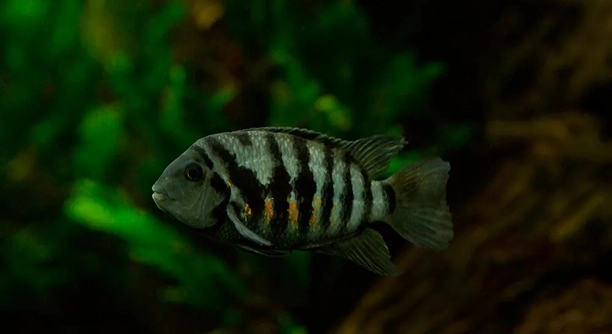
African cichlids are known for their vibrant colors and active behavior, but sometimes they may suddenly stop eating. This change can be worrying for any fish owner who cares about their pet’s health. Understanding why this happens can help you take better care of your cichlid.
Loss of appetite in African cichlids is often caused by environmental stress, illness, poor water quality, or inappropriate diet. Addressing these factors quickly is crucial to prevent further health decline and restore normal feeding behavior.
Knowing the common causes of appetite loss will help you identify issues early. This article will guide you through the main reasons and how to help your cichlid regain interest in food.
Common Causes of Loss of Appetite in African Cichlids
African cichlids can stop eating for several reasons, many of which relate to their environment or health. Poor water quality is one of the most frequent causes. If ammonia, nitrite, or nitrate levels rise, the fish may feel stressed and refuse food. Temperature fluctuations also play a big role; cichlids need stable water temperatures within their preferred range. Illness or parasites can affect their appetite too. Symptoms might include changes in behavior or physical appearance. Another important factor is diet—feeding the wrong type of food or overfeeding can cause digestive issues. Stress from overcrowding or aggressive tank mates can also cause your cichlid to hide and stop eating. Monitoring tank conditions and behavior closely can help identify the problem early before it worsens.
Water quality problems often lead to appetite loss and need quick attention to avoid lasting damage to your fish’s health.
Recognizing these causes early helps prevent complications. Fixing water conditions, adjusting temperature, and ensuring proper nutrition often restore your cichlid’s appetite and improve their overall well-being.
The Role of Water Quality and Tank Conditions
Poor water quality has a direct impact on an African cichlid’s health and eating habits. High levels of toxins like ammonia and nitrites irritate their gills and stress their immune system. Even slightly dirty water with high nitrate levels can reduce appetite over time. Proper filtration and regular water changes are essential to maintain a healthy environment. Besides chemistry, tank setup matters. The tank should have enough space and hiding spots to reduce stress. Overcrowding or aggressive tank mates may intimidate your fish, causing it to refuse food. Keeping the water temperature steady and within 74-82°F supports normal metabolism and appetite. Testing water parameters frequently helps catch problems before they affect your fish’s feeding behavior. Small adjustments to the tank can make a big difference in restoring your cichlid’s interest in food and overall vitality.
Illness and Parasites Affecting Appetite
Illnesses and parasites commonly cause a loss of appetite in African cichlids. Signs such as lethargy, clamped fins, or discoloration often appear alongside feeding issues.
Certain bacterial and parasitic infections interfere with digestion and overall health. Treating these conditions early is vital. Common illnesses include ich, fin rot, and internal parasites. Each requires specific treatment, often involving medicated food or water additives. Ignoring symptoms can lead to severe health decline or death. Observation and prompt action help ensure your fish recovers quickly. Providing a clean tank and balanced diet supports immune function to prevent infections. Maintaining stable tank conditions reduces stress, which helps avoid illness-related appetite loss.
Feeding Practices and Diet Impact
Feeding your African cichlid an appropriate diet is crucial for maintaining its appetite. Overfeeding can cause bloating or constipation, making your fish reluctant to eat. Feeding small amounts multiple times a day is better than one large meal. Variety also matters—mixing high-quality pellets with occasional frozen or live foods keeps their diet balanced and interesting. Avoid foods high in fillers or low in nutrients, as these do not support health. If your cichlid refuses food, try offering different options or adjusting feeding times to encourage eating. Proper nutrition boosts energy and immune defenses, helping your fish stay active and healthy.
Stress and Its Effects on Feeding
Stress is a major factor that can cause African cichlids to lose interest in food. Sudden changes in the tank or aggressive tank mates often lead to stress.
Stress weakens the immune system and disrupts normal behavior. Reducing stress by improving tank conditions and minimizing conflicts is essential to restoring appetite.
Adjusting Tank Mates and Environment
Choosing compatible tank mates and providing plenty of hiding spots helps reduce stress. A calm environment encourages your cichlid to eat regularly and thrive.
Monitoring Behavior for Early Warning
Pay attention to changes in your cichlid’s activity and feeding patterns. Early detection of problems can prevent serious health issues.
Encouraging Your Cichlid to Eat Again
Sometimes offering favorite foods or feeding at quieter times can help reignite your fish’s appetite.
FAQ
Why has my African cichlid suddenly stopped eating?
A sudden loss of appetite usually points to stress, illness, or poor water conditions. Changes like new tank mates, fluctuating temperature, or water quality problems often cause stress. Illnesses such as infections or parasites also reduce appetite. Checking water parameters and observing your fish for other symptoms can help pinpoint the cause.
How can I tell if my cichlid is sick?
Look for signs like lethargy, clamped fins, faded colors, or unusual spots. Loss of appetite often comes with these symptoms. Erratic swimming or hiding more than usual may also indicate health issues. Early detection improves treatment success.
What water parameters are best for African cichlids?
Ideal water temperature is between 74°F and 82°F (23°C–28°C). pH should be around 7.8 to 8.6, with low ammonia, nitrite at zero, and nitrate below 20 ppm. Stable water conditions are essential for your fish’s well-being.
How often should I change the water?
Weekly water changes of 20–30% are recommended to keep the tank clean and maintain good water quality. More frequent changes may be needed if toxin levels rise or if the tank is heavily stocked.
Can diet affect my cichlid’s appetite?
Yes, feeding low-quality food or the wrong diet causes digestive issues and reduces interest in eating. A balanced diet with high-quality pellets, frozen, or live food helps maintain health and appetite.
What foods are best for African cichlids?
Pellets formulated for cichlids are a good staple. Supplement with frozen or live foods like brine shrimp, bloodworms, or daphnia. Occasional vegetables like peas can aid digestion. Avoid feeding only flakes or low-nutrient foods.
How do I reduce stress in my tank?
Provide enough space and hiding spots, avoid overcrowding, and keep aggressive fish separated. Maintain stable water conditions and avoid sudden changes. A peaceful environment encourages normal feeding behavior.
Can temperature changes cause appetite loss?
Yes, sudden or frequent temperature swings stress cichlids and slow their metabolism, reducing hunger. Use a reliable heater and thermometer to keep temperatures steady within the preferred range.
Is it normal for African cichlids to sometimes refuse food?
Occasional refusal can happen during breeding, after tank changes, or if they are feeling stressed. However, if it lasts more than a day or two, it may signal a health or environmental problem needing attention.
When should I seek treatment for my cichlid?
If loss of appetite continues for more than three days or is paired with physical symptoms, start treatment promptly. Early intervention with appropriate medications or changes to tank care can save your fish.
Can changing feeding times help?
Yes, feeding when the tank is quiet or in low light can encourage shy or stressed fish to eat. Smaller, more frequent feedings may also improve appetite and digestion.
Are there any signs that indicate permanent health damage?
Prolonged loss of appetite, severe weight loss, or visible deformities suggest serious health issues. In these cases, veterinary advice or specialized treatment may be necessary to prevent further decline.
How important is tank cleanliness?
A clean tank prevents buildup of toxins and harmful bacteria that stress fish and cause illness. Regular cleaning, good filtration, and water changes are crucial for your cichlid’s appetite and health.
Can overcrowding affect my cichlid’s feeding habits?
Yes, overcrowding leads to competition, stress, and territorial behavior. Some fish may be bullied away from food or feel unsafe eating openly. Maintaining proper stocking levels reduces these problems.
What role do hiding spots play in appetite?
Hiding spots help fish feel secure and reduce stress. When cichlids feel safe, they are more likely to eat regularly. Decorate the tank with rocks, caves, or plants to provide shelter.
Final thoughts on why your African cichlid might lose interest in food focus on several key factors that influence their well-being. Loss of appetite is often a signal that something in the environment or the fish’s health is off balance. Water quality is one of the most important elements to monitor regularly. Keeping ammonia, nitrite, and nitrate levels low helps prevent stress and illness that can cause feeding problems. Stable temperature and proper pH levels also create a comfortable habitat where your cichlid feels safe to eat and thrive. Neglecting these basics can lead to long-term issues that affect your fish’s appetite and overall health.
Another major consideration is stress, which can come from overcrowding, aggressive tank mates, or sudden changes in the tank. When stressed, African cichlids may hide and refuse food. Providing enough space and hiding spots can make a big difference in helping your fish feel secure. Diet also plays a critical role. Feeding a balanced, high-quality diet suited for African cichlids supports their health and keeps their digestive system functioning well. Avoiding overfeeding or low-nutrient foods prevents digestive discomfort that might cause your fish to stop eating. Regular observation of your cichlid’s behavior, appearance, and feeding habits helps you catch early signs of problems and act before they become serious.
Taking care of an African cichlid requires attention to its environment, diet, and health. Loss of appetite is a common but manageable issue when addressed quickly. By maintaining clean, stable tank conditions and offering proper nutrition, you can help your cichlid regain interest in food and maintain good health. If illness or parasites are suspected, prompt treatment is necessary to avoid complications. Patience and consistency in care will improve your fish’s well-being over time. Watching your cichlid thrive after overcoming appetite problems is a rewarding part of being a fish keeper.

Hello,
If you enjoy the content that we create, please consider saying a "Thank You!" by leaving a tip.
Every little bit helps us continue crafting quality advice that supports the health, happiness, and well-being of pets around the world, for pets of all shapes, sizes, and species.
We really appreciate the kindness and support that you show us!