
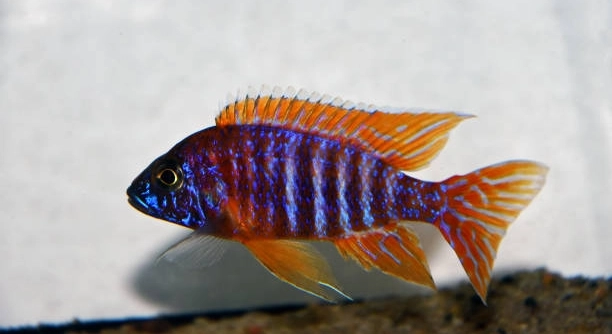
African cichlids are known for their vibrant colors, which often brighten up home aquariums. When these colors suddenly fade overnight, it can be concerning for any fish keeper. Understanding the reasons behind this change is important for the fish’s well-being.
Color loss in African cichlids usually occurs due to stress, poor water quality, illness, or changes in their environment. These factors disrupt the fish’s natural pigmentation, causing a sudden dull or faded appearance that may be reversible with proper care and conditions.
Recognizing the causes and acting promptly can help restore your cichlid’s color and health. This article explains the common reasons and offers practical advice to support your fish’s recovery.
Common Causes of Color Loss in African Cichlids
African cichlids can lose their color for several reasons. Stress is one of the main factors. Changes in water temperature, poor water quality, or overcrowding can all stress the fish and affect their pigment. Illness is another cause, including infections or parasites that impact their health. Sometimes, sudden changes in the aquarium environment, such as new tank mates or rearranged decorations, can also trigger color fading. Nutritional deficiencies may reduce vibrancy over time, especially if the diet lacks essential vitamins and minerals. It is important to regularly check water parameters and keep the tank clean. Paying attention to your fish’s behavior can help identify problems early. Color loss is often a sign that something needs attention in the tank or the fish’s care routine.
Maintaining stable water conditions and a balanced diet supports your cichlid’s natural coloration.
Color changes in African cichlids may also be part of their natural behavior. Some species fade color during breeding or dominance displays. However, sudden or prolonged fading is usually related to external factors and needs careful observation. Identifying the specific cause allows for timely action to restore your fish’s color and health.
How to Improve Your Cichlid’s Color
Regular water testing is essential to ensure good quality. Keep ammonia, nitrite, and nitrate levels low by performing partial water changes weekly. Use a reliable water conditioner to remove harmful chemicals. Maintain a consistent temperature suited to your cichlid species, usually between 75°F and 82°F. Avoid sudden changes that can stress your fish. Feeding a high-quality diet rich in carotenoids and vitamins enhances coloration. Foods like brine shrimp, spirulina, and specially formulated pellets support vibrant colors. Avoid overfeeding to prevent water pollution. Observe your fish daily for signs of illness, such as unusual spots or behavior changes. Quarantine new fish before adding them to the tank to prevent disease spread.
Following these care steps helps your African cichlid regain its bright colors and thrive in its environment.
Stress and Its Impact on Color
Stress is a major reason why African cichlids lose their color quickly. Changes in their environment or poor tank conditions can easily cause stress. This weakens their immune system and dulls their natural colors.
Stress in cichlids often results from overcrowding, sudden water changes, or aggressive tank mates. When stressed, fish may hide more, eat less, and become less active. These behaviors are clear signals that something is wrong. Stress disrupts the balance of hormones responsible for maintaining vibrant coloration. Reducing stress by providing a calm, stable environment helps the fish regain its bright colors and improves overall health.
It is important to regularly observe your fish and make adjustments to their habitat when signs of stress appear. Proper tank size, compatible companions, and consistent care are key to reducing stress-related color loss.
Water Quality and Color Loss
Poor water quality directly affects your cichlid’s color and health. High levels of ammonia, nitrites, or nitrates create toxic conditions that stress fish and cause fading. Maintaining clean water is critical to prevent color loss.
Regular water changes help keep harmful chemicals low and oxygen levels high. Using a reliable filtration system improves water clarity and removes waste efficiently. Monitoring pH and hardness also ensures the environment matches the cichlid’s needs. Sudden fluctuations in these parameters can shock the fish and lead to color fading. Keeping the water stable and clean supports the fish’s natural pigmentation and vitality.
Testing water regularly and responding quickly to any issues is the best way to maintain your cichlid’s bright colors and overall well-being.
Illness and Color Changes
Illness often causes African cichlids to lose their color. Parasites, bacterial infections, or fungal diseases can weaken the fish and dull their vibrant hues. Prompt treatment is necessary to prevent further health decline.
Signs of illness include lethargy, loss of appetite, and unusual spots. Early detection and proper medication can restore health and color.
Nutritional Deficiencies
A poor diet lacking essential nutrients affects cichlid coloration. Vitamins like A, C, and E, along with carotenoids, are vital for maintaining bright colors. Feeding high-quality, varied foods supports natural pigmentation.
Regularly including fresh or frozen foods alongside pellets ensures your cichlid receives balanced nutrition and vibrant color.
Environmental Changes
Sudden alterations in the tank, such as new decorations or different lighting, can stress your fish and affect color. Consistency in the environment helps keep cichlids comfortable and colorful.
Keeping changes minimal supports their natural color retention.
FAQ
Why did my African cichlid lose its color overnight?
A sudden color loss usually happens due to stress, poor water conditions, illness, or changes in the tank environment. These factors affect the fish’s pigmentation quickly, making their colors fade. Identifying and fixing the root cause often helps the fish regain its color.
Can poor water quality cause color loss?
Yes, poor water quality is a leading cause. High ammonia, nitrite, or nitrate levels create an unhealthy environment that stresses fish and dulls their colors. Regular water testing and maintenance are essential to keep your cichlid’s colors bright and its health strong.
How does stress affect my cichlid’s color?
Stress interrupts hormone balance, which controls pigmentation. When stressed, cichlids often lose color and show other signs like hiding or decreased appetite. Reducing stress by improving tank conditions, such as lowering aggression or stabilizing water parameters, helps restore their natural color.
Can illness make my cichlid lose color?
Yes, illness from parasites, bacteria, or fungi can cause color loss. Sick fish may become dull and inactive. Look for symptoms like spots, swelling, or unusual behavior. Treating the illness promptly with proper medication is necessary to help the fish recover color and health.
Is diet important for maintaining color?
Absolutely. A diet lacking essential nutrients like vitamins and carotenoids can cause colors to fade. Feeding high-quality pellets, along with fresh or frozen foods like brine shrimp or spirulina, supports vibrant coloration and overall health.
Can changes in the aquarium environment cause color loss?
Yes, sudden changes like rearranging decorations, adding new fish, or altering lighting can stress cichlids and lead to color fading. Keeping the environment stable helps your fish feel secure and keeps their colors bright.
Will my cichlid’s color return after it fades?
Often, yes. If the cause is addressed promptly, such as improving water quality or treating illness, the fish can regain its color. However, prolonged neglect or severe illness might cause permanent damage to pigmentation.
How can I prevent my cichlid from losing color again?
Maintain stable water parameters, provide a balanced diet, avoid overcrowding, and keep the tank environment consistent. Regular monitoring and care reduce stress and illness risks, helping your cichlid keep its vibrant colors.
Does the fish’s age affect its color?
Older cichlids may naturally lose some vibrancy over time. However, sudden color loss in any age is usually linked to external factors like stress or illness, which need to be addressed quickly.
Can breeding affect my cichlid’s color?
During breeding, some cichlids may lose or change color temporarily. This is a natural behavior and usually reverses after the breeding period ends. It’s different from stress or illness-related color loss.
Are all African cichlids prone to sudden color loss?
Some species are more sensitive to environmental changes than others. However, most African cichlids can lose color under stress, poor conditions, or illness. Knowing your species’ specific needs helps prevent this issue.
How often should I test my tank water?
Testing water weekly is a good routine. Keep track of ammonia, nitrite, nitrate, pH, and hardness. Frequent monitoring helps catch problems early before they affect your fish’s color and health.
Can adding plants help maintain color?
Live plants improve water quality by absorbing nitrates and providing oxygen. They also create a natural environment that reduces stress. This can indirectly support your cichlid’s vibrant coloration.
Is it normal for African cichlids to change color as they grow?
Yes, juveniles often have duller colors that brighten with maturity. This natural change should not be confused with sudden or dramatic color loss caused by stress or illness.
Should I isolate a color-fading fish?
If you suspect illness, isolating the fish in a quarantine tank is a good idea. This prevents disease spread and allows for targeted treatment, which can help the fish regain color faster.
Can lighting affect my cichlid’s color?
Proper lighting enhances fish colors and promotes healthy behavior. Too much or too little light can stress fish and dull their colors. Use lighting suitable for the species and maintain a consistent day-night cycle.
How long does it take for color to return after fixing problems?
Color recovery can take days to weeks depending on the cause and treatment. Patience is key, along with consistent care and monitoring.
Is it normal for cichlids to look dull during molting or shedding?
Cichlids do not molt like crustaceans, but they do shed old skin cells. Slight dullness during this process is normal and temporary, not a cause for concern.
Can tankmates cause stress and color loss?
Aggressive or incompatible tankmates can stress cichlids, leading to fading colors. Choose species that coexist well and provide enough space to reduce aggression.
What is the best food to enhance my cichlid’s color?
Foods rich in natural pigments, such as carotenoids, help boost color. Spirulina flakes, krill, and color-enhancing pellets are good options for maintaining vibrant hues.
African cichlids are popular for their bright and beautiful colors, which make them a favorite in many home aquariums. When their color suddenly fades, it can be worrying. There are several reasons why this happens, including stress, illness, poor water quality, and changes in their environment. Understanding these reasons helps fish keepers take better care of their cichlids and restore their natural colors. Paying close attention to water conditions and feeding habits is essential for keeping these fish healthy and colorful.
Maintaining a stable and clean tank environment is one of the best ways to prevent color loss. Regular water testing and changes keep harmful substances low and ensure the right temperature and pH for your cichlid. Providing a balanced diet with the right nutrients supports the fish’s pigmentation and overall health. Avoid overcrowding and keep an eye on tankmates to reduce stress. It is also important to observe your fish daily for signs of illness or unusual behavior, so problems can be addressed early. Small adjustments in care can often lead to big improvements in color and wellbeing.
Restoring color in an African cichlid usually takes time and consistent care. It is important to be patient while improving the tank conditions and treating any health issues. Sudden color changes often indicate that something needs attention, but with the right actions, your fish can regain its vibrant appearance. Keeping a calm and stable environment, feeding well, and preventing stress are key to long-term success. This care not only helps your cichlid look its best but also contributes to a healthier, happier fish overall.

Hello,
If you enjoy the content that we create, please consider saying a "Thank You!" by leaving a tip.
Every little bit helps us continue crafting quality advice that supports the health, happiness, and well-being of pets around the world, for pets of all shapes, sizes, and species.
We really appreciate the kindness and support that you show us!