
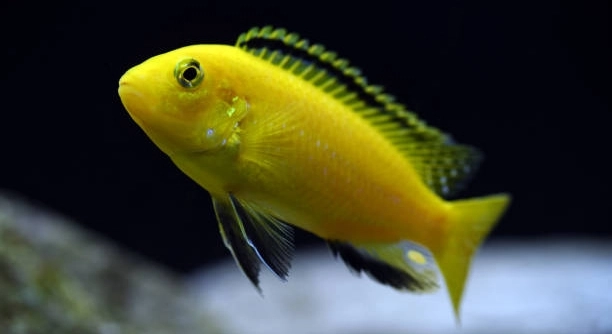
Have you ever watched your African cichlids and wondered if they recognize the same fish swimming around them day after day?
African cichlids have demonstrated the ability to recognize and remember individual fish, both of their own species and others. This cognitive behavior is linked to social interactions, territorial dynamics, and survival strategies in their natural and captive environments.
From memory patterns to behavioral responses, understanding how these fish connect with others brings new insight into their social world.
How African Cichlids Use Memory in Social Settings
African cichlids are highly social fish that rely on memory to manage complex group dynamics. In both the wild and aquariums, they recognize familiar individuals and adjust their behavior based on past interactions. This helps them form stable hierarchies, avoid unnecessary conflict, and maintain territories. For example, a dominant cichlid may tolerate a familiar submissive fish while responding aggressively to a new arrival. These fish can also remember past aggression and act accordingly in future encounters. This memory function is essential for their survival and reduces the constant need to reestablish social roles. Scientists studying African cichlids have found that these fish can remember specific visual features and behavioral patterns. They may not remember every fish they meet, but they retain enough information to navigate their social environment effectively. Memory, for them, is more than just recall—it’s a daily tool for safety and stability.
Cichlids also show better group behavior when surrounded by fish they recognize from previous interactions, reducing overall stress.
Their strong visual recognition skills are linked to well-developed brain regions responsible for memory and learning. They use visual cues, such as color patterns, fin shapes, and movements, to identify and remember others. This selective memory helps keep social order and reduces repeated challenges for dominance.
Recognition Beyond Their Own Species
African cichlids have been observed remembering fish from different species, especially when they share space for long periods.
In shared aquarium environments, cichlids often become familiar with tank mates of other species, remembering their behavior patterns and presence. For example, if a peaceful species consistently avoids conflict, cichlids may stop reacting aggressively toward them. On the other hand, they may remain defensive or cautious around unfamiliar or previously aggressive tank mates. This memory of other species helps them focus energy on real threats instead of reacting to every fish in the tank. Cichlids also adapt feeding habits and hiding behaviors based on who they share their environment with. They may wait until certain fish have fed or moved away before approaching an area. Over time, this leads to more efficient and less stressful behavior. These patterns show how memory shapes not only social interaction but also daily routines, even when multiple species are involved. It’s one reason they’re so fascinating to observe.
How Memory Affects Behavior Over Time
As African cichlids remember more fish, their behavior becomes more predictable and less reactive. They adapt to familiar tank mates, showing less aggression and more stable social patterns.
These memory-based changes can be seen in feeding, hiding, and territorial habits. Cichlids may start eating alongside familiar fish without showing signs of stress or dominance. They often avoid fish they’ve had negative encounters with and seek comfort near fish they trust. This ability to adjust behavior helps reduce daily conflict and makes it easier for them to share limited space. In long-term setups, cichlids even form loose alliances or tolerate others in neutral zones. This doesn’t mean they stop defending territory, but they do become more selective with their responses. Over time, memory reduces unnecessary displays of dominance and creates a more peaceful tank environment.
Their memory helps them react more thoughtfully instead of relying on pure instinct. It shapes their choices, especially when dealing with competition or changes in their surroundings. This shift can be especially noticeable in older cichlids, who tend to be more strategic and less reactive than younger ones. These learned behaviors are not random; they’re built from repeated experiences and stored recognition. That makes each interaction more meaningful and less chaotic as time passes.
Impact of Environment on Memory Use
A stable environment gives African cichlids more chances to use their memory effectively. When their surroundings are consistent, they can recognize others more easily and settle into steady behavior patterns that reduce stress.
Tank conditions have a direct effect on how often and how well cichlids use memory. In a calm setup with limited changes in lighting, décor, and tank mates, cichlids are more likely to recall and respond to known fish. If new fish are constantly added or the layout is frequently changed, cichlids can become more aggressive or cautious due to unfamiliarity. This reaction isn’t because they’re naturally aggressive—it’s because memory becomes less useful in unstable conditions. The consistency of an environment supports their ability to remember specific fish and build long-term behaviors around those memories. For this reason, aquarists who keep cichlids often avoid making sudden changes. A predictable setting not only supports better memory use but also results in more relaxed fish, smoother social interactions, and clearer territory boundaries.
Memory and Breeding Behavior
During breeding, African cichlids rely on memory to choose mates and avoid previous conflicts. They often return to familiar partners or recognize individuals who have raised strong fry in past cycles.
They also remember past aggression or poor parenting and may avoid those fish when selecting a mate again.
Long-Term Tank Mates and Stress Levels
When African cichlids live with the same fish over time, their stress levels tend to stay lower. Familiarity reduces the need for repeated displays of dominance or fear-based behavior. Memory helps them predict how other fish will act, making daily interactions less intense and more manageable.
What This Means for Aquarium Care
For cichlid owners, providing a stable group of tank mates and a consistent layout supports their memory-based behaviors. Reducing constant change allows them to feel secure, interact calmly, and thrive. Their memory isn’t just impressive—it’s important to their health.
FAQ
How long do African cichlids remember other fish?
African cichlids can remember other fish for several weeks to months, depending on the nature of their interactions. Their memory is strongest for fish they encounter frequently or those involved in territorial disputes or social bonding. Familiarity built over time helps reduce aggression and stress in shared tanks.
Can African cichlids recognize individual fish by appearance?
Yes, African cichlids use visual cues such as color patterns, size, and fin shapes to identify and remember individual fish. This ability allows them to distinguish between familiar tank mates and strangers, shaping their social behavior accordingly.
Do cichlids remember fish from different species?
They do remember other species, especially if those fish share the same environment for a long time. Cichlids often learn which species are peaceful and which might compete for territory or food, adjusting their behavior to avoid unnecessary conflict.
Why do cichlids act less aggressive around familiar fish?
Memory helps cichlids recognize individuals they have previously encountered without hostility. This recognition lowers the need for repeated aggressive displays, which saves energy and reduces stress in the tank.
Can changing tank mates frequently harm cichlids’ memory and behavior?
Frequent changes can disrupt their social memory, leading to increased aggression and anxiety. Unfamiliar fish force cichlids to constantly reassess their environment, which can make them more territorial and reactive.
How does tank environment affect cichlid memory?
A stable environment helps cichlids retain and use memory effectively. Consistent tank décor, lighting, and fish groups create a predictable setting, allowing cichlids to build long-term social relationships and reduce stress.
Do younger cichlids have the same memory skills as adults?
Younger cichlids tend to be more reactive and less strategic because their memory and social skills are still developing. Adults usually display stronger recognition and more calculated social behavior.
How can I help my cichlids remember each other better?
Keeping a consistent group of tank mates and minimizing sudden changes in tank layout encourages memory formation. Regular observation of social interactions can help ensure the group remains stable and less stressful.
Is memory in cichlids linked to their brain structure?
Yes, African cichlids have well-developed brain areas responsible for learning and memory. This allows them to remember individuals and adapt behavior, which is important for survival in complex social environments.
Do cichlids remember negative experiences with other fish?
They do. Cichlids recall past aggressive encounters and may avoid or react cautiously to fish involved in those conflicts. This memory helps them protect territory and avoid harmful interactions.
Can memory affect cichlid breeding success?
Memory plays a role in mate selection and parental care. Cichlids often choose familiar mates and avoid partners with poor parenting histories. Remembering positive breeding experiences supports healthier offspring.
Are there limits to what cichlids can remember?
While cichlids have impressive memory skills, they don’t remember every detail indefinitely. Memory tends to focus on important social and survival-related information, fading if encounters are rare or insignificant.
Do cichlids remember humans or their keepers?
Some studies suggest cichlids can recognize individual humans, especially if feeding is involved. This recognition is less detailed than fish-to-fish memory but shows their ability to learn from repeated interactions.
How do cichlids react to unfamiliar fish entering their territory?
Unfamiliar fish usually trigger increased aggression and territorial defense until the cichlids can assess whether the newcomer is a threat. Memory helps speed up this process as the new fish becomes familiar over time.
What role does memory play in cichlids’ feeding behavior?
Cichlids remember which fish are competitors or peaceful feeders, adjusting when and how they approach food. This helps reduce conflicts and ensures better access to resources.
This FAQ highlights how memory shapes many aspects of African cichlid behavior, from social interaction to survival strategies. Understanding this can improve tank management and fish well-being.
African cichlids show impressive memory skills that influence how they interact with other fish. Their ability to remember individuals helps create a more peaceful and balanced tank environment. By recognizing familiar tank mates, they reduce unnecessary aggression and stress. This memory plays a key role in maintaining social order, allowing the fish to focus on important tasks like defending territory or finding food. It also helps them avoid repeating conflicts, which benefits both the fish and the overall health of the aquarium.
Memory is not only useful for social behavior but also affects breeding and daily routines. African cichlids remember past experiences with mates and other fish, which can influence their future choices. This ability helps them select partners more carefully and raise their young in safer conditions. In daily life, memory helps them know when and where to feed or hide, reducing the risk of danger. The more stable the environment, the better cichlids use their memory to adapt and thrive. Consistent tank conditions allow them to build long-lasting relationships with other fish and feel secure in their surroundings.
For anyone caring for African cichlids, understanding how memory works can improve tank management. Providing a steady group of fish and avoiding sudden changes in the environment will help these fish feel comfortable and lower their stress levels. Remembering that these fish rely on memory to interact means tank owners should aim for stability and predictability. This approach supports healthy behavior, stronger social bonds, and better overall well-being for the cichlids. Their memory is a valuable part of their nature, influencing much of what makes them unique and interesting to keep.

Hello,
If you enjoy the content that we create, please consider saying a "Thank You!" by leaving a tip.
Every little bit helps us continue crafting quality advice that supports the health, happiness, and well-being of pets around the world, for pets of all shapes, sizes, and species.
We really appreciate the kindness and support that you show us!