
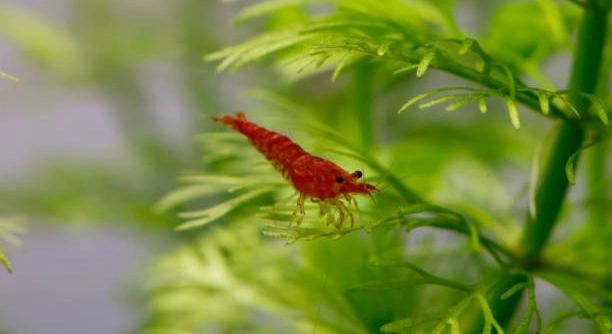
Cherry shrimp are small, colorful creatures that bring life to freshwater tanks. They spend much of their time moving across plants and decorations, quietly exploring their environment while foraging for tiny bits of food on surfaces.
Cherry shrimp dig into the substrate primarily to search for biofilm, algae, and detritus. This behavior allows them to access essential nutrients while helping maintain a cleaner tank environment, promoting both their growth and overall ecosystem balance.
Observing them sift through the substrate reveals more than just feeding habits, hinting at their natural instincts and care requirements for a thriving aquarium.
Understanding Their Foraging Behavior
Cherry shrimp spend a lot of their time foraging in the substrate. They use their small claws to pick through sand, gravel, and plant debris. This behavior is not random; it is driven by their need to find food like algae, biofilm, and decomposing plant matter. In doing so, they are also helping keep the tank cleaner by removing excess organic material. The substrate acts like a pantry full of hidden nutrients, and digging allows them to access it efficiently. Even if you provide commercial shrimp food, they still instinctively search the substrate. Watching them sift through tiny particles can be surprisingly engaging. Their delicate movements show how adapted they are to extracting nutrients from even the smallest sources. This natural activity also promotes their health, as it encourages movement and keeps them active, which can extend their lifespan and maintain vibrant coloration. Overall, digging is a normal, beneficial part of their daily routine in an aquarium setting.
Foraging in the substrate is a normal and healthy behavior. It helps cherry shrimp access essential nutrients while keeping their tank cleaner.
By consistently exploring the substrate, cherry shrimp display patterns that indicate their preferences. They tend to focus on areas with the most organic material and shaded spots. Observing these behaviors can help aquarists understand which parts of the tank are most productive for feeding. Additionally, this behavior reflects their natural instincts from the wild, where they must search carefully for food to survive. Providing a substrate rich in fine particles allows them to dig more effectively and comfortably. Live plants and leaf litter also create microhabitats for biofilm growth, giving shrimp more options. Regular substrate maintenance, such as gentle stirring and cleaning, ensures that the shrimp can forage without harmful buildup. Over time, this digging can influence the overall appearance of the tank, keeping certain areas clearer while others accumulate nutrients. Understanding these dynamics can help create a balanced environment that supports both shrimp activity and overall aquarium health.
Substrate Preferences
Cherry shrimp show clear preferences for certain types of substrate. Fine sand or small-grain gravel is ideal because it allows easier foraging and movement, reducing stress and promoting natural behaviors.
Choosing the right substrate impacts shrimp health and tank dynamics. Fine substrates encourage foraging and minimize injury, while certain decorative options can block access to nutrients. Leaf litter, driftwood, and live plants enhance the microhabitats where biofilm forms, giving shrimp consistent feeding opportunities. Coarser gravel may be harder for them to sift through, reducing feeding efficiency and increasing stress. Maintaining a substrate with gentle depth helps prevent debris buildup, creating a safer and more productive environment. Layering substrates with nutrients underneath also supports plant growth, indirectly benefiting the shrimp by improving water quality and food availability. Over time, observing how shrimp interact with different areas can guide adjustments in substrate choice or placement, ensuring optimal conditions for their health and activity. Overall, selecting a substrate that matches their natural instincts is key to promoting digging and feeding behaviors effectively.
Feeding Habits and Nutrition
Cherry shrimp mainly feed on biofilm, algae, and tiny detritus in the substrate. Even when provided with pellets or flakes, they prefer grazing on natural materials, which provide essential nutrients for growth, coloration, and overall health.
Their natural feeding habits involve constant, gentle sifting through sand or gravel. This behavior allows them to access microorganisms and decomposing plant matter that commercial foods cannot replicate. Grazing on biofilm helps maintain their digestive health, supports molting, and provides energy for movement. Offering supplemental foods like blanched vegetables or specialized shrimp pellets can enhance their diet, but it is the substrate foraging that supplies most of their nutrients. Maintaining a balanced diet in the tank ensures vibrant colors, active behavior, and better reproduction. Observing how they choose and consume food reveals their preferences and reinforces the importance of keeping the substrate clean yet rich in natural nutrients.
Providing varied nutrition improves their health and encourages natural digging behavior. Over time, shrimp become more active and visibly healthier when their diet is diverse.
Environmental Factors
Water parameters, including temperature, pH, and hardness, directly affect how often cherry shrimp dig in the substrate. Unstable conditions may reduce activity and stress the shrimp.
Optimal water conditions support natural behaviors and overall wellbeing. Temperatures between 72–78°F and stable pH around 6.5–7.5 encourage regular foraging and substrate exploration. Hardness levels influence molting frequency and shell development, which in turn affects their energy and willingness to dig. Lighting also plays a role, as moderate illumination supports algae growth, providing a natural food source within the substrate. Low water flow areas allow shrimp to sift comfortably without being disturbed. Monitoring these parameters and making gradual adjustments ensures that the substrate remains a productive feeding ground. Over time, a stable environment promotes more consistent digging, healthier shrimp, and better tank cleanliness. Careful attention to environmental factors is key to maintaining these behaviors effectively.
Tank Cleanliness
A clean substrate encourages healthy digging and feeding behaviors in cherry shrimp. Accumulated waste or uneaten food can slow their foraging and stress the shrimp.
Regular gentle cleaning prevents harmful buildup while preserving beneficial biofilm. This balance keeps shrimp active, healthy, and engaged with their environment.
Plant and Decoration Influence
Plants and decorations provide surfaces for biofilm growth and hiding spots. Shrimp often dig around roots, leaf litter, and driftwood to access food and explore sheltered areas. Carefully placing plants and ornaments supports natural behaviors while enhancing the tank’s visual appeal.
Molting and Substrate Interaction
During molting, cherry shrimp may dig more frequently to find safe spots. Substrate provides cover and protection for vulnerable shrimp while they shed their exoskeleton, reducing predation risks and stress in the aquarium.
Observing Behavior Patterns
Watching substrate activity reveals shrimp health, preferences, and stress levels. Consistent digging usually indicates a balanced environment, proper diet, and stable water conditions.
FAQ
Why do cherry shrimp dig so much in the substrate?
Cherry shrimp dig primarily to find food like biofilm, algae, and detritus. Their small claws allow them to sift through sand and gravel efficiently. Even with commercial foods, they instinctively search the substrate to access natural nutrients that help with growth, coloration, and energy.
Is digging a sign of stress or normal behavior?
Digging is normal behavior for cherry shrimp when the substrate is clean and food is available. However, sudden decreases in digging can indicate stress, poor water quality, or lack of food. Consistent activity usually shows that shrimp are healthy and comfortable in their environment.
How often should I clean the substrate?
Substrate cleaning should be gentle and periodic. Removing excess debris and uneaten food prevents harmful buildup but preserves biofilm, which is a natural food source. Over-cleaning can reduce available nutrients and disrupt shrimp activity. Finding a balance helps maintain healthy digging behavior.
Do different substrates affect digging habits?
Yes, fine sand or small-grain gravel is ideal because shrimp can sift through it easily. Coarse or sharp gravel may limit digging and stress shrimp. Layering nutrient-rich substrates or adding leaf litter encourages natural foraging while supporting plant growth. Observing shrimp activity can guide substrate choice.
Does lighting impact substrate digging?
Moderate lighting promotes algae and biofilm growth on the substrate, which encourages shrimp to dig more. Too much light can create algae overgrowth, while too little can reduce available food. Positioning plants and adjusting light levels supports balanced digging and feeding activity.
How do water parameters influence digging?
Stable water conditions directly affect shrimp activity. Optimal temperature (72–78°F), pH (6.5–7.5), and moderate hardness support regular substrate foraging. Unstable or extreme conditions can stress shrimp, reducing digging and affecting overall health. Monitoring these parameters ensures consistent behavior.
Do cherry shrimp dig more when they are molting?
Yes, molting shrimp often dig more to find safe hiding spots. The substrate provides cover and protection while their new exoskeleton hardens. Ensuring gentle, cluttered areas with plants or decorations helps reduce stress during this vulnerable period.
Can decorations and plants influence digging patterns?
Absolutely. Shrimp dig around plant roots, leaf litter, and driftwood where biofilm accumulates. Strategic placement of decorations and plants encourages natural foraging, provides shelter, and creates microhabitats that stimulate substrate interaction.
Will digging harm plants or substrate?
Cherry shrimp are gentle diggers. They rarely uproot healthy plants or disturb well-packed substrates. Their digging is shallow and mainly for foraging, making them safe to keep in planted tanks without worrying about damage.
How can I encourage natural substrate behavior?
Provide fine-grain substrate, stable water parameters, moderate lighting, and plant or leaf litter. Offering a mix of biofilm, algae, and occasional supplemental foods supports healthy digging while keeping shrimp active and engaged. Regular observation helps ensure they are thriving.
What signs indicate that digging behavior is abnormal?
A sudden stop in substrate activity, excessive hiding, or lethargy may indicate stress, poor water quality, or illness. Checking water parameters, food availability, and substrate cleanliness can help identify and correct the issue. Healthy shrimp maintain consistent foraging habits.
Can substrate composition affect shrimp health?
Yes, nutrient-rich and soft substrates encourage better foraging and reduce stress on delicate legs and claws. Sharp or coarse substrates may cause minor injuries or discourage digging, affecting feeding efficiency and overall vitality.
Is it okay for shrimp to dig near aquarium equipment?
Yes, but avoid placing heavy decorations or equipment that could trap debris in digging zones. Shrimp can sift around filters and heaters safely, but constant movement near strong currents may reduce substrate interaction. Providing calm areas ensures regular foraging.
Do cherry shrimp ever stop digging?
They may reduce digging temporarily during illness, molting, or environmental stress. Otherwise, digging is a normal and frequent behavior, showing active foraging and healthy interaction with the substrate. Observing patterns helps identify any changes that may need attention.
How does temperature change affect digging?
Temperature fluctuations can slow shrimp metabolism, reducing substrate activity. Stable warmth within the preferred range maintains consistent digging and feeding. Extreme temperatures may lead to lethargy, molting issues, or even health risks if prolonged.
Does the number of shrimp affect digging?
Yes, more shrimp can increase substrate activity due to competition and social feeding behaviors. Too many in a small tank may stress them, while a moderate group encourages natural foraging without overcrowding. Watching how they interact helps adjust population density.
Can digging improve tank cleanliness?
Digging indirectly helps by sifting through detritus and uneaten food, preventing buildup in certain areas. Combined with proper maintenance, substrate activity contributes to a healthier, more balanced aquarium ecosystem.
Are baby shrimp also digging?
Juvenile shrimp dig less than adults, but they still explore the substrate to find food. As they grow, their digging increases, supporting growth, molting, and adaptation to tank conditions. Providing a gentle, fine substrate helps young shrimp feed safely.
How do seasonal changes in the tank affect digging?
Light and temperature fluctuations may subtly alter algae and biofilm growth, influencing substrate foraging. Maintaining stable conditions reduces stress and supports regular digging, keeping shrimp active year-round.
Can feeding too much commercial food reduce digging?
Yes, excess food on the surface may reduce substrate foraging. Shrimp may become less active if nutrients are easily available, which can limit natural digging behaviors. Balancing commercial food with substrate exploration encourages healthier, more engaged shrimp.
Do cherry shrimp prefer specific areas of the substrate?
They often target nutrient-rich zones, shaded corners, and areas with plant roots or biofilm buildup. Observing these preferences can guide tank decoration and feeding strategies to enhance natural behavior and overall shrimp activity.
Is substrate depth important for digging?
Yes, a gentle depth allows shrimp to sift efficiently without risk of injury. Too shallow may limit foraging, while overly deep or compacted substrate can discourage activity. Maintaining an appropriate depth supports natural feeding and digging behaviors.
How long do cherry shrimp spend digging daily?
Shrimp spend a significant portion of their active time foraging. While exact durations vary, regular substrate interaction is normal and healthy, supporting digestion, nutrient intake, and general activity throughout the day.
Does water flow affect digging?
Moderate flow allows shrimp to forage without being disturbed. Strong currents may discourage substrate interaction, while stagnant areas encourage safe digging. Balancing flow ensures shrimp remain active and can access nutrients efficiently.
Can stress from other tank inhabitants reduce digging?
Yes, aggressive or large fish can stress shrimp, reducing substrate activity. Providing hiding spots and calm zones ensures shrimp feel safe enough to maintain normal digging and feeding behaviors.
How does substrate cleaning frequency impact shrimp behavior?
Too frequent cleaning may remove biofilm and reduce digging opportunities. Infrequent cleaning can allow harmful debris buildup. Gentle, balanced maintenance supports both tank health and consistent shrimp activity.
Are there any signs of over-digging?
Excessive digging is rare but may indicate stress, poor water conditions, or lack of food elsewhere. Observing behavior patterns helps ensure shrimp remain healthy and that substrate activity reflects natural foraging rather than environmental issues.
Do cherry shrimp ever dig outside the substrate?
Occasionally, they may explore plant leaves or decorations with biofilm. This behavior complements substrate foraging but is less frequent, showing adaptability in accessing food sources throughout the tank.
Can substrate additives affect digging?
Nutrient-rich additives can encourage digging by increasing biofilm and microfauna. Chemical or sharp additives may discourage activity. Choosing safe, compatible supplements promotes healthy substrate interaction and overall shrimp wellbeing.
How can I tell if my shrimp are happy with the substrate?
Consistent digging, bright coloration, active movement, and normal molting are good indicators. Shrimp that explore, forage, and interact with the substrate regularly are showing signs of comfort and health in their environment.
Do shrimp need different substrates at different life stages?
Juveniles benefit from softer, fine substrates to reduce injury risk and allow safe feeding. Adults can handle slightly coarser materials but still thrive with fine substrates for efficient foraging. Adjusting based on growth supports natural behavior.
Can shrimp dig too deep and get stuck?
No, cherry shrimp are small and agile, making it unlikely they dig too deeply. Properly packed substrate ensures safety while allowing them to forage effectively.
Does substrate color affect digging?
Subtle differences may influence visibility of food, but shrimp mainly respond to texture and nutrient availability. Darker substrates can enhance contrast for food particles, potentially encouraging more efficient digging.
Can substrate additives harm digging behavior?
Harsh or sharp materials may deter shrimp from sifting, while nutrient-rich, safe additives support natural behavior. Monitoring how shrimp interact after changes ensures their activity remains healthy and productive.
How do tank size and layout influence digging?
Larger tanks allow more substrate variety and exploration, while smaller tanks may limit movement. Strategic placement of plants and decorations encourages digging in different areas and maintains engagement throughout the aquarium.
Is substrate interaction necessary for shrimp reproduction?
Yes, substrate foraging supports overall health, which is critical for breeding. Active, well-nourished shrimp are more likely to molt successfully and reproduce, making substrate behavior indirectly important for population growth.
Can digging damage aquarium equipment?
Shrimp are gentle and unlikely to harm heaters, filters, or decorations. They mainly sift lightly and focus on fine particles, making substrate interaction safe in well-planned setups.
How long does it take for shrimp to adapt to a new substrate?
Shrimp usually begin exploring within hours, but full adaptation may take days. Providing familiar textures and safe hiding spots speeds adjustment and encourages normal digging behavior.
Does the presence of other species affect substrate activity?
Peaceful tankmates generally do not interfere. Aggressive or large species may reduce digging due to stress. Ensuring compatible species allows shrimp to maintain natural behaviors.
Can temperature swings reduce substrate foraging?
Yes, sudden drops or rises can slow metabolism, decreasing digging. Stable conditions support consistent activity and overall shrimp health.
Are there ways to simulate natural substrate conditions?
Adding leaf litter, driftwood, and biofilm-friendly plants creates layers and textures similar to natural habitats. This encourages regular digging, supports nutrition, and enhances tank complexity.
Do shrimp interact differently with sand versus gravel?
Sand allows easier sifting and tends to accumulate biofilm evenly. Gravel provides pockets and crevices, offering hiding spots and variable foraging zones. Observing preferences can guide substrate selection to encourage activity.
How does feeding schedule influence digging?
Regular, moderate feedings complement natural substrate foraging. Overfeeding may reduce digging, while underfeeding encourages active searching. Balancing feeding supports health and natural behavior patterns.
Can substrate composition impact molting success?
Yes, gentle, nutrient-rich substrates reduce stress and injury risk during molting. Hard, sharp, or compacted materials may slow the process or cause complications, so selecting appropriate substrate supports safe molting.
Is substrate layering beneficial?
Layering nutrients below a fine surface allows plants to grow while providing shrimp with access to microfauna. This promotes natural digging, feeding variety, and overall tank balance.
Do shrimp dig more at certain times of day?
Activity often peaks during lower light periods or when feeding occurs. Patterns may vary individually, but regular substrate interaction throughout the day indicates healthy foraging habits.
How can I encourage shy shrimp to dig?
Provide hiding spots, gentle lighting, and areas with biofilm-rich substrate. Reducing stress from tankmates and current helps them feel safe enough to forage naturally.
Can digging disturb newly planted tanks?
Minimal disturbance may occur, but gentle digging rarely uproots healthy plants. Proper substrate packing and plant anchoring protect both flora and shrimp activity.
Does biofilm presence affect digging frequency?
Yes, areas rich in biofilm attract shrimp to sift more often. Maintaining conditions that encourage biofilm growth supports active substrate foraging and overall nutrition.
How does substrate moisture affect digging?
A well-watered, submerged substrate facilitates easy sifting. Dry or compacted surfaces can limit movement and reduce foraging efficiency. Maintaining proper substrate conditions encourages consistent digging.
Can stress from water chemistry changes reduce digging?
Sudden pH shifts, hardness changes, or contaminants may cause shrimp to stop digging temporarily. Gradual adjustments and monitoring water quality prevent long-term behavior disruptions.
Do shrimp prefer undisturbed substrate?
Yes, areas free from excessive cleaning or strong currents encourage exploration. Maintaining calm zones allows natural digging and feeding behaviors to continue safely.
Is substrate depth uniformity important?
Even depth ensures consistent foraging opportunities. Uneven or overly compacted areas may discourage digging, reduce nutrient access, and limit natural movement patterns.
Can substrate texture affect molting location choice?
Shrimp often select softer, safe areas for molting. Fine, gentle substrate provides comfort and protection, reducing stress during this vulnerable stage.
How does leaf litter influence digging?
Leaf litter creates microhabitats for biofilm and tiny organisms. Shrimp sift through it frequently, accessing nutrients while feeling protected and supported during molting or rest.
Do cherry shrimp dig more with live plants?
Yes, plant roots and surfaces encourage substrate interaction. Shrimp often forage near plants for biofilm while benefiting from added cover and a more complex environment.
Can substrate additives improve digging behavior?
Safe nutrient-rich additives can increase biofilm and microfauna presence. This encourages more active foraging, healthier shrimp, and natural digging patterns throughout the tank.
Does the number of hiding spots affect digging?
Adequate hiding areas reduce stress, allowing shrimp to explore and dig confidently. Without cover, they may stay hidden and forage less, impacting natural substrate interaction.
Is digging more common in tanks with varied terrain?
Yes, shrimp explore slopes, crevices, and different textures. Varied terrain stimulates activity, encourages natural foraging, and reduces boredom or inactivity in the aquarium.
Can seasonal algae growth affect digging?
Algae growth influences biofilm availability. Seasonal changes in lighting or temperature may subtly alter foraging behavior. Maintaining stable conditions helps ensure consistent substrate activity year-round.
Do shrimp show preferences for certain substrate areas?
They favor nutrient-rich, shaded, or biofilm-covered zones. Observing these patterns can guide tank layout, decoration, and feeding to support healthy, natural digging behavior.
How long should new shrimp be observed after introduction?
At least several days to ensure adaptation. Observing substrate activity, feeding, and interaction with tankmates confirms they are comfortable and maintaining normal foraging behaviors.
Does substrate color influence feeding efficiency?
Dark substrates can enhance visibility of food particles. Shrimp mainly respond to texture and biofilm, but color contrast may slightly improve foraging efficiency and digging activity.
Can overpopulation affect substrate interaction?
Too many shrimp can lead to competition and stress, reducing digging in weaker or less dominant individuals. Moderate stocking levels encourage natural foraging without crowding.
Do shrimp dig differently at night?
They may forage less visibly in low light but continue gentle substrate sifting. Activity patterns depend on tank conditions, feeding schedules, and individual behavior.
Can adding moss or microplants encourage digging?
Yes, moss and small plants provide biofilm surfaces and sheltered microhabitats. Shrimp sift around them while accessing nutrients, increasing overall substrate interaction and activity.
Do water changes impact digging temporarily?
Sudden changes may cause short-term stress, reducing substrate activity. Gradual, partial changes maintain water quality without disrupting foraging or natural digging patterns.
How do juvenile shrimp differ in digging compared to adults?
Juveniles dig gently and less frequently. As they grow, digging becomes more pronounced, supporting increased nutrient needs, molting, and adaptation to the substrate.
Are certain substrates better for breeding shrimp?
Fine, nutrient-rich substrates promote foraging, health, and molting success, indirectly supporting reproduction. Providing safe, shallow areas encourages active and healthy adult shrimp.
Does water movement near the substrate affect behavior?
Moderate flow is ideal. Strong currents can reduce digging and stress shrimp, while stagnant areas encourage exploration but may reduce oxygen exchange. Balancing flow ensures natural foraging.
How do I know if substrate nutrients are sufficient?
Healthy, active digging, bright coloration, and successful molting indicate adequate substrate nutrition. Lack of activity may signal insufficient biofilm or poor substrate quality, requiring adjustments.
Do shrimp prefer natural or artificial substrate textures?
They generally prefer fine, soft textures that mimic natural conditions. Artificial substrates are acceptable if they allow easy sifting and biofilm growth, supporting natural digging behaviors.
Can shrimp adapt to new substrate types?
Yes, but adaptation may take a few days. Gentle textures and biofilm availability help them adjust and maintain normal foraging and digging activity.
Does substrate composition influence shrimp coloration?
Indirectly, yes. Access to nutrient-rich areas and active foraging supports growth, molting, and vibrant coloration, reflecting overall health and substrate quality.
Can substrate layering prevent digging issues?
Layering nutrient-rich bases under fine surfaces supports plant growth and biofilm while maintaining safe digging zones. This encourages consistent substrate interaction and feeding behavior.
Are shrimp more active in shallow or deep substrate?
Moderate depth is ideal. Too shallow limits foraging opportunities, while overly deep or compacted areas can discourage digging and reduce nutrient access. Proper depth ensures healthy, active shrimp.
Do substrate changes stress shrimp?
Abrupt changes can temporarily reduce activity. Gradual adjustments with familiar textures help shrimp adapt and resume normal digging and foraging behavior.
Can substrate additives improve molting success?
Safe, nutrient-rich additives create better foraging conditions and reduce stress, indirectly supporting successful molting and healthy substrate interaction.
How often should I monitor substrate activity?
Regular observation helps identify changes in health, diet, or environment. Noting digging patterns provides insights into shrimp wellbeing and tank conditions.
Does substrate type affect shrimp lifespan?
Indirectly, yes. Comfortable, nutrient-rich substrates promote active foraging, healthy molting, and reduced stress, supporting longer lifespans and overall vitality.
Can substrate temperature variations influence digging?
Minor variations usually do not affect activity, but sudden or extreme changes may reduce foraging efficiency. Maintaining stable water temperature ensures consistent substrate interaction.
Do shrimp dig differently in planted versus bare tanks?
Planted tanks provide extra surfaces, biofilm, and microhabitats, encouraging more substrate interaction. Bare tanks limit nutrient zones and shelter, potentially reducing digging frequency.
Can shrimp adapt to synthetic substrates?
Yes, if textures allow sifting and biofilm growth. Observing foraging and activity ensures they are comfortable and maintain natural behaviors.
Does substrate layering impact biofilm growth?
Yes, nutrient-rich layers under fine surfaces encourage biofilm development, attracting shrimp to dig and supporting healthy feeding habits.
**How long
Cherry shrimp are fascinating creatures that bring subtle activity and life to an aquarium. Their constant sifting, grazing, and gentle digging in the substrate are not just random movements but purposeful behaviors that reflect their natural instincts. Observing them interact with the substrate can reveal a lot about their health, diet, and overall comfort in the tank. When cherry shrimp dig consistently, it usually means they have access to sufficient food sources like biofilm, algae, and detritus. This behavior also shows that the tank conditions, including water parameters and substrate quality, support their natural habits. Maintaining a balanced environment ensures they remain active, colorful, and healthy while promoting a cleaner tank ecosystem through their natural foraging.
Providing an appropriate substrate is one of the most important factors in encouraging natural digging behavior. Fine sand or small-grain gravel allows shrimp to sift efficiently without causing injury, while coarse or sharp materials can limit their activity and cause stress. Leaf litter, driftwood, and plants add texture and microhabitats where biofilm grows, giving shrimp additional foraging opportunities. Regular observation helps identify the areas they favor most, which can guide tank arrangement and feeding strategies. Stable water parameters, moderate lighting, and gentle water flow further support consistent substrate activity. Over time, this creates an environment where shrimp can thrive naturally, performing behaviors that are essential for their growth, molting, and reproduction.
Understanding cherry shrimp behavior helps aquarists provide the best care while keeping the tank visually appealing and ecologically balanced. Their digging may seem small or repetitive, but it plays a crucial role in nutrient cycling, biofilm management, and even plant health. By monitoring substrate interaction, water quality, and tank layout, it becomes easier to maintain a healthy and harmonious environment. Adjustments in substrate type, tank decorations, or supplemental feeding can enhance their natural behaviors and overall wellbeing. Cherry shrimp are delicate yet resilient, and observing their substrate activity offers insight into how well they are adapting to the tank. Supporting these instincts ensures they live long, healthy lives, providing both a functional and aesthetically pleasing addition to the aquarium.

Hello,
If you enjoy the content that we create, please consider saying a "Thank You!" by leaving a tip.
Every little bit helps us continue crafting quality advice that supports the health, happiness, and well-being of pets around the world, for pets of all shapes, sizes, and species.
We really appreciate the kindness and support that you show us!