
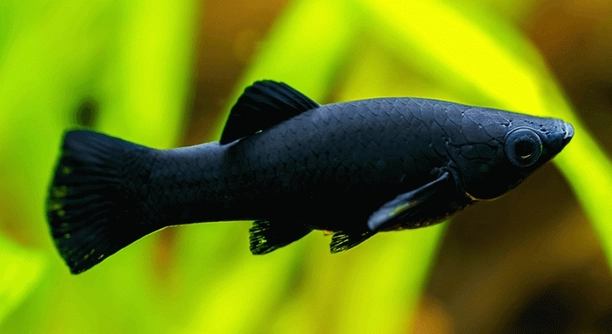
Have you ever noticed black molly fry moving toward the tank walls, their small bodies gliding along the edges in a gentle steady pattern that makes you wonder what guides their quiet behavior each day
Black molly fry swim toward tank walls because these areas offer security, gentle water movement, and predictable light. This instinctive pattern helps young fish reduce stress, maintain orientation, and interact safely with their environment in a consistent way each day.
As you explore their small world, you may notice patterns that reveal how these tiny fish manage their daily environment
Understanding Their Early Instincts
Black molly fry rely on simple instincts that guide how they move during their earliest weeks of life. They stay close to tank walls because these areas offer a stable surface that helps them feel secure as they grow. The edges of the tank create mild water patterns that are easier for their small bodies to manage, giving them a calm place to swim without sudden movement. Remaining near the walls also helps them save energy and avoid open areas that might feel too exposed for their comfort. This behavior reflects their natural need for gentle structure during their early development, especially when they are still building strength and confidence. By understanding these instincts, you can support their growth in a steady and reassuring way that keeps their environment predictable and calm.
These early tendencies shape how they explore their surroundings, giving them a dependable space where they can safely move at their own pace.
Noticing these patterns helps you better understand their behavior and respond in ways that keep them comfortable as they mature.
Environmental Factors That Shape Their Behavior
Young black mollies respond strongly to their surroundings, and shifts in their tank can influence how often they stay near the walls.
Lighting, water movement, and available hiding spaces each play a role in shaping how fry behave inside the tank, especially during their early development. When lighting is soft and steady, fry feel more relaxed, which can slightly reduce their need to linger at the edges. Strong or uneven light may push them toward the walls where shadows create a calmer zone. Water flow also affects them, since gentle currents along the edges are easier for fry to handle. In tanks with stronger central flow, fry will naturally move outward to avoid tiring themselves. Limited hiding spots can increase this behavior as well, since walls act as a substitute source of shelter. By adjusting these factors, you create a space where young fish feel supported, steady, and safe as they continue to grow.
Supporting Healthy Growth
Providing stable conditions helps black molly fry feel secure enough to move more freely instead of clinging to the tank walls. Consistent water quality, soft lighting, and gentle flow encourage them to explore with more confidence as they gain strength each day.
A steady environment gives young mollies the comfort they need to adjust at their own pace. Clean water with balanced parameters supports their developing bodies and reduces stress that often keeps them near the edges. Soft lighting creates a calmer space that feels less overwhelming, and a gentle flow keeps them from tiring too quickly. When these elements work together, fry learn to use more of the tank without feeling pressured. This shift in behavior shows that they trust the stability around them, which is important during their early growth.
Adding small hiding spots also gives them a sense of safety that reduces their dependence on the walls. Even simple decorations or plants can create the shelter they instinctively seek. These areas allow fry to rest without staying pressed against the glass, helping them feel more comfortable in open areas. Over time, this helps them build confidence as they continue to grow and adapt.
Encouraging Confident Swimming
Creating a comfortable space helps fry feel brave enough to leave the tank edges and explore the area around them. Small changes that support their natural behavior can make a noticeable difference in how they move each day.
Offering a balanced mix of plants, quiet zones, and mild circulation gives fry enough structure to feel safe without becoming dependent on the walls. Plants give them cover, while gentle flow prevents loud or unpredictable movement that can push them outward. It helps to keep feeding areas calm and consistent so they associate open spaces with comfort rather than stress. As they grow stronger, they begin to recognize the tank as a secure place rather than a large space with only the edges to rely on. With time, these small adjustments support healthy swimming habits and a more confident way of exploring their surroundings.
Observing Daily Behavior
Watching how fry move throughout the day helps you understand when they feel most at ease. Their habits often shift based on lighting, feeding times, and how calm the tank feels, which can influence how often they stay near the walls.
Small changes in their routine can affect their confidence. When feeding is consistent and the tank remains steady, fry show smoother movement and explore more. If the environment becomes loud or unpredictable, they often return to the edges where they feel more secure.
Adjusting the Tank Layout
A simple layout helps young mollies understand their space without feeling overwhelmed. Leaving a few open areas while still providing plants or small decorations gives them balance. It encourages exploration without forcing them into exposed spaces they may not feel ready to enter. Keeping the layout gentle, stable, and uncluttered supports clear movement patterns and reduces unnecessary stress as they grow.
Noticing Growth Milestones
Their confidence slowly increases as they become stronger swimmers and adjust to their surroundings. Changes in how they use the tank can show you when they feel secure enough to leave the walls more often.
FAQ
Why do black molly fry spend so much time near the tank walls
Black molly fry stay near the walls because it gives them a steady place to orient themselves while they are still learning how to navigate the tank. The edges feel safe and predictable, especially when they are very young and unsure of their surroundings. This simple behavior is tied to their natural instincts, helping them avoid open areas that can feel too large or exposed. As they grow stronger, they begin to move away from the walls and explore more of the tank at their own pace.
Is it normal for fry to avoid the center of the tank
Yes, this is completely normal, especially during their first few weeks. The center of the tank may feel too open, and fry often prefer areas where they experience less flow and fewer sudden changes. Staying close to the walls gives them more control over their movement and reduces stress. With time, they gradually build confidence and begin swimming through the middle sections once they feel secure.
Do tank lights affect where fry choose to swim
Lighting plays a strong role in how comfortable fry feel. Soft lighting helps them relax, while harsh or uneven light can push them toward the edges where shadows make them feel safer. Bright light can be overwhelming for such small fish, especially if it creates sudden changes in brightness. Keeping the lighting gentle and steady helps fry use more of the tank without feeling the need to cling to the walls.
Can strong water flow cause fry to stay near the walls
Yes, fry are easily affected by currents, and strong flow can make them tire quickly. The edges of the tank usually have calmer water, which makes swimming easier for them. If the filter output is too powerful, fry naturally move toward areas with less resistance. Adjusting the flow to a gentler level helps them swim comfortably in other parts of the tank.
Do fry hide near the walls when they feel stressed
Stress can cause fry to stay close to the walls because it gives them a familiar place to settle while they figure out what feels safe. Any change in noise, lighting, water quality, or movement around the tank can make them depend more on the edges. When they feel secure again, they begin to move more freely. Stability plays a big part in how they respond.
What does it mean if fry suddenly stop exploring the tank
Sudden changes in behavior often point to something affecting their comfort. Issues like poor water quality, sudden noise, or temperature shifts can cause fry to return to the walls more often. When this happens, checking the tank conditions helps you find out what may be affecting them. Once things return to normal, fry usually regain their usual movement patterns.
How can feeding habits influence wall-hugging behavior
Fry feel more confident when feeding is predictable. When meals happen at the same times each day, they learn to approach open areas with more comfort. If feeding is inconsistent or too chaotic, they may feel unsure and stay near the edges where they feel safer. Calm, steady feeding routines help them become braver swimmers.
Will adding plants reduce their need to stay near the walls
Plants create gentle hiding spots that help fry feel safe without having to press against the glass. Even small clusters of plants give them places to settle when they feel unsure. This reduces their dependence on the edges and encourages them to explore. Decorations work similarly, offering shelter that supports their natural instincts.
Do fry eventually stop wall-hugging behavior on their own
Most fry naturally grow out of this habit once they feel secure enough to move through open areas. As they become stronger swimmers, their confidence increases and they begin exploring more freely. Consistent tank conditions support this transition and help them adjust comfortably.
What can be done if fry seem too afraid to leave the walls
If they seem hesitant, creating a calm and steady environment helps ease their stress. Gentle flow, soft lighting, and a few quiet hiding spots give them the comfort they need to move gradually into new areas. Small adjustments can make a noticeable difference in how confident they feel as they grow.
Final Thoughts
Caring for black molly fry becomes easier when you understand the small details that shape their behavior. Their tendency to stay near the tank walls is not random or unusual. It is a natural response to their size, sensitivity, and early need for stability. Young fish rely on anything that feels predictable, and the edges of the tank provide a kind of structure that helps them feel safe. As they adjust to their surroundings, they slowly begin to explore more, showing you how their confidence grows in quiet, steady steps. When you keep their environment calm and consistent, you support their natural development in a gentle, dependable way. Watching them progress from cautious to curious can be a rewarding part of raising them, especially when you notice small changes in how they move or where they choose to rest during the day.
Offering a supportive setup is one of the easiest ways to help them become stronger swimmers. Clean water, mild flow, and soft lighting give them room to grow without overwhelming them. Even small changes, like placing a few plants in safe corners or allowing areas with minimal disturbance, can make a noticeable difference in how they behave. These adjustments show them that the tank is not only safe but also comfortable. Over time, they learn that they do not need to depend on the walls for security. They begin entering open areas when they feel ready, taking breaks in sheltered spots when they need a moment to rest. Each of these shifts tells you that their comfort level is improving, and your care is giving them the right conditions to develop at a steady pace.
As they mature, their habits continue to evolve. Some fry may take longer than others to leave the edges, and that is normal. What matters most is that they have predictable surroundings and gentle routines that keep stress low. By watching how they respond to different parts of the tank, you gain a better sense of what helps them feel secure. Their behavior becomes clearer when the environment stays stable, and this understanding makes it easier to support them as they grow. These quiet observations help you provide what they need without guessing or making drastic changes. With patience and awareness, you can guide them toward confident, healthy movement throughout the tank, giving them the chance to thrive as they grow into calm, steady adult fish.

Hello,
If you enjoy the content that we create, please consider saying a "Thank You!" by leaving a tip.
Every little bit helps us continue crafting quality advice that supports the health, happiness, and well-being of pets around the world, for pets of all shapes, sizes, and species.
We really appreciate the kindness and support that you show us!