
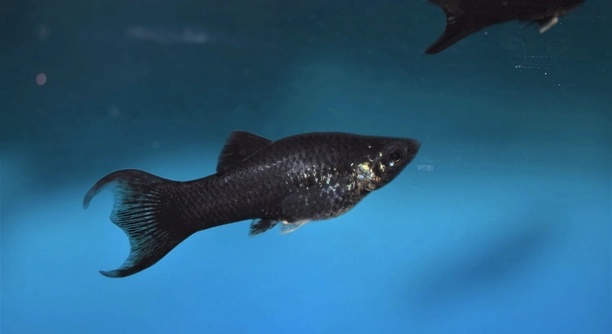
Do you ever find yourself excited to welcome a new Black Molly into your aquarium, only to notice small issues starting to arise? These charming fish bring life to any tank but require careful care.
Many new owners make mistakes such as overfeeding, improper tank size, lack of water testing, inconsistent temperature, ignoring tank mates’ behavior, inadequate filtration, and insufficient hiding spaces. Addressing these factors ensures the health and longevity of Black Mollies.
Understanding these common pitfalls will help you create a balanced environment for your fish. Following simple guidelines can make a significant difference in their daily well-being.
Overfeeding Your Black Molly
Overfeeding is one of the most common mistakes new owners make with Black Mollies. These fish have small stomachs and can easily suffer from digestive issues when given too much food. Feeding twice a day with small portions is sufficient, and any leftover food should be removed to prevent water quality problems. Uneaten food decays quickly and leads to an increase in harmful bacteria and ammonia, which can stress your fish. High-quality flake food or pellets designed for livebearers provides balanced nutrition, while occasional treats like brine shrimp or daphnia can be added sparingly. Observing your fish while they eat helps ensure each one gets enough without overfeeding. Keeping a regular feeding schedule also supports their natural rhythms and reduces stress. Avoid the temptation to give extra food simply because the fish appear hungry.
Monitoring your Black Molly’s weight and belly shape will help prevent overfeeding. Small adjustments maintain a healthy balance in the tank.
Proper feeding habits not only keep your fish healthy but also improve water quality. Over time, disciplined feeding reduces disease risk and helps mollies display their best colors. Fish that are fed correctly grow steadily, remain active, and integrate better with tank mates. Maintaining consistency in both portion size and feeding frequency creates a stable environment, which is crucial for their overall well-being. Avoiding excessive treats prevents bloating and digestive issues, and observing eating behavior ensures all fish get their share. Black Mollies thrive when their diet is balanced, water conditions are clean, and their habitat is carefully maintained.
Ignoring Water Quality
Poor water quality can harm Black Mollies quickly. Neglecting regular testing and water changes can lead to stress and illness.
Maintaining proper pH, temperature, and ammonia levels is crucial. A consistent schedule of partial water changes prevents the buildup of toxins and keeps your fish healthy and active.
Black Mollies are sensitive to fluctuations in their environment. Ammonia, nitrites, and nitrates can rise unnoticed if the tank is overcrowded or the filter is insufficient. Testing water weekly allows you to detect problems early and take corrective action. Temperature swings can also stress fish, so keeping the water between 75 and 82°F is ideal. Adequate filtration removes waste and debris, supporting a balanced ecosystem. Using dechlorinated water during changes protects their delicate gills. Observing fish behavior, like sudden lethargy or gasping, often indicates water quality issues. Establishing a routine for water changes, testing, and maintenance ensures a stable, healthy habitat that promotes natural behavior and reduces disease risk over time.
Overcrowding the Tank
Too many fish in a single tank can stress Black Mollies and reduce oxygen levels. A crowded environment increases aggression, spreads disease faster, and makes maintaining clean water more difficult.
Each Black Molly requires space to swim freely. Overcrowding can lead to stunted growth, weaker immune systems, and frequent fin damage from chasing or nipping. Providing at least one gallon of water per inch of fish helps maintain balance. Proper tank size allows for natural schooling behavior and reduces territorial disputes. Overcrowding also complicates filtration and water maintenance, making the tank more prone to toxic buildup.
Keeping fewer fish per tank not only reduces stress but also makes care more manageable. Plants, decorations, and hiding spaces work best in less crowded setups, giving mollies areas to explore and retreat. Regular monitoring of tank population ensures each fish thrives and maintains a healthy appearance. A well-spaced environment allows active swimming, proper feeding, and overall longevity for Black Mollies.
Ignoring Tank Mates
Choosing incompatible tank mates can cause constant stress for Black Mollies. Aggressive or fin-nipping fish may harm them.
Black Mollies do best with other peaceful species that share similar water preferences. Fish that are too large or aggressive can chase or injure them, leading to stress or infections. Researching compatible species ensures a harmonious environment.
Introducing new fish without observation can disrupt established dynamics. Mollies are social but cautious; sudden changes may cause hiding, refusal to eat, or lethargy. Proper selection of tank mates prevents competition for food and territory, encouraging natural schooling behavior and interaction. Providing plenty of hiding spots and plants reduces conflict and allows shy fish to retreat. Monitoring behavior during introductions helps identify issues before they escalate. A carefully planned community tank promotes health, reduces stress, and allows all species to thrive together.
Neglecting Temperature Control
Black Mollies are sensitive to sudden temperature changes. Water that is too cold or too warm can weaken their immune system and make them prone to disease.
Maintaining a stable temperature between 75 and 82°F is ideal. Using a reliable heater and thermometer helps prevent fluctuations.
Overlooking Filtration
Proper filtration is essential to remove waste, debris, and toxins from the water. A weak or clogged filter can lead to poor water quality. Regular maintenance and choosing a filter suitable for the tank size keep the environment clean and safe for Black Mollies.
Lack of Hiding Spaces
Black Mollies need plants, rocks, or decorations to retreat to. Without hiding spots, they may feel stressed, reducing their activity and increasing susceptibility to illness.
How often should I feed my Black Mollies?
Black Mollies should be fed small portions two times a day. Overfeeding can lead to bloating, poor water quality, and health issues. Offer high-quality flake or pellet food designed for livebearers. Occasional treats like brine shrimp or daphnia can be included, but sparingly. Remove any uneaten food to prevent decay, which can harm water conditions and stress the fish. Observing your Mollies during feeding ensures each fish gets enough without overfeeding.
What is the ideal tank size for Black Mollies?
A minimum of 20 gallons is recommended for a small group of Black Mollies. Each additional fish requires at least one gallon per inch of body length. Proper space reduces aggression, allows natural swimming behavior, and makes it easier to maintain water quality. Overcrowding increases stress, spreads disease faster, and can stunt growth. Including plants and decorations also improves their environment but should not overcrowd the tank. Regular monitoring of population and behavior ensures the fish remain healthy and active.
Can Black Mollies live with other fish?
Yes, but careful selection is crucial. Peaceful species with similar water requirements work best. Avoid aggressive or fin-nipping fish, which can harm Mollies. Introducing new fish slowly and observing interactions helps prevent stress. Providing plenty of hiding spaces and plants reduces conflicts and allows shy fish to retreat. A well-planned community tank encourages natural schooling, reduces stress, and promotes overall health for all species.
How important is water quality for Black Mollies?
Water quality is critical for Black Mollies. Regular testing for ammonia, nitrites, nitrates, and pH ensures a safe environment. Partial water changes of 25% weekly prevent toxin buildup. Maintaining stable temperature and using dechlorinated water protects their gills and overall health. Filtration must be adequate for the tank size to remove waste efficiently. Observing fish behavior, such as lethargy or gasping, can indicate water issues. Consistent maintenance keeps fish active, colorful, and less prone to disease.
Why do my Black Mollies appear stressed?
Stress in Mollies can result from overfeeding, overcrowding, poor water quality, or incompatible tank mates. Stressed fish may hide, refuse food, or display rapid gill movement. Providing proper tank size, stable temperature, hiding spots, and a balanced diet reduces stress. Observing daily behavior allows early identification of problems. Maintaining clean water, consistent feeding, and peaceful companions ensures they remain active and healthy.
How can I encourage breeding in Black Mollies?
Breeding requires healthy, mature fish with a stable environment. Maintain a well-planted tank with clean water and consistent temperature. Provide a high-protein diet and ensure males outnumber females slightly. Black Mollies are livebearers, so females will give birth to free-swimming fry. Adding hiding spots or breeding traps protects fry from adult fish. Regular monitoring ensures both adults and young thrive.
What signs indicate illness in Black Mollies?
Common signs include lethargy, loss of appetite, clamped fins, unusual swimming patterns, or visible spots and discoloration. Stress, poor water quality, or disease can cause these symptoms. Isolating affected fish and checking water parameters helps prevent spread. Treating early with appropriate medication and maintaining clean, stable conditions supports recovery. Regular observation is key to catching illness before it worsens.
Do Black Mollies need special lighting?
Standard aquarium lighting is sufficient. Proper lighting helps plants grow, which benefits water quality and provides hiding spots. Avoid strong, direct light, which can stress fish. A consistent day-night cycle of 10-12 hours supports natural behavior. Lighting also enhances their color, making Mollies more visually vibrant and easier to monitor for health issues.
How often should I clean my tank?
Partial water changes of 25% weekly maintain quality. Filter maintenance should occur monthly or as needed. Avoid complete tank cleaning, which can disrupt beneficial bacteria. Regular cleaning of substrate, decorations, and removing uneaten food helps prevent toxic buildup. Maintaining this routine supports stable water conditions and a healthy environment for Black Mollies.
What do I do if my Black Mollies fight?
Fighting can occur due to overcrowding, incompatible tank mates, or territorial behavior. Ensure proper space, hiding spots, and compatible species. Removing aggressive fish or separating individuals may be necessary. Observing interactions helps identify patterns and prevent injury. A balanced environment reduces stress and encourages peaceful behavior.
Black Mollies are beautiful, active fish that can bring life to any aquarium. Caring for them may seem simple at first, but small mistakes can quickly affect their health and happiness. Overfeeding, overcrowding, poor water quality, and ignoring compatible tank mates are common problems that new owners face. Paying attention to these details ensures a stable environment where Mollies can swim, eat, and interact naturally. Providing proper tank size, adequate filtration, and hiding spaces helps them feel secure and reduces stress. These small adjustments make a significant difference in their overall well-being.
Maintaining clean water is one of the most important aspects of keeping Black Mollies healthy. Regular testing of ammonia, nitrites, nitrates, and pH helps detect potential problems before they become serious. Partial water changes of around 25 percent weekly prevent toxic buildup and maintain a stable environment. A reliable heater and thermometer keep the temperature steady between 75 and 82°F, which Mollies prefer. Filtration should be strong enough for the tank size to remove debris and waste efficiently. Observing fish behavior, such as unusual swimming patterns or hiding, can signal that something is wrong and allows for early intervention. Keeping water conditions consistent is key to avoiding stress and illness in these delicate fish.
Choosing compatible tank mates and feeding the right portions are also essential for a thriving aquarium. Peaceful fish that share similar water requirements allow Black Mollies to interact safely and maintain natural schooling behavior. Overfeeding not only affects fish health but also impacts water quality, so it is important to offer small, measured portions twice a day and remove uneaten food. Providing live or artificial plants, rocks, and decorations gives them places to explore and hide, which reduces tension and supports natural behavior. By focusing on these factors, you can create a balanced environment where your Black Mollies grow strong, display vibrant colors, and remain active. Paying attention to these details ensures that both the fish and the aquarium ecosystem stay healthy, creating a stable, enjoyable, and long-lasting home for your Mollies.

Hello,
If you enjoy the content that we create, please consider saying a "Thank You!" by leaving a tip.
Every little bit helps us continue crafting quality advice that supports the health, happiness, and well-being of pets around the world, for pets of all shapes, sizes, and species.
We really appreciate the kindness and support that you show us!