
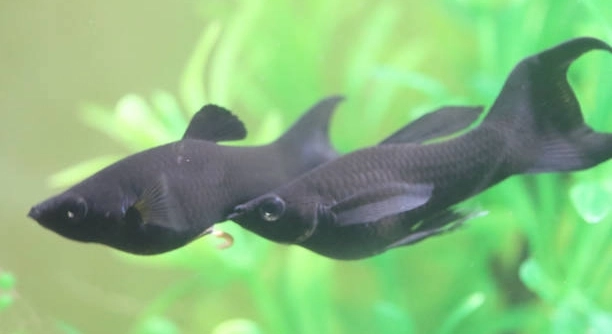
Do you ever find yourself feeding your Black Molly and noticing how scattered they can be during mealtime? Many fish owners wish their Molly would eat in one place without chasing food across the tank constantly.
Black Mollies can be trained to eat from a single spot using consistent feeding routines and positive reinforcement. By offering food at the same location and time daily, fish gradually associate that area with meals, leading to more focused feeding behavior over time.
Understanding these techniques will help maintain a cleaner tank and a calmer environment for your Mollies, making mealtime smoother for both you and your fish.
Preparing the Tank for Focused Feeding
Before training your Black Molly, it is important to create a feeding environment that encourages them to eat in one spot. Remove clutter from the area where you plan to feed, such as decorations or plants that may distract them. Choose a consistent location for meals, preferably near the middle or front of the tank where you can easily observe them. Using a small feeding ring or a floating target can help guide the fish to the correct spot. Make sure the water is clean and parameters are stable, as stressed or uncomfortable fish are less likely to respond to training. Feeding at the same times each day also builds a predictable routine. Over time, the fish will begin associating that area with food, making them more likely to gather there without scattering. Patience and consistency are key throughout this process to see steady improvement.
Creating a calm and consistent feeding space will make training much easier.
The placement of food and maintaining a structured environment reduces stress for the fish and improves their overall behavior. Fish learn through repetition, and by keeping the feeding area predictable, they can focus on the spot where food appears. Over time, this practice strengthens their habit of gathering in one location, which benefits both the fish and the tank’s cleanliness.
Techniques to Encourage Feeding in One Spot
Using positive reinforcement helps your Black Molly understand where to eat.
Start by placing a small amount of food in the designated area, allowing the fish to see it clearly. Gradually increase the amount once they consistently approach the same spot. Using tools like a feeding ring or small dish helps prevent food from drifting, keeping the fish focused. Observe their behavior and remove excess food to avoid mess and maintain water quality. It may take several days or weeks for all fish to adapt fully, but most will learn the routine with patience. Mixing this with regular observation also helps you notice any issues early. Rewarding consistent behavior with regular feedings reinforces the habit, and over time, your Black Mollies will naturally gather at the chosen spot without hesitation. Consistency and careful monitoring are essential throughout this process.
Timing and Consistency
Feeding your Black Molly at the same times each day helps them recognize the routine. Consistent timing builds trust and encourages them to gather at the same spot, making focused feeding easier to achieve.
Consistent schedules teach fish to expect meals in predictable intervals. When you feed at irregular times, the fish may scatter or ignore the designated feeding area. By establishing a clear routine, the Black Mollies learn to anticipate where and when food will appear. This reduces stress and ensures that all fish have an equal chance to eat. Regular timing also helps maintain water quality, as excess uneaten food is minimized. Small adjustments to timing should be gradual to avoid confusion. Over time, the fish will naturally gather at the feeding spot without hesitation. This habit is strengthened through repetition, patience, and careful observation of their behavior.
Keeping a daily routine simplifies feeding for both you and the fish, improving overall tank management and fish health.
Observing and Adjusting Behavior
Not all Black Mollies respond the same way, so monitoring their reactions is essential.
Watch how each fish interacts with the feeding spot and adjust techniques if some are hesitant. Some Mollies may require more time or smaller portions to adapt. If certain fish consistently ignore the designated area, try repositioning the feeding ring or changing food type to increase interest. Overcrowding can also affect behavior, so ensure there is enough space for each fish to access the spot comfortably. Observation allows you to make small changes that support every fish in learning the routine. Patience and attention to detail help reinforce the habit across the entire group, improving the overall feeding experience for your tank.
Adjusting behavior requires trial and observation. Fish may have preferences or personalities that influence how they respond, so flexibility in approach is necessary. Gradual changes, such as moving the feeding area slightly or offering new foods, can help encourage consistent feeding. By tracking which strategies work best for your Black Mollies, you can refine your method and make the process smoother. Consistency, combined with observation and adjustment, ensures that each fish learns to focus on the designated feeding spot, leading to a calmer and cleaner tank environment.
Using Feeding Tools
Feeding rings or small dishes keep food in one spot, preventing it from drifting across the tank. This helps Black Mollies focus on a single area and reduces the mess caused by scattered pellets.
These tools also train the fish to associate a specific location with meals. Consistent use builds routine and improves feeding efficiency, especially in tanks with multiple fish competing for food.
Gradual Training Steps
Start by placing a small portion of food in the feeding spot, letting the fish discover it. Over several days, slowly increase the portion size as they consistently return to the same spot. Repeat the process at the same time daily to reinforce the habit, ensuring that all fish adapt gradually.
Monitoring Water Quality
Keeping the tank clean while training Mollies is crucial. Uneaten food should be removed promptly to prevent water issues.
FAQ
Can all Black Mollies learn to eat from one spot?
Not every Molly will adapt at the same speed. Some are naturally more cautious or shy, so they may take longer to recognize the designated feeding area. Patience is important, and slight adjustments, like using a smaller dish or different food type, can help them focus. Over time, most Mollies will respond to consistent routines and repeated exposure to the same spot.
How long does it take to train them?
Training can vary depending on the number of fish, tank size, and individual personalities. Generally, you can expect noticeable results in about one to three weeks. Daily repetition is key. Fish learn through association, so maintaining a predictable feeding schedule helps them adapt faster. Observing their behavior and making small adjustments ensures all fish get used to the routine.
What type of food works best for focused feeding?
Floating pellets or small flakes are ideal because they stay in one spot longer. Avoid foods that quickly sink or disperse, as this encourages fish to chase food around the tank. You can also use gel or micro pellets designed for slow feeding. Variety is fine, but keeping a consistent type for training helps the Mollies learn the spot faster.
Can overcrowding affect training?
Yes, too many fish in one tank can create competition, making some Mollies hesitant to approach the feeding area. Ensure there is enough space for all fish to access the spot comfortably. If necessary, separate overly dominant individuals during training sessions. Providing multiple feeding rings or slightly increasing the space around the designated spot can reduce stress and improve results.
What if some fish never eat in the spot?
It’s normal for a few Mollies to resist initially. Keep offering food consistently and observe which fish are slower to adapt. Sometimes slight repositioning of the feeding tool or adjusting the type of food can help. Avoid sudden changes that may confuse the fish. Gradual encouragement, combined with patience, usually brings most fish into the routine.
Is it necessary to use feeding rings or dishes?
Not always, but they make training simpler. Feeding rings keep food contained, reduce waste, and provide a clear visual cue for the fish. You can train Mollies without them by carefully dropping food in the same spot consistently, but tools make the process faster and more reliable.
How do I know if my training is working?
Signs include fish gathering at the same spot without chasing food elsewhere, less scattered uneaten food, and calmer behavior during feeding. Over time, fish should approach the designated area confidently. Regular observation helps track progress and allows adjustments to improve the routine.
Can this method work for other fish species?
Yes, similar principles apply to many small community fish that can recognize routines. However, some species are more territorial or easily stressed, so patience and observation are still required. Each species may need slight adjustments in food type or placement.
What common mistakes should I avoid?
Avoid changing the feeding spot frequently, overfeeding, or using food that disperses too quickly. These habits prevent the fish from forming a clear association with the designated spot. Inconsistent timing or sudden movements near the tank during feeding can also discourage them from focusing on the area.
Does this improve tank cleanliness?
Yes, when Mollies eat in one spot, uneaten food is easier to remove, preventing buildup and water quality issues. A cleaner tank reduces stress for the fish and supports overall health, making mealtime more predictable and less chaotic for everyone.
How important is patience in training?
Extremely important. Fish learn through repetition and gradual reinforcement. Rushing the process or expecting immediate results often leads to frustration for both the fish and the owner. Consistency, calm observation, and gentle adjustments yield the best long-term results.
Can I train Black Mollies if I have other fish in the tank?
Yes, but it may take longer. Other species may compete for food or distract the Mollies. Using multiple feeding spots or slightly staggering feedings can help Mollies focus on their designated area without stress. Observation is key to ensure all fish adapt properly.
Is it necessary to adjust water conditions during training?
Stable water conditions are more important than adjustments for training. Fish under stress or in poor water conditions are less likely to respond to routines. Maintain regular water changes, proper filtration, and consistent temperature to create an environment conducive to learning.
Can treats be used during training?
Yes, occasional treats like bloodworms or brine shrimp can help reinforce the feeding spot. Offer them in small amounts and only at the designated location. This encourages the fish to associate special food with the target area and strengthens the habit over time.
Will training affect feeding behavior long-term?
Yes, once Mollies learn to eat from one spot, it usually becomes a lasting habit. Maintaining consistency ensures they continue returning to the same area. Over time, this makes feeding more predictable, reduces stress, and improves the overall health and cleanliness of the tank.
Training Black Mollies to eat from one spot can seem challenging at first, but with patience and consistency, it becomes a manageable process. Setting up a clear and predictable feeding area is the first step. Using tools like feeding rings or small dishes helps guide the fish and keeps food contained. Floating pellets or small flakes work best because they stay in one spot longer, making it easier for the fish to focus. Removing distractions from the feeding area, such as excessive plants or decorations, also encourages them to gather where you want. Feeding at the same time every day builds a routine that the fish can recognize. Over time, the Mollies begin to associate the spot with food and naturally return to it during each meal.
Observation is key during training. Not all Black Mollies respond at the same pace, and some may require more encouragement than others. Watching how each fish interacts with the feeding spot allows you to adjust your approach as needed. If certain fish are hesitant, offering smaller portions or slightly changing the position of the feeding tool can make a difference. Avoid overfeeding or letting food scatter too much, as this can distract the fish and slow down the process. Patience is essential because habits take time to form. Consistency in timing, portion size, and placement reinforces the behavior and helps all fish adapt gradually. By monitoring their reactions carefully, you can ensure that each Molly has a chance to learn without creating stress or competition among the group.
Focusing on feeding in one spot also benefits the overall tank environment. When the fish eat in a single location, it reduces leftover food that can decay and affect water quality. A cleaner tank is healthier for the Mollies and makes maintenance easier for you. Over time, the training results in calmer fish that approach meals predictably, which can reduce chasing or aggressive behavior during feeding. The process strengthens the connection between routine and reward, teaching the fish that the designated spot is the place for food. With consistent effort and careful observation, training Black Mollies to eat in one spot becomes a reliable and effective way to improve feeding habits, maintain a cleaner tank, and create a smoother experience for both the fish and the owner.

Hello,
If you enjoy the content that we create, please consider saying a "Thank You!" by leaving a tip.
Every little bit helps us continue crafting quality advice that supports the health, happiness, and well-being of pets around the world, for pets of all shapes, sizes, and species.
We really appreciate the kindness and support that you show us!