
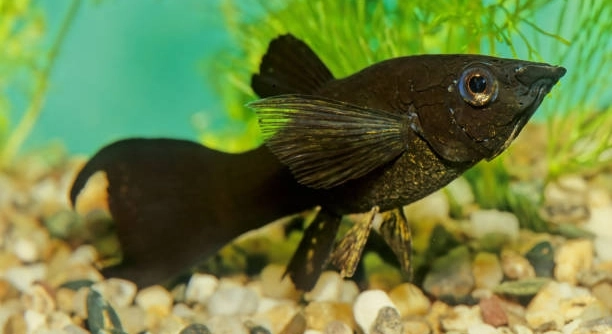
Black Molly fish are lively and social, often exploring every corner of their tank. Many owners notice a particular behavior where these fish seem to prefer sticking close to the tank divider, which can be puzzling at first.
Black Molly fry tend to stay near the tank divider primarily for safety and environmental comfort. The divider offers shelter from larger tank mates, reduces stress, and provides a consistent area for hiding, which is essential during early development stages.
Observing this behavior more closely can reveal insights into their growth patterns and interactions with other tank inhabitants.
Understanding Fry Behavior
Black Molly fry are naturally cautious, especially in a tank with adult fish. The divider gives them a secure space where they can swim without worrying about larger tank mates. In these early stages, safety is critical. Fry have underdeveloped fins and bodies, making them slower and more vulnerable. By staying near the divider, they reduce their risk of injury and stress. This behavior is common in most livebearer species. They also use the divider area to explore slowly and build confidence. Observing how often they cling to this section can help owners understand their comfort levels. Fry also tend to group together near dividers, which gives them extra protection. Providing small plants or hiding spots near the divider can make them feel even safer. Over time, as they grow and gain strength, they will start venturing further into the tank.
Keeping fry near the divider reduces stress and supports healthier growth during their early weeks of life.
Providing a stable environment near the divider helps fry develop natural swimming skills and encourages gradual exploration without sudden threats.
Tank Setup Tips
Keeping the tank divider clean is essential to maintain water quality.
A well-planned tank setup for Black Molly fry requires attention to detail. The divider should allow water to flow freely so the fry do not feel stagnant. Including fine-leaved plants or small decorations near the divider gives additional hiding spaces and makes the fry feel secure. Avoid overcrowding the tank, as too many fish can increase stress and reduce growth rates. Temperature and pH levels must remain consistent; sudden changes can push fry to cling even more tightly to the divider. Feeding is also important—small, frequent meals of finely crushed flakes or specialized fry food encourage healthy development and reduce the risk of competition. Monitoring the tank daily allows you to notice if fry are venturing out or remaining unusually close to the divider. Adjusting decorations, flow, or food can help them become more confident over time, ensuring they grow into healthy adult Black Mollies without excessive stress.
Feeding and Nutrition
Fry need frequent, small meals to grow properly. Tiny flakes or specialized fry food work best to ensure they get enough nutrients without overfeeding.
Providing a balanced diet is critical for Black Molly fry development. They require protein for growth and energy. Overfeeding can pollute the water, while underfeeding slows growth and weakens their immune system. Observing how quickly they eat helps determine the right portion size. Some owners use powdered food or finely crushed flakes, which are easier for fry to consume. Rotating food types occasionally ensures a more complete nutrient intake and supports overall health. Feeding near the divider allows shy fry to eat safely without competition from adults, helping them grow steadily and develop strong swimming skills as they gain confidence.
Fresh foods like baby brine shrimp or finely chopped vegetables complement dry flakes. These options provide natural nutrients, encourage natural foraging behavior, and support healthy coloration and energy levels. Consistent feeding schedules also reduce stress and help fry establish routines within the tank.
Water Conditions
Maintaining stable water conditions is key for fry survival. Sudden changes in temperature or pH stress the fry and increase mortality.
Regular monitoring of temperature, pH, and ammonia levels ensures a safe environment. Black Molly fry are sensitive to fluctuations, so keeping conditions stable supports growth and activity. Using a gentle filter near the divider helps maintain water clarity without creating strong currents that can overwhelm fry. Partial water changes remove excess waste and prevent toxins from building up. Avoiding harsh chemicals and keeping the tank lightly decorated reduces stress. Observing fry behavior daily allows owners to identify early signs of discomfort or illness. Stable water conditions encourage natural swimming patterns, reduce hiding time, and help fry gradually explore more of the tank, supporting their overall development and well-being.
Social Interaction
Fry often stay near the divider to observe older fish safely. This area allows them to interact without risk of aggression.
Grouping near the divider also helps fry build social awareness. They learn swimming patterns and responses by watching other tank mates, which improves confidence over time.
Hiding Spaces
Adding plants or small decorations near the divider gives fry extra shelter. These hiding spots reduce stress and encourage healthy development.
Gradual Exploration
As fry grow stronger, they begin venturing away from the divider. This process helps them develop independence and swimming skills.
Monitoring Growth
Keeping track of fry size and activity ensures they are thriving. Regular observation highlights any potential health issues early.
FAQ
Why do Black Molly fry stick to the tank divider?
Black Molly fry stick close to the tank divider because it offers safety and a sense of security. Young fry are small and slower than adult fish, making them vulnerable to accidental nips or stress from faster, larger tank mates. The divider provides a consistent boundary where they can explore and feed without fear. It also reduces exposure to strong water currents, which can tire them quickly. Many fry instinctively seek enclosed spaces to hide, and the divider naturally meets this need. Observing them here can help owners understand comfort levels and overall health.
Is it normal for fry to stay in one spot for long periods?
Yes, it is normal. Fry often conserve energy and reduce stress by staying near secure areas. While they may appear inactive, they are observing surroundings, learning swimming patterns, and adjusting to tank conditions. Over time, as confidence and strength grow, they gradually explore more of the tank.
Should I separate fry from adult Black Mollies?
Separating fry is recommended if adult fish show aggressive behavior or compete for food. A tank divider or breeding box allows fry to feed safely while avoiding accidental harm. This separation also supports stable water conditions for young fish, reducing the risk of stress-related health issues.
How often should fry be fed?
Fry require frequent, small meals to grow healthily. Feeding two to four times daily with finely crushed flakes or specialized fry food ensures proper nutrition without polluting the water. Observing how much they eat each session helps adjust portions. Rotating food types, including baby brine shrimp or powdered flakes, can provide additional nutrients and encourage natural foraging.
What water conditions are best for fry?
Stable water conditions are critical. Black Molly fry thrive in slightly alkaline water, moderate temperature, and low ammonia levels. Sudden fluctuations in temperature or pH stress fry and slow growth. Using a gentle filter near the divider maintains water clarity without creating strong currents. Partial water changes help remove waste and toxins, keeping the environment safe. Daily observation ensures early detection of issues.
Can fry survive without hiding spots?
Fry can survive without extra hiding spots, but stress levels may increase. Plants or small decorations near the divider give additional shelter, reducing anxiety and encouraging natural behavior. Fry with safe hiding areas tend to grow faster, explore more confidently, and develop stronger swimming skills.
How long do fry typically stay near the divider?
The duration varies depending on the individual fish and tank conditions. Some fry venture out within days, while others take weeks to feel safe exploring. Factors like tank size, water quality, and presence of adult fish influence how quickly fry gain confidence. Gradual exposure and a stable environment support natural exploration.
Can I encourage fry to leave the divider?
Yes, gradual encouragement works best. Adding floating plants or arranging decorations to create new sheltered areas can entice fry to explore. Ensuring gentle water flow and evenly distributed food reduces fear. Avoid sudden changes, as this may increase hiding behavior instead of promoting exploration.
What signs indicate fry are stressed?
Signs of stress include clinging tightly to the divider, hiding excessively, rapid gill movement, or reduced feeding. Poor water quality, overcrowding, or aggressive tank mates often cause stress. Observing fry behavior daily helps detect problems early, allowing adjustments to environment, feeding, or tank setup.
When can fry be considered independent from the divider?
Fry are usually independent when they confidently swim across the tank, explore open areas, and feed without hesitation. Independence typically develops over several weeks, depending on growth rates, tank conditions, and social interactions with other fish. Ensuring stable conditions supports this transition effectively.
How important is observation for fry care?
Observation is key to fry care. Daily monitoring helps detect abnormal behavior, feeding issues, or early signs of illness. Recording growth, activity, and interactions ensures fry are developing normally. Small adjustments based on observations, such as rearranging plants or modifying feeding routines, can significantly improve survival and overall health.
What should I do if fry seem weak or inactive?
Check water quality, temperature, and food availability first. Weak or inactive fry often indicate stress, poor nutrition, or illness. Correcting environmental factors, providing adequate nutrition, and isolating affected fry if necessary can improve survival rates. Early intervention is critical for maintaining healthy fry development.
Are all fry likely to stick to the divider equally?
No, individual behavior varies. Some fry are naturally more cautious and cling to the divider longer, while others are bolder and explore sooner. Personality, size, and early experiences influence these differences. Providing a safe and consistent environment allows all fry to develop at their own pace.
Can divider behavior affect long-term growth?
Yes, safe areas like dividers support growth by reducing stress and allowing fry to feed without competition. Stressful conditions or lack of hiding spots can stunt growth. Observing divider use can guide tank modifications that promote healthier development and stronger adult fish.
How do I balance fry safety with tank space?
Dividers allow fry to stay safe while still enjoying part of the main tank. Adding plants and decorations near the divider creates natural barriers without overcrowding. Regular observation ensures fry have enough space to swim and grow without risking injury from larger tank mates.
What is the best way to gradually remove a divider?
Start by slowly opening spaces in the divider or removing small sections while maintaining shelter near the edges. Continue monitoring fry behavior to ensure they adapt without stress. Gradual exposure encourages exploration and independence while minimizing the risk of panic or injury.
How long should fry feeding sessions last?
Feeding sessions should be brief, typically a few minutes, to allow fry to eat without excess food lingering. Uneaten food pollutes water and stresses fry. Frequent, short feedings throughout the day provide balanced nutrition and support steady growth.
Can fry learn from adult fish while near the divider?
Yes, they can observe adult behavior safely. Watching older fish helps fry learn swimming patterns, responses to threats, and feeding strategies. The divider ensures this learning occurs without direct risk, supporting confidence and social development.
How do I know the fry are healthy?
Healthy fry are active, eat well, and grow steadily. They respond to environmental changes and interact with other fry without excessive hiding. Clear eyes, proper coloration, and smooth swimming indicate good health. Regular observation confirms developmental milestones are being met.
What adjustments help fry thrive in community tanks?
Providing a divider, stable water, frequent feeding, and hiding spots ensures fry safety. Monitoring adult fish behavior prevents aggression, while gentle filtration and partial water changes maintain quality. Small environmental adjustments encourage exploration without increasing stress, promoting growth and social confidence over time.
Final Thoughts
Black Molly fry sticking to the tank divider is a natural and common behavior. The divider provides a sense of security that is crucial during their early development. Young fry are small, vulnerable, and slower than adult fish, which makes them more susceptible to accidental nips or stress from other tank mates. The divider creates a consistent boundary where fry can rest, feed, and observe their surroundings without feeling threatened. It also reduces the impact of water currents, which can tire them quickly. Observing fry behavior near the divider can give important insights into their comfort levels and overall health. Providing additional hiding spots, such as plants or small decorations near the divider, further supports a safe environment. Over time, as fry gain confidence and strength, they gradually explore other parts of the tank.
Nutrition plays a key role in how quickly fry leave the divider. Frequent, small meals of finely crushed flakes, powdered food, or baby brine shrimp ensure proper growth without polluting the water. Fry that are well-fed and have access to a balanced diet are more likely to explore safely beyond the divider. Feeding near the divider allows shy fry to eat without competition from adult fish, giving them the energy needed for development. Observing eating habits helps owners adjust portion sizes and ensure every fry receives proper nutrition. Alongside feeding, stable water conditions are essential. Fry are sensitive to changes in temperature, pH, and ammonia levels. Gentle filtration, partial water changes, and avoiding strong currents near the divider maintain a safe environment. Healthy water conditions reduce stress, encourage natural swimming patterns, and help fry gradually venture away from the divider.
Social interaction and observation are also important factors. Fry use the divider as a place to watch adult fish and learn swimming and feeding behaviors without risk. Grouping near the divider provides safety in numbers and helps fry develop social awareness. As they grow and gain confidence, they begin exploring open areas, testing boundaries, and establishing independence. Daily observation of growth, activity, and feeding helps detect any health or behavioral issues early. Adjusting the tank setup, such as rearranging plants or managing food distribution, can support a smoother transition from the divider to more active swimming throughout the tank. Understanding this behavior and providing proper care ensures fry develop strong swimming skills, grow healthily, and gradually become independent, confident Black Molly fish. This thoughtful approach fosters a stable, thriving environment for the entire tank.

Hello,
If you enjoy the content that we create, please consider saying a "Thank You!" by leaving a tip.
Every little bit helps us continue crafting quality advice that supports the health, happiness, and well-being of pets around the world, for pets of all shapes, sizes, and species.
We really appreciate the kindness and support that you show us!