
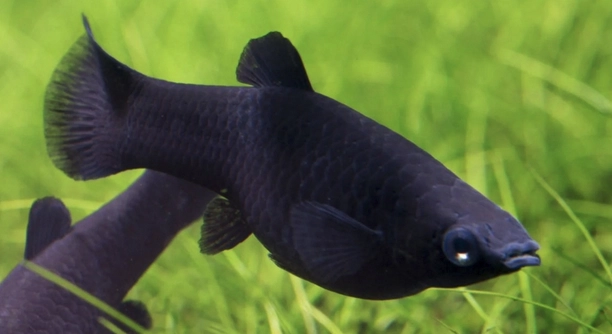
Black Mollies are popular freshwater fish that add charm to home aquariums. Sometimes, they start floating sideways, which can worry owners. Understanding why this happens can help you take proper care of your fish and maintain a healthy tank environment.
Black Mollies float sideways mainly due to swim bladder issues, poor water quality, or dietary problems. Swim bladder disorders affect buoyancy, causing tilting. Stress, infections, or sudden environmental changes also contribute. Correcting these factors restores normal swimming behavior.
Knowing the causes and solutions for sideways floating will help you keep your Black Mollies healthy and comfortable in their tank. Proper care ensures they thrive and display their natural, active behavior.
Poor Water Quality
Dirty or unbalanced water is one of the main reasons Black Mollies start floating sideways. Ammonia, nitrite, and nitrate levels can rise quickly if the tank is not cleaned regularly. Sudden changes in pH or temperature can also stress your fish, affecting their swim bladder. Black Mollies are sensitive to their environment, and even minor fluctuations can impact their health. Regular water testing and partial water changes are essential to keep your tank stable. Overcrowding makes water quality worse and increases stress, which can lead to abnormal swimming. Keeping filters clean and maintaining a consistent routine will support your fish’s health. A healthy tank prevents illnesses that might otherwise cause buoyancy problems. Observing your fish daily helps catch issues early before they escalate. Small adjustments can make a big difference in restoring normal swimming behavior.
Maintaining clean, stable water prevents many swim bladder and stress-related problems in Black Mollies. Regular monitoring is key.
Consistently checking water parameters is a simple habit that saves a lot of trouble. Using a reliable test kit allows you to measure ammonia, nitrite, nitrate, and pH accurately. Partial water changes of about 25 percent weekly can keep conditions stable. Avoid overfeeding, as leftover food pollutes water and contributes to toxin buildup. Filters should be rinsed in tank water to avoid killing beneficial bacteria. Keep the tank uncrowded to reduce stress and aggression among fish. If you notice cloudy water or strong odors, act immediately with water changes and filtration checks. Small steps like these maintain a safe and comfortable environment, helping your Black Mollies swim normally and remain active.
Swim Bladder Disorders
Swim bladder problems often cause sideways floating.
Swim bladder issues can arise from overfeeding, constipation, or infections. The organ controls buoyancy, and any problem makes swimming difficult. Treating dietary and health issues usually resolves the condition.
Overfeeding is a common trigger for swim bladder problems. Feeding high-protein foods or too much food at once can cause constipation, which presses against the swim bladder. Some infections, like bacterial or parasitic diseases, can also damage the organ. Temperature fluctuations and sudden stress may worsen the condition. To help your Black Molly, adjust feeding habits and offer vegetables like peas to ease constipation. If the fish continues floating sideways, a veterinary-recommended treatment may be necessary. Monitoring water temperature and keeping a calm environment reduces stress on the swim bladder. Observing behavior daily ensures you notice early signs of trouble. A combination of proper diet, stable water conditions, and attentive care usually restores normal swimming over time. Regular tank maintenance supports long-term health and prevents recurrence.
Overfeeding
Overfeeding can make Black Mollies float sideways. Uneaten food pollutes the water and can lead to constipation, which presses on the swim bladder. Feeding smaller amounts and removing leftovers helps prevent these problems and keeps your fish healthy.
Overfeeding is more common than many realize. Black Mollies have small stomachs, and giving them too much food at once often causes digestive issues. Uneaten food decomposes quickly, raising ammonia levels that stress your fish. This combination of stress and constipation can lead to swim bladder disorders, making them tilt or float sideways. Offering smaller, controlled portions once or twice a day and including vegetables like peas can reduce these risks.
Consistent feeding habits improve water quality and reduce swim bladder stress. Monitoring how much your fish eat and adjusting portions based on activity and appetite ensures proper digestion and buoyancy. A steady feeding routine keeps Black Mollies active and prevents long-term health problems.
Stress and Sudden Changes
Stress can trigger sideways floating in Black Mollies. Loud noises, sudden movements, or frequent tank rearrangements make them uneasy, affecting their balance and swimming patterns.
Black Mollies are sensitive to changes in their environment. Rapid temperature shifts, moving the tank, or adding aggressive tankmates can stress them out. Stress impacts their immune system, making them more prone to infections and swim bladder problems. Creating a calm environment with stable water conditions and minimal disturbances is essential. Regular routines, gentle handling, and keeping compatible tankmates reduce stress.
Minimizing stress ensures Black Mollies maintain normal swimming behavior. Gradual adjustments to the tank, careful monitoring of new additions, and steady care prevent recurring buoyancy issues. A peaceful environment supports overall health and keeps your fish comfortable and active in the tank.
Temperature Fluctuations
Sudden changes in water temperature can cause Black Mollies to float sideways. Cold or overly warm water stresses their bodies, affecting swim bladder function. Maintaining a consistent temperature helps prevent buoyancy problems and keeps them active and comfortable.
Use a reliable aquarium heater and thermometer to keep water stable. Avoid placing the tank near windows or vents that cause sudden temperature shifts. Gradual adjustments are safer if changes are necessary.
Bacterial or Parasitic Infections
Infections can damage the swim bladder or affect internal organs, leading to sideways floating. Poor water quality and stress increase susceptibility. Treating infections early with medication and maintaining clean water helps restore normal swimming and overall health.
Poor Diet
A diet lacking variety or essential nutrients can contribute to swim bladder problems. Providing a balanced diet with proper protein, vegetables, and occasional supplements supports digestion, buoyancy, and general health, reducing sideways floating and promoting active swimming.
Why is my Black Molly floating sideways after feeding?
Black Mollies often float sideways after eating because of overfeeding or constipation. Their small stomachs can only handle a limited amount of food at a time. Uneaten food can also pollute the water, leading to stress and swim bladder issues. Feeding smaller portions and offering vegetables like peas can improve digestion and reduce sideways floating.
Can poor water quality cause sideways floating?
Yes, poor water quality is a major factor. High ammonia, nitrite, or nitrate levels irritate fish and affect buoyancy. Sudden pH or temperature changes can stress Black Mollies, causing abnormal swimming. Regular water testing, partial water changes, and proper filtration are essential to maintain stable, safe conditions for your fish.
How can I treat swim bladder disorders in Black Mollies?
Swim bladder disorders are often linked to overfeeding, constipation, or infections. To treat mild cases, fast your fish for a day or two and offer cooked, peeled peas to ease digestion. Severe cases may require veterinary-approved medication. Maintaining clean water, proper diet, and reducing stress helps prevent recurrence.
Could stress be making my Black Molly float sideways?
Stress plays a significant role. Loud noises, rapid tank movements, aggressive tankmates, or sudden environmental changes disrupt their equilibrium. Stress weakens their immune system, increasing vulnerability to infections and swim bladder issues. Creating a calm, stable environment with compatible tankmates helps reduce stress and restore normal swimming.
Is temperature important for buoyancy?
Yes. Rapid temperature changes can interfere with their swim bladder and overall health. Black Mollies thrive in stable water, typically around 75–82°F. Using a reliable heater, thermometer, and avoiding direct sunlight or vents prevents sudden fluctuations, ensuring consistent swimming and reduced sideways floating.
Can diet alone prevent sideways floating?
A proper diet significantly reduces risk. Black Mollies need a mix of protein, vegetables, and occasional supplements. Overfeeding or feeding low-quality food can cause constipation and buoyancy issues. Offering small portions and occasional vegetables maintains digestion and swim bladder function, keeping them active and balanced in the tank.
When should I consider medication?
Medication is necessary if swim bladder issues persist after adjusting diet, water quality, and stress. Bacterial or parasitic infections can damage the swim bladder and organs. Use treatments recommended for freshwater fish, following instructions carefully. Early intervention improves recovery chances and prevents long-term health problems.
How can I monitor recovery?
Observe daily behavior. Active swimming, normal posture, and regular feeding indicate recovery. Monitor water parameters and avoid sudden changes. Gradual improvement is normal, and patience is important. If floating sideways continues beyond a week, consider consulting a fish specialist to rule out infections or organ damage.
Are all sideways floating cases caused by disease?
Not always. Many cases result from diet, stress, or water issues rather than infection. Swim bladder problems can also be temporary, caused by overfeeding or constipation. Proper care, consistent feeding, and a stable environment often resolve the problem without medical intervention.
Can preventive measures stop sideways floating?
Yes. Regular water changes, monitoring tank conditions, balanced diet, and minimizing stress prevent most causes of sideways floating. Maintaining a stable, clean environment ensures your Black Mollies remain healthy, active, and free from buoyancy problems over time.
This FAQ covers the main reasons for sideways floating, how to treat it, and steps to prevent future issues, helping keep your Black Mollies healthy and balanced.
Black Mollies are lively, beautiful fish, and seeing them float sideways can be concerning. Many owners experience this at some point, and it often points to issues with diet, water quality, stress, or swim bladder problems. Understanding the reasons behind sideways floating is the first step toward helping your fish return to normal swimming. Small adjustments in care can make a big difference in their comfort and overall health. By observing behavior and maintaining consistent tank conditions, you can prevent minor issues from becoming serious problems, ensuring your Black Mollies remain active and happy.
Diet plays a key role in preventing swim bladder problems. Overfeeding or giving food that is hard to digest often leads to constipation, which affects buoyancy. Offering smaller portions and including vegetables like peas helps digestion and keeps them from floating sideways. It’s also important to provide a balanced diet that meets their nutritional needs. Alongside feeding, maintaining clean water and stable conditions supports their internal health. Even minor fluctuations in temperature, pH, or water quality can cause stress and contribute to swim bladder issues. Careful monitoring and routine maintenance reduce these risks, helping your Black Mollies swim normally.
Stress is another important factor to consider. Loud noises, sudden movements, or aggressive tankmates can make Black Mollies uneasy, affecting how they swim. A calm environment with compatible tankmates and minimal disruptions helps them feel safe and balanced. Regularly checking water parameters, keeping a consistent feeding schedule, and avoiding sudden changes also reduces stress levels. If infections or swim bladder disorders do occur, prompt treatment combined with proper care often restores normal behavior. Overall, focusing on diet, water quality, and stress management creates a healthy environment that prevents sideways floating. With consistent attention, Black Mollies can thrive, swim actively, and display their natural behavior for years.

Hello,
If you enjoy the content that we create, please consider saying a "Thank You!" by leaving a tip.
Every little bit helps us continue crafting quality advice that supports the health, happiness, and well-being of pets around the world, for pets of all shapes, sizes, and species.
We really appreciate the kindness and support that you show us!