
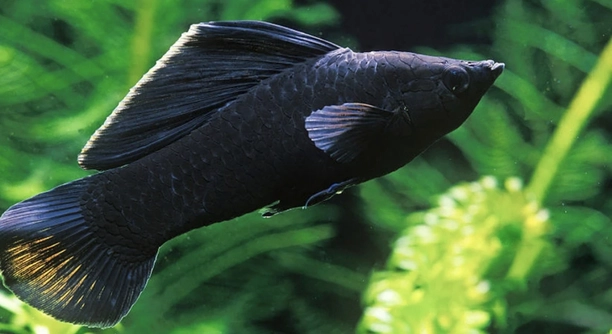
Uneven swimming in Black Molly fry is a concern for many aquarium enthusiasts. These tiny fish can struggle to maintain balance, making feeding and general activity more challenging for both the fry and their caretakers.
Uneven swimming in Black Molly fry is primarily caused by physical deformities, swim bladder disorders, water quality issues, genetic factors, improper nutrition, stress, and environmental inconsistencies. Each factor can significantly impact the fry’s buoyancy and overall movement patterns.
Identifying the causes of irregular swimming can improve care strategies and support healthier development for your Black Molly fry. Understanding these factors ensures a stable and thriving aquarium environment.
Physical Deformities
Black Molly fry can sometimes be born with physical deformities that affect their swimming. Bent spines, curled tails, or uneven fins make it hard for them to move in a straight line. These deformities often result from poor breeding practices or genetic issues. Fry with visible deformities may struggle to compete for food and avoid obstacles in the tank. Regular observation can help identify affected fry early. While minor deformities may not be fatal, they can still reduce the fry’s ability to thrive and grow normally. Adjusting tank conditions and feeding practices can sometimes help them cope.
Even small deformities can lead to uneven swimming and hinder the fry’s overall growth and survival in the aquarium.
Careful selection of breeding stock and maintaining a healthy tank environment can reduce the incidence of physical deformities. Monitoring the fry closely and providing gentle water flow will help them adapt better and swim with less strain, supporting healthier development over time.
Swim Bladder Disorders
Swim bladder disorders are a common reason fry struggle to swim properly.
These disorders occur when the swim bladder, which helps fish maintain buoyancy, is damaged or improperly formed. Affected fry may float at the surface, sink to the bottom, or tilt to one side while swimming. Overfeeding, sudden temperature changes, or bacterial infections can worsen swim bladder issues. Treating these disorders often involves adjusting diet, providing live or soft foods, and ensuring water conditions remain stable. Observing fry for signs of distress and isolating severely affected individuals can prevent further complications. Maintaining a consistent feeding schedule and avoiding overfeeding helps prevent future problems. Proper water temperature and regular tank maintenance reduce stress on fry, which supports swim bladder health. Early intervention improves chances of recovery and allows fry to develop more natural swimming patterns over time. Consistency in care and careful observation are key to minimizing the impact of swim bladder disorders.
Water Quality Issues
Poor water quality directly affects Black Molly fry swimming. High ammonia, nitrite, or nitrate levels can weaken them and cause disorientation. Fry are sensitive to sudden changes in pH or temperature, which can result in erratic movement. Regular testing is essential.
Maintaining stable water conditions is crucial for healthy fry development. Frequent partial water changes, proper filtration, and monitoring chemical levels prevent stress and reduce the risk of disease. Sudden shifts in water temperature or pH can temporarily impair swimming, while long-term exposure to poor water quality can cause lasting health problems. Keeping the tank clean and balanced allows fry to swim naturally and feed effectively, supporting overall growth and survival.
Proper water care also includes removing uneaten food and debris. Overcrowded tanks increase waste buildup and can stress fry, making swimming uneven. Using gentle filtration and avoiding strong currents ensures fry are not forced into awkward positions, giving them a better chance to develop normal buoyancy and coordination over time.
Genetic Factors
Genetics influence how Black Molly fry swim and grow. Some fry inherit weak fins or body structures that make swimming difficult.
Selective breeding reduces the chances of severe swimming issues caused by inherited traits. Fry with strong, symmetrical bodies are more likely to move efficiently, while fry from poorly matched parents may struggle. Observing breeding pairs for physical health and consistent body structure helps improve the overall quality of fry in future generations.
Genetic variation also affects growth rates and muscle strength. Fry with weaker genetics may tire quickly, leading to uneven swimming patterns. Providing proper nutrition and stable water conditions can mitigate some genetic limitations, but cannot fully correct inherited deformities. Monitoring development and separating fry that are severely affected allows healthier individuals to thrive, while also informing future breeding decisions to minimize recurring problems in subsequent batches of fry.
Improper Nutrition
Insufficient or unbalanced nutrition can affect fry swimming. Lack of essential vitamins and proteins weakens muscles, making movement erratic.
Overfeeding can also cause digestive issues, which may impact buoyancy and coordination. Feeding small, frequent portions helps fry maintain energy and proper development.
Stress
Stress from overcrowding, aggressive tank mates, or sudden environmental changes can disrupt swimming patterns. Fry may dart or float unusually when stressed, affecting feeding and growth.
Managing stress involves maintaining a calm environment, limiting sudden disturbances, and keeping appropriate fry numbers per tank. Consistent care and gentle handling reduce stress, allowing fry to swim more steadily.
Environmental Inconsistencies
Uneven swimming can result from inconsistent tank conditions. Fluctuations in temperature, light, or water flow create challenges for fry movement. Fry adjust poorly to sudden changes, leading to erratic swimming and slower growth. Maintaining stable conditions supports their coordination and overall health.
FAQ
What is the most common reason Black Molly fry swim unevenly?
The most common reason is swim bladder issues. Fry with swim bladder disorders have trouble controlling their buoyancy, which makes them float, sink, or tilt while swimming. This can be caused by overfeeding, bacterial infections, or sudden water changes, and it affects their ability to feed and develop properly.
How can I tell if my fry have a swim bladder problem?
Signs include floating at the surface, sinking to the bottom, tilting sideways, or swimming in circles. Fry may also struggle to reach food or appear weaker than healthy fry. Observing their behavior consistently helps identify problems early.
Can water quality affect fry swimming?
Yes, poor water quality is a major factor. High ammonia, nitrite, or nitrate levels can stress fry and impair their movement. Sudden pH or temperature changes also cause swimming problems. Regular water testing and partial water changes help maintain stable conditions.
Does genetics play a role in swimming issues?
Genetics can influence fin strength, body structure, and overall muscle development. Fry from weak or inconsistent breeding lines are more likely to swim unevenly. Selective breeding with healthy adults reduces the likelihood of inherited swimming problems.
What type of diet supports proper swimming?
A balanced diet with protein, vitamins, and minerals strengthens muscles and supports swim bladder health. Feeding small, frequent portions of high-quality fry food, live foods, or finely crushed flakes helps fry maintain energy and proper buoyancy.
Can stress cause uneven swimming?
Stress from overcrowding, aggressive tank mates, or sudden environmental changes disrupts fry swimming. Stressed fry may dart unpredictably or float awkwardly. Maintaining a calm environment, stable tank conditions, and proper population density reduces stress and supports natural movement.
Are physical deformities reversible?
Severe physical deformities cannot be reversed, but minor issues can sometimes be managed. Adjusting water flow, ensuring gentle handling, and providing proper nutrition can help fry compensate for structural problems and improve overall swimming ability.
How can I prevent swimming issues in future batches?
Maintaining high water quality, feeding balanced diets, and selecting strong breeding stock are key steps. Regular observation of fry and early intervention for swim bladder or stress issues reduce long-term swimming problems. Stable environments and careful tank management make a big difference.
Should I isolate fry with swimming problems?
Isolating severely affected fry can prevent bullying, stress, and competition for food. Providing a separate tank or a gentle-flow area allows them to feed and grow with less strain, increasing their chances of survival and development.
Can water temperature changes impact swimming?
Yes, even minor fluctuations in temperature can confuse fry and cause erratic swimming. Keeping the tank at a stable temperature appropriate for Black Molly fry ensures steady buoyancy and proper growth. Gradual adjustments are safer than sudden changes.
How long does it take for fry to swim normally after issues?
Recovery time depends on the cause. Fry with minor swim bladder problems or mild stress may improve in a few days to a week with proper care. Genetic or severe deformities may never allow fully normal swimming, but supportive care can improve their quality of life.
Is tank setup important for swimming behavior?
Absolutely. Gentle water flow, open swimming areas, and hiding spots reduce stress and support healthy movement. Avoid overcrowding and ensure good filtration to maintain stable conditions, giving fry the best chance to swim naturally.
Can overfeeding lead to swimming problems?
Yes, overfeeding can cause constipation or digestive issues that impact buoyancy. Fry may float or sink awkwardly if their digestive system is stressed. Feeding small amounts multiple times a day helps prevent this and supports balanced growth.
How do I know if a fry will survive uneven swimming?
Observation over several days is key. Fry that can feed, avoid extreme stress, and gradually improve swimming have a higher chance of survival. Fry that remain weak or show severe deformities may require extra care or separation to prevent loss.
Are there any medications to help with swim bladder issues?
Some treatments target bacterial infections or digestive problems that contribute to swim bladder disorders. However, not all causes respond to medication. Improving diet, water quality, and environmental stability is usually the safest first step before considering medication.
Can uneven swimming affect long-term growth?
Yes, fry that struggle to swim often eat less and expend more energy, which can slow growth. Early intervention, proper feeding, and stable tank conditions help minimize long-term impact and support healthier development for affected fry.
Do all fry in a batch experience swimming issues?
Not always. Swimming problems usually affect a subset of fry depending on genetics, health, and environmental factors. Monitoring the entire batch allows targeted care and reduces losses among healthy individuals while addressing the needs of affected fry.
Is it normal for fry to swim unevenly in the first days?
Some initial unsteady swimming is normal as fry develop. They gradually gain strength, coordination, and buoyancy over the first week. Persistent issues beyond early development usually indicate an underlying problem that requires attention.
Can tank mates influence swimming behavior?
Yes, aggressive or fast-moving tank mates can stress fry and cause uneven swimming. Keeping fry in a safe, calm environment or separate rearing tank reduces interference and allows them to swim and feed without disruption.
Does light intensity affect fry swimming?
High or fluctuating light can stress fry and lead to erratic swimming. Consistent, moderate lighting helps fry feel secure and swim steadily, supporting regular feeding and normal growth patterns.
How often should I monitor fry for swimming issues?
Daily observation is ideal, especially in the first weeks. Watching for unusual floating, tilting, or weak movement allows early intervention. Quick responses to swim bladder, water quality, or stress problems improve overall fry survival and development.
Can uneven swimming indicate disease?
Yes, bacterial or parasitic infections can affect fry coordination and buoyancy. Early signs include lethargy, clamped fins, and unusual swimming. Maintaining good water quality and isolating affected fry helps prevent disease spread and supports recovery.
Are there environmental adjustments that help affected fry?
Gentle water flow, calm surroundings, stable temperature, and proper feeding areas improve swimming for fry with minor issues. These adjustments reduce stress and allow fry to build strength and coordination gradually without added strain.
Does tank size matter for swimming fry?
Yes, overcrowded tanks limit movement and increase stress, leading to uneven swimming. Providing enough space for each fry ensures better growth, easier feeding, and more natural swimming patterns. Optimal density helps reduce competition and supports healthier development.
Can uneven swimming be temporary?
In many cases, yes. Minor swim bladder disturbances, temporary stress, or adjustment to a new tank may cause short-term swimming problems. Proper care, diet, and stable conditions often allow fry to regain normal movement within days to weeks.
How can I support fry with persistent swimming issues?
Provide a gentle-flow, calm environment, feed small, nutrient-rich meals, and isolate if necessary. Continuous observation, clean water, and careful handling give fry the best chance to adapt and improve over time. Gradual progress is realistic for many affected fry.
Are there preventive measures for future fry batches?
Selecting healthy breeding adults, maintaining stable water conditions, feeding properly, and avoiding stress are key. Regular monitoring of tank parameters and early intervention for minor swimming issues reduce the likelihood of persistent problems in future fry.
Do environmental toxins affect fry swimming?
Yes, residues from cleaning agents, chemicals, or contaminated water can stress fry and disrupt movement. Ensuring the tank is free from toxins and using only aquarium-safe products prevents harm and supports healthy swimming behavior.
Is uneven swimming always serious?
Not always. Some fry experience mild, temporary unsteady swimming as they develop. Persistent or severe swimming problems, especially with poor feeding or growth, indicate a more serious issue that requires intervention to support survival and development.
How can observation help improve outcomes?
Daily observation allows identification of swim bladder problems, stress responses, or deformities early. Early action—adjusting water, feeding, or isolating fry—can prevent worsening issues and improve chances for healthy, steady swimming in affected individuals.
What feeding practices reduce uneven swimming?
Feed small, frequent portions of high-quality fry food, supplemented with live or softened foods. Avoid overfeeding to prevent digestive issues that impact buoyancy. Balanced nutrition supports muscle development and proper swim bladder function, improving overall swimming ability.
Can uneven swimming affect social behavior?
Yes, fry that struggle to swim may be outcompeted for food and bullied by stronger tank mates. Isolating or providing safe feeding zones ensures affected fry can eat and grow without excessive stress, promoting healthier social interactions and survival.
How important is tank cleanliness?
Extremely important. Accumulated waste, leftover food, and poor filtration create toxins and stress fry. Clean, well-maintained tanks support buoyancy, swimming coordination, and overall health, reducing the likelihood of uneven swimming and related complications.
Are there differences between male and female fry?
Genetic and developmental differences can affect muscle strength and growth rates. These differences sometimes influence swimming patterns, but proper nutrition, tank conditions, and care help minimize the impact and ensure both sexes develop steady movement.
Can temperature consistency prevent swimming issues?
Maintaining a consistent temperature suitable for Black Molly fry reduces stress and supports stable swim bladder function. Sudden changes may temporarily impair swimming, while stable conditions allow fry to develop proper coordination and buoyancy.
Is gentle water flow necessary for fry with swimming problems?
Yes, strong currents can worsen swimming difficulties. Gentle, consistent flow encourages normal movement without straining fry, supporting healthy development while allowing them to feed and navigate the tank safely.
Do fry need rest periods for proper swimming?
Yes, fry benefit from calm periods with minimal disturbance. Continuous stress or activity can tire them and worsen uneven swimming. Providing a stable, low-stress environment supports muscle growth and coordination over time.
How can I track improvement in fry swimming?
Regular observation, noting changes in swimming patterns, feeding behavior, and buoyancy helps track progress. Fry that gradually swim more steadily and feed well are showing improvement. Consistent monitoring allows timely adjustments to care practices to support continued development.
Are live foods better than flakes for swimming development?
Live foods encourage natural hunting and swimming activity, strengthening muscles and coordination. Flakes or powdered fry foods are also important for balanced nutrition. A combination supports healthy development, improves buoyancy, and helps fry swim more evenly.
Can overcrowding worsen swimming problems?
Yes, overcrowding increases stress, competition for food, and waste buildup. Fry in crowded conditions may swim erratically due to limited space or constant disturbances. Providing adequate tank space reduces stress and supports healthier swimming patterns.
Is early intervention effective?
Absolutely. Identifying issues like swim bladder disorders, stress, or poor nutrition early allows corrective actions. Early intervention improves survival rates, growth, and swimming ability, giving fry the best chance for steady, coordinated movement.
How long should I continue monitoring fry?
Continuous monitoring is important until fry develop consistent swimming, proper buoyancy, and stable growth. Even after initial improvements, periodic checks ensure that any recurring issues are caught early, maintaining long-term health and stability in the tank.
Can uneven swimming indicate multiple problems at once?
Yes, fry may have a combination of stress, water quality issues, minor deformities, or digestive problems. Addressing all contributing factors—nutrition, environment, genetics, and health—is necessary to improve swimming and overall development effectively.
Are there signs of improvement to watch for?
Signs include steadier swimming, consistent feeding, improved buoyancy, and stronger fin movement. Gradual progress indicates the fry are adapting to care and environment, showing that interventions are effective and development is on track.
Can small environmental tweaks make a difference?
Yes, small adjustments like reducing water flow, stabilizing temperature, improving feeding practices, and ensuring gentle lighting can significantly improve swimming, reduce stress, and support overall fry development without major changes to the tank setup.
Does diet variety help prevent swimming problems?
Varied diet ensures fry receive necessary nutrients for muscle and swim bladder development. Combining live foods, flakes, and powdered fry foods supports growth, strengthens movement, and reduces the likelihood of swimming irregularities caused by nutrient deficiencies.
How important is patience in dealing with uneven swimming?
Patience is critical. Fry may take days or weeks to recover from minor swim bladder issues, stress, or dietary adjustments. Consistent care, observation, and gentle handling ensure gradual improvement and long-term healthy development.
Can uneven swimming resolve on its own?
Sometimes, minor cases caused by temporary stress or adjustment periods resolve naturally. Persistent or severe cases require intervention to ensure survival, proper growth, and long-term swimming ability. Monitoring and supportive care remain essential.
Are there tools to help observe fry swimming?
Magnifying glasses, tank cameras, or clear observation areas help track fry behavior. Close monitoring allows early detection of swim bladder problems, deformities, or stress, enabling timely action and improved outcomes for affected fry.
Is it normal for some fry to never swim perfectly?
Yes, due to genetic or physical deformities, some fry may always swim unevenly. Supportive care, proper feeding, and a calm environment help maximize their potential, even if perfect swimming is not possible.
Can uneven swimming affect overall tank health?
Affected fry may produce more waste due to stress or digestive issues, slightly impacting water quality. Regular cleaning, monitoring, and maintaining stable conditions minimize this effect, ensuring the tank remains healthy for all inhabitants.
Does tank decoration influence swimming?
Too many obstacles can hinder movement and stress fry, causing uneven swimming. Open areas for swimming combined with hiding spots for security create a balanced environment that promotes steady movement and reduces stress.
How often should I adjust care for fry with swimming issues?
Adjustments should be made based on observation and need. Daily monitoring allows fine-tuning of feeding, water flow, and environment to support improved swimming. Flexibility ensures fry receive the right care at the right time.
Can uneven swimming affect future breeding potential?
Fry with severe deformities or persistent swim bladder issues may have reduced breeding potential. Supporting their growth and health optimizes future reproductive capabilities, though genetic limitations cannot always be corrected.
Is isolation always necessary for affected fry?
Not always. Minor issues can improve within the main tank if conditions are stable and stress is low. Severe or persistent problems benefit from isolation to prevent bullying and ensure proper feeding and recovery.
Are there common mistakes in addressing uneven swimming?
Common mistakes include overfeeding, rapid water changes, overcrowding, and ignoring early signs. Consistent, patient care, stable conditions, and proper nutrition are more effective in correcting swimming issues than sudden interventions or drastic measures.
Does light schedule affect fry movement?
Yes, consistent lighting reduces stress and supports natural activity. Sudden changes or excessively bright light may startle fry, leading to erratic swimming. A regular light schedule helps fry swim steadily and feed effectively.
Can I use supplements to improve swimming?
Vitamin and mineral supplements may support muscle and swim bladder development, especially if diet is limited. Over-supplementation should be avoided. Balanced feeding and a healthy environment remain the most important factors for improving swimming in fry.
Are some swimming issues permanent?
Genetic deformities or severe physical issues can result in permanent uneven swimming. Early care can improve quality of life and allow fry to adapt, but full correction may not be possible in all cases.
How do I prevent stress-related swimming problems?
Maintain stable water conditions, avoid overcrowding, limit disturbances, and provide calm surroundings. Gradual introduction of new tank mates and consistent feeding routines reduce stress and improve swimming behavior.
Can water additives help?
Some water conditioners improve water quality by removing toxins or balancing pH, indirectly supporting healthy swimming. Only aquarium-safe products should be used, following proper dosing instructions.
Is frequent observation better than sporadic checks?
Yes, daily or frequent observation catches minor issues before they worsen. Early detection of swim bladder problems, stress, or dietary deficiencies significantly improves outcomes for fry.
Do all Black Molly fry have the same swimming capabilities?
No, individual genetics, health, and development rates affect swimming. Even within the same batch, some fry may swim perfectly while others struggle. Providing consistent care ensures the best outcome for all.
Can uneven swimming be a temporary developmental stage?
Yes, some fry naturally swim unevenly in the first days as muscles and coordination develop. Persistent or severe issues indicate underlying problems, while minor irregularity often resolves with normal growth and care.
Does tank temperature affect recovery from swimming problems?
Stable, appropriate temperature reduces stress and supports swim bladder function. Sudden fluctuations can worsen movement issues, while gradual, consistent warmth aids recovery and overall fry development.
Are there simple changes to improve swimming quickly?
Yes, adjusting water flow, stabilizing temperature, providing gentle lighting, and offering small, frequent meals can quickly reduce stress and improve buoyancy. Consistency and observation are key to seeing fast results.
Can uneven swimming be overlooked?
It shouldn’t be. Ignoring early signs can lead to poor feeding, slower growth, and higher mortality. Close monitoring ensures timely intervention, improving survival and long-term development of fry.
How do I balance multiple care factors?
Focus on water quality, nutrition, stress reduction, and observation. Addressing all areas consistently ensures fry swim better, grow healthier, and develop stronger overall. Balanced care reduces the likelihood of persistent swimming problems.
Is patience more important than interventions?
Yes, gradual improvements through consistent care often yield better results than aggressive interventions. Fry need time to adapt, recover, and strengthen muscles, making patient, steady management essential for long-term swimming health.
Do some fry recover faster than others?
Yes, recovery varies based on genetics, severity of the issue, and environmental factors. Fry with minor stress or dietary problems often improve within days, while those with physical deformities or chronic swim bladder issues may take longer.
How can I prevent future swimming problems effectively?
Careful selection of breeding adults, maintaining stable water parameters, balanced nutrition, stress reduction, and consistent observation prevent most swimming issues. Applying lessons learned from current fry ensures better outcomes for future batches.
Can environmental enrichment help fry swim better?
Yes, appropriate plants and open swimming spaces encourage natural movement, strengthening muscles and improving coordination. Enrichment reduces stress and allows fry to develop more consistent swimming patterns.
Do uneven swimming patterns indicate overall health issues?
Often, yes. Swimming difficulties can signal digestive problems, swim bladder disorders, stress, or deformities. Monitoring and addressing these issues early improves survival, growth, and long-term fry health.
Is consistency in care more effective than corrective measures?
Yes, maintaining steady water quality, feeding schedules, temperature, and tank environment prevents many problems. Consistency often resolves minor swimming issues more effectively than reactive, sudden interventions.
Can uneven swimming affect behavior later in life?
Persistent swimming issues can influence feeding, social interactions, and stress responses. Early management ensures fry develop coordination and strength, minimizing long-term behavioral or survival challenges.
**Are there visual cues to spot
Uneven swimming in Black Molly fry is a common challenge that can stem from a variety of causes. Physical deformities, swim bladder disorders, poor water quality, stress, genetic factors, and improper nutrition all play a role in how fry move in their tank. Observing your fry closely and regularly is the first step in identifying any issues. Many problems can be managed or reduced with proper care, though some, like genetic deformities, may be permanent. Maintaining a stable environment, providing balanced food, and monitoring water conditions are essential steps to support the overall health and development of fry. Even small adjustments, such as gentle water flow, careful feeding routines, or isolation for the most affected fry, can have a significant impact on their swimming behavior. Consistency in care is crucial because fry are sensitive to sudden changes, and gradual improvements often lead to better long-term outcomes.
Proper nutrition and feeding practices are particularly important in supporting healthy swimming. Fry need small, frequent meals that include high-quality protein and essential vitamins to strengthen their muscles and support swim bladder function. Overfeeding can lead to digestive issues that affect buoyancy, while underfeeding weakens fry and limits their ability to swim effectively. Live or softened foods, combined with balanced powdered or flake foods, provide variety and stimulate natural swimming behavior. Observing feeding patterns also gives insights into overall health, as fry that struggle to reach food may have underlying problems. Adjusting feeding practices in response to their growth, behavior, and tank conditions helps fry develop steady swimming and avoid complications caused by nutrient deficiencies. Alongside feeding, maintaining clean water with stable temperature and chemical balance ensures fry are not stressed and can focus their energy on healthy development.
Environmental factors play a significant role in how fry swim and grow. Overcrowding, aggressive tank mates, sudden temperature fluctuations, and inconsistent lighting can all cause stress, which often shows as erratic swimming. Providing an open swimming space, gentle water flow, and hiding spots for security reduces stress and encourages more natural movement. Daily observation helps detect early signs of stress or illness, allowing for timely intervention and adjustments. Even simple changes, such as stabilizing temperature, adjusting water flow, or creating a calmer environment, can improve swimming behavior and overall development. Understanding that some fry may never swim perfectly due to genetic or physical limitations is important, but providing consistent care maximizes their potential and supports survival. By focusing on nutrition, water quality, and environmental stability, fry have the best chance to thrive, develop strong swimming patterns, and grow into healthy adult Black Mollies.

Hello,
If you enjoy the content that we create, please consider saying a "Thank You!" by leaving a tip.
Every little bit helps us continue crafting quality advice that supports the health, happiness, and well-being of pets around the world, for pets of all shapes, sizes, and species.
We really appreciate the kindness and support that you show us!