
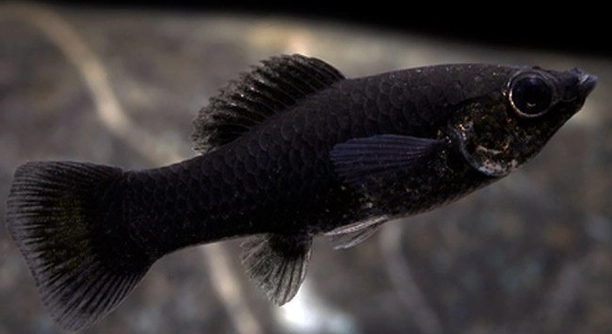
Black Molly Fry are small, delicate fish that require careful attention in home aquariums. Observing their behavior can reveal important clues about their comfort and well-being in their environment. Many owners notice unique patterns in their daily movements.
Black Molly Fry prefer shadowed areas because these zones provide protection from predators and reduce stress. Limited light exposure mimics their natural habitats, supporting normal development, feeding behavior, and overall survival during their early, vulnerable life stages.
Understanding why they favor shaded spaces helps ensure a healthier aquarium setup. Proper lighting and hiding spots can significantly impact their growth and daily activity.
Preferred Hiding Spots in Aquariums
Black Molly Fry often gravitate toward shaded areas near plants, rocks, or decorations. These spots provide a sense of security and reduce stress, which is crucial for their growth. In brightly lit areas, fry can feel exposed, leading to erratic swimming or hiding constantly. Providing natural cover in the tank helps them feel safe while allowing them to explore at their own pace. Dense plant clusters, caves, or overhanging décor work well to create these microhabitats. The positioning of light sources also matters; avoiding harsh overhead lights in sections of the tank encourages fry to remain active without feeling threatened. Observing their patterns daily allows owners to adjust the environment to meet their needs, ensuring the fry grow healthily. A well-planned tank design balances light and shadow while giving them the freedom to find comfort naturally.
Shaded areas reduce stress and help fry maintain consistent feeding and swimming habits. They feel safer and more active in these zones.
Setting up shaded zones can also prevent aggressive interactions. Fry are less likely to be harassed by adult fish when they have secure spots to retreat. Maintaining stable water conditions in these areas supports their immune system, helping them resist common diseases. Using live plants not only creates shade but also improves water quality by absorbing excess nutrients. Even small decorations can break the line of sight, giving fry confidence to explore without fear. Positioning hiding spaces near feeding zones encourages natural foraging behavior, allowing fry to feed without excessive stress. Monitoring how they use these areas over time helps fine-tune the aquarium setup. Light timers and dimmable lamps can also help maintain a comfortable balance of light and shadow. By carefully considering these elements, fry growth, activity, and overall health are supported efficiently. Creating an environment that respects their instinctual preferences ensures they thrive during these early stages.
Feeding Behavior in Low Light
Fry tend to feed more confidently in shaded areas where they feel secure. Even small changes in lighting can affect their eating patterns.
In low-light zones, Black Molly Fry can locate food without feeling threatened by nearby tank mates or shadows from overhead equipment. They often spend time in these areas grazing on microfauna, algae, or prepared fry food. Keeping food near shaded regions encourages consistent feeding and minimizes waste. Observing where they feed most frequently helps owners optimize placement of plants and decorations for both safety and convenience. Avoiding sudden bright lighting or moving decorations abruptly prevents startling the fry. The goal is to create a calm, natural environment that supports both growth and activity. Over time, fry become accustomed to these shaded feeding zones, which reduces competition and stress. Maintaining a balance between light and dark areas ensures fry receive proper nutrition while feeling secure. This approach allows them to develop strong swimming skills, healthy appetites, and natural instincts, forming the foundation for successful adult fish behavior in a community aquarium.
Light Sensitivity
Black Molly Fry are highly sensitive to bright light, which can cause stress and hiding behavior. Shaded areas allow them to feel secure and maintain normal activity without fear of sudden exposure.
Excessive light can interfere with their growth and feeding habits. Fry may dart erratically or remain motionless to avoid exposure, which can reduce their energy levels and overall health. Maintaining gradual light transitions and using dimmers or shaded sections helps them adjust naturally. Over time, fry that feel safe in low-light areas develop consistent feeding routines and swimming patterns, improving their survival rates. Proper light management is crucial for supporting their early developmental stages.
Fry also benefit from shadows created by tank plants or decorations. These shadows act as a buffer, reducing stress from sudden bright flashes and allowing them to explore confidently. A well-planned tank ensures they receive enough light for plant growth while keeping sensitive fry comfortable. This balance helps them grow steadily and maintain natural behavior, which is essential for future social interactions and overall well-being.
Tank Setup Considerations
Shaded areas should be incorporated alongside open swimming spaces to provide balance. Dense plants, floating foliage, and rock formations create suitable cover while allowing exploration.
Positioning plants and décor strategically ensures fry can access both shaded retreats and well-lit swimming zones. Live plants improve water quality and provide microhabitats for food sources like microfauna, while rocks and caves break lines of sight, giving fry confidence. Avoid overcrowding the tank, as limited swimming space can increase stress despite sufficient shade. Combining hiding spots with open areas encourages natural behavior, including foraging, schooling, and interaction with other fry. Monitoring their patterns helps refine tank layout over time.
Adjustable lighting and proper plant placement allow fry to adapt gradually to the environment. Shaded zones near feeding areas reduce competition and stress, while open spaces promote exercise and healthy growth. Observing their usage of different areas informs adjustments, ensuring fry thrive. Consistent water parameters, proper filtration, and regular maintenance complement these considerations, creating a stable, low-stress habitat. Prioritizing both light management and environmental enrichment supports long-term health and natural behavior patterns in Black Molly Fry, making the tank safer and more productive.
Stress Reduction
Shaded areas help Black Molly Fry feel safe and reduce stress. Fry in these zones are calmer, swim more naturally, and feed more consistently.
Providing consistent hiding spots prevents sudden exposure to light or larger tank mates. Stress reduction is essential for healthy growth and development.
Social Interaction
Fry in shadowed areas can observe each other without feeling threatened. These zones encourage gradual social behavior and reduce aggressive encounters. They can practice swimming together, learn boundaries, and develop confidence before venturing into open spaces.
Environmental Enrichment
Plants, rocks, and small decorations create necessary shade while offering exploration opportunities. These enrichments make the tank more natural and engaging, supporting both physical and behavioral development of the fry.
Feeding Efficiency
Shaded areas near feeding zones allow fry to eat without fear. They can access food calmly, promoting steady growth and reducing waste from spooked or stressed fry.
FAQ
Why do Black Molly Fry hide in shadows more than other areas?
Black Molly Fry instinctively seek shaded areas because they feel safer. Shadows mimic their natural environment, reducing exposure to predators and minimizing stress. Fry in bright, open areas may become anxious, swim erratically, or hide excessively when startled. Shaded spots allow them to swim more calmly and explore at their own pace.
Can fry survive without shaded areas in the tank?
They can survive, but their growth and behavior may be negatively affected. Lack of shaded areas increases stress, which can suppress feeding and weaken their immune system. Providing plants, rocks, or other cover creates a more natural environment, supporting healthy development and higher survival rates. Fry thrive when they can choose between open and protected areas.
Do adult Black Mollies prefer the same shaded areas?
Adults are less dependent on shadows but still use them for comfort or rest. Adult fish are more confident and mobile, so they explore open areas more freely. However, shaded zones continue to serve as safe retreats and reduce aggression or competition in community tanks. Maintaining some cover benefits both fry and adults.
How much shade is appropriate in a tank for fry?
Approximately 30 to 50 percent of the tank should provide shaded areas. This balance ensures fry have enough protection while still having open spaces for swimming and foraging. Overcrowding the tank with dense decorations can restrict movement, while too little shade increases stress. Using floating plants, rock caves, and mid-level plant clusters can create an ideal balance.
Will fry avoid shaded areas if the tank is too crowded?
Overcrowding can force fry into open spaces despite their preference for shade. Limited hiding spots increase stress, competition for food, and aggressive encounters. Ensuring adequate space per fish and strategically placing decorations creates multiple shaded retreats, allowing fry to feel secure without limiting swimming areas.
Does the type of light affect how fry use shaded areas?
Yes, bright, harsh lighting makes fry spend more time in shadows, while soft or diffused light encourages more exploration. Gradually adjusting light intensity and using timers can help fry acclimate, balancing activity and rest periods. Shade created naturally through plants and décor is preferable to artificial barriers.
How often should shaded areas be adjusted or changed?
Shaded areas do not need frequent changes once established. However, minor adjustments can help optimize feeding and swimming routes. Rotating plants or rearranging décor occasionally encourages natural exploration and prevents fry from becoming overly dependent on a single hiding spot.
Do fry prefer certain types of plants for shade?
Yes, floating plants or densely-leaved plants near the water surface are highly preferred. These create soft, diffused light and gentle cover. Fine-leaved plants like Java moss or Anubias provide microhabitats for fry to explore safely while grazing on microfauna. Plant choice affects both comfort and natural behavior.
Can shaded areas improve fry feeding efficiency?
Absolutely. Fry feel more confident feeding in low-stress zones. When food is placed near shaded areas, they access it calmly, reducing competition and preventing waste. Feeding in safe areas encourages regular eating habits, supporting healthy growth and improving overall survival rates.
Are shaded areas necessary in community tanks with multiple species?
Yes, they are even more critical. Shaded retreats protect fry from larger or more aggressive fish while allowing them to feed and explore. Proper tank layout with plants and hiding spots ensures all species coexist peacefully and reduces stress-induced behavior in vulnerable fry.
How does shade affect fry swimming and activity?
Shaded areas allow fry to swim naturally without panic. Fry can explore, interact with other fry, and exercise safely. In brightly lit areas, they may dart back and forth or remain motionless, conserving energy and increasing stress. Shade promotes balanced activity and healthy development.
Is artificial shading as effective as natural plant cover?
Artificial shading can work but does not provide microhabitats or water benefits like live plants. Live plants improve water quality, provide grazing areas for microfauna, and create natural cover. Combining both artificial and natural shading can offer flexibility, but live plants remain preferable for long-term fry health.
How do I know if my fry are comfortable in shaded areas?
Comfortable fry swim calmly, feed consistently, and explore their surroundings without hiding excessively. They move between shaded and open areas confidently. Signs of stress, like erratic swimming or prolonged hiding, indicate the tank setup may need adjustments in light, space, or cover placement.
Can shaded areas prevent disease in fry?
Indirectly, yes. Reducing stress through shade strengthens the immune system, making fry less susceptible to common diseases. Shaded zones also prevent overcrowding and aggressive behavior, which can lead to injuries or infections. A balanced tank with proper light and cover supports overall health effectively.
Do fry ever outgrow the need for shade?
They become less dependent as they grow but continue to use shadows for comfort or rest. Adult Black Mollies rely more on experience and size to navigate the tank, but maintaining shaded retreats benefits their confidence and reduces stress during interactions with other fish.
How can I combine feeding and shade for optimal growth?
Place small portions of fry food near shaded areas. Fry can feed safely while feeling protected, which reduces stress and encourages steady growth. Rotate feeding locations gradually to promote exploration, ensuring all fry access food evenly. Proper balance between light, shade, and feeding zones supports healthy development.
Are shaded areas important for fry during molting or developmental changes?
Yes, shaded areas provide safe spaces during vulnerable stages like growth spurts or early fin development. Fry can rest, feed, and explore without unnecessary stress, supporting proper development and reducing the risk of injury or predation by more dominant fish in the tank.
Do different Black Molly strains have the same preference for shade?
All Black Molly Fry generally prefer shaded areas, though individual behavior may vary slightly. Some strains may be more active in open areas, but providing ample shaded zones ensures all fry feel secure and supported regardless of subtle differences in temperament or activity.
Can shaded areas reduce aggression among fry?
Yes, they act as safe retreats where fry can escape harassment from more dominant siblings. Shaded zones decrease conflict by providing multiple hiding spots, which reduces stress and allows shy or weaker fry to feed, swim, and grow alongside more assertive fry safely.
Is tank maintenance affected by shaded areas?
Shaded areas may trap debris but also reduce stress-related behaviors like erratic swimming or hiding in corners. Regular cleaning around plants and decorations keeps water quality high, supporting fry health. Proper maintenance ensures shade remains beneficial without compromising water conditions.
How do I balance light and shade for optimal fry development?
Combine open swimming zones with multiple shaded areas. Use plants, floating cover, and gentle lighting to create a natural gradient. Adjust intensity gradually and monitor fry behavior to ensure comfort. Proper balance encourages feeding, exploration, and growth while minimizing stress.
Can shaded areas influence long-term behavior of adult fish?
Yes, fry that grow up with adequate shaded zones tend to be more confident, less stressed, and socially balanced as adults. Early access to safe hiding spots encourages natural instincts, healthy interactions, and reduces anxiety in adulthood, supporting overall well-being.
Do shaded areas affect water parameters for fry?
Indirectly, yes. Plants creating shade also absorb nutrients and improve water quality. Shaded areas prevent fry from congregating excessively in one spot, which can reduce localized waste accumulation and help maintain stable water conditions essential for healthy growth.
How often should I monitor fry use of shaded areas?
Daily observation is ideal, especially during early development. Monitoring helps identify stress, feeding issues, or inadequate hiding spots. Small adjustments based on behavior ensure fry remain comfortable, active, and healthy as they grow.
Are there alternatives to plants for creating shaded areas?
Rocks, PVC tubes, or decorative caves can also provide effective shade. These artificial structures mimic natural hiding spots, offering protection and encouraging exploration. Combining live plants with durable decorations creates variety and supports both comfort and behavioral development of fry.
Do shaded areas influence fry schooling behavior?
Yes, they allow fry to gather safely while learning social cues. Schooling in shaded zones reduces stress from larger tank mates and provides a secure environment to practice coordination, swimming patterns, and group interactions essential for healthy development.
Can shaded areas be used to separate fry from adult fish temporarily?
Yes, creating shaded zones near feeding or resting areas helps fry avoid adults without requiring nets or separate tanks. Strategic placement of plants and décor allows fry to thrive safely alongside adult fish while reducing stress and competition.
Is it necessary to replicate natural habitat lighting for fry?
Replicating natural light patterns helps fry feel secure and maintain natural rhythms. Gradual sunrise and sunset simulations, combined with shaded areas, support feeding, activity, and rest cycles, reducing stress and promoting healthy growth throughout early development.
How do I know if my shaded areas are effective?
Observe fry behavior: calm swimming, confident feeding, and exploration indicate effective shading. Signs of stress, overcrowding, or hiding in open areas suggest adjustments are needed in decoration placement or light intensity to improve comfort and safety.
Do shaded areas help fry during water changes?
Yes, they provide refuge from sudden disturbances, reducing stress during cleaning or partial water changes. Fry can retreat safely while the tank is refreshed, helping maintain stable behavior and overall well-being during maintenance routines.
Can shaded areas support fry in small tanks?
Even in smaller tanks, small decorations, floating plants, or rock arrangements can create adequate shade. Properly planned shading ensures fry have comfort and safety without compromising swimming space, feeding access, or water circulation, supporting healthy growth in compact environments.
Does shade impact fry energy levels?
Shaded areas reduce stress-related energy expenditure. Fry remain calmer, swim efficiently, and feed regularly, conserving energy for growth. Bright, exposed areas can cause unnecessary fatigue, erratic swimming, or hiding, which can slow development and weaken overall health.
Are there seasonal considerations for shade in fry tanks?
Seasonal changes in lighting or room temperature can influence fry behavior. Shaded areas provide consistent protection, helping fry maintain normal routines despite environmental fluctuations. Adjustments to light intensity and placement may be necessary during seasonal shifts to ensure comfort and health.
How do I clean shaded areas without disturbing fry?
Use gentle siphoning around plants and decorations, avoiding sudden movement. Light trimming of plants or repositioning of décor can maintain water quality while keeping fry comfortable. Minimal disruption prevents stress while keeping shade effective and the tank healthy.
Can shaded areas help reduce disease transmission among fry?
By reducing stress and aggressive encounters, shaded zones indirectly lower disease risk. Fry in calm, secure spaces have stronger immune systems and fewer injuries from conflict, supporting overall health and minimizing vulnerability to infections.
Do fry prefer certain textures in shaded areas?
Yes, fine-leaved plants, smooth rocks, and soft décor are preferred. These textures provide gentle cover and safe surfaces for exploration without injury. Rough or sharp materials can cause harm, so selecting appropriate textures is essential for fry safety and comfort.
Are shaded areas useful during fry acclimation?
Shaded zones help fry adjust to new tanks or changes in environment. They provide a secure retreat, reducing stress during acclimation periods, and allowing them to feed and explore gradually while adapting to new conditions.
Can shaded areas be combined with other stress-reducing techniques?
Yes, pairing shaded zones with stable water parameters, proper feeding, and minimal sudden disturbances creates an optimal environment. Together, these strategies promote fry health, growth, and natural behavior more effectively than any single measure alone.
Do fry ever avoid shaded areas completely?
Rarely, unless overcrowding, poor water quality, or excessive artificial lighting forces them into open areas. Fry instinctively seek shade, so avoidance usually signals environmental stress or an inadequate tank setup that requires adjustment.
Can shaded areas influence fry coloration?
Indirectly, yes. Reduced stress and optimal feeding in shaded zones can promote healthier pigmentation. Fry that feel secure and feed consistently develop stronger, more vibrant colors compared to stressed, exposed fry.
Do shaded areas help fry during molting or fin development?
Yes, shaded spots provide safe spaces for rest and growth. Fry can recover and develop fins without harassment from tank mates or exposure to bright light, supporting proper physical development.
Can shaded areas prevent overcrowding stress in large fry groups?
Yes, multiple shaded zones allow fry to distribute evenly across the tank. This reduces competition, territorial disputes, and stress, giving each fry access to food, rest, and exploration opportunities while maintaining a calm environment.
Are floating plants better than rooted plants for shade?
Floating plants create softer, more flexible shade and allow light diffusion. Rooted plants provide structural hiding spots but may cast harsher shadows. Combining both types offers varied coverage and supports natural behavior, feeding, and comfort for fry.
How do shaded areas affect fry learning and development?
Shaded areas provide a low-stress environment for practicing swimming, foraging, and social interactions. Fry develop coordination, confidence, and instincts more effectively when they feel protected, which contributes to healthy adult behavior patterns.
Do shaded areas influence fry stress hormones?
Indirectly, yes. Reduced exposure to predators or bright light lowers cortisol levels, helping fry remain calmer. Consistent shade contributes to stable physiological responses, improving overall health and resilience during early developmental stages.
Are there specific tank decorations that work best for shading fry?
Small caves, driftwood, dense plant clusters, and floating leaves work well. These provide cover, break lines of sight, and encourage exploration without crowding the tank or restricting swimming space, supporting both safety and activity.
How often should I check fry behavior in shaded areas?
Daily monitoring is ideal, especially during early growth. Observing feeding, swimming, and interaction patterns ensures shade is effective, stress is minimal, and adjustments can be made promptly to maintain a healthy environment.
Do shaded areas help fry during temperature fluctuations?
Yes, they provide calm zones where fry can regulate activity and rest. Combined with stable water heating or cooling, shaded spots reduce stress caused by sudden temperature changes, supporting consistent growth and behavior.
Can shaded areas improve fry survival rates in new tanks?
Absolutely. Providing secure spots from the start reduces stress, encourages feeding, and minimizes aggressive encounters, directly improving survival during the critical early stages of development.
Do shaded areas benefit fry in breeding tanks?
Yes, shaded zones reduce stress during spawning and early fry development. They provide safe retreats for both fry and adult fish, helping maintain calm, encourage natural behavior, and improve fry survival rates in breeding setups.
Are shaded areas necessary for every freshwater fry species?
While preferences vary, many small fry species benefit from shaded zones. Black Molly Fry, in particular, rely on cover to feel secure, feed efficiently, and develop normally. Providing shade supports instinctual behavior and long-term health across many freshwater species.
How can I measure the effectiveness of shaded areas?
Observe fry movement, feeding, growth rates, and social behavior. Calm, confident fry that use shaded zones regularly indicate effective design. Stress signs, erratic swimming, or overcrowding suggest adjustments are needed to improve comfort and tank balance.
Can shaded areas help fry adapt to community tanks?
Yes, they provide a safe retreat from larger or more aggressive tank mates. This reduces stress, allows fry to feed and explore confidently, and supports gradual acclimation to community living without interference from adult fish.
Do shaded areas impact fry breeding readiness later on?
Indirectly, yes. Fry that grow up with reduced stress and access to safe zones develop healthier, more confident adults. This supports normal social interactions and breeding behavior once they reach maturity, promoting successful reproduction in the future.
Are shaded areas beneficial during disease treatment?
Yes, fry in shaded areas experience lower stress during medication or water treatment. Calm behavior supports recovery and minimizes aggression or hiding, making treatments more effective and reducing the risk of secondary complications.
Do shaded areas influence fry energy distribution?
Yes, by reducing stress-related swimming and hiding, shaded zones allow fry to use energy for growth, feeding, and natural activity. This contributes to healthier development and stronger immune responses compared to fry constantly exposed to bright, open areas.
How do I combine shaded areas with filtration and water flow?
Ensure shaded spots do not block water circulation. Position plants and décor to create calm zones while maintaining adequate flow for oxygenation and waste removal. This balance supports fry comfort, health, and overall tank stability.
Can shaded areas help fry recover from injury?
Yes, protected spots allow fry to rest and feed safely while healing. Reduced exposure to stressors or aggressive tank mates promotes recovery and minimizes the risk of further injury or infection during vulnerable stages.
Do shaded areas reduce fry mortality during tank disturbances?
Yes, during cleaning, feeding, or sudden movements, shaded zones give fry safe retreats. This minimizes panic, injury, and stress-related mortality, supporting overall survival and long-term health.
Are shaded areas effective for fry in varying tank sizes?
Yes, even small tanks can include sufficient shade using floating plants, small caves, or rock arrangements. Proper placement ensures fry feel secure without limiting swimming space or feeding access.
Can shaded areas help fry adapt to new foods?
Yes, fry are more willing to explore and accept new foods in safe zones. Reduced stress and controlled feeding environments encourage consistent eating habits, supporting healthy growth and dietary adaptation.
Do shaded areas influence fry schooling behavior long-term?
Yes, fry that feel safe while schooling in shaded areas develop better coordination, confidence, and social skills. These patterns continue into adulthood, supporting healthier group behavior in community tanks.
Are shaded areas important for fry during nighttime?
Yes, they provide calm zones and prevent fry from crowding near light sources. Consistent darkness in shaded areas supports natural rest, energy conservation, and reduced stress during night cycles.
Can shaded areas help fry during tank rearrangements?
Yes, shaded zones act as temporary retreats while plants, décor, or equipment are adjusted. Fry can remain calm and feed safely without stress, reducing the risk of injury or erratic behavior during changes.
Do shaded areas influence fry color patterns over time?
Indirectly, yes. Reduced stress and consistent feeding in protected zones support healthy pigmentation, contributing to more vibrant and uniform coloration as fry grow into adults.
How do shaded areas interact with other tank enrichment strategies?
Shaded zones complement decorations, feeding routines, and environmental stimuli. They provide security, encourage exploration, and reduce stress, making enrichment more effective and helping fry develop physically and behaviorally in a balanced environment.
Can shaded areas reduce competition among fry?
Yes, multiple hiding spots distribute fry across the tank. This lowers stress, minimizes aggression, and ensures even access to food, promoting healthy growth and balanced social interactions.
Do shaded areas benefit fry when introducing new tank mates?
Yes, they provide safe retreats during initial introductions. Fry can acclimate without confrontation, feed confidently, and gradually interact with new tank mates, reducing stress and supporting healthy integration into the community.
Are shaded areas necessary for all stages of fry development?
They are most critical during early stages but continue to benefit juveniles. As fry grow, shaded areas provide comfort, support social behavior, and reduce stress, contributing to
Black Molly Fry are small and delicate, and their behavior is strongly influenced by their environment. One of the most noticeable patterns is their preference for shaded areas. These spots provide a sense of safety and reduce stress, which is crucial for their early development. Fry in shaded areas tend to swim calmly, feed regularly, and explore their surroundings more confidently. Without proper shaded zones, fry may become stressed, hide excessively, or avoid feeding, which can negatively affect their growth and overall health. Creating an environment that balances light and shadow helps fry feel secure and allows them to develop natural behaviors.
Shaded areas can be created in various ways, such as using live plants, rocks, caves, or floating decorations. Plants are particularly beneficial because they not only offer cover but also improve water quality and provide microhabitats for tiny food sources like microfauna. Rocks and caves serve as stable hiding spots that break lines of sight, allowing fry to feel protected while still having space to swim. Floating leaves or plants can soften the light coming from above and create gentle, diffused areas where fry can rest or feed without feeling threatened. Even small adjustments in tank setup, like repositioning decorations or adding new plants, can make a noticeable difference in fry comfort and behavior. Observing how fry use shaded areas over time is important for maintaining an environment that supports their natural instincts and growth.
The role of shaded areas goes beyond immediate comfort; it influences long-term behavior and development. Fry that grow up in tanks with appropriate hiding spots tend to be calmer, more confident, and more socially balanced as adults. They learn to navigate their environment safely, interact with other fish, and maintain healthy feeding and swimming routines. Shaded zones also reduce competition and aggression among fry, giving weaker or shy individuals a chance to feed and grow. By maintaining a balance of light, shade, and space, tank owners can support both the physical and behavioral development of Black Molly Fry. In addition, proper tank maintenance, consistent water quality, and careful observation complement these environmental considerations. Overall, shaded areas are essential for creating a stable, low-stress environment that allows fry to thrive, ensuring healthier fish and a more harmonious aquarium in the long term.

Hello,
If you enjoy the content that we create, please consider saying a "Thank You!" by leaving a tip.
Every little bit helps us continue crafting quality advice that supports the health, happiness, and well-being of pets around the world, for pets of all shapes, sizes, and species.
We really appreciate the kindness and support that you show us!