
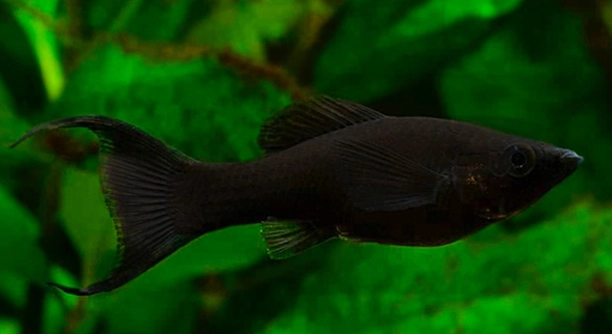
Do you ever notice your fry moving differently after changing part of the water in their tank? Many aquarists observe subtle shifts in behavior that can seem unusual or unexpected at first glance.
After a partial water change, fry often experience seven observable behavioral shifts. These include altered swimming patterns, increased hiding, feeding changes, heightened activity, clustering, surface orientation adjustments, and temporary stress responses. These behaviors are normal and usually temporary.
Understanding these movements helps maintain a healthy environment and ensures your fry adapt smoothly to water quality changes over time.
Altered Swimming Patterns
After a partial water change, the most noticeable shift in fry behavior is their swimming pattern. Some fry may swim more erratically, darting around the tank in short bursts, while others slow down and hover near the bottom. These changes occur as fry adjust to new water parameters, such as temperature, pH, or dissolved oxygen levels. Even a slight difference can trigger instinctual responses, prompting fry to explore cautiously. The sudden influx of fresh water may also stir up debris or alter current flow, which can temporarily confuse them. Over the next few hours, most fry begin to normalize their movements. Observing them during this adjustment period helps aquarists understand their tolerance and stress levels. It is important not to overfeed or introduce additional stressors during this time, as fry are particularly sensitive after a water change. Maintaining stable conditions ensures that their swimming behavior returns to normal more quickly.
Monitoring these swimming shifts allows for timely intervention if stress persists.
Keeping a log of movement patterns can help anticipate future responses to partial water changes and optimize tank conditions.
Increased Hiding
Fry may seek cover after a partial water change, clustering under decorations, plants, or substrate. Hiding is a natural stress response that protects them from perceived threats while they acclimate to the new environment. Staying out of open areas reduces energy expenditure and exposure to light changes. Fry instinctively hide when they sense fluctuations in their surroundings, including minor water chemistry differences. This behavior can be more pronounced in younger or weaker fry, which rely on shelter for survival. Providing adequate cover in the tank ensures they have safe spaces, reducing the risk of injury or predation in community tanks. Over time, as water conditions stabilize, fry emerge to feed and explore, showing that hiding was a temporary adjustment. Observing hiding patterns offers insight into overall fry health and stress levels, helping aquarists adjust feeding, light, or aeration to support recovery.
Consistent observation of hiding tendencies helps maintain a balanced environment for healthy fry growth.
Incorporating plants, moss, or small structures in the tank creates secure areas for fry to retreat, reducing stress after partial water changes and encouraging natural behavior.
Feeding Changes
Fry often alter their feeding habits after a partial water change. Some may eat less, while others become more eager. This is a temporary adjustment as they respond to new water conditions and stress levels in the tank.
Reduced feeding is a common response to stress. Fry may hesitate to approach food, focusing on adjusting to water temperature, pH, or flow changes. Overfeeding during this period can worsen water quality and prolong stress. Some fry, however, show increased appetite, possibly due to heightened activity from fresh water oxygenation. Observing how much each fry consumes helps determine their stress levels and ensures they receive appropriate nutrition. Adjusting feeding schedules or offering smaller portions supports their recovery and minimizes leftover food, which can negatively impact water chemistry. Monitoring feeding response is essential for maintaining a stable environment and promoting healthy growth in fry during this sensitive time.
Feeding behavior reflects fry well-being, offering a visible indicator of adaptation after water changes. Careful observation allows timely adjustments to their diet and environment, reducing stress and encouraging normal development.
Heightened Activity
Fry may display bursts of activity immediately after a partial water change. They swim faster, explore more of the tank, or suddenly dart to the surface or bottom.
This increased activity results from the shock of fresh water, which alters temperature, oxygen levels, and minor chemical balances. Fry instinctively respond to changes by moving more actively, sometimes appearing agitated. The heightened energy is temporary and usually subsides within a few hours. Observing this behavior helps gauge water tolerance and overall fry health. Excessive or prolonged activity may indicate stress, so reducing light intensity or limiting additional disturbances can help. Fry gradually resume normal swimming, feeding, and hiding patterns as water conditions stabilize. Regular monitoring ensures they recover safely and maintain healthy growth.
Managing heightened activity involves creating calm conditions, maintaining stable water parameters, and monitoring fry closely to avoid injury or prolonged stress during this adjustment period. Proper observation allows for timely intervention and promotes long-term fry health.
Clustering
Fry often cluster together after a partial water change. Staying close provides a sense of security while they adjust to new water conditions, reducing stress and exposure.
Clustering also helps fry maintain body temperature and reduces energy use. This behavior is temporary and usually diminishes as they acclimate to the tank environment.
Surface Orientation Adjustments
After fresh water is introduced, some fry may spend more time near the surface. This occurs as they respond to slight changes in oxygen levels and water chemistry. Observing surface orientation helps identify whether fry are adjusting well or experiencing stress.
Temporary Stress Responses
Fry may show temporary stress indicators, including rapid gill movement, erratic swimming, or brief inactivity. These responses are short-lived and often resolve once water parameters stabilize.
FAQ
Why do my fry behave differently after a partial water change?
Fry respond quickly to changes in water conditions. Temperature, pH, oxygen levels, and minor chemical shifts can all trigger behavioral changes. Erratic swimming, hiding, clustering, or spending time near the surface are common responses. These behaviors usually normalize within hours as fry adjust to the new environment.
How long do the behavioral shifts last?
Most fry return to normal within a few hours to a day. Younger or weaker fry may take longer, depending on the magnitude of the water change and the stability of the remaining tank conditions. Patience and minimal disturbance help them recover quickly.
Should I feed my fry after a water change?
Feeding immediately after a water change can stress fry further. Observe their behavior first. If they show interest in food, offer small amounts. Avoid overfeeding, as leftover food can impact water quality and prolong stress responses.
What can I do to reduce stress during water changes?
Use water that matches the tank’s temperature and chemistry as closely as possible. Introduce it slowly to prevent shock. Reducing light intensity, avoiding sudden movements, and maintaining consistent aeration also help fry adjust smoothly.
Is hiding normal after a water change?
Yes, hiding is a natural stress response. Fry instinctively seek cover to protect themselves while acclimating to new conditions. Ensure the tank has adequate plants, decorations, or shelters for them to retreat safely. Most fry emerge once they feel secure.
Why do some fry cluster together?
Clustering provides safety and helps conserve energy. It is a temporary response to new water conditions. Observing how they cluster can provide insights into their comfort level and overall health. Clustering usually reduces as they adjust.
Why do some fry spend more time at the surface?
Surface orientation often reflects temporary changes in oxygen levels or minor chemical fluctuations. Fry may swim near the surface to access higher oxygen concentrations. This behavior generally subsides as oxygen and water chemistry stabilize.
Can partial water changes harm fry?
Partial water changes are generally safe if done carefully. Problems arise when water temperature or chemistry differs too much, or if the change is too rapid. Slow, gradual adjustments minimize stress and promote fry well-being.
How can I tell if fry are stressed or sick?
Signs of stress include prolonged hiding, erratic swimming, rapid gill movement, or refusal to feed. Sick fry may show physical signs like faded coloration, swelling, or lethargy. Monitoring these behaviors helps determine if intervention is needed.
Is it necessary to monitor water parameters closely?
Yes, stable water parameters are crucial. Regular testing of temperature, pH, ammonia, nitrites, and nitrates ensures fry remain healthy and reduces the likelihood of prolonged stress. Consistent water quality supports normal growth and behavior.
Do fry ever adapt quickly to water changes?
Yes, many fry adapt within hours if water changes are minor and conditions remain stable. Gradual, consistent care reduces stress and allows fry to resume normal feeding, swimming, and social behaviors efficiently.
Should I change water differently for very young fry?
Very young fry are more sensitive. Use smaller, more gradual water changes and closely match the temperature and chemistry of the new water. Minimizing disturbances and providing safe hiding areas helps them adjust safely.
Can repeated water changes cause long-term stress?
Frequent or abrupt water changes can increase stress, even if each change is partial. Maintaining stable water parameters and minimizing disturbances is key to long-term fry health. Gradual adjustments reduce behavioral shifts and promote consistent growth.
Are there signs that indicate fry are fully adjusted after a water change?
Fry that resume normal swimming patterns, feed regularly, and reduce hiding or clustering have likely adapted successfully. Observing these behaviors over the first few hours after a water change is a reliable indicator of adjustment.
Is aeration important during and after water changes?
Yes, proper aeration ensures oxygen levels remain stable, which is especially important when introducing fresh water. Increased activity and surface swimming often subside faster when oxygenation is consistent.
Can I do anything to make water changes less stressful long-term?
Gradually acclimating new water, maintaining stable parameters, and ensuring plenty of hiding places create a safer, calmer environment. Consistency in care routines helps fry respond better to future changes and reduces stress-related behaviors.
Final Thoughts
Managing fry after a partial water change requires attention and patience. Fry are particularly sensitive to changes in water conditions, and even minor adjustments can trigger noticeable shifts in behavior. Observing them closely after a water change is important, as it allows you to distinguish between normal temporary responses and potential signs of stress or illness. Fry may swim erratically, hide, cluster, or spend time near the surface, and each of these behaviors serves a purpose in helping them adjust. These changes are typically short-lived, and with consistent care, fry return to their normal routines. Understanding these behaviors helps maintain a healthier environment and promotes proper growth and development.
Providing stable water conditions and minimizing disturbances is essential during this period. Gradually introducing fresh water that matches the tank’s temperature and chemistry reduces the likelihood of shock. Limiting feeding until fry show interest helps prevent water quality issues, while ensuring proper aeration and safe hiding spaces supports their natural instincts. Fry often cluster or hide to conserve energy and protect themselves while they acclimate. Over time, as the water stabilizes and they adjust to minor chemical changes, their activity, feeding, and swimming patterns return to normal. Monitoring these behaviors over the first few hours after a water change allows you to respond if any fry show prolonged stress. Maintaining consistency in care routines ensures that future water changes are less disruptive.
Observing fry behavior can also provide insight into overall tank health. Any prolonged or unusual reactions may indicate that water parameters need to be adjusted or that additional interventions are required. Regular testing for temperature, pH, and other water parameters helps prevent problems and promotes a stable environment. By being attentive to how fry respond, you can make small adjustments to improve their well-being. Creating a balanced environment with safe areas to hide, proper nutrition, and steady water quality encourages fry to grow and develop normally. Paying attention to their responses over time builds experience and confidence in maintaining a healthy aquarium. Careful observation, consistent water changes, and thoughtful management of their environment make it possible to support fry successfully through their most sensitive stages.

Hello,
If you enjoy the content that we create, please consider saying a "Thank You!" by leaving a tip.
Every little bit helps us continue crafting quality advice that supports the health, happiness, and well-being of pets around the world, for pets of all shapes, sizes, and species.
We really appreciate the kindness and support that you show us!