
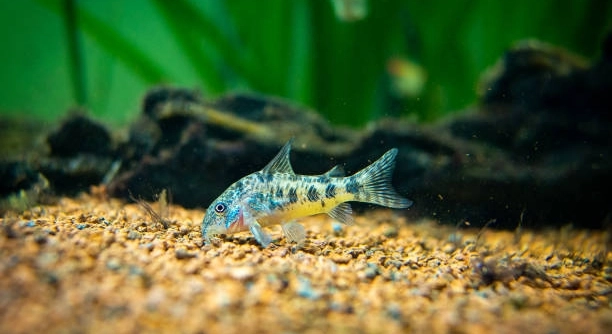
Corydoras catfish are popular aquarium pets, known for their playful nature and bottom-dwelling habits. As with any aquatic animal, their environment plays a crucial role in their well-being. One key factor to consider is water temperature.
If your Corydoras catfish is too cold, it will show signs of distress. These signs include sluggish movement, reduced appetite, and increased hiding. Understanding these symptoms helps ensure a healthy and comfortable environment for your fish.
Knowing when your Corydoras catfish is too cold is important for their health. In this article, we’ll discuss the signs to look for and how to maintain the right temperature for your fish’s well-being.
Why Water Temperature Matters for Corydoras Catfish
Corydoras catfish thrive in a warm, stable environment. If the water is too cold, it can lead to stress, which affects their health. These fish are sensitive to temperature changes and require a steady water temperature between 72°F and 78°F (22°C to 26°C). When temperatures dip below this range, it can cause a drop in their metabolism, making them lethargic and less active. They might also stop eating, which further weakens their immune system and leaves them vulnerable to diseases. A fluctuating temperature can cause more harm, as these fish struggle to adjust to rapid changes.
Keeping your Corydoras in water that’s too cold can affect their behavior, appearance, and overall health. They are best suited for aquariums that maintain consistent warmth, without sharp temperature drops. Regular monitoring of the water temperature ensures their environment remains stable, reducing stress and improving their quality of life.
Investing in a good aquarium heater and thermometer can go a long way. These devices help to keep the temperature in the ideal range, providing a comfortable home for your fish. It’s crucial to avoid sudden temperature swings, as these can be as harmful as cold water itself.
Signs Your Corydoras Catfish May Be Too Cold
If your Corydoras catfish is too cold, it will become noticeably sluggish and withdrawn. Their usual playful behavior will disappear, and they may spend more time hiding in the substrate or corners of the tank.
One of the first signs that the water temperature is too low is a decrease in activity. Corydoras catfish are typically very social and active, swimming around in search of food or exploring their environment. When cold, they will move slowly and may even appear to be lethargic. This sluggishness is often paired with a lack of interest in food. If you notice that your catfish isn’t coming out for feeding time or is ignoring food, it’s a sign that something is wrong with their environment, specifically the temperature.
Their overall behavior and appearance will be key indicators of discomfort. Cold temperatures can cause Corydoras to huddle in groups or hide more than usual. If this happens, it’s time to check the water temperature immediately.
How Cold Affects Their Eating and Digestion
When Corydoras catfish are too cold, their digestive system slows down. This means that even if you offer them food, they won’t be able to process it properly. As a result, they may stop eating altogether. This can lead to malnutrition over time, which weakens their immune system and makes them more susceptible to illness. The fish’s metabolism slows, which also affects their ability to grow and develop.
In colder temperatures, the fish will also have a harder time digesting food, leading to uneaten food lingering in the aquarium. This can cause water quality issues, as decomposing food adds unwanted waste to the tank. It’s a cycle that can easily be avoided by maintaining the right water temperature.
Proper feeding practices are also important. If your Corydoras is cold, avoid overfeeding, as they won’t eat as much. Always monitor the water temperature and adjust your feeding habits accordingly to prevent waste buildup in the aquarium.
What Happens When Corydoras Are Exposed to Cold for Too Long
Prolonged exposure to cold temperatures can have serious long-term effects on your Corydoras catfish. If the water temperature stays too low for an extended period, the fish’s immune system weakens, making them vulnerable to infections. Diseases like fungal or bacterial infections are more likely to develop when the fish is stressed and in an unideal environment. Additionally, their growth may be stunted if the cold conditions persist.
A prolonged cold period can also disrupt the fish’s natural behavior. Corydoras are bottom-dwelling fish that typically forage for food in the substrate. If they are too cold, they might spend most of their time at the bottom of the tank or hidden, reducing their quality of life and contributing to overall stress. This lack of activity can also affect their social behavior. Since Corydoras tend to be shoaling fish, they usually prefer to be in groups. If they are cold, they may isolate themselves from others, which can lead to depression and a lack of engagement with their environment.
It’s important to address the issue quickly to avoid any lasting damage. A reliable heater is essential to prevent the temperature from dipping too low and causing unnecessary harm.
How to Check If the Water Is Too Cold
Checking the water temperature regularly is essential to ensure your Corydoras catfish stays healthy. Use a reliable aquarium thermometer to keep track of the temperature at all times.
A thermometer will help you know if the water is within the recommended range. Ideally, the temperature should be between 72°F and 78°F (22°C to 26°C). If the temperature falls outside this range, take action immediately. Ensure the thermometer is accurate, as incorrect readings could lead to ineffective adjustments. You can place the thermometer in different spots within the tank to ensure a consistent temperature throughout.
If the temperature is too low, adjusting the aquarium heater is the next step. Some heaters come with a built-in thermostat, making it easier to maintain a stable temperature. Just make sure to gradually increase the temperature to avoid shocking your fish.
Adjusting Your Aquarium Heater
If the water is too cold, adjusting your aquarium heater is necessary. Make sure the heater is set to the proper range for Corydoras catfish.
A good aquarium heater will have a thermostat to maintain consistent temperatures. It’s important to set it correctly and avoid turning it up too fast, as this can stress the fish. Gradual increases in temperature are safer for your catfish, allowing them to adjust more easily. After setting the heater, allow the tank to stabilize for a few hours before re-checking the temperature.
If you’re using a manual heater without a thermostat, consider upgrading to one with built-in temperature regulation. This will help keep the water consistently warm and eliminate the risk of overheating.
Using a Heater to Maintain Stable Temperature
To maintain a stable temperature, a good quality aquarium heater is essential. It helps keep the water warm within the optimal range for Corydoras catfish.
When selecting a heater, make sure it’s suitable for the size of your aquarium. A heater that is too small won’t be able to warm the water properly, while an oversized one might overheat it. Choose a heater with adjustable settings for more control over the temperature.
You can also use a heater with an automatic shut-off feature, which prevents overheating if the temperature exceeds a certain level. Regularly check the heater’s function to ensure it’s working as intended.
The Importance of Tank Insulation
Tank insulation plays a big role in preventing temperature fluctuations. Insulated tanks retain heat better, making it easier to maintain a stable environment for your fish.
If you live in a particularly cold area or have a draft near the aquarium, insulating your tank can help reduce the workload on the heater. This can keep your Corydoras more comfortable and reduce the risk of temperature-related stress. Consider using foam boards or aquarium covers to help keep the warmth in.
Avoiding Overcrowding
Overcrowding can cause increased waste and deteriorate water quality, leading to temperature fluctuations. Less space for fish can create stress, making temperature regulation more challenging.
It’s important to keep the number of fish in the tank appropriate for its size. Ensure your Corydoras have enough space to swim and hide. A crowded tank will make it harder to maintain stable water conditions, including temperature.
FAQ
What temperature is ideal for Corydoras catfish?
Corydoras catfish prefer a water temperature between 72°F and 78°F (22°C to 26°C). This range helps them stay active and healthy. Keeping the water consistently within this range is essential for their metabolism, feeding habits, and overall well-being.
How can I tell if my Corydoras is too cold?
When Corydoras catfish are too cold, they tend to move slowly and may hide more than usual. Their appetite decreases, and they often stop foraging. If they are not swimming around with the rest of the tank mates or are spending time at the bottom, it’s a sign that the water might be too cold for them.
Can Corydoras survive in colder water?
Corydoras can survive in slightly cooler water, but prolonged exposure to cold temperatures can weaken their immune system. If the temperature consistently drops below 70°F (21°C), it can lead to health issues. It’s crucial to provide a stable temperature to prevent stress and possible illness.
How can I raise the water temperature safely?
To raise the water temperature safely, use an aquarium heater and gradually increase the temperature by a few degrees at a time. Avoid increasing the temperature too quickly, as this can shock your fish. Allow a few hours for the tank to adjust before checking the temperature again.
Should I use a thermometer in my aquarium?
Yes, using a thermometer in your aquarium is highly recommended. A thermometer will help you keep track of the water temperature and prevent sudden fluctuations. Regularly monitor the temperature to ensure it stays within the optimal range for your Corydoras catfish.
What happens if the water temperature is too high?
If the water temperature is too high, Corydoras can become stressed, leading to faster metabolism and exhaustion. They may become less active, breathe more quickly, and even become more susceptible to diseases. High temperatures also reduce oxygen levels in the water, which further harms the fish.
How do I prevent temperature fluctuations in my aquarium?
To prevent temperature fluctuations, make sure your heater is reliable and set to the correct temperature. Also, avoid placing the aquarium near windows, heaters, or air conditioners, as these areas are prone to temperature changes. Insulating the tank can also help maintain stable conditions.
Can Corydoras live with other fish in different temperature ranges?
Corydoras are peaceful fish and can live with other species, but it’s essential to ensure that the other fish are comfortable in similar temperature ranges. Tropical fish, like tetras and guppies, usually share the same temperature preferences, but always check compatibility before introducing new tank mates.
Is it safe to use an aquarium fan for cooling?
An aquarium fan can help cool the tank in warm conditions, especially if your aquarium tends to overheat. However, fans should be used cautiously, as rapid cooling can stress the fish. Make sure to monitor the temperature to avoid cooling it too quickly.
Can I use a heater with a thermostat for better temperature control?
Yes, a heater with a built-in thermostat is ideal for maintaining a consistent water temperature. The thermostat automatically adjusts the heater to keep the temperature stable, reducing the risk of fluctuations. This is a great option for Corydoras catfish and other tropical fish.
How often should I check the water temperature?
It’s a good idea to check the water temperature at least once a day to ensure consistency. If you notice any sudden changes, adjust the heater or take other measures as necessary. Monitoring the temperature regularly will help prevent potential issues before they arise.
Can water changes affect the temperature?
Yes, water changes can temporarily affect the tank’s temperature, especially if the new water is colder or warmer than the aquarium water. Always ensure the new water is close to the tank’s current temperature before adding it to avoid sudden temperature shifts that could stress your Corydoras.
Can I use a thermometer that sticks to the side of the tank?
Stick-on thermometers are convenient, but they may not be as accurate as digital or floating thermometers. For precise monitoring, it’s recommended to use a more reliable thermometer. Stick-on types can give a general idea, but regular verification is important to maintain ideal water conditions.
What is the best heater for my aquarium?
The best heater depends on the size of your aquarium. Choose one rated for your tank’s volume and make sure it has a thermostat for accurate temperature control. Submersible heaters are generally the most efficient and safe option. Check reviews and ask for recommendations based on your specific tank setup.
Do Corydoras need a heater all the time?
Yes, Corydoras catfish need a heater in most cases. Tropical fish like Corydoras require stable, warm water, and a heater helps maintain the proper temperature. Even in warmer climates, heaters can help keep the tank’s environment consistent throughout the year.
Can Corydoras live in unheated tanks?
Corydoras can survive in unheated tanks if the room temperature is consistently within the 72°F to 78°F range. However, it’s challenging to maintain such a stable temperature without a heater, and the fish may become stressed if the temperature fluctuates. Using a heater is recommended for optimal health.
How can I help my Corydoras adapt to a new tank temperature?
If you need to change the water temperature, do it gradually. Rapid changes can shock your Corydoras. Slowly increase or decrease the temperature by a few degrees per day, giving your fish time to adjust. This gentle process ensures they stay healthy and stress-free.
Final Thoughts
Maintaining the right water temperature for your Corydoras catfish is crucial to their health and well-being. These fish thrive in stable environments, and temperature fluctuations can lead to stress, reduced activity, and even illness. By regularly monitoring the water temperature and making sure it stays within the ideal range of 72°F to 78°F (22°C to 26°C), you can help ensure that your Corydoras remain healthy and active. Using a reliable aquarium heater with a thermostat is one of the best ways to keep the water temperature consistent, avoiding sudden drops or increases that could harm your fish.
If you notice any signs of stress in your Corydoras, such as sluggish behavior, loss of appetite, or excessive hiding, it may be a sign that the water is too cold. In such cases, take immediate action to adjust the temperature. It’s also essential to check the temperature regularly, especially if you live in a climate where temperatures can change rapidly. Insulating your tank, placing it in a stable environment, and avoiding overcrowding are all good practices to maintain a comfortable home for your fish.
While Corydoras are hardy fish that can adapt to some temperature changes, it’s important to remember that long-term exposure to conditions outside their ideal range can cause serious health problems. By ensuring your tank stays at the proper temperature and creating a stable, low-stress environment, you can help your Corydoras live a long, healthy life. Regularly check the water temperature, make adjustments as needed, and pay attention to your fish’s behavior to keep them in the best possible condition.

Hello,
If you enjoy the content that we create, please consider saying a "Thank You!" by leaving a tip.
Every little bit helps us continue crafting quality advice that supports the health, happiness, and well-being of pets around the world, for pets of all shapes, sizes, and species.
We really appreciate the kindness and support that you show us!