
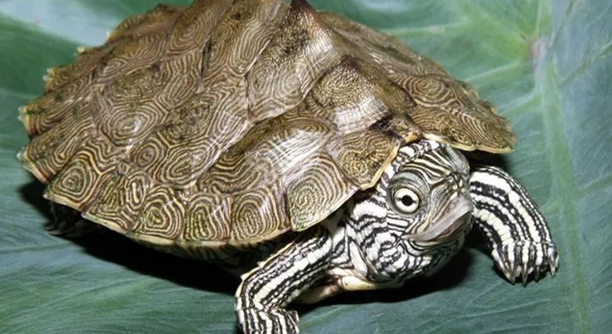
Some map turtles have brighter colors than others, which may leave you wondering what causes this difference. These turtles are fascinating creatures, and understanding what contributes to their unique appearances can be quite intriguing.
The brightness of a map turtle’s coloration is influenced by factors such as genetics, diet, and environmental conditions. Turtles with access to better nutrition and a stable environment often exhibit more vibrant colors compared to those in less favorable conditions.
There are a variety of elements at play when it comes to the color changes in map turtles. Let’s explore how these factors contribute to the vivid hues some turtles display.
Factors That Affect Map Turtle Brightness
The colors of map turtles are often brighter when they are in a healthy environment. Factors like diet and sunlight can greatly influence their appearance. When they are fed a nutritious diet, especially one rich in carotenoids, their colors become more vibrant. These nutrients are important for maintaining their bright yellow, orange, or green markings. Additionally, map turtles that receive adequate exposure to natural sunlight often develop brighter colors, as UV rays help them process these nutrients.
Environmental stress can have the opposite effect. Turtles that live in poorly maintained tanks or in areas with limited access to sunlight tend to have duller colors. Similarly, those lacking proper nutrition may not have the resources to develop bright markings. This shows how their environment plays a major role in their coloration.
Map turtles’ vibrant colors aren’t just a matter of beauty; they’re often a sign of health. Turtles that appear dull or faded might not be receiving the care they need. Bright colors are typically associated with a well-balanced diet and good living conditions.
Genetics and Inheritance
Genetics also play an essential role in how bright a map turtle’s markings will be. Some turtles are simply genetically predisposed to have brighter colors than others.
When a map turtle hatches, its genes influence how much of certain pigments, like yellow and orange, it will produce. If its parents had vibrant colors, it is more likely that the offspring will also show bright markings. However, some map turtles, even with perfect care, may never develop the same level of brightness. This variation comes down to natural genetic differences between individual turtles.
The Role of Temperature
Temperature plays a big part in the brightness of a map turtle’s colors. Warmer temperatures often promote the production of brighter pigments. When the turtle’s environment stays at a comfortable, stable temperature, it can help bring out more vibrant hues in its markings.
Too much heat, however, can lead to stress and may dull their colors. Map turtles in fluctuating or extreme temperatures can suffer from changes in their physical appearance. Maintaining the right temperature range in their habitat is key to supporting their natural color development. A consistent, moderate temperature helps ensure that the turtle’s body functions properly, allowing it to display the most vivid colors.
In the wild, map turtles naturally adjust to the temperatures of their environment. Those in warmer climates tend to have brighter, more pronounced colors. Turtles living in cooler environments may not display the same intense hues, simply because their bodies are not processing nutrients in the same way. It’s clear that temperature has a crucial influence on the turtle’s color.
Impact of Water Quality
Water quality is another important factor in determining how bright a map turtle’s colors can be. Clean, well-maintained water helps promote healthy skin and shells, which in turn leads to more vibrant colors.
When turtles live in water that’s dirty or contaminated, their bodies become stressed, and this can show on their skin. Poor water quality can also lead to skin diseases or infections, which could cause dullness in their appearance. Keeping the tank clean and monitoring the water’s pH and temperature are essential for supporting the turtle’s health. Turtles need clear water to thrive, and it’s especially important to maintain proper filtration and regular water changes.
A turtle’s skin and shell condition can often tell you if its water quality is lacking. If a map turtle’s water becomes cloudy or green, it might be a sign that the turtle is exposed to poor conditions, which can prevent it from showing bright colors. Regular water testing and cleaning will go a long way in supporting the overall health and vibrant appearance of the turtle.
Diet and Nutrition
A map turtle’s diet can greatly impact how bright its colors appear. A nutritious, well-balanced diet ensures that the turtle gets the essential nutrients for vibrant pigmentation. Foods rich in carotenoids, like leafy greens, can contribute to more intense yellow and orange colors.
Without the right nutrients, turtles may lack the ability to produce these pigments, causing their colors to become dull. An inadequate diet can also lead to poor health, which shows in their overall appearance. By feeding map turtles high-quality, varied diets, you help them maintain both their health and their bright markings.
The Role of UV Light
UV light is essential for map turtles to process nutrients properly and keep their colors vibrant. Exposure to UV rays helps them absorb calcium, which is important for shell development and overall health.
Without UV light, turtles can suffer from metabolic bone disease, which not only affects their physical condition but also their appearance. They may develop faded or dull colors due to the lack of UV exposure. Providing proper UV lighting for your turtle will help maintain its brightness and health.
Stress and Brightness
Stress can cause map turtles to lose some of their color brightness. When turtles feel threatened or uneasy, their bodies may respond by becoming less vibrant.
Stressed turtles may have faded markings, and their overall appearance may appear duller. Reducing sources of stress, such as avoiding overcrowding or loud noises, can help keep your turtle’s colors looking their best. Creating a calm and stable environment can go a long way in supporting their health and bright colors.
FAQ
Can I make my map turtle brighter?
Yes, you can help your map turtle become brighter by ensuring it has a proper diet, good lighting, and a healthy environment. Providing foods rich in carotenoids, like leafy greens, can promote brighter markings. Offering access to UV light helps them process these nutrients and maintain healthy pigmentation. Regularly cleaning their habitat, maintaining proper water quality, and keeping temperatures consistent are also important.
Does water temperature affect the brightness of my turtle?
Water temperature can indeed affect the brightness of a map turtle’s colors. Warmer, stable temperatures often lead to more vibrant pigmentation, while extreme or fluctuating temperatures may cause stress and dull colors. A consistent temperature range that suits the turtle’s needs helps maintain its bright appearance. Ensure that your turtle’s water temperature is suitable for its species, typically around 75-80°F.
Can a poor diet cause my map turtle’s color to fade?
Yes, a poor diet can cause your turtle’s color to fade. Map turtles need a balanced diet with the right nutrients to maintain their bright colors. Without the proper intake of vitamins and minerals, especially carotenoids, their markings may not be as vibrant. A lack of nutrition can also lead to overall poor health, which affects their appearance.
How long does it take for a map turtle’s color to change?
The time it takes for a map turtle’s color to change depends on various factors, such as diet, environment, and health. If the turtle is given better care, it may begin to show brighter colors within a few weeks to months. However, genetic factors also play a role, so some turtles may take longer, or may not become significantly brighter at all.
Can my map turtle’s color be a sign of poor health?
Yes, dull or faded colors can sometimes indicate poor health. If a map turtle is not receiving proper nutrition, has a poor environment, or is stressed, it might lose its vibrant markings. It is important to observe other signs, like lethargy or difficulty moving, as these can point to health problems.
How do I know if my map turtle is getting enough UV light?
You can ensure your map turtle is getting enough UV light by providing a proper UVB light source in its habitat. UVB rays are essential for turtles to process calcium and keep their shells healthy. Ensure that the UVB light is positioned within the turtle’s reach, and replace the bulb every six months, as its effectiveness diminishes over time.
Can map turtles live in lower light conditions?
Map turtles can survive in lower light conditions, but their color and overall health may suffer. UV light helps them metabolize nutrients and maintain strong bones and shells. Without sufficient UV exposure, they are more likely to experience health issues like metabolic bone disease, which may cause their colors to fade.
Does the tank size affect my map turtle’s color?
Yes, a proper tank size can affect a map turtle’s overall well-being, and indirectly, its color. If a turtle is cramped in a small tank, it may become stressed, leading to faded colors. Larger tanks provide enough space for swimming and basking, helping the turtle stay healthy and bright. Ensure the tank is large enough for the turtle to move freely and stay active.
What other factors could make my map turtle’s color less bright?
Other factors like stress, poor water quality, and a lack of enrichment can cause your map turtle’s colors to become less vibrant. If the tank is too noisy, overcrowded, or if the turtle is exposed to sudden temperature or water changes, it may not look its best. Keeping its environment calm, clean, and stable is key to maintaining its bright colors.
Can map turtles become brighter as they grow?
Map turtles can become brighter as they mature, especially if they receive proper care. When they are young, their colors may be more muted, but as they grow and their bodies start to process nutrients more efficiently, their markings may become more pronounced. Proper care throughout their growth stages is important for achieving and maintaining their brightest colors.
Final Thoughts
Map turtles are known for their beautiful and vibrant markings, but the brightness of their colors can vary depending on a few important factors. Genetics, diet, water quality, temperature, and lighting all play a role in how bright or dull a turtle’s colors may be. Understanding these factors can help you create the best environment for your turtle to thrive and display its natural beauty. By providing proper care, you can support your turtle’s overall health and ensure that it shows off its brightest colors.
The right diet is essential for map turtles, as it directly influences their coloration. Foods rich in carotenoids, like leafy greens and certain vegetables, can help bring out their bright yellow, orange, and green hues. Additionally, giving your turtle access to proper UV lighting will help it process nutrients and maintain healthy pigmentation. A healthy diet, along with balanced lighting, plays a big role in making sure your turtle stays colorful and vibrant.
It’s also important to keep in mind that environmental factors, such as temperature and water quality, have a significant effect on a map turtle’s brightness. A stable and comfortable environment, with clean water and the right temperature range, supports the overall health of the turtle. When turtles feel stressed due to poor conditions, their colors can fade, so making sure that they have a safe, calm, and clean living space is essential. By focusing on these key aspects of care, you can help your map turtle maintain bright and beautiful colors.

Hello,
If you enjoy the content that we create, please consider saying a "Thank You!" by leaving a tip.
Every little bit helps us continue crafting quality advice that supports the health, happiness, and well-being of pets around the world, for pets of all shapes, sizes, and species.
We really appreciate the kindness and support that you show us!