
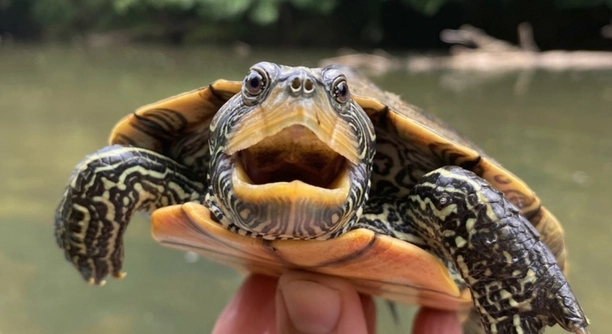
Many turtle owners often wonder if their pets enjoy being handled. Understanding their behavior can help you create a more comfortable environment for them. Learning how to interact with map turtles properly is essential for their well-being.
Map turtles generally do not enjoy being handled. They are naturally shy and may become stressed when touched or picked up. Repeated handling can cause them to feel threatened, impacting their overall health and behavior.
Proper handling of map turtles requires understanding their natural instincts. Learning more about how they respond to human interaction can ensure your turtle stays happy and healthy.
Why Map Turtles Don’t Like to Be Handled
Map turtles, like many other species of turtles, are creatures of habit. They tend to be more comfortable in their natural habitat, where they feel secure. Handling them can often create unnecessary stress because it interrupts their routine. When you remove a turtle from its familiar environment, it may feel vulnerable, which can lead to fear and anxiety. This stress response is their way of protecting themselves. The process of being picked up and touched can cause them to withdraw into their shell or even bite if they feel threatened.
While some people may assume that turtles can be treated like pets that enjoy physical interaction, map turtles are different. They do not seek out human contact and will often retreat into their shell when touched. This behavior is a survival mechanism that helps them feel safe. The best way to respect their nature is by keeping handling to a minimum.
Being cautious about how often you handle your turtle is important for maintaining its well-being. If you must handle them, try to keep it brief and gentle. Make sure to always support their body properly to avoid causing injury. Over time, you’ll learn how to read their signs and avoid unnecessary stress.
Signs of Stress in Map Turtles
Stress in map turtles often manifests in subtle ways. You may notice that they become more withdrawn, hiding in their shell for longer periods or trying to escape their enclosure. These actions are clear indicators that your turtle feels uncomfortable. A stressed turtle may also exhibit aggressive behavior, such as biting or hissing, in an attempt to protect itself.
Long-term stress can affect the health of your turtle. When they are frequently handled or feel threatened, their immune system may weaken, making them more susceptible to illness. This is why it’s important to pay attention to how they react to interaction. If a map turtle shows signs of distress, it’s best to back off and give them space to calm down.
Ensuring your turtle’s environment is stable and calm can help minimize stress. Keep their habitat consistent and avoid sudden changes in temperature, lighting, or water conditions. A stressed turtle can have trouble feeding, which can lead to nutritional problems. By being mindful of their stress levels, you can help them thrive in captivity.
How to Properly Interact with Your Map Turtle
If you want to interact with your map turtle, the best approach is to be gentle and slow. Start by simply observing your turtle in its environment. Let it get used to your presence before attempting any physical contact. When you do pick up your turtle, be sure to do so carefully, supporting both its body and shell to prevent any strain or discomfort. It’s important to remember that map turtles are not fond of being handled for long periods.
Some turtles tolerate brief handling, but that doesn’t mean they enjoy it. Forcing interactions on a turtle that is visibly stressed can lead to negative behavioral changes. If your goal is to bond with your map turtle, it’s better to do so on their terms. Spend time near their enclosure, allowing them to get used to your presence without feeling pressured. This can help build trust over time.
Consider setting up a routine where your turtle feels comfortable during feeding or cleaning. These activities allow for interactions that don’t require physical handling. Always observe your turtle’s body language. If they appear stressed, it’s best to give them some space. Over time, you’ll develop a better understanding of what makes your map turtle feel safe.
Alternatives to Handling Map Turtles
If you enjoy interacting with your map turtle, but they aren’t fond of being handled, there are plenty of alternatives that can help you bond without causing stress. Providing an enriched environment for your turtle is one of the best ways to engage with them. Set up a habitat that mimics their natural surroundings with plenty of hiding spots, basking areas, and clean water. This allows your turtle to explore and feel at ease in its space.
Another way to bond with your turtle is through regular feeding. Map turtles typically enjoy eating a variety of foods, including aquatic plants, insects, and small fish. Offering food can be a way to build trust without direct contact. Try hand-feeding your turtle, but always ensure that it’s done calmly to avoid startling them. This slow interaction can help your turtle associate you with positive experiences.
By creating a stable and interactive environment, you can strengthen your relationship with your map turtle. Giving them the space they need while providing the proper care will ensure that they stay healthy and content.
How to Tell if Your Map Turtle is Comfortable
One of the easiest ways to gauge if your map turtle is comfortable is by watching its behavior. When relaxed, a turtle will swim or bask in the open and show normal eating habits. If it hides in its shell, this might indicate discomfort or stress.
Turtles that are comfortable in their environment may be more active, exploring their habitat and swimming confidently. A turtle that is consistently hiding or staying inactive can be a sign of fear or unease. Additionally, if your turtle frequently hides when you approach, it’s likely not feeling comfortable.
Healthy eating and normal behavior are good indicators that your map turtle is at ease. If they regularly come to the surface to bask and swim, it’s a sign that their enclosure is set up well and they’re feeling secure in their surroundings. Changes in these behaviors should prompt a review of their habitat and routine.
The Importance of a Stress-Free Environment
A stress-free environment is crucial to your map turtle’s health. This includes a clean and stable habitat with proper lighting, temperature, and water conditions. Any significant changes in their surroundings can lead to stress, so keeping their home consistent is key.
Proper water quality is especially important for map turtles. Dirty water can lead to health issues like infections or shell rot, and poor water conditions can cause stress. Make sure to clean their enclosure regularly and ensure their water temperature stays in the right range. Similarly, lighting plays a vital role in regulating their daily cycle, so proper UVB lighting is essential for their well-being.
By providing a stable environment, you minimize the risk of stress-related health problems. A comfortable space allows your turtle to behave naturally, which leads to a happier and healthier life. Keeping their space consistent is one of the simplest ways to improve their quality of life.
The Role of Diet in Map Turtle Health
Diet plays a significant role in your map turtle’s overall health. A balanced diet of both plant and animal-based foods is crucial for maintaining strong shells and good energy levels. Offering a variety of foods helps prevent nutritional deficiencies.
Map turtles thrive on a mix of aquatic plants, insects, and small fish. This varied diet provides essential vitamins, minerals, and proteins. You should also provide them with calcium-rich foods to support shell health. Offering food in a way that mimics their natural hunting behavior can keep them mentally stimulated and active.
Common Health Issues in Map Turtles
Map turtles are prone to certain health issues, especially if they are stressed or not properly cared for. Respiratory infections are common, often caused by poor water quality or temperature fluctuations. Shell rot is another concern, typically resulting from dirty conditions or a lack of UVB lighting.
To prevent these health issues, it’s vital to maintain a stable and clean environment. Regularly checking your turtle’s shell for signs of damage or infection is also important. If you notice any changes in your turtle’s behavior, it may be worth consulting a vet to catch any health issues early.
How to Keep Your Map Turtle Active
Keeping your map turtle active is key to its physical and mental well-being. Providing enough space in their habitat for swimming and exploration will encourage movement. You can also add some hiding spots and objects to their tank to stimulate their natural instincts.
FAQ
Do map turtles enjoy being handled?
Map turtles generally do not enjoy being handled. They are naturally shy creatures and feel most comfortable in their environment, free from human interaction. When handled, they often become stressed, retreating into their shell or displaying signs of anxiety. Frequent handling can negatively impact their well-being and cause long-term stress. To ensure their health and happiness, it’s best to limit physical interaction to a minimum. Instead, allow them to adjust to your presence and avoid forcing them into situations where they feel threatened.
How often should I clean my map turtle’s tank?
Map turtle tanks should be cleaned regularly to maintain a healthy environment. At a minimum, the tank should be partially cleaned every week. This includes changing about 25-30% of the water to prevent the buildup of harmful toxins. The tank and filter system should be fully cleaned every 3-4 weeks to ensure that all debris, algae, and waste are removed. A clean tank reduces the risk of health issues like respiratory infections or shell rot, keeping your turtle happy and safe.
What is the ideal temperature for a map turtle’s tank?
Map turtles need a specific range of temperatures to thrive. The water temperature should be maintained between 75°F and 80°F (24°C to 27°C), while the basking area should be between 85°F and 90°F (29°C to 32°C). Proper temperature regulation helps your turtle digest its food properly and regulates its activity levels. A reliable water heater and a heat lamp for the basking area will help achieve and maintain these temperatures. Always monitor the tank’s temperature to avoid drastic fluctuations.
Can map turtles live with other turtles or pets?
Map turtles are generally solitary creatures and can be territorial, especially during feeding times. It is possible to house multiple map turtles together, but you must ensure enough space for each turtle. Territorial behavior can lead to aggression and stress if they are confined to a small area. As for living with other pets, it is not recommended to house map turtles with species that might stress or harm them, like fish or amphibians. Always consider the needs of each animal before placing them in the same tank.
How long can map turtles go without food?
Map turtles can go for a few days without food, but it is not recommended to allow this. The length of time depends on the turtle’s age, health, and environmental conditions. Generally, a healthy adult map turtle can survive for up to 3-4 days without food, but it is best to feed them regularly. Young turtles or those that are sick may not be able to go without food for long. Ensuring a steady, nutritious diet is essential for their growth and health.
What should I feed my map turtle?
Map turtles have a varied diet that includes both animal and plant matter. They typically eat aquatic plants, insects, small fish, and sometimes snails or worms. You can offer them commercial turtle pellets designed for their nutritional needs, but they should not make up the entire diet. Fresh leafy greens, like dandelion greens, kale, and lettuce, are excellent plant options. Adding a variety of foods keeps your turtle mentally stimulated and ensures they receive all the necessary vitamins and minerals for healthy growth.
Do map turtles need UVB lighting?
Yes, UVB lighting is essential for map turtles. UVB rays help them produce vitamin D3, which is crucial for calcium absorption and shell health. Without proper UVB exposure, map turtles are at risk of developing metabolic bone disease, which affects their bones and shell. A UVB light source should be placed over the basking area and replaced regularly, as the intensity of UVB light decreases over time. Providing a consistent light cycle that mimics natural day and night conditions is important for their overall health.
How can I tell if my map turtle is stressed?
Signs of stress in map turtles include excessive hiding, not eating, and swimming erratically. They may also become more aggressive, biting or hissing when approached. A stressed turtle may also retreat into its shell more often or display sluggish behavior. Changes in their activity or eating habits can also be indicators that they are stressed. If you notice any of these signs, it’s important to check their environment for any changes that may have caused the stress, such as poor water quality, incorrect temperature, or excessive handling.
Why is my map turtle’s shell soft?
A soft shell in map turtles is usually a sign of calcium deficiency or poor lighting. Without sufficient calcium, a turtle’s shell cannot properly harden, leading to a soft, pliable shell. This can also occur if they are not receiving enough UVB light, which is essential for calcium absorption. To fix this issue, ensure your turtle is getting a calcium supplement in its diet and is exposed to proper UVB lighting. If the condition persists, consulting a veterinarian is recommended for proper diagnosis and treatment.
Can map turtles live outside?
Map turtles can live outside if the climate is suitable and they have access to a safe, controlled environment. They need a pond or enclosure that allows them to swim, bask, and hide. If the temperatures in your area are warm enough and there is access to proper UVB light, map turtles can enjoy the outdoors. However, it is important to protect them from predators and ensure the water is clean and at the correct temperature. If the weather gets too cold, you should bring them back indoors to prevent health issues.
Do map turtles hibernate?
Map turtles do not hibernate in the traditional sense, but they do enter a period of dormancy during colder months. This is more common in wild turtles, where a drop in temperature leads to reduced activity and a slower metabolism. In captivity, if the temperature is kept stable, map turtles are usually active year-round. However, if temperatures are allowed to drop, they may become less active and eat less. It’s important to monitor their health during this time and avoid letting them become too cold.
Taking care of a map turtle requires a balanced approach that respects their natural instincts. These turtles are shy creatures, and while they may tolerate some interaction, they do not seek out human contact. Handling them too often can lead to stress and discomfort, which could affect their overall health. The best way to build a good relationship with your map turtle is by giving them space to feel safe while ensuring their environment is suitable for their needs. Avoiding excessive handling and focusing on maintaining a clean, stable habitat will go a long way in helping your turtle thrive.
Understanding the behavior of map turtles is key to creating a suitable living environment. They are naturally territorial and prefer to stay in their own space. It’s important to pay attention to signs of stress, such as hiding, lack of appetite, or aggressive behavior. Stress can be caused by many factors, including improper tank conditions, inadequate diet, or too much physical interaction. A healthy, thriving map turtle is one that feels secure in its habitat and has consistent access to the right conditions, such as proper water quality, lighting, and temperature.
In the end, the well-being of your map turtle depends on providing a balanced environment and understanding their need for solitude. By offering a variety of food, keeping their tank clean, and ensuring they have both basking and swimming areas, you’ll help your turtle stay healthy and active. Taking the time to observe their behavior and adjusting their care accordingly will ensure they are happy in their home. The more you respect their natural habits, the better chance you’ll have of fostering a peaceful and healthy environment for your map turtle.

Hello,
If you enjoy the content that we create, please consider saying a "Thank You!" by leaving a tip.
Every little bit helps us continue crafting quality advice that supports the health, happiness, and well-being of pets around the world, for pets of all shapes, sizes, and species.
We really appreciate the kindness and support that you show us!