
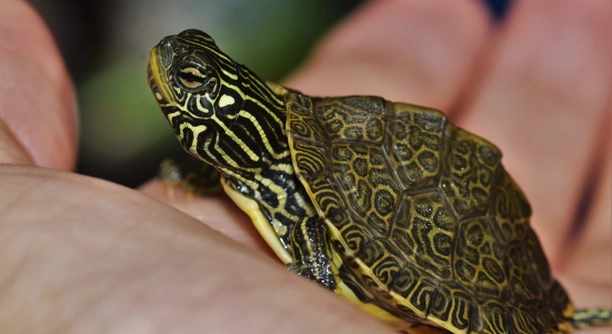
Map turtles are fascinating creatures, but sometimes they engage in unusual behaviors, like digging. If you’ve noticed your map turtle digging, you’re probably wondering what this means and why it happens.
Map turtles dig for various reasons, including nesting, hunting for food, or seeking shelter. It is a natural behavior that can also be linked to stress or environmental changes in their habitat.
Understanding the underlying causes of this behavior can help you provide the best care for your map turtle. Let’s explore why your turtle may be digging and how you can address it.
Possible Reasons Map Turtles Dig
Map turtles may dig for several reasons. One of the most common reasons is nesting. Female map turtles dig to lay their eggs, which is a natural instinct. Another reason could be hunger. Turtles often dig around their environment looking for food or insects to eat. Digging can also indicate that the turtle feels the need to burrow for comfort or protection. If a turtle is feeling stressed, it may dig as a way to seek security.
In some cases, map turtles dig due to changes in their habitat. If there are temperature fluctuations or if they are not provided with a proper hiding space, they may start digging.
Lastly, overexposure to direct sunlight or not having enough water to submerge themselves in can lead to increased digging behavior. It’s important to ensure your map turtle’s habitat is balanced and comfortable to prevent this.
How to Address Digging in Map Turtles
To reduce excessive digging, start by making sure your map turtle’s enclosure is spacious and well-suited for their needs.
A clean, well-maintained environment with access to proper water and hiding spots will help your map turtle feel more secure. Consider adding more soft substrates like soil or sand that allow the turtle to dig without stress. If nesting is the issue, providing a nesting box can give the female turtle a safe place to lay her eggs.
Creating an enclosure that mimics a natural habitat, with both wet and dry areas, will help prevent unnecessary digging. Ensure the temperature and humidity are consistent, as sudden changes can trigger digging. If your turtle’s behavior persists, consult a vet to rule out any health problems.
Stress and Anxiety in Map Turtles
Stress is a common reason for map turtles to dig. When their environment isn’t right, they may try to dig as a way to escape or find comfort.
Map turtles are sensitive to changes in their surroundings. If there are loud noises, sudden temperature fluctuations, or too many people around them, they may feel anxious. This can lead to them digging. Also, being housed in an overcrowded tank or being handled too often can increase stress levels, leading to this behavior.
To help your turtle, provide a quiet, calm environment with minimal disturbance. Ensure their space is large enough, and avoid frequent handling. Keep the tank clean and maintain stable temperature and humidity levels. When turtles feel safe, they’re less likely to dig from stress.
Environmental Factors
The environment plays a big role in why map turtles dig. If their habitat isn’t ideal, they may dig to find a more comfortable spot.
Map turtles need access to water and land. If their tank is too small or lacks a good water area, they might start digging. They’re also sensitive to temperature. A tank that is too hot or too cold can cause discomfort, leading to digging behavior. Make sure your turtle has enough space to roam and explore both on land and in the water.
The quality of the substrate used in the tank can also influence digging. A soft substrate like sand or soil will allow them to dig without causing injury.
Nesting Behavior
Female map turtles dig to create nests where they can lay their eggs. This is a natural part of their life cycle.
If your turtle starts digging more frequently, it could be a sign she is preparing to lay eggs. Female map turtles require a specific space to dig and bury their eggs. Offering a suitable nesting area is essential.
If you notice signs of nesting, provide a nesting box with soft, moist soil. Ensure your turtle has the privacy and space she needs to complete the process.
Hunger and Foraging
Map turtles may also dig in search of food. They dig to find insects, plants, or other small creatures they would naturally eat.
If you’re seeing digging behavior, it could be that your turtle is hungry or looking for food. Make sure your map turtle’s diet is varied and balanced, with access to live or plant-based food. This will prevent them from digging to forage for nutrients.
Temperature and Humidity
Temperature and humidity levels are key factors in map turtles’ behavior. When these aren’t right, turtles may dig as a response.
Ensure your map turtle’s enclosure has both a warm basking area and a cooler, shaded spot. A basking light helps with heat, and proper humidity will keep your turtle comfortable. Regularly check these factors to maintain balance.
FAQ
Why is my map turtle digging so much?
Map turtles dig for a variety of reasons, including nesting, searching for food, or simply trying to create a comfortable space. If your turtle is a female, she may be preparing to lay eggs. If your turtle is digging excessively, it could also be stressed due to changes in its environment, such as temperature fluctuations, lack of hiding spots, or overcrowding in the tank. It’s important to observe your turtle’s behavior closely to understand what may be causing the digging.
How can I stop my map turtle from digging?
To stop your map turtle from digging excessively, ensure that its habitat is comfortable and properly set up. Provide both water and land areas, with a substrate that is suitable for digging, such as sand or soil. Keep the temperature and humidity levels consistent and avoid over-handling your turtle. If the digging is caused by stress, a more peaceful environment may help. Additionally, ensure your turtle is getting enough food, as hunger could also be a factor.
What should I do if my map turtle is digging and not eating?
If your map turtle is digging but not eating, it could be a sign of stress or an environmental issue. First, check the water quality and temperature, as well as humidity levels, to ensure they are within the appropriate range. Turtles may stop eating if these factors are not right. Also, check for any signs of illness or injury. If the problem persists, consider consulting a vet to rule out any underlying health concerns.
How do I know if my map turtle is digging to lay eggs?
If your female map turtle is digging, one possible reason is that she is preparing to lay eggs. This typically occurs during the warmer months, when map turtles naturally seek out a suitable spot to dig and deposit their eggs. Look for signs of nesting, such as digging in soft soil or sand. You can help by providing a nesting area, such as a box filled with moist soil, for her to lay her eggs.
Is it normal for my map turtle to dig all the time?
It’s not unusual for map turtles to dig occasionally, but if your turtle is digging all the time, it could indicate a problem. Excessive digging may be linked to stress, an unsatisfactory habitat, or a lack of appropriate food. Ensure that your turtle’s environment is balanced, with enough space, proper water conditions, and hiding spots. If the behavior continues, it’s important to check for any changes in the tank or consult a vet.
Can digging be a sign of a health problem in my map turtle?
While digging is generally a natural behavior for map turtles, if it becomes excessive or abnormal, it could signal a health issue. Turtles may dig if they are feeling unwell or stressed. Common health concerns that might trigger digging include shell problems, parasites, or infections. Keep an eye out for other signs of illness, such as lethargy, loss of appetite, or abnormal swimming. If you suspect a health issue, it’s a good idea to consult a reptile vet.
How often should I provide a nesting box for my map turtle?
If you have a female map turtle, you should provide a nesting box whenever she is in her breeding season, which is typically during the warmer months. A nesting box filled with moist soil or sand should be available for her to dig in when she is ready to lay eggs. Even if she doesn’t lay eggs every year, having the option available is important for her well-being.
What is the best substrate for a map turtle tank?
The best substrate for a map turtle tank should allow for natural behaviors, including digging. Fine sand, soil, or a mix of both are excellent options for turtles that enjoy digging. Avoid using sharp gravel or rocks, as these can cause injury to your turtle. Ensure that the substrate is kept clean and dry to prevent bacteria buildup, especially in the areas where your turtle may dig.
How can I tell if my map turtle is stressed?
Map turtles show signs of stress in various ways, including excessive digging, changes in appetite, or erratic swimming behavior. Stress can result from factors such as changes in the environment, too much handling, overcrowding in the tank, or improper tank conditions. Keep a close eye on your turtle’s behavior, and try to identify any changes in the tank that might be causing the stress. Reducing the stress factors can help your turtle return to normal behavior.
Can male map turtles dig too?
While female map turtles are more likely to dig for nesting, males may also dig for other reasons. Male map turtles might dig if they are feeling stressed, searching for food, or creating a comfortable area for themselves. However, it’s less common for males to dig as much as females, especially when it comes to nesting behavior. Keep an eye on the environment and ensure that the tank setup is suitable for both male and female turtles.
Is it okay to handle my map turtle while it’s digging?
It’s best to avoid handling your map turtle while it’s digging, as this could cause unnecessary stress. Turtles are often digging to find food, create a comfortable spot, or prepare to lay eggs. Interrupting them during this time can cause anxiety, which may lead to more digging. Allow your turtle to finish the behavior without interference. If handling is necessary, do so gently and avoid overdoing it to reduce stress.
Final Thoughts
Map turtles are fascinating creatures with natural behaviors that can sometimes leave us puzzled. Digging is one of those behaviors that may seem strange at first, but it’s often part of their instinctive actions. Whether they’re digging to find food, create a nesting site, or simply adjust their environment for comfort, it’s essential to understand the reasons behind the behavior. As a turtle owner, being aware of these natural tendencies can help you provide a better living space and avoid unnecessary stress for your turtle.
If you notice that your map turtle is digging more frequently than usual, take a closer look at its environment. Factors like temperature, humidity, and the availability of hiding spaces play a significant role in your turtle’s behavior. Map turtles are sensitive to changes in their surroundings, and discomfort can often lead to digging. Ensuring that your turtle’s habitat is large enough, clean, and properly equipped with both water and land areas can help reduce stress and prevent excessive digging. Adding appropriate substrates like sand or soil can also provide your turtle with a natural space for digging without causing harm.
It’s also important to remember that digging can be a sign of nesting, especially for female map turtles. If your turtle is a female, consider providing a nesting box with soft, moist soil to support her natural nesting instincts. If digging seems excessive or appears to be linked to stress or health issues, it’s always a good idea to consult a vet. Ultimately, creating a calm and stable environment for your map turtle will help ensure its well-being, making it easier for both you and your turtle to enjoy a comfortable life together.

Hello,
If you enjoy the content that we create, please consider saying a "Thank You!" by leaving a tip.
Every little bit helps us continue crafting quality advice that supports the health, happiness, and well-being of pets around the world, for pets of all shapes, sizes, and species.
We really appreciate the kindness and support that you show us!