
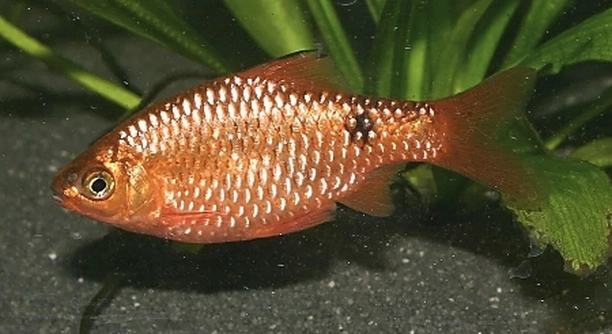
Are your rosy barbs spending most of their time near the bottom of the tank, making you feel something might be off?
Rosy barbs tend to hang near the bottom when they are stressed, sick, or reacting to poor water conditions. Environmental factors like low oxygen, high ammonia levels, or sudden changes in temperature can also cause this behavior.
Knowing why this happens can help you take the right steps to improve their health and create a better tank environment.
Common Reasons Rosy Barbs Stay Near the Bottom
Stress is one of the most common reasons rosy barbs stick close to the bottom of the tank. This could be caused by aggressive tankmates, sudden changes in their environment, or a noisy space around the aquarium. Poor water conditions can also impact their behavior. High ammonia or nitrate levels, low oxygen, or inconsistent temperatures often cause discomfort, forcing them to stay near the bottom where they might feel safer. Illness is another possibility. When sick, rosy barbs tend to be less active, showing signs like clamped fins, pale color, or rapid breathing. Poor diet or parasites may also contribute. Monitoring their behavior closely helps identify any pattern or sudden change. If only one fish is acting this way, it could be individual stress or illness. But if multiple rosy barbs are affected, it’s likely tied to water quality or tank conditions.
Make sure the tank isn’t overcrowded and has enough hiding spaces to reduce stress.
Testing the water regularly can help prevent long-term problems. Keep ammonia at zero, nitrites low, and maintain stable temperatures around 74°F to 79°F. Feeding them a balanced diet and avoiding overfeeding also supports their health. Slight adjustments can help get them moving comfortably again.
How to Respond and Help Them Recover
Avoid adding new fish or changing the layout too often, as sudden changes can overwhelm them.
If your rosy barbs are staying at the bottom, start by checking the water parameters using a reliable test kit. High ammonia or nitrite levels should be corrected immediately with a partial water change. Ensure your tank has proper filtration and aeration. A lack of oxygen could make them sluggish, so adding an air stone may help. If stress seems to be the cause, turn off nearby loud sounds and dim bright lights. Observe them for visible signs of illness like white spots, bloating, or ragged fins. If any signs appear, isolate the affected fish and treat them with an appropriate medication. Feeding them high-quality pellets or flakes, along with the occasional frozen or live food, boosts their immune system. Make small changes gradually and always monitor their behavior after each one. These small steps can bring back their energy and natural swimming habits.
Signs to Watch for in Rosy Barbs
If your rosy barb is inactive, breathing heavily, or showing dull colors, it may be stressed or unwell. These signs are often the first clues that something in the tank needs attention or adjustment.
Look closely at their swimming patterns. Healthy rosy barbs are active and curious, often swimming in small groups. If one isolates itself, hides constantly, or floats oddly—like tilting or struggling to stay upright—it might be reacting to stress or illness. Check for clamped fins, spots, bloating, or ragged tails, as these could indicate infection or injury. Reduced appetite is another warning sign. If they stop eating, they could be dealing with internal issues or be uncomfortable due to water conditions. Rapid gill movement or gasping at the surface usually signals low oxygen or water quality problems that need immediate correction.
Consistency is key when monitoring behavior. Track any changes over a few days to spot patterns.
If symptoms appear in multiple fish, test your water immediately. Ammonia spikes or poor filtration can cause group-wide stress. Ensure your filter isn’t clogged, and increase water circulation if needed. If one fish appears sick while others seem fine, consider separating it to reduce risk of spreading disease. Always quarantine new fish before adding them. Treatments should be species-safe and added only after identifying the specific issue. Medications for fin rot, ich, or bacterial infections should be used carefully and never combined without guidance. Reduce feeding slightly during treatment to avoid extra waste buildup in the tank. Watch how your rosy barbs respond each day, and adjust care accordingly.
Preventive Measures for a Healthier Tank
Routine tank maintenance is one of the most effective ways to keep rosy barbs happy and swimming freely. Small weekly water changes and checking your equipment can make a noticeable difference.
Start with weekly 20–30% water changes using dechlorinated water at the same temperature as the tank. This helps remove waste, extra food, and toxins that build up over time. Vacuum the gravel gently to clean debris without disturbing the fish too much. Keep a thermometer in the tank and check it daily to ensure stable temperature. Clean filters monthly, but avoid washing them with tap water, which kills beneficial bacteria. Instead, rinse them in old tank water. Feed your rosy barbs once or twice daily, offering only as much as they can eat in a few minutes. Avoid overfeeding, which leads to water quality issues. Observe them briefly each day so you can catch early signs of trouble.
Environmental Factors That Influence Behavior
A sudden drop in water temperature can cause rosy barbs to slow down and stay near the bottom. Keep the temperature stable and avoid placing the tank near windows, vents, or direct sunlight that might affect heat levels.
Low oxygen levels often lead to sluggish behavior. If your rosy barbs are gasping or staying low, increase surface agitation using an air stone or adjust the filter output. Proper water movement helps oxygenate the tank and encourages active swimming.
When to Consider a Vet or Specialist
If your rosy barb continues bottom-sitting despite stable conditions and no visible signs of illness, it may be time to consult an aquatic vet. Persistent symptoms like labored breathing, visible wounds, or rapid decline should not be ignored. A specialist can perform tests and provide proper treatment. Some infections or internal problems may not be obvious to the eye and require expert care. Do not use random medications without a diagnosis, as this could make things worse. Keep a log of symptoms, water parameters, and recent changes to help the vet understand what’s been happening.
How Tank Size Impacts Activity
A tank that’s too small can stress rosy barbs, making them less active and more likely to hide near the bottom. A group of rosy barbs does best in a tank that’s at least 30 gallons.
FAQ
Why is only one of my rosy barbs staying at the bottom?
If just one rosy barb is hanging near the bottom, it may be sick, stressed, or recovering from injury. Look for signs like clamped fins, fading color, or loss of appetite. This kind of behavior is often a sign that something is wrong with that individual fish, not the whole tank. It’s helpful to isolate the fish in a separate tank if symptoms continue. This allows you to observe it more closely and prevent possible illness from spreading. Monitor water conditions and review any recent changes, like tank rearrangements or new fish introductions.
Do rosy barbs sleep near the bottom of the tank?
Yes, rosy barbs often rest near the bottom when sleeping. This typically happens at night or when the tank lights are off. Their movement slows down, and they may hover or settle quietly near the substrate or plants. As long as they resume normal activity during the day and don’t appear distressed, this is completely normal. It’s only a concern if the fish stays near the bottom during active periods, shows signs of illness, or isolates itself for long periods. Consistent inactivity is a stronger sign of a problem than quiet resting at night.
Can water flow affect rosy barb behavior?
Yes, water flow has a direct impact on rosy barbs. They enjoy a moderate current and tend to be more active when the flow is steady but not overpowering. If the current is too strong, they may seek calmer areas near the bottom, which could look like abnormal behavior. On the other hand, poor water circulation can reduce oxygen levels and lead to sluggish swimming. Always ensure your filter is working properly and that water moves across the surface to support gas exchange. Adjust your filter output if you notice your fish are avoiding high-flow zones.
How can I tell if my rosy barb is breathing too fast?
Watch the movement of the gills. If they’re flaring quickly, especially when the fish is inactive or staying in one spot, it could be a sign of stress or low oxygen. Compare it with other barbs in the tank. If one fish is breathing faster than the rest, check for illness or environmental problems. Make sure the tank has good aeration, and test for ammonia or nitrite spikes. Breathing rapidly is one of the earliest signs of distress and shouldn’t be ignored, especially if paired with lethargy or bottom-sitting behavior.
What tank mates are best for rosy barbs to reduce stress?
Choose peaceful fish that enjoy similar water conditions. Good companions include zebra danios, cherry barbs, and corydoras catfish. Avoid slow-moving or long-finned fish, as rosy barbs can become nippy in tight spaces. Having at least five rosy barbs helps reduce aggression within their group. They are schooling fish and feel safer in numbers. A calm environment with compatible species prevents them from hiding near the bottom out of stress. Always research the needs of each fish before adding them to the tank.
Is it normal for rosy barbs to stop eating when stressed?
Yes, stress often leads to a reduced appetite. If your rosy barb has stopped eating, check for signs of poor water quality, illness, or changes in their surroundings. A new environment, bright lighting, or aggressive tank mates can also cause stress. Try offering food they usually enjoy, like frozen brine shrimp or daphnia. If they continue to refuse food for more than two days, further investigation is needed. Early changes in appetite should be taken seriously, especially when paired with bottom-sitting or sluggish movement.
How long does it take a rosy barb to recover from stress or illness?
Recovery time varies depending on the cause. Mild stress from a water change or tank rearrangement may resolve within a day or two. Illness, on the other hand, can take a week or longer. Proper treatment, clean water, and a stress-free environment are essential for recovery. Avoid making additional changes during this time. Let the fish settle and regain energy naturally. Monitor its behavior and feeding habits daily. If improvement is slow or signs worsen, consult a vet who specializes in aquatic animals for additional help.
Can rosy barbs become depressed or lonely?
While fish don’t experience emotions the same way humans do, rosy barbs are social and can become inactive if kept alone. They thrive in groups of five or more. Without companions, they may hide more often, show duller colors, or become less responsive. Group dynamics help regulate their behavior and activity levels. A solitary barb may appear moody or lethargic due to the lack of interaction and stimulation. If you notice this, consider adding a few compatible barbs to encourage healthier, more natural behavior.
Do temperature drops make rosy barbs sick?
Yes, sudden temperature drops can weaken their immune system. This makes them more vulnerable to illnesses like ich or fin rot. Always use a heater to maintain stable temperatures between 74°F and 79°F. Avoid placing the tank near windows, fans, or drafty areas that can cause fluctuations. If you must do a water change, make sure the new water is the same temperature as the tank. Even a few degrees of difference can stress your fish. Keeping temperature stable is one of the easiest ways to avoid health problems.
Final Thoughts
Rosy barbs are active, colorful fish that are usually full of energy. When they begin to hang near the bottom of the tank, it’s a clear sign that something is off. This change in behavior can be caused by poor water quality, low oxygen, illness, stress, or simply a change in their environment. While resting at the bottom at night is normal, staying in one spot during the day is not. It’s important to look for other signs like clamped fins, lack of appetite, or rapid gill movement. These small clues help you understand if your fish needs attention or just a quiet moment.
Taking the time to observe your rosy barbs daily can make a big difference. Regular care like weekly water changes, proper feeding, and tank maintenance help prevent most issues. A stable water temperature, clean substrate, and a peaceful tank setup also support their health. Giving them enough space and keeping them in groups of five or more helps reduce stress. If one fish seems off, it’s always good to test your water and review anything that may have changed in the tank recently. Sometimes a small adjustment—like improving oxygen flow or moving the heater—can solve the problem quickly.
If problems continue despite your efforts, it’s okay to seek help from a specialist. Fish health can sometimes be complex, especially when there are no visible signs. Don’t wait too long if you notice ongoing symptoms. Acting early often leads to better outcomes. Rosy barbs respond well to proper care, and most will return to normal once the issue is fixed. Being patient and paying attention to their behavior helps you build a better understanding of what they need. Over time, caring for them becomes easier and more rewarding. Keeping your fish healthy isn’t just about the right tools—it’s also about noticing changes and responding with care.

Hello,
If you enjoy the content that we create, please consider saying a "Thank You!" by leaving a tip.
Every little bit helps us continue crafting quality advice that supports the health, happiness, and well-being of pets around the world, for pets of all shapes, sizes, and species.
We really appreciate the kindness and support that you show us!