
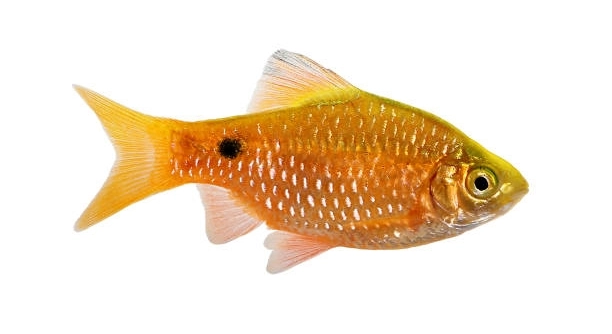
Rosy Barbs are popular freshwater fish known for their vibrant colors and active behavior. Many fishkeepers enjoy watching how they interact in their aquariums. Understanding whether these fish prefer groups or pairs can help create a better home environment.
Rosy Barbs are social fish that thrive best in groups rather than pairs. They display more natural behaviors and reduced stress when kept in groups of five or more. Groups help maintain their activity levels and minimize aggression.
Knowing how Rosy Barbs prefer to live will improve their health and overall well-being in captivity. This article explores their social needs to help you care for them properly.
Understanding Rosy Barb Social Behavior
Rosy Barbs are naturally schooling fish that prefer to live in groups. In the wild, they swim together for safety and to maintain social bonds. When kept alone or in pairs, they can become stressed and show signs of aggression or lethargy. Groups of five or more allow them to express their natural behavior more fully. This social structure helps reduce conflicts and creates a calmer environment. Watching a group of Rosy Barbs swim together reveals their playful and active nature. Tank mates also influence their behavior, so it is important to choose compatible species. Providing enough space and hiding spots supports their well-being. Proper water conditions and regular maintenance keep the group healthy. Understanding these social needs leads to a happier and more vibrant aquarium display that reflects their true nature.
Keeping Rosy Barbs in groups promotes their natural behavior and reduces stress, leading to a healthier fish environment.
Choosing the right group size and tank setup supports the fish’s social needs. Providing space, compatible companions, and stable water conditions are essential. This approach prevents aggression and promotes activity. Observing how they interact in a group helps maintain their mental health. A properly managed group shows less fear and more curiosity. Ensuring proper nutrition and avoiding overcrowding also supports their social structure. With these measures, Rosy Barbs display their bright colors and lively movements, creating a pleasant and balanced aquarium setting.
Pairing Rosy Barbs: Pros and Cons
While pairs of Rosy Barbs can form bonds, they often lack the stimulation and security provided by groups. Without a larger group, pairs may become territorial or stressed. This behavior can lead to health issues or reduced lifespan. However, pairs require less space and simpler tank setups. They may also be easier to monitor individually. Some keepers prefer pairs for breeding purposes or limited tank sizes. It is important to watch for signs of stress or aggression in pairs and adjust the environment accordingly.
Pairs of Rosy Barbs need careful observation and management to avoid stress and aggression. They are less ideal for long-term social health but can work in smaller setups if monitored closely. Ensuring stable conditions and providing enrichment helps support their well-being. Regular tank maintenance and balanced feeding also contribute to healthier pairs. In cases where tank space is limited, pairs can be a temporary solution, but a group environment is recommended whenever possible. Proper care and attention can mitigate some risks associated with keeping Rosy Barbs in pairs.
Tank Size and Group Dynamics
A larger tank allows Rosy Barbs to swim freely and maintain their social groups. Small tanks limit their movement and increase stress levels. Providing at least 30 gallons supports groups of five or more, promoting healthier interactions and reducing aggression.
Adequate space is essential for maintaining a stable social hierarchy among Rosy Barbs. In cramped conditions, competition for territory can lead to frequent disputes and injuries. A spacious tank encourages natural schooling behavior and reduces stress. This environment allows the fish to establish personal space without constant conflict, which improves their overall health. Plants and decorations also help by creating hiding spots and visual barriers, breaking up lines of sight to reduce aggressive encounters. Proper filtration and regular water changes keep water quality high, which is critical for their well-being in groups. Investing in a suitable tank size will enhance their quality of life and display their full, vibrant behavior.
Providing enough space is not just about tank volume but also about layout. A well-arranged tank with plants, rocks, and open swimming areas encourages natural movement and social interaction. Avoid overcrowding by limiting fish numbers to the tank size and maintaining water quality. This setup reduces stress and creates a balanced environment where Rosy Barbs thrive socially and physically.
Feeding Behavior in Groups vs. Pairs
Rosy Barbs tend to be more competitive during feeding when kept in pairs. In groups, food distribution is more balanced, allowing each fish to eat without stress. This leads to better growth and health.
When feeding Rosy Barbs in groups, the social structure helps reduce aggressive behavior around food. More fish sharing the space means less competition and less bullying of weaker individuals. Feeding should be done in several spots to encourage equal access. In pairs, dominant fish might monopolize food, causing stress and uneven nutrition. Group feeding also stimulates natural foraging behavior, which contributes to mental stimulation. It is important to offer a balanced diet of flakes, pellets, and occasional live or frozen food to meet their nutritional needs. Monitoring feeding behavior helps prevent overfeeding or aggression, which can affect water quality and fish health. Overall, group feeding supports a healthier, more active community.
Pair feeding requires careful observation to ensure both fish receive enough food. Smaller groups mean fewer opportunities to spread out during feeding, which can increase stress. Providing multiple feeding points and monitoring intake helps reduce conflict. This method demands more attention but can work well with limited tank space.
Stress Levels in Different Social Settings
Rosy Barbs experience lower stress when kept in groups compared to pairs. Groups offer a sense of security, reducing fear and aggressive behavior. This improves their overall health and vitality.
Pairs often show signs of stress like hiding or aggression. Limited social interaction can make them anxious and less active. Stress can weaken their immune system, making them more vulnerable to illness.
Signs of Aggression Among Rosy Barbs
Aggression typically appears as chasing, nipping, or fin damage. It is more common in small groups or pairs where social order is unclear. Watching for these signs early helps prevent serious injury or stress.
Benefits of Keeping Rosy Barbs in Groups
Groups promote natural schooling behavior, which keeps Rosy Barbs active and engaged. Social interaction helps reduce boredom and encourages healthy swimming patterns. In groups, they are less likely to bully each other, leading to a more peaceful aquarium.
Monitoring Rosy Barb Behavior
Regular observation of Rosy Barbs is necessary to maintain a balanced social environment. Changes in behavior, such as lethargy or aggression, signal issues that need attention to protect their well-being.
FAQ
How many Rosy Barbs should I keep together?
Rosy Barbs do best in groups of at least five. Smaller groups or pairs can cause stress and increase aggression. Keeping them in larger groups allows natural schooling behavior and reduces territorial disputes. For tanks under 30 gallons, a smaller number might be necessary, but aim for as many as space permits to support their social needs.
Can Rosy Barbs live happily in pairs?
Pairs of Rosy Barbs may survive but often show signs of stress or aggression. Without a larger group, they can become territorial or lethargic. While pairs require less space, this setup is not ideal for their mental and physical health. Close monitoring and proper tank management are needed if keeping only two.
What tank size is recommended for Rosy Barbs?
A minimum of 30 gallons is recommended for a small group of Rosy Barbs. This size offers enough swimming space and helps maintain water quality. Larger tanks support bigger groups, which is better for their social behavior. Adequate filtration and tank maintenance are essential regardless of size.
Do Rosy Barbs get along with other fish?
Rosy Barbs are generally peaceful but can be semi-aggressive if stressed or kept in small groups. They do well with similarly sized, non-aggressive fish. Avoid slow-moving or long-finned species that might get nipped. Proper tank size and group size reduce aggression and encourage peaceful coexistence.
How does group size affect Rosy Barbs’ feeding behavior?
In groups, Rosy Barbs distribute food more evenly, reducing competition and stress. In pairs, dominant fish might monopolize food, causing weaker individuals to go hungry. Feeding in multiple spots helps ensure all fish get proper nutrition, especially in groups.
What are common signs of stress in Rosy Barbs?
Stress signs include hiding, loss of color, reduced activity, and aggressive behavior like chasing or nipping. Stress weakens their immune system and can lead to illness. Proper group size, tank conditions, and a stable environment help prevent stress.
How can I reduce aggression in Rosy Barbs?
Keeping them in groups of five or more reduces aggression. Providing plenty of space, hiding spots, and a well-structured tank layout helps. Maintaining good water quality and feeding routines also lowers stress and aggressive behaviors.
Are there any special care tips for Rosy Barbs in groups?
Regular observation is important to catch any signs of illness or aggression early. Avoid overcrowding, feed a balanced diet, and maintain clean water. Adding plants and decorations offers shelter and breaks lines of sight, which helps reduce conflicts.
Is breeding Rosy Barbs easier with pairs or groups?
Breeding is often easier with pairs because it allows better control and monitoring. However, a healthy group environment supports natural behaviors and can encourage spawning. For breeding purposes, separating pairs in a dedicated tank can increase success.
What should I do if one Rosy Barb becomes aggressive?
First, check the tank size and group number. Adding more Rosy Barbs or rearranging decorations can help break territories. If aggression continues, consider isolating the aggressive fish or rehoming it. Ensuring a stress-free environment is key to minimizing aggression.
Final Thoughts
Rosy Barbs are social fish that show their best behavior when kept in groups. Groups of five or more create a more natural environment where they feel secure and active. In smaller numbers, especially pairs, Rosy Barbs can become stressed or show aggressive tendencies. Providing enough space and proper tank conditions supports their social nature and helps maintain their health. This care approach leads to a more vibrant and peaceful aquarium where the fish can thrive.
Tank size plays a major role in how well Rosy Barbs adjust to their environment. A minimum of 30 gallons is recommended for a small group to have enough swimming space and room to establish social bonds. Overcrowding or too little space can cause tension and health problems. Along with space, tank decorations like plants and hiding spots contribute to reducing aggression and stress by giving the fish places to retreat. Clean water and proper filtration also keep the group healthy and active.
Feeding behavior is another important factor to consider. Rosy Barbs in groups share food more evenly, which supports better nutrition and growth. In pairs or small groups, dominant fish may prevent others from eating enough. Careful feeding habits, such as offering food in several spots, can help reduce competition. Watching for signs of stress or aggression in the fish is important to catch problems early. Overall, understanding the social needs of Rosy Barbs and meeting them creates a healthier, happier aquarium environment.

Hello,
If you enjoy the content that we create, please consider saying a "Thank You!" by leaving a tip.
Every little bit helps us continue crafting quality advice that supports the health, happiness, and well-being of pets around the world, for pets of all shapes, sizes, and species.
We really appreciate the kindness and support that you show us!