
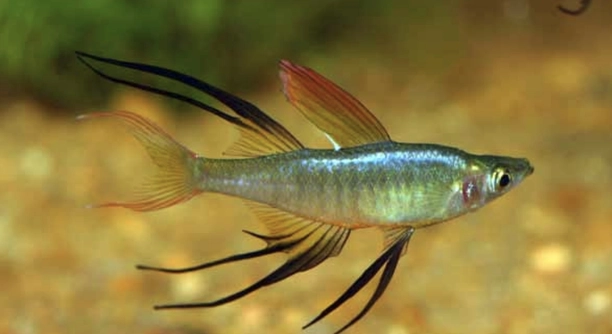
Are your Threadfin Rainbowfish spending more time near the heater than exploring the rest of the tank? Observing this behavior can be concerning, especially when their usual lively swimming patterns seem interrupted.
The primary reason Threadfin Rainbowfish hover by the heater is related to water temperature preferences. Maintaining a slightly warmer area in the tank allows them to regulate their body temperature efficiently, which is essential for their metabolism and overall health.
Understanding this behavior helps ensure your fish remain comfortable and healthy in their environment. Small adjustments can make a significant difference in their well-being.
Understanding Threadfin Rainbowfish Behavior
Threadfin Rainbowfish are naturally active and social, yet you may notice them spending long periods near the heater. This behavior often indicates a need for stable and slightly warmer water temperatures. These fish are sensitive to sudden drops or fluctuations in temperature, which can affect their swimming patterns, feeding, and overall health. Observing them hovering near the heater is a way for them to seek comfort and maintain body balance. Providing consistent warmth in the tank allows them to remain energetic and maintain a proper metabolic rate.
Fish hovering near a heater is usually a sign of temperature preference rather than illness.
Ensuring proper tank conditions is crucial for keeping Threadfin Rainbowfish healthy. Regularly checking water temperature, maintaining appropriate pH levels, and ensuring sufficient oxygenation are key steps. Sudden changes can stress the fish and affect their appetite or color. By monitoring their behavior and the environment, you can support their natural activity levels and reduce any unnecessary hovering near heated areas. Maintaining consistency creates a safe and comfortable habitat.
Common Reasons They Hover
Temperature variations can influence fish behavior and activity.
Threadfin Rainbowfish may also hover by the heater due to water circulation and oxygen levels. Areas near heaters often have slightly warmer, more oxygenated water depending on the tank setup. Additionally, if the tank is crowded or the fish feel insecure, they may seek the stability of a warm corner. Monitoring their interactions and tank layout helps identify stress factors. Ensuring a balanced environment with hiding spots, stable temperatures, and proper water flow supports both physical health and natural behavior. Observing how they move around the tank throughout the day provides insight into their preferences and needs. Adjustments in heater placement, aeration, or tank decorations can make a noticeable difference, encouraging more even swimming patterns and activity. Consistently maintaining water quality and temperature stability minimizes stress, promoting vibrant colors and energetic movements. By attending to these factors, your fish can thrive comfortably.
Adjusting Tank Temperature
Maintaining the right temperature range is essential for Threadfin Rainbowfish. Keeping the water consistently between 24–28°C supports healthy activity levels. A reliable heater and thermometer help prevent sudden drops, ensuring your fish remain comfortable and less likely to hover in one spot.
Consistent water temperature reduces stress and encourages natural behavior. Sudden temperature shifts can lead to lethargy or illness, which may be why your fish stick near the heater. Positioning the heater in a location that allows gentle circulation ensures warmth spreads evenly. Regularly checking the thermometer helps you detect minor fluctuations early. This small step can improve their swimming activity, appetite, and overall vitality. Avoid placing the heater too close to decorations or the tank’s edge, as concentrated heat pockets can create uneven conditions that the fish might avoid.
Proper temperature management also supports breeding readiness and metabolic balance. Threadfin Rainbowfish rely on stable warmth for digestion, immunity, and coloration. When the tank is evenly heated, they explore more, interact socially, and display brighter colors. Observing how they respond after adjustments can guide minor changes, ensuring the environment suits their preferences. Combining heater placement, monitoring, and slight water circulation creates a more comfortable habitat that encourages active, healthy fish without constant hovering.
Monitoring Water Quality
Water quality has a direct impact on fish behavior and health.
Regular testing of ammonia, nitrite, nitrate, and pH levels is crucial. Imbalances or spikes can make Threadfin Rainbowfish stressed and lead them to seek warmer areas near the heater for comfort. Keeping the tank clean and well-maintained reduces the risk of illness. Water changes, proper filtration, and avoiding overfeeding help maintain a healthy environment. By staying attentive to these factors, you ensure the fish remain active, colorful, and comfortable.
Stable water conditions also affect oxygen availability and swimming behavior. Fish may hover if oxygen levels are low or if water movement is minimal. Using an air stone or adjusting filter flow helps maintain proper circulation. Ensuring consistent temperature alongside clean water promotes metabolic efficiency, strengthens immunity, and enhances social interactions among the fish. By regularly monitoring all aspects of the tank, you prevent stress-related behavior and create a habitat that encourages natural activity. Observing your fish daily allows quick responses to minor changes, keeping the environment balanced.
Heater Placement Tips
Placing the heater in an area with good water flow helps distribute warmth evenly. Avoid corners where heat may concentrate, as this can cause the fish to hover unnecessarily. A well-placed heater ensures the entire tank maintains a stable temperature for comfortable swimming.
Positioning the heater near decorations or dense plants can create uneven heat pockets. Moving it slightly or adjusting surrounding items allows better circulation. Observing where the fish spend time after changes helps determine the best setup. Even small adjustments can reduce hovering behavior and promote more active exploration.
Recognizing Stress Signs
Threadfin Rainbowfish may hover excessively when stressed. Stress can result from overcrowding, poor water quality, or sudden environmental changes. Signs include clamped fins, reduced activity, and loss of color. Identifying stress factors early allows for quick adjustments to restore comfort.
Feeding and Activity Balance
Providing regular, balanced meals encourages movement and reduces lingering near the heater. Fish often hover when energy levels drop. Consistent feeding schedules and portion control help maintain activity and overall health.
Tank Decoration Considerations
Dense decorations or limited open swimming space may cause fish to seek warmth near the heater. Rearranging plants and hiding spots can create more comfortable swimming areas and reduce clustering behavior.
FAQ
Why are my Threadfin Rainbowfish always near the heater?
Threadfin Rainbowfish are naturally sensitive to water temperature. They hover near the heater to maintain their preferred warmth, especially when the rest of the tank is slightly cooler. Stable warmth helps them regulate metabolism, digestion, and energy levels. Observing this behavior often signals they are seeking comfort rather than indicating illness.
Is it normal for them to stay in one spot for long periods?
Yes, this can be normal if the temperature or water flow is uneven. Fish often hover where they feel safest and most comfortable. However, if they stop eating or appear lethargic, it may indicate stress or water quality issues that need attention.
Could water quality affect this behavior?
Absolutely. Poor water quality, including high ammonia, nitrite, or nitrate levels, can make fish seek warmer, more oxygenated areas. Regular water testing and maintenance prevent stress. A clean tank with stable pH and proper filtration encourages normal swimming patterns and reduces unnecessary hovering.
Does tank size matter for this behavior?
Yes, smaller or overcrowded tanks can increase stress, causing fish to hover near the heater. Adequate swimming space allows even temperature distribution and reduces competition, promoting natural behavior. Rearranging decorations can also improve circulation and create safer, open areas.
How can I encourage my fish to explore the whole tank?
Ensure consistent temperature throughout the tank and provide sufficient hiding spots and open swimming areas. Balanced feeding and proper oxygenation encourage movement. Monitoring their reactions to changes in layout or temperature helps identify what makes them feel most secure.
Can this behavior indicate illness?
Sometimes. While hovering near a heater is often a temperature preference, unusual lethargy, clamped fins, or faded coloration may suggest stress or disease. Checking water parameters, maintaining cleanliness, and observing their behavior helps determine if medical attention is needed.
How often should I check the tank temperature?
Daily checks are ideal, especially in tanks without automated controls. Small fluctuations can stress Threadfin Rainbowfish. Using a reliable thermometer and adjusting the heater as needed ensures a stable environment, promoting health and reducing the tendency to hover near warmer areas.
Will adding more heaters help?
Adding multiple heaters can help distribute warmth evenly in larger tanks. Ensure they are properly positioned for good circulation to avoid hot or cold spots. Proper placement reduces clustering near one heater and encourages normal swimming patterns across the tank.
Does diet influence this behavior?
Yes, low energy levels can make fish seek warmer areas to conserve energy. Regular feeding with balanced nutrition supports activity and reduces hovering. Avoid overfeeding, which can affect water quality, and provide high-quality food to keep them healthy and active.
Can rearranging decorations affect their behavior?
Definitely. Overcrowded areas or dense plants near cold spots can push fish toward the heater. Creating open swimming spaces and distributing hiding spots evenly encourages exploration. Adjusting tank layout can reduce stress, improve circulation, and promote a more natural environment.
How do I know if my heater is causing problems?
If the fish hover excessively or avoid certain areas, it may indicate uneven heat distribution. Check the heater’s placement, ensure proper water circulation, and verify that it maintains a consistent temperature. Even small adjustments can make a noticeable difference in behavior.
Is it normal for them to return to the heater at night?
Yes, fish often seek warmer areas at night when activity levels drop. This is normal behavior, particularly if the tank temperature is lower during nighttime. Ensuring stable warmth and proper oxygenation prevents stress and supports restful periods for the fish.
Can lighting affect their behavior near the heater?
Indirectly. Bright lighting may make them feel exposed, prompting them to seek sheltered, warmer spots. Adjusting light intensity and providing shaded areas can encourage movement while maintaining comfort and reducing hovering tendencies.
Should I be concerned if only some fish hover near the heater?
No, individual differences in temperament or health can cause some fish to prefer warmer spots. Monitoring water quality, temperature, and behavior ensures all fish are comfortable. Addressing tank environment factors often balances activity among all fish.
What is the best way to maintain a comfortable environment for them?
Consistent temperature, clean water, proper tank size, balanced diet, and thoughtful decoration placement are key. Regular observation and minor adjustments prevent stress, encourage activity, and reduce excessive hovering near the heater. This combination supports long-term health and natural behavior.
Can seasonal changes affect their hovering behavior?
Yes, ambient room temperature shifts can influence tank temperature. During colder months, heaters may need adjustments to maintain stability. Observing how fish respond to seasonal changes allows for timely modifications, keeping their environment comfortable year-round.
How long should I wait before making changes to the heater placement?
Give fish a few days to adjust to any changes. Sudden moves can stress them. Observing behavior after minor adjustments ensures improvements before making further modifications. Gradual changes support their comfort and encourage exploration of the entire tank.
Are there signs that the heater itself is faulty?
Uneven heating, constant hovering, or sudden lethargy may indicate heater issues. Testing water temperature at different points in the tank helps identify problems. Replacing or adjusting the heater ensures a stable environment, promoting natural activity and reducing clustering.
Can other tank mates influence this behavior?
Yes, aggressive or territorial species can push Threadfin Rainbowfish toward warmer corners. Ensuring compatible tank mates and sufficient space reduces stress and encourages balanced swimming patterns. Observation of interactions is key to maintaining a peaceful environment.
Does water circulation play a role?
Strongly. Poor circulation can create cold spots, causing fish to hover near warmer areas. Proper filtration and gentle water movement ensure even temperature distribution, oxygenation, and healthy swimming behavior, reducing stress and promoting activity.
What is the safest temperature range for them?
Threadfin Rainbowfish thrive in 24–28°C. Maintaining consistent warmth within this range supports metabolism, immune function, and overall activity. Sudden deviations can lead to hovering behavior, stress, or illness, so consistent monitoring is crucial.
How often should I clean the tank to support normal behavior?
Regular partial water changes, usually 20–25% weekly, maintain water quality without causing stress. Cleaning substrate and filter components prevents harmful buildup, reduces stress-induced hovering, and ensures a stable environment that supports healthy activity patterns.
Can adding aeration help reduce hovering?
Yes, air stones or additional circulation improve oxygen levels, especially near the heater. This encourages movement throughout the tank and prevents fish from clustering in warmer areas solely for comfort, promoting healthier and more natural behavior.
How long does it take for fish to adjust to temperature changes?
Gradual adjustments over several days allow Threadfin Rainbowfish to acclimate without stress. Rapid changes can lead to lethargy or illness. Observing their response ensures the new conditions support activity and reduce unnecessary hovering near heated areas.
Should I worry if the fish occasionally dart away from the heater?
No, this indicates normal exploration. Fish may briefly leave warm spots for feeding or social interactions but return if the environment suits them. Balanced conditions encourage regular movement while still allowing comfort near the heater when needed.
Can stress from other fish or handling affect heater behavior?
Yes, sudden movements, tank maintenance, or aggressive neighbors can push them toward warmer, safer areas. Minimizing disturbances and maintaining calm, consistent conditions helps reduce stress-related hovering and encourages natural swimming patterns.
Is it okay if they cluster around the heater during feeding?
Yes, warmth can make fish feel comfortable during feeding. However, ensure they have space to explore afterward. Encouraging movement through layout adjustments or gentle water flow promotes activity beyond the heater zone.
Do juveniles behave differently than adults near the heater?
Young fish may hover more as they are more sensitive to temperature and oxygen levels. Adults tend to explore more. Providing consistent warmth and proper tank conditions helps both juveniles and adults remain active and healthy.
Can water hardness affect hovering behavior?
Extreme hardness or softness can stress fish, prompting them to seek stable, warmer areas. Testing and adjusting water parameters to match their needs reduces hovering and supports overall health and activity.
How can I prevent long-term hovering habits?
Maintaining stable temperature, clean water, proper diet, compatible tank mates, and adequate space prevents persistent hovering. Gradual environmental adjustments and observation encourage natural swimming and exploration. Consistency and attention to tank conditions are key to long-term healthy behavior.
Final Thoughts
Threadfin Rainbowfish hovering near the heater is usually a behavior linked to their natural preference for warmth. These fish are sensitive to temperature changes, and they instinctively seek areas where the water feels stable and comfortable. Observing them gather near the heater is often a sign that they are adjusting to the environment rather than experiencing illness. While it may seem concerning at first, understanding the reasons behind this behavior helps in creating a suitable and comfortable tank setup. Consistent warmth encourages their metabolism, digestion, and activity levels, which are all essential for their overall health. Ensuring that the heater maintains an even temperature throughout the tank reduces stress and helps the fish move more freely.
Maintaining good water quality is equally important. Threadfin Rainbowfish rely on clean, stable conditions to thrive. Poor water quality can amplify hovering behavior because the fish seek safer, warmer areas when stressed. Regular water testing for ammonia, nitrites, nitrates, and pH levels is necessary to identify potential issues early. Partial water changes and proper filtration keep the environment balanced, preventing stress-related behavior and health problems. Tank decorations and layout also influence how the fish interact with the heater. Open spaces combined with safe hiding spots allow for natural swimming while still giving the fish areas to retreat if they feel insecure. Proper tank design, along with consistent temperature and clean water, helps reduce clustering around the heater and promotes active, healthy fish.
Temperature, diet, and social factors all play a role in how Threadfin Rainbowfish behave. Balanced feeding provides the energy needed for exploration, while avoiding overfeeding helps maintain water quality. Compatibility with other fish is also critical; aggressive or territorial tank mates can force fish to remain near warmer areas for safety. Monitoring daily behavior provides insight into their needs and preferences, allowing for small adjustments that improve their environment. Over time, a well-maintained tank with stable temperature, clean water, thoughtful decoration, and balanced feeding encourages Threadfin Rainbowfish to swim actively, display bright coloration, and thrive in a safe, healthy habitat. Paying attention to these details ensures their comfort and reduces stress, allowing your fish to live full, natural lives in your aquarium.

Hello,
If you enjoy the content that we create, please consider saying a "Thank You!" by leaving a tip.
Every little bit helps us continue crafting quality advice that supports the health, happiness, and well-being of pets around the world, for pets of all shapes, sizes, and species.
We really appreciate the kindness and support that you show us!