
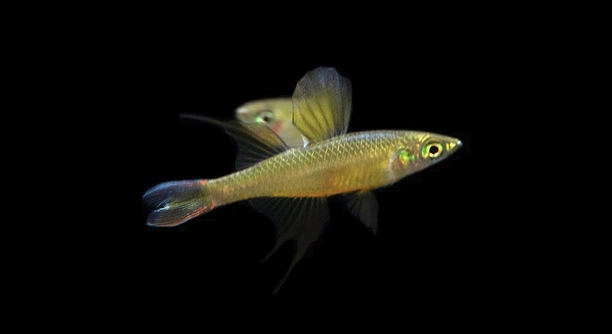
Do you enjoy keeping aquariums and observing the colorful fish within? Threadfin Rainbowfish are often admired for their shimmering scales and lively movements, capturing the attention of both beginner and experienced fish keepers alike.
Threadfin Rainbowfish do respond to their reflections, often exhibiting territorial or curious behaviors. They may approach, display, or even attempt to interact with the reflection, indicating recognition of movement rather than self-awareness. This behavior is consistent across multiple observations.
Watching these fish react can reveal unexpected patterns in their behavior, offering insights into their social interactions and environmental responses in captivity.
How Threadfin Rainbowfish Respond to Reflections
Observing Threadfin Rainbowfish near a reflective surface often reveals a mix of curiosity and cautious behavior. They may swim toward the reflection, hover near it, or display quick flares of color. These reactions are not limited to aggression but can also include exploratory movements, showing interest in what they see. The behavior varies among individual fish, with some reacting more intensely than others. Environmental factors, such as tank size, presence of other fish, and the intensity of lighting, can influence the degree of response. Reflection often stimulates natural instincts, triggering behaviors similar to territorial displays. Placing a mirror for short periods allows you to safely observe these reactions without causing prolonged stress. By understanding these patterns, you can enrich the aquarium environment while maintaining the well-being of your fish. Observing them over time helps in predicting how they interact with both their reflection and other fish in the tank.
These interactions show that Threadfin Rainbowfish can perceive and respond to their reflections, reflecting both curiosity and instinct.
Regular observation of reflective behavior helps identify social dynamics and environmental preferences, contributing to healthier, more engaging tank management for these fish.
Factors Influencing Reflection Responses
Reflection responses depend heavily on tank conditions and individual temperament. Lighting, tank size, and the presence of companions all play a significant role in shaping behavior.
Environmental enrichment, such as plants, hiding spots, and varying decorations, influences how Threadfin Rainbowfish interact with reflections. Fish in sparsely decorated tanks may react more strongly, perceiving the reflection as another fish invading their space. In contrast, fish with ample hiding areas often exhibit more cautious or brief responses. The size and position of mirrors also matter; larger, close mirrors elicit more intense reactions, while smaller or angled mirrors may only trigger curiosity without aggression. Additionally, water quality, temperature, and feeding schedules can indirectly affect responses by influencing overall activity levels. Understanding these factors allows you to provide a balanced habitat that encourages natural behavior without unnecessary stress. Monitoring and adjusting tank conditions ensures that interactions with reflections remain safe and enriching, promoting both physical health and behavioral stability over time.
Mirror Placement Tips
Mirrors should be used sparingly and positioned to avoid constant exposure. Short observation periods prevent stress and allow safe study of reactions.
Placing a mirror near the tank edge for a few minutes a day is usually enough for observing Threadfin Rainbowfish. Avoid leaving mirrors in the tank for long periods, as constant reflection can trigger prolonged territorial behavior or anxiety. Adjusting angles can help you see different reactions without overwhelming the fish. Observing how fish respond to various positions provides insight into their comfort levels and natural instincts, making mirror placement a useful tool for studying behavior.
Ensure that mirrors are placed outside of high-traffic areas of the tank. Using opaque barriers or moving the mirror regularly can minimize overstimulation. Fish may react differently based on tank mates and surroundings. Some individuals may approach confidently, while others remain cautious. By controlling exposure, you can safely monitor behavior and prevent negative impacts on social dynamics. Consistent observation allows for understanding patterns and responses to reflections, enhancing both care and enjoyment.
Common Behavioral Reactions
Threadfin Rainbowfish often display a mix of curiosity and mild aggression when confronted with their reflection, with movements ranging from cautious inspection to flaring fins.
Behavior varies among individuals. Some fish approach the reflection quickly, swimming back and forth or nudging the surface. Others display short bursts of flaring or darting movements before retreating to a safe spot. The reactions are usually brief, lasting only a few minutes at a time, especially when mirrors are used appropriately. Environmental factors, such as the presence of other fish or nearby hiding spaces, influence how bold or cautious a fish becomes. Over time, regular observation helps identify patterns, showing which fish are more dominant, which are more cautious, and how interactions with reflections may mirror social behavior within the tank.
Social dynamics within the tank also play a role. Fish that are more dominant may spend more time confronting their reflection, while submissive fish often observe from a distance. Mirror interactions can mimic competition scenarios, prompting displays that are natural but short-lived. Recognizing these patterns allows you to better manage tank arrangements, reduce stress, and provide opportunities for all fish to express natural behavior safely. Consistent, careful monitoring ensures that reflection-based observations remain informative without causing negative consequences.
Stress Signs from Reflections
Excessive reaction to reflections can indicate stress in Threadfin Rainbowfish. Signs include constant chasing, hiding, or rapid darting across the tank.
Changes in coloration, erratic swimming, or refusal to eat are additional indicators. Limiting mirror exposure helps reduce anxiety and maintains a calm tank environment.
Safely Using Mirrors
Mirrors can be useful for observing natural behavior when used briefly and strategically. Avoid leaving mirrors in the tank for long periods. Short sessions help fish engage with the reflection without causing ongoing stress or aggression, allowing careful study of their natural responses.
Benefits of Observation
Watching reflections helps you understand fish instincts and social behavior. Controlled exposure provides insight into territoriality, curiosity, and interaction patterns.
Environmental Adjustments
Adding plants, rocks, and hiding spots reduces stress from reflections. A well-structured tank encourages safe exploration and balanced behavior.
FAQ
Do Threadfin Rainbowfish recognize themselves in a mirror?
Threadfin Rainbowfish do not demonstrate true self-recognition. Their reactions are based on perceiving movement, color, and perceived presence rather than awareness that the reflection is themselves. They respond instinctively, often displaying curiosity, territorial behavior, or cautious inspection. This behavior is consistent across multiple observations and provides insight into natural instincts.
How long should I leave a mirror in the tank?
Short sessions of a few minutes are sufficient. Leaving mirrors in the tank for extended periods can cause stress, persistent territorial behavior, or anxiety. Observing for brief periods allows you to safely study their reactions without negative effects on overall health.
Why do some fish react aggressively while others are calm?
Individual temperament and social dynamics influence reactions. Dominant fish often confront their reflection confidently, while more submissive fish may remain cautious or avoid the reflection. Tank conditions, the presence of other fish, and environmental complexity also impact behavior.
Can mirror exposure improve fish activity?
Yes, occasional mirror use can stimulate natural behaviors such as swimming, exploring, and displaying fins. Controlled exposure encourages interaction without causing prolonged stress, making it a useful tool for observation and enrichment.
What are the signs of stress caused by reflections?
Signs include excessive chasing of the reflection, rapid darting, hiding, erratic swimming, or refusal to eat. Color changes and constant agitation also indicate that the mirror may be overstimulating your fish. Limiting exposure helps reduce these negative effects.
Where should I place a mirror in the tank?
Mirrors should be positioned at the tank edge or angled slightly to allow observation without constant exposure. Avoid placing mirrors in high-traffic areas, and vary their position to prevent overstimulation while still observing natural reactions.
How do tank conditions affect reactions?
Tank size, lighting, decorations, and the presence of hiding spots influence reflection responses. Sparsely decorated tanks may lead to stronger reactions, while well-structured tanks allow fish to regulate their exposure and reduce stress. Water quality and temperature also affect overall activity levels.
Is it safe to use mirrors daily?
Using mirrors every day is possible but should be limited to short periods. Excessive exposure can lead to stress or aggression. Alternating days or using mirrors a few times per week is safer and still provides behavioral insights.
Can mirror use replace social interaction with other fish?
No, mirrors cannot replace real social interaction. Fish still require tank mates for natural social behavior. Mirrors can only simulate presence or movement temporarily and should be used as a supplement rather than a substitute for companions.
What benefits do I gain from observing reflections?
Observing reflection behavior provides insight into territorial instincts, curiosity, and social tendencies. It helps identify dominant and shy individuals and can guide tank management, environmental adjustments, and enrichment strategies for healthier, more active fish.
How do I prevent stress while using mirrors?
Limit exposure time, provide hiding spots, adjust angles, and monitor behavior carefully. Remove the mirror if signs of stress appear. Consistent, controlled observation allows you to gain insights without causing harm.
Can mirror interaction influence feeding behavior?
Short-term mirror use may temporarily increase activity around feeding times, but prolonged exposure can cause distraction or anxiety, affecting normal feeding routines. Keeping sessions brief ensures minimal interference with daily care.
Do younger or older fish react differently?
Younger, more active fish often approach reflections quickly and investigate, while older or more experienced fish may show caution. Individual temperament remains a stronger influence than age, but observation reveals subtle differences in behavior patterns over time.
Can mirror exposure improve fish health?
Indirectly, yes. Stimulating natural movement and activity can support overall fitness and reduce boredom. However, mirrors should complement a healthy environment, proper nutrition, and clean water, not replace these essential care factors.
How often should I monitor fish reactions?
Daily monitoring during mirror sessions is ideal to observe subtle changes and patterns. Keeping notes on behavior over time helps identify stress signs, preferred tank areas, and individual differences in responses, improving long-term care.
This FAQ provides practical guidance for safely using mirrors with Threadfin Rainbowfish while understanding their instincts, reactions, and needs in a controlled environment.
Final Thoughts
Observing Threadfin Rainbowfish and their reactions to reflections provides an interesting perspective on their natural behavior. These fish respond to reflections not out of self-awareness but through instinct and perception of movement, color, and presence. They may approach a reflection with curiosity, display territorial behaviors, or cautiously inspect what they perceive as another fish. Individual reactions vary, with some fish showing bold responses while others remain hesitant. Environmental factors, such as tank size, lighting, presence of tank mates, and available hiding spots, also influence how fish respond. Understanding these patterns allows for better management of the aquarium and helps ensure that the fish remain comfortable and engaged in their environment. By observing responses over time, fish keepers can identify which fish are more dominant, which are more cautious, and how social behavior within the tank is expressed through interaction with reflections.
Using mirrors to observe Threadfin Rainbowfish should always be done carefully and with limits. Short observation periods are sufficient to study reactions without causing prolonged stress or aggression. Mirrors should not be left in the tank continuously, as constant exposure can lead to anxiety, persistent chasing, or other negative behaviors. Proper placement of mirrors—at edges or angled for brief observation—ensures that fish can engage with the reflection safely while maintaining normal routines, such as swimming, feeding, and interacting with other tank mates. Adding plants, rocks, and hiding spots can help fish regulate exposure to reflections and reduce potential stress. The combination of controlled mirror use and an enriched environment allows keepers to gain insight into the fish’s instincts while protecting their well-being and maintaining a balanced and healthy tank.
Careful observation of reflection responses also provides valuable information for improving aquarium management. Monitoring how fish react over time helps identify patterns in territorial behavior, curiosity, and activity levels. Fish that are highly reactive to mirrors may require additional hiding spots or environmental adjustments to feel secure, while less reactive individuals may benefit from gentle stimulation to encourage natural behavior. Understanding these responses can also guide decisions about tank mates, feeding schedules, and overall tank structure. Reflection interactions can serve as a window into natural instincts, providing both educational value and practical guidance for care. By approaching observation thoughtfully and respectfully, it is possible to enhance the well-being of Threadfin Rainbowfish, ensure a harmonious tank environment, and gain a deeper appreciation of their behaviors and social tendencies.

Hello,
If you enjoy the content that we create, please consider saying a "Thank You!" by leaving a tip.
Every little bit helps us continue crafting quality advice that supports the health, happiness, and well-being of pets around the world, for pets of all shapes, sizes, and species.
We really appreciate the kindness and support that you show us!