
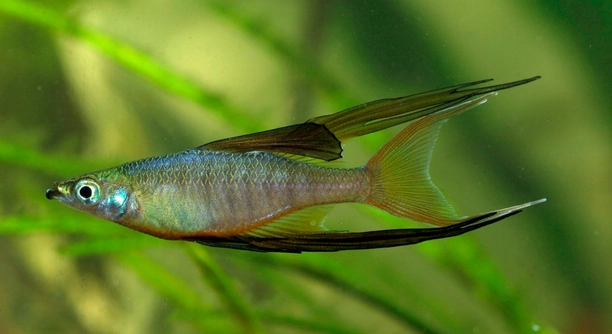
Threadfin Rainbowfish are small, colorful freshwater fish that brighten any aquarium. Their active swimming and shimmering scales make them a favorite among hobbyists seeking a lively, attractive addition to a home tank environment.
Threadfin Rainbowfish benefit significantly from a proper filtration system. A filter maintains water quality by removing debris, excess food, and waste products, ensuring a stable and healthy environment. This reduces stress and supports their overall health and longevity.
Setting up an ideal tank involves more than just adding water and fish. Understanding filtration and proper care ensures your rainbowfish thrive in their home.
Why a Filter is Essential for Threadfin Rainbowfish
Threadfin Rainbowfish are sensitive to changes in water quality, making a filter a key component of their tank setup. A filter removes harmful waste and uneaten food, which can otherwise cause spikes in ammonia and nitrites. These spikes are dangerous, leading to stress, illness, or even death in fish. Beyond maintaining water chemistry, filters also promote water circulation and aeration. Proper water flow helps distribute heat evenly and prevents stagnant areas where bacteria can accumulate. A consistent environment allows Threadfin Rainbowfish to swim freely and display their natural, vibrant colors. Choosing the right filter depends on the tank size and fish population. Small internal filters work well for tanks under 20 gallons, while larger tanks benefit from canister or hang-on-back filters. Regular maintenance is crucial, including cleaning filter media without removing beneficial bacteria. A well-filtered tank ensures healthier fish, less frequent water changes, and a more enjoyable observation experience for the caretaker.
Filters also reduce odors, keeping the tank cleaner and more visually appealing.
Using a filter properly involves selecting an appropriate model, setting correct flow rates, and performing routine checks. Threadfin Rainbowfish are active swimmers, so too strong a flow may stress them, while too weak a flow may fail to maintain water quality. Filters should have mechanical, chemical, and biological media to remove debris, absorb toxins, and cultivate beneficial bacteria. It’s important to rinse filter media in tank water rather than tap water to avoid killing helpful bacteria. Monitoring water parameters, including ammonia, nitrite, nitrate, and pH levels, helps ensure the filter functions effectively. Pairing filtration with partial water changes supports stability and fish health. Observing the fish regularly allows early detection of stress or illness. Investing in a reliable filter and maintaining it correctly saves time, reduces health risks, and creates a balanced environment. A clean, well-oxygenated tank allows Threadfin Rainbowfish to thrive, showing off their lively colors and energetic behavior naturally.
Choosing the Right Filter
Select a filter that matches your tank’s size and your fish’s needs. A properly sized filter ensures stable, healthy water conditions.
Different types of filters suit varying tank setups. Internal filters are compact and fit smaller tanks neatly. Hang-on-back filters provide strong filtration without taking up tank space, while canister filters handle larger tanks with more fish, offering superior mechanical, chemical, and biological cleaning. The right filter balances water flow so fish can swim comfortably without stress. Maintenance is crucial: check for clogs, clean media carefully, and monitor performance. Pairing filtration with regular water changes supports a healthier, stable environment. A correctly chosen filter minimizes harmful chemicals, improves oxygenation, and maintains clarity. Regular observation ensures the fish remain active and healthy. Consistent filtration reduces risks of disease and keeps the tank visually appealing, making it easier to enjoy your Threadfin Rainbowfish without frequent intervention. With proper setup and upkeep, your tank stays clean, safe, and vibrant, providing a supportive environment for these delicate fish.
Setting Up a Filtered Tank
A clean tank starts with proper filtration. Mechanical, chemical, and biological media work together to maintain clear, healthy water. Correct placement and flow prevent stagnant areas and ensure oxygen reaches all parts of the aquarium, supporting the well-being of Threadfin Rainbowfish.
Choosing the right filter depends on tank size and fish count. Small tanks under 20 gallons benefit from internal or sponge filters, which provide gentle flow. Larger tanks require hang-on-back or canister filters for stronger filtration. Mechanical media traps debris, chemical media removes toxins, and biological media cultivates beneficial bacteria. Proper flow prevents stress while keeping water clean. Regular monitoring ensures consistent water quality and prevents sudden changes.
Installing the filter correctly involves positioning it near the water surface for maximum oxygenation. Rinse filter media in tank water during maintenance to preserve bacteria. Avoid over-cleaning, which can disrupt biological filtration. Observe fish behavior around the filter to ensure flow isn’t too strong. Consistent maintenance keeps water parameters stable and prevents illness. A well-setup filter reduces the need for frequent water changes while creating a safe, vibrant environment for the rainbowfish to swim freely.
Filter Maintenance and Upkeep
Cleaning the filter regularly prevents clogs and maintains water flow, ensuring a stable environment for the fish.
Filters require consistent care to function effectively. Mechanical media should be rinsed every few weeks to remove trapped debris. Chemical media, like activated carbon, needs replacement monthly or according to manufacturer instructions. Biological media should be rinsed gently in tank water to preserve beneficial bacteria. Checking for proper flow and water levels prevents stress for Threadfin Rainbowfish. A clogged or poorly maintained filter can lead to toxic buildups and unhealthy conditions. Keep a maintenance schedule to ensure long-term water quality and fish health.
Ignoring maintenance leads to poor water quality, increased ammonia, nitrites, and nitrate levels. This can stress fish, cause illness, and reduce lifespan. Regular inspection of filter components helps detect wear or damage early. Maintaining water parameters and monitoring fish behavior are essential. A functional, well-maintained filter reduces odor, keeps the tank clear, and supports stable conditions. Combining maintenance with routine partial water changes ensures optimal results. Consistency in upkeep creates a clean, balanced environment, allowing Threadfin Rainbowfish to remain active, healthy, and vibrant in their habitat.
Signs Your Filter Needs Attention
A filter that is dirty or clogged reduces water flow and oxygen levels. Fish may show stress, swim sluggishly, or hide more often. Observing these changes can help you detect maintenance needs early and prevent water quality problems from worsening.
Unusual noises or vibrations often indicate trapped debris or worn-out parts. Regular inspection prevents damage and ensures continuous filtration.
Adjusting Flow for Threadfin Rainbowfish
Threadfin Rainbowfish prefer moderate water flow. Too strong a current can exhaust them, while stagnant areas may allow waste to accumulate. Adjusting the filter output and positioning helps maintain balanced water movement. Gentle flow encourages natural swimming patterns and supports proper oxygenation throughout the tank, benefiting overall fish health.
Choosing Filter Media
Mechanical media traps debris and particles, keeping the water clear. Chemical media removes harmful toxins, and biological media supports beneficial bacteria that break down waste effectively. A combination of all three ensures stable water quality. Selecting the right type and maintaining it properly is crucial for a healthy rainbowfish environment.
FAQ
Do Threadfin Rainbowfish absolutely need a filter?
Yes, filters are highly recommended for Threadfin Rainbowfish. They produce waste that can quickly accumulate, causing harmful spikes in ammonia and nitrites. A filter helps maintain stable water conditions, reduces stress, and supports their vibrant colors and natural activity levels. Even with regular water changes, a filter provides continuous cleaning and ensures a healthier environment.
Can I keep them in a tank without a filter?
It is possible in very small numbers with frequent water changes, but it’s risky. Without a filter, waste builds up faster, water clarity decreases, and fish may become stressed. A filter reduces the risk of disease and creates a more stable environment, which is crucial for these delicate rainbowfish.
What type of filter works best for Threadfin Rainbowfish?
Internal sponge filters are ideal for small tanks under 20 gallons. They provide gentle flow and mechanical and biological filtration. Larger tanks benefit from hang-on-back or canister filters, which handle more water volume and provide stronger mechanical, chemical, and biological filtration. The filter should maintain moderate water movement to avoid stressing the fish.
How often should I clean the filter?
Mechanical media should be rinsed every two to three weeks, chemical media replaced monthly, and biological media rinsed in tank water only to preserve beneficial bacteria. Avoid tap water for biological media, as chlorine can kill bacteria and disrupt filtration. Regular checks prevent clogs and maintain stable water flow.
Can I use a strong filter in a small tank?
No, strong flow can exhaust Threadfin Rainbowfish. They are active swimmers but prefer moderate currents. Positioning the filter output or using adjustable flow helps maintain comfort while keeping water clean. Observing fish behavior around the filter ensures the flow is appropriate.
What happens if I ignore filter maintenance?
Neglecting filter maintenance leads to reduced water flow, toxin buildup, and poor oxygenation. Fish may become stressed, swim abnormally, or develop illnesses. Regular upkeep prevents these issues, stabilizes water parameters, and promotes a long, healthy life for your rainbowfish.
Is filter noise harmful to Threadfin Rainbowfish?
Filters create some noise, but moderate sound does not harm the fish. Excessive vibration or unusual noises indicate debris buildup or mechanical issues. Addressing these problems ensures continuous filtration without causing stress to the fish.
Do I need to change all filter media at once?
No, replacing all media simultaneously can disrupt beneficial bacteria. Stagger changes by type: clean mechanical media first, replace chemical media as needed, and gently rinse biological media. This approach preserves bacteria, keeps water stable, and prevents spikes in ammonia or nitrite.
How do I know if the filter is working correctly?
Observe water clarity, flow, and fish behavior. Clear water, active swimming, and stable oxygenation indicate proper filtration. Monitoring ammonia, nitrite, and nitrate levels provides measurable feedback. Unusual changes signal a need for cleaning, adjustment, or replacement of filter components.
Can I add additional filtration?
Yes, supplemental filtration can help in heavily stocked tanks. Sponge filters or air-driven filters provide extra biological support and gentle water movement. Combining filters improves water quality and stability, ensuring Threadfin Rainbowfish thrive without excessive stress.
How long can Threadfin Rainbowfish survive without a filter?
Survival without a filter depends on tank size, stocking density, and water change frequency. Even in optimal conditions, water quality can degrade quickly. Filters provide a consistent, safe environment, making them far more reliable than frequent manual water changes alone.
Is it safe to unplug the filter overnight?
Occasionally unplugging for brief maintenance is fine, but leaving a tank without filtration for extended periods can harm water quality and stress fish. Biological processes slow down, leading to ammonia buildup. Continuous filtration is best for health and stability.
Can filters affect water temperature?
Filters slightly influence circulation but don’t significantly change temperature. Position heaters correctly and ensure even flow to maintain consistent water warmth. Proper water circulation from the filter aids in heat distribution and oxygenation, keeping Threadfin Rainbowfish comfortable.
How do I prevent my filter from harming small fish?
Use pre-filters, sponge attachments, or adjustable flow settings to prevent fish from being sucked in. Threadfin Rainbowfish are small and active, so protective measures ensure safety while maintaining effective filtration.
Is chemical filtration always necessary?
Chemical media, like activated carbon, isn’t strictly required but helps remove toxins, odors, and discoloration. It complements mechanical and biological filtration, creating a more stable and visually clear tank environment for the fish.
How long does a properly maintained filter last?
Filters can last several years with proper care. Routine cleaning, replacement of worn parts, and periodic media checks ensure longevity. Regular attention prevents breakdowns and maintains a healthy environment for Threadfin Rainbowfish.
Can I rely solely on plants for filtration?
Live plants help absorb nitrates and provide oxygen but cannot fully replace a filter. They complement mechanical and biological filtration but don’t remove waste or toxins efficiently on their own. Combining plants with a filter gives the best results for water quality and fish health.
How do I monitor filter efficiency?
Regularly observe water clarity, fish behavior, and check ammonia, nitrite, and nitrate levels. Reduced flow, cloudy water, or stressed fish indicate filter inefficiency. Addressing issues early ensures consistent water quality and healthy, active rainbowfish.
Does filter location matter?
Yes, positioning affects flow and oxygen distribution. Place filters where water circulates evenly and avoids stagnant zones. Correct placement supports fish comfort, prevents debris buildup, and maximizes filtration efficiency.
Can filters reduce tank cleaning frequency?
Proper filtration minimizes debris accumulation and toxin buildup, reducing the need for frequent water changes. However, partial water changes are still essential for optimal health. Filters maintain balance but don’t eliminate all maintenance requirements for Threadfin Rainbowfish.
Are all filters safe for Threadfin Rainbowfish?
Most filters are safe if flow is moderate and intake is protected. Avoid overly strong currents or exposed intakes that can harm small fish. Matching filter type to tank size and fish behavior ensures a safe, effective setup.
How do I balance flow and filtration strength?
Use adjustable flow settings, baffles, or positioning to reduce strong currents. Moderate flow supports swimming and oxygenation while ensuring waste removal. Observing fish behavior helps determine the optimal balance for health and comfort.
Is it okay to run a filter 24/7?
Yes, continuous operation is ideal. Filters maintain stable water conditions and prevent harmful spikes in ammonia or nitrite. Brief interruptions for maintenance are fine, but long periods off can stress the fish and degrade water quality.
Can I combine multiple filter types?
Yes, combining sponge, hang-on-back, or canister filters improves mechanical, chemical, and biological filtration. Multiple filters provide redundancy, ensuring water remains clean and stable even if one unit requires maintenance.
How often should I check filter flow?
Check weekly to ensure adequate water movement and oxygenation. Reduced flow can indicate clogs, worn parts, or media saturation. Maintaining consistent flow supports stable water chemistry and healthy Threadfin Rainbowfish.
Do I need different filters for breeding tanks?
Breeding tanks may require gentle filtration to avoid disturbing eggs or fry. Sponge filters are preferred, providing biological filtration without strong currents. Maintaining clean, oxygenated water ensures survival and healthy development of young rainbowfish.
What is the simplest way to maintain a filter?
Create a routine: rinse mechanical media, replace chemical media, gently clean biological media, check flow, and observe fish behavior. Consistency prevents buildup of toxins, maintains water clarity, and supports long-term fish health.
How do I prevent filter-related stress in the tank?
Moderate flow, proper placement, and pre-filters protect small fish. Observe behavior to ensure they are not struggling against currents. Regular maintenance reduces sudden changes in water quality, preventing stress and promoting a stable environment.
Can a dirty filter affect water chemistry immediately?
Yes, a clogged or neglected filter can quickly raise ammonia and nitrite levels. Immediate cleaning or adjustment is necessary to prevent fish stress, illness, or death. Consistent upkeep avoids sudden shifts in water chemistry and maintains healthy conditions for rainbowfish.
Do filters remove all harmful substances?
No, filters remove many waste products and toxins, but not all. Partial water changes and careful monitoring remain essential to maintain safe, balanced conditions for Threadfin Rainbowfish.
How can I tell if the filter is too strong?
Fish struggling to swim or hiding constantly near calm areas indicate excessive flow. Reducing output, repositioning, or adding baffles helps create a comfortable swimming environment while maintaining effective filtration.
What is the best routine for filter upkeep?
Weekly inspections, monthly chemical media replacement, biweekly mechanical media rinsing, and occasional biological media cleaning in tank water ensures consistent performance. Observation of fish and water parameters confirms ongoing effectiveness.
Can I use a filter in planted tanks?
Yes, but avoid strong currents that uproot plants. Gentle flow supports water circulation, removes waste, and oxygenates the tank without disturbing roots, benefiting both fish and plants.
Does filter size matter?
Yes, a filter too small won’t adequately clean the water, while an oversized filter may produce excessive flow. Match filter capacity to tank volume and fish count for optimal results.
Are filters energy-intensive?
Most aquarium filters use minimal electricity. Efficient models provide effective filtration without significantly increasing energy costs. Running continuously ensures stable water conditions with low energy consumption.
Can filters fail suddenly?
Yes, mechanical failures, power outages, or media blockages can reduce filtration suddenly. Regular checks and maintenance prevent surprises and protect fish health.
How do I choose between internal and external filters?
Internal filters are compact and suitable for small tanks with gentle flow. External filters, like canisters, handle larger volumes, provide stronger filtration, and offer easier maintenance for heavily stocked or planted aquariums.
Do filters remove fish waste completely?
Filters remove most solid waste and toxins but don’t replace water changes. Regular partial water changes ensure residual waste and dissolved compounds do not accumulate, maintaining optimal conditions.
Can filters reduce stress in fish?
Yes, clean, well-oxygenated water lowers stress levels. A stable environment promotes natural behavior, healthy coloration, and stronger immunity in Threadfin Rainbowfish.
Are all filter brands reliable?
Reliability varies. Choose reputable brands with positive reviews, proper sizing, and good maintenance support. Quality filters perform consistently, maintaining water parameters and supporting fish health.
How do I combine filtration with feeding schedules?
Feed in small amounts to prevent excess waste. Filters handle residual food efficiently, but overfeeding can overload them, affecting water quality. Proper feeding maintains a balanced tank environment.
Can I use a filter with very small fry?
Sponge filters are ideal for tanks with fry. They provide gentle water movement and biological filtration without harming small, delicate fish.
What is the safest filter setup for beginners?
Sponge or hang-on-back filters with adjustable flow are simple and effective. Minimal setup complexity and routine maintenance make them beginner-friendly while maintaining safe, healthy water for rainbowfish.
Can I turn off the filter during vacations?
Short absences are fine if water quality is stable, but long periods without filtration can lead to ammonia spikes. Consider automatic feeders and backup aeration to reduce risk.
How do filters interact with aeration?
Filters promote surface movement, aiding oxygen exchange. Supplemental air stones or pumps can improve oxygen levels, especially in heavily stocked tanks. Proper aeration complements filtration for healthy fish.
Are all filter media reusable?
Mechanical and biological media are reusable with careful cleaning. Chemical media, like activated carbon, typically requires replacement after a set period to maintain effectiveness. Proper handling extends the lifespan of reusable media.
Can filters remove medications from the water?
Chemical media may remove certain medications, reducing treatment effectiveness. Temporarily bypass or remove media when medicating fish to ensure proper dosage and recovery.
Do filters influence algae growth?
Indirectly, filters improve water quality, reducing excess nutrients that fuel algae. While they don’t prevent algae entirely, clean water makes growth easier to manage.
Is it safe to use multiple filters of the same type?
Yes, combining filters of the same type increases redundancy and flow coverage. Ensure combined flow doesn’t create strong currents that stress Threadfin Rainbowfish.
Can filters prevent diseases?
Filters don’t prevent diseases directly but maintain water quality, which reduces stress and strengthens fish immunity. Healthy, unstressed fish are less susceptible to illness.
How often should I replace worn filter parts?
Follow manufacturer recommendations. Worn impellers, hoses, or seals can reduce efficiency. Regular replacement maintains stable flow and filtration performance, protecting water quality and fish health.
Are quieter filters better for rainbowfish?
Quieter filters reduce vibrations and sudden disturbances, creating a calmer environment. Threadfin Rainbowfish are sensitive to excessive noise, so smooth, consistent operation supports their comfort and natural behavior.
How can I troubleshoot a poorly performing filter?
Check for clogs, worn parts, incorrect flow settings, or media saturation. Clean or replace components, adjust positioning, and observe fish response to restore optimal function.
Do filters work in all water types?
Yes, filters function in both soft and hard water, but some chemical media may need adjustment for extreme conditions. Monitoring parameters ensures effective filtration in any freshwater setup.
Can filters be used in unheated tanks?
Yes, filters operate without heaters, but ensure water circulation prevents cold spots and supports oxygen distribution. Proper placement keeps the tank stable and safe.
How important is filter placement in planted aquariums?
Position to avoid uprooting plants while ensuring circulation. Proper placement maintains clear water, distributes nutrients, and supports plant and fish health.
Do filters affect pH?
Filters don’t directly change pH, but chemical media can influence certain parameters. Biological filtration stabilizes water, preventing sudden swings that could stress rainbowfish.
Are battery-operated filters effective?
Battery-powered filters work for small tanks or emergencies. They provide temporary filtration but may not be sufficient for long-term maintenance of larger aquariums.
How do I balance filtration with aesthetic tank setup?
Choose compact or hidden filters, adjust flow, and integrate into decorations. Proper positioning maintains both functionality and visual appeal.
Do filters reduce odor?
Yes, mechanical and chemical filtration removes debris and dissolved organics, reducing ammonia smells and keeping the tank cleaner.
Can I filter only part of the tank?
Partial filtration can help but is less effective than whole-tank filtration. Ensure water circulation reaches all areas for consistent quality.
Do filters remove uneaten food effectively?
Yes, mechanical media traps leftover food, preventing decomposition. Regular feeding control further reduces waste and maintains water clarity.
Can filters handle heavy fish loads?
Strong, properly sized filters can manage higher fish density, but overstocking still risks water quality issues. Combine filtration with monitoring and partial water changes.
Do filters work differently in cold water?
Biological filtration slows in colder water, reducing waste breakdown. Mechanical filtration still removes debris, but extra monitoring is needed to maintain healthy conditions.
Can filters prevent algae in planted tanks?
Indirectly, yes. By removing excess nutrients, filters limit conditions that favor algae growth, though light and fertilization also play roles.
Are filters necessary for small nano tanks?
Yes, even small tanks accumulate waste quickly. Small sponge or internal filters maintain clarity and support fish health in confined spaces.
How do I maintain filter efficiency during vacations?
Clean mechanical media, replace chemical media, and check flow beforehand. Ensure backup aeration or battery-powered options for extended absences. Stable water conditions reduce risk while away.
Do filters remove tannins from driftwood?
Chemical media like activated carbon can reduce tannins, clarifying water. Mechanical and biological filtration alone may not fully remove discoloration.
Can I use a filter with delicate fish?
Yes, gentle flow filters like sponge or adjustable output models are safe for small or delicate species. Observation ensures fish aren’t stressed by currents.
Are filters necessary for breeding tanks?
Yes, gentle filtration keeps water clean without disturbing eggs or fry. Sponge filters are preferred for their gentle flow and biological support.
How do filters support oxygenation?
Filters create surface agitation, promoting gas exchange. Proper oxygen levels are essential for healthy fish metabolism and overall vitality.
Can filters reduce water change frequency?
Yes, effective filtration lowers waste buildup, allowing longer intervals between partial water changes. However, routine changes are still important for optimal water chemistry.
Are filters compatible with CO2 systems in planted tanks?
Yes, but strong flow can disperse CO2 rapidly. Balance flow to maintain plant uptake while ensuring waste removal and water circulation.
How do I prevent filter noise in small tanks?
Regular cleaning, secure placement, and adjusting intake/output reduce vibration and noise. Smooth operation supports a calm, stress-free environment.
Do filters remove dissolved organics completely?
Chemical media helps, but not entirely. Regular water changes complement filtration to maintain healthy water chemistry for Threadfin Rainbowfish.
How do I maintain filters with sensitive media?
Handle gently, rinse in tank water, and avoid chemical exposure that may disrupt bacteria. Proper care preserves biological filtration efficiency.
Are filters necessary for community tanks?
Yes, especially with multiple species. Filtration maintains water quality, prevents disease spread, and ensures stable conditions for all tank inhabitants.
Can filters reduce fish stress?
Stable, clean water reduces stress, promoting natural behavior, color vibrancy, and immune strength. A well-maintained filter supports overall fish well-being.
How do I choose between internal and external filters?
Internal filters suit small tanks with gentle flow, while external filters handle larger volumes with stronger filtration. Match capacity to tank size and fish needs for optimal results.
Do filters remove medications from water?
Chemical media may remove some medications, so temporarily bypass or remove media during treatment to ensure effective dosing.
How do filters affect ammonia levels?
Filters with biological media convert ammonia into less harmful substances, stabilizing water chemistry and protecting fish from toxic spikes.
Can filters reduce nitrate accumulation?
Yes, biological filtration and partial water changes help lower nitrate levels. Regular monitoring prevents excessive buildup.
Do filters need priming?
Some types, like canisters, require priming to start water flow. Internal and sponge filters typically do not. Proper setup ensures effective operation.
How long do filter parts last?
With proper maintenance, impellers, hoses, and media can last months to years. Routine inspection ensures continuous performance and healthy conditions.
Can filters cause water turbulence?
Yes, strong flow can create turbulence. Positioning, flow adjustment, or baffles help moderate currents for fish comfort while maintaining filtration efficiency.
Are filters necessary for quarantined fish?
Yes, even temporary tanks benefit from filtration to maintain water quality, reduce stress, and prevent disease during acclimation.
Do filters remove biofilm?
Filters help reduce biofilm by circulating
Final Thoughts
Threadfin Rainbowfish thrive best in a well-maintained, filtered tank. Their delicate bodies and active nature require stable water conditions, which a proper filtration system provides. Without a filter, waste and uneaten food can accumulate quickly, leading to harmful spikes in ammonia and nitrites. These changes can stress the fish, weaken their immune system, and even cause illness or death. Using a filter consistently ensures that water remains clean, oxygenated, and safe for swimming. Even with regular water changes, a filter offers continuous cleaning that manual maintenance alone cannot achieve. This stability allows the fish to display their natural behaviors, swim freely, and show their vibrant colors without interference from poor water quality.
Choosing the right filter is as important as using one. Small tanks benefit from sponge or internal filters that provide gentle water flow without stressing the fish. Larger tanks need hang-on-back or canister filters capable of handling higher water volume while still maintaining biological, mechanical, and chemical filtration. Flow strength matters because Threadfin Rainbowfish prefer moderate currents. Too strong a flow can exhaust them, while too weak may not prevent waste buildup. Proper filter placement also ensures water circulates evenly throughout the tank, preventing stagnant areas. Regular inspection and maintenance are essential to keep the filter functioning at peak efficiency. Cleaning mechanical media, replacing chemical media, and rinsing biological media carefully in tank water preserves beneficial bacteria while maintaining filtration performance. This routine ensures long-term stability and healthier conditions for the fish.
Consistent filtration and maintenance ultimately reduce stress on both the fish and the caretaker. A well-filtered tank decreases the frequency of water changes, reduces odors, and maintains clear, balanced water. Observing the fish regularly allows for early detection of potential issues, such as changes in behavior or water parameters, ensuring corrective action can be taken before problems escalate. Filtration also complements other aspects of tank care, such as feeding and plant maintenance, by keeping water quality stable and supporting a healthy ecosystem. Threadfin Rainbowfish benefit from a balanced, clean environment, and the use of an appropriate filter is one of the most effective ways to achieve this. Properly managed filtration not only preserves fish health but also creates a more enjoyable and visually appealing aquarium, making the effort worthwhile for anyone keeping these vibrant, active fish.

Hello,
If you enjoy the content that we create, please consider saying a "Thank You!" by leaving a tip.
Every little bit helps us continue crafting quality advice that supports the health, happiness, and well-being of pets around the world, for pets of all shapes, sizes, and species.
We really appreciate the kindness and support that you show us!