
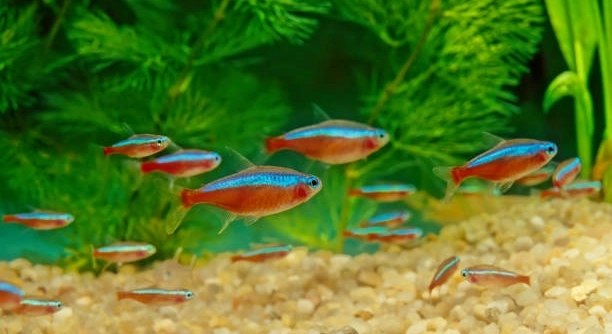
Are your tetra fish swimming less than usual and seeming less lively? Changes in their activity can be worrying, especially when they once darted happily around the tank. Many owners notice this sudden shift and want to understand what’s happening beneath the water’s surface.
A common cause of decreased activity in tetra fish includes changes in water quality, temperature fluctuations, stress, or illness. Each of these factors can affect their energy levels, causing them to swim slower or hide more frequently than usual.
Knowing what affects your tetra’s behavior will help you maintain a healthy and vibrant aquarium environment for them. This article explains the main reasons behind their sudden inactivity and what you can do to help.
Changes in Water Quality
Water quality is one of the most important factors affecting your tetra’s activity. Poor water conditions can stress fish, making them less active or even sick. High levels of ammonia, nitrites, or nitrates can build up quickly in an aquarium, especially if it is not cleaned regularly or if there are too many fish. Even small changes in pH or hardness can cause discomfort. Tetras prefer clean, stable water with temperatures around 72-78°F (22-26°C). Regular testing and water changes are necessary to keep their environment healthy. If you notice your tetra swimming slowly or hiding, check the water parameters immediately. Poor water quality affects their breathing and energy, which reduces their movement and appetite. Maintaining good water conditions can prevent many health problems and keep your fish active and happy.
Testing your water weekly helps catch problems early. Simple water changes make a big difference.
Keeping the water clean is the easiest way to support your tetra’s health. When water conditions are stable, your fish will swim actively and show their usual bright colors. Avoid sudden water changes and always use a water conditioner to remove harmful chemicals. A well-maintained tank supports healthy fish behavior and reduces stress. In addition, avoid overfeeding, which can pollute the water quickly. Proper filtration and regular tank maintenance are key to ensuring your tetras stay lively and energetic over time.
Stress and Environmental Factors
Tetras can become stressed from sudden changes or disturbances in their environment. Stress may cause them to swim less and hide more.
Stress can come from overcrowding, aggressive tank mates, or loud noises near the aquarium. Tetras are schooling fish and feel safer when kept in groups of at least six. If they are alone or with incompatible fish, they may feel threatened and become inactive. Bright or flickering lights can also disturb them, so using a timer for lighting can help maintain a consistent day-night cycle. Temperature swings or drafts near the tank can cause discomfort and stress. Even rearranging decorations or moving the tank can unsettle your fish. Reducing stress means creating a calm, stable environment with appropriate tank mates, steady lighting, and proper tank setup. Observing your fish regularly will help you notice signs of stress early so you can make changes before it affects their health.
Illness and Disease
Illness can quickly reduce your tetra’s activity. Common infections include bacterial, fungal, and parasitic diseases, which often cause lethargy and loss of appetite.
Signs of illness include clamped fins, discoloration, or unusual spots. Infected fish may also swim erratically or isolate themselves. Stress and poor water quality often weaken their immune system, making disease more likely. Quarantining new fish before adding them to your tank helps prevent disease spread. If you notice symptoms, testing water quality and consulting a veterinarian or aquarium specialist can guide treatment. Early action improves recovery chances and prevents further decline in activity.
Some illnesses need specific medications or water treatments. Ignoring symptoms may lead to worsening conditions and death. Keeping the tank clean and monitoring fish regularly are key to catching problems early and maintaining a healthy community.
Diet and Nutrition
Poor diet can make tetras less active and weaker. They need a balanced diet with proper nutrients to stay healthy and energetic.
Feeding high-quality flakes or pellets designed for tetras provides essential vitamins and minerals. Supplementing with occasional live or frozen foods, like brine shrimp or daphnia, adds variety and supports their natural behavior. Overfeeding can cause obesity and water pollution, so feed small amounts once or twice daily. Remove uneaten food promptly to prevent decay. A poor diet can lead to nutrient deficiencies, reducing your fish’s activity and immune response. Consistent, balanced feeding routines promote overall health and vibrant activity.
If your tetras suddenly seem less active, reviewing their diet is important. Sometimes changing food or improving feeding habits makes a big difference. Nutritional care supports strong fish that swim and interact normally.
Tank Size and Space
Tetras need enough space to swim freely. A small or overcrowded tank can limit their movement and cause stress.
Providing at least 10 gallons for a small school helps keep them active and healthy. Overcrowding leads to poor water quality and less swimming room.
Lighting and Day-Night Cycle
Consistent lighting helps regulate tetra behavior. Too much light or sudden changes can make them less active or stressed.
Using a timer ensures a steady day-night cycle, which supports their natural rhythms and activity levels.
Aging and Natural Behavior
As tetras get older, their energy naturally decreases. Older fish may swim less but still need good care.
Recognizing normal aging helps you provide proper support without mistaking it for illness or stress.
Why are my tetras suddenly less active?
Sudden changes in activity usually point to problems with water quality, stress, illness, or diet. Poor water conditions, such as high ammonia or nitrite levels, can make tetras sluggish. Stress from overcrowding, aggressive tank mates, or changes in their environment also lowers activity. Illness weakens fish, causing them to swim less or hide. Inadequate nutrition can reduce their energy as well. Checking water parameters, observing their behavior closely, and adjusting diet often help restore their normal activity.
How often should I test my aquarium water?
Testing water weekly is best to catch issues early. Frequent checks help detect harmful substances like ammonia, nitrites, and nitrates before they rise to dangerous levels. Monitoring pH and temperature is also important because tetras are sensitive to sudden changes. Keeping a simple test kit on hand allows you to maintain a safe environment and avoid stress-related problems in your fish.
What water parameters are ideal for tetras?
Tetras thrive in temperatures between 72-78°F (22-26°C). Their preferred pH is mildly acidic to neutral, around 6.5 to 7.5. Water hardness should be soft to moderately hard. Stable conditions are more important than exact numbers, so avoid sudden shifts. Good filtration and regular water changes keep toxins low and oxygen levels high, which supports healthy and active fish.
How many tetras should I keep together?
Tetras are schooling fish and do best in groups of six or more. Keeping fewer than six can cause stress and reduced activity since they rely on their group for safety. Larger groups create natural social behaviors and encourage swimming. Overcrowding, however, harms water quality and raises stress, so balance the number of fish with your tank size.
Can tank decorations affect tetra activity?
Yes, tank setup impacts how your fish behave. Tetras like plants and hiding spots to feel secure, which encourages movement and natural behaviors. Too little cover can make them feel exposed and hide more. Rearranging decorations suddenly can stress them and reduce activity temporarily. Maintaining a stable, enriched environment supports healthy swimming and reduces stress.
What signs show that my tetra is sick?
Look for clamped fins, faded colors, white spots, or patches on the body. Erratic swimming, gasping at the surface, or isolation are also warning signs. Loss of appetite and lethargy often indicate illness. Early detection is key; promptly checking water quality and treating infections can save your fish and restore their activity.
How do I prevent diseases in my tetra tank?
Maintain clean water with regular changes and proper filtration. Quarantine new fish for at least two weeks before adding them to your main tank. Avoid overcrowding and keep stress low by providing stable conditions. Feeding a balanced diet supports immune health. Regular observation helps spot problems before they spread.
Can changing the fish’s diet improve activity?
Improving diet can boost your tetra’s energy and health. High-quality flakes or pellets designed for tetras provide essential nutrients. Adding occasional live or frozen foods like brine shrimp offers protein and variety, encouraging natural hunting behavior. Avoid overfeeding, as uneaten food pollutes water and reduces oxygen. A healthy diet promotes more active, vibrant fish.
What should I do if my tetra is hiding more than usual?
Hiding can mean stress, illness, or environmental discomfort. Check water parameters first to ensure they are stable. Look for signs of disease and review tank conditions, such as lighting and tank mates. If nothing obvious is wrong, give your fish time to adjust, especially after changes. Adding plants or decorations for cover can help them feel safe.
Is it normal for older tetras to be less active?
Yes, as tetras age, their activity naturally declines. Older fish may swim less and rest more often but should still eat and respond to their environment. Aging fish need gentle care and stable conditions. Differentiating normal aging from illness is important, so observe closely and maintain good water quality to support their health.
When your tetra fish suddenly become less active, it can be concerning. Activity changes often point to underlying issues in their environment or health. Paying close attention to water quality is essential because poor water conditions are a common reason for reduced movement. Regular testing and maintenance keep the water safe and comfortable for your fish. Stress is another factor that can make tetras hide or swim less. This can come from overcrowding, aggressive tank mates, or changes in their surroundings. Creating a calm and stable environment helps them feel secure and encourages natural behavior.
Illness is a serious cause of inactivity in tetras. If your fish show signs like clamped fins, discoloration, or unusual swimming, they may be sick. Early detection and treatment are important to prevent worsening health. Quarantining new fish before adding them to your tank also reduces the risk of spreading disease. Along with health, proper nutrition supports your tetra’s energy and vitality. Feeding a balanced diet with high-quality food and occasional live or frozen treats helps keep your fish active. Overfeeding should be avoided since it can pollute the water and harm fish health.
Finally, understanding your tetra’s natural needs is key to keeping them lively. Providing enough space, stable lighting, and hiding spots creates a comfortable home. Older fish may slow down naturally, but consistent care ensures they stay healthy for as long as possible. By monitoring your fish’s behavior and maintaining good tank conditions, you can enjoy watching your tetras swim energetically and thrive. Keeping these basics in mind helps you address activity changes early and provide the best care for your aquarium friends.

Hello,
If you enjoy the content that we create, please consider saying a "Thank You!" by leaving a tip.
Every little bit helps us continue crafting quality advice that supports the health, happiness, and well-being of pets around the world, for pets of all shapes, sizes, and species.
We really appreciate the kindness and support that you show us!