
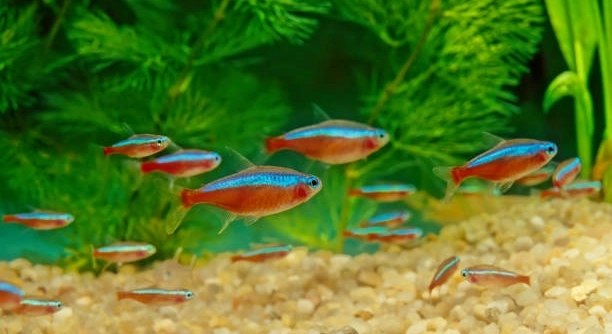
Do your tetras seem a little off, but you’re not sure if it means they’re stressed or just being fish?
Tetras show comfort through stable swimming, healthy appetite, vibrant color, regular interaction, smooth gill movement, group cohesion, and resting behaviors. These signs reflect good water quality, reduced stress, and appropriate tank conditions.
Learning how to spot these signs can help you create a stable, healthy environment and avoid common issues that may affect your tetra’s well-being.
1. They Swim Calmly and Smoothly
When tetras feel comfortable, their swimming looks calm and steady. They move around the tank with purpose but without rushing or darting. They tend to stay with their group, forming a loose school that moves in harmony. You’ll notice them exploring the space without signs of panic or stress. Erratic swimming, hiding for long periods, or constantly staying near the surface or bottom often signals that something isn’t right. Comfortable tetras enjoy swimming in the middle part of the tank, and they aren’t shy about weaving through plants or decorations. When water conditions are stable, lighting is soft, and the environment feels safe, their movement reflects that. Watching their patterns each day helps you notice any small changes early.
A sudden change in swimming behavior can indicate issues with the tank, such as poor water quality or temperature changes. Keep an eye out for consistent patterns.
Making sure the tank is clean, calm, and predictable helps encourage relaxed swimming. This includes maintaining a steady water temperature, gentle filtration, and hiding spots. Tetras are naturally active but should never appear frantic. Small adjustments like reducing noise or avoiding tapping on the glass can go a long way. Their swimming is one of the easiest ways to check how they’re doing.
2. They Eat Regularly and Eagerly
Tetras that are healthy and comfortable tend to eat with interest and consistency during feeding time.
A lack of appetite can be a sign that something is off in their environment. Water parameters play a big role in appetite, especially temperature and pH. Stress caused by bullying or illness can also impact how well they eat. If your tetras usually swim up and eat within seconds but suddenly start ignoring food, it may be time to test the water and observe for any other changes. Comfortable tetras eat with energy and stay active afterward rather than sinking to the bottom or hiding. Feed a mix of flakes, pellets, and occasional treats like brine shrimp to keep them satisfied and healthy. Feed only what they can finish in two minutes to avoid waste buildup. A stable feeding routine helps create a predictable environment that makes your tetras feel secure and encourages natural behavior.
3. Their Colors Stay Bright and Consistent
Bright, vibrant color is a strong sign your tetras are doing well. When they feel safe and healthy, their colors remain rich and steady throughout the day.
Stress, poor water quality, or sudden changes in lighting can cause their colors to fade or look dull. If you notice your tetras looking washed out, check the water parameters first. Ammonia, nitrites, and nitrates should always stay at safe levels. Tetras also react to their surroundings, so overcrowding or aggressive tank mates can make them hide and lose color. A quiet, stable tank with enough space helps them show their natural tones. Lighting should be gentle and consistent each day.
Some fading at night or early morning is normal, especially if tank lights have been off for a while. However, colors should return quickly once lights come on. Keep feeding high-quality food with color-enhancing ingredients to support vibrant shades. Healthy tetras often glow under aquarium lights when everything is in balance.
4. They School Closely With Other Tetras
Comfortable tetras stay close to their group, forming a peaceful school that moves together through the tank. If one fish starts wandering alone, it may be stressed or unwell.
Schooling is natural behavior for tetras and helps them feel secure. A group of at least six is best to prevent anxiety and encourage interaction. When they feel safe, they swim together in a loose, flowing pattern. If your tetras are scattered across the tank, it could mean something in the environment isn’t right—such as strong currents, loud noise, or poor lighting. Try adjusting one thing at a time to see what helps.
Spacing out decorations and keeping an open swimming area in the middle of the tank also helps them stay connected. Avoid adding aggressive fish that might chase or separate them. The more stable and calm the tank is, the more likely they are to school naturally and stay active.
5. Their Gills Move Smoothly and Quietly
Healthy tetras breathe without effort. Their gill movement should be steady and calm, not fast or labored. Rapid gill movement may point to poor oxygen levels or elevated ammonia.
If their gills look red or inflamed, or they spend too much time near the surface, it could signal stress or water quality issues.
6. They Rest Without Hiding Constantly
Tetras do take short rest breaks, often hovering in place or hiding briefly behind plants. This is normal behavior, especially during nighttime hours.
However, if they are hiding all the time or staying motionless near the bottom, something might be off. Sudden changes in tank conditions, such as colder water or new tank mates, can cause them to feel unsafe. A well-decorated tank with plants and hiding spaces makes them feel more secure. Keep the tank in a low-traffic area of your home to reduce sudden movement or noise. A comfortable tetra may still rest, but they should always return to their group and stay active for most of the day.
7. They React to Your Presence
Tetras often swim to the front of the tank when someone approaches, especially if they associate you with feeding time. This shows alertness and comfort.
How many tetras should I keep together?
Tetras are schooling fish and feel safest in groups. Keeping at least six tetras together helps them show natural behaviors and reduces stress. Smaller groups can cause anxiety and may lead to aggression or hiding. If your tank is small, aim for the largest group the space can comfortably hold. Proper group size encourages active swimming, schooling, and overall well-being.
What water temperature is best for tetras?
Most tetra species thrive in water temperatures between 72°F and 78°F (22°C to 26°C). Maintaining this range supports their metabolism and immune system. Sudden changes in temperature can stress your fish and lead to illness. Use a reliable aquarium heater and thermometer to keep temperature steady. Avoid placing the tank near drafts or direct sunlight, which can cause fluctuations.
How often should I feed my tetras?
Feeding your tetras once or twice daily is sufficient. Offer only what they can consume within two to three minutes to prevent leftover food from polluting the tank. Variety is important—use high-quality flakes, pellets, and occasional live or frozen foods like brine shrimp or daphnia. This balanced diet supports their health and coloration.
Why do my tetras hide all the time?
Excessive hiding usually indicates stress or discomfort. Possible causes include poor water quality, aggressive tank mates, sudden changes in environment, or lack of hiding spots. Check water parameters regularly and make sure the tank has enough plants or decorations for shelter. Reduce noise and sudden movements around the tank to help them feel safe.
What signs show my tetras are sick?
Look for faded colors, clamped fins, rapid breathing, erratic swimming, or loss of appetite. White spots or patches on their body and fins may indicate disease. Early detection is key. Test the water, isolate sick fish if possible, and consult treatment guides or a vet specializing in fish. Maintaining clean water and good nutrition prevents many illnesses.
Can tetras live with other fish?
Yes, tetras can live peacefully with many community fish if tank mates are similarly sized and non-aggressive. Avoid larger or territorial species that might bully or eat them. Good companions include small rasboras, peaceful gouramis, and corydoras catfish. Always research compatibility before adding new fish to prevent stress or injury.
How do I maintain good water quality for tetras?
Regular water changes (about 25% weekly) help keep water clean and reduce harmful chemicals. Use a good filtration system and test water regularly for ammonia, nitrites, nitrates, and pH. Avoid overfeeding, which can pollute the water. A well-maintained tank ensures your tetras stay healthy and comfortable.
What should I do if my tetra is isolated from the group?
If a tetra separates from the school, observe for illness or injury. Isolation can be a sign of stress or sickness. Check water conditions and tank mates for possible causes. If the fish looks weak or shows unusual behavior, consider isolating it in a quarantine tank for treatment until it recovers. Early action can save lives.
Is it normal for tetras to rest at the bottom of the tank?
Tetras sometimes rest near the bottom but usually only briefly. Prolonged resting or inactivity may indicate stress, illness, or poor water conditions. Ensure the tank environment is suitable, with proper temperature, clean water, and no aggressive fish disturbing them. Resting is natural, but extended stillness is a warning sign.
How do lighting conditions affect my tetras?
Lighting influences tetra behavior and color. Moderate, consistent lighting helps maintain their natural rhythms and keeps colors bright. Too much light can stress fish and promote algae growth, while too little may dull their colors and reduce activity. Use a timer to simulate a natural day-night cycle and avoid sudden light changes.
This FAQ covers key questions about keeping tetras comfortable and healthy. Maintaining stable water conditions, proper group sizes, and attentive care supports their natural behaviors and vibrant appearance. Regular observation will help you catch issues early and keep your tetras thriving.
Taking care of tetras means paying close attention to how they behave and look every day. These small fish rely on stable water conditions and a peaceful environment to feel comfortable and stay healthy. By watching their swimming patterns, colors, eating habits, and interactions with other fish, you can learn a lot about their well-being. It is important to maintain clean water with the right temperature and to keep the tank set up with enough space and hiding places. This helps reduce stress and allows your tetras to show natural behaviors that indicate comfort.
When tetras are comfortable, they swim smoothly and stay close to their group. They eat regularly and eagerly, showing interest in food during feeding times. Their colors remain bright, and their gill movements are steady, meaning they breathe well. Resting behavior is normal when it is balanced with active swimming and social interaction. If you notice any changes, like dull colors, hiding too much, or erratic swimming, it’s a sign to check the tank conditions and look for problems. Making small adjustments, such as improving water quality or reducing noise, can often help your fish feel better quickly.
Remember that caring for tetras is about creating a safe and stable home where they can thrive. Regular tank maintenance, proper feeding, and paying attention to their behavior are key parts of this care. Keeping a good group size and avoiding aggressive tank mates will also help your tetras stay comfortable and happy. Over time, you will become more familiar with what is normal for your fish and better at spotting early signs of trouble. A comfortable tetra tank leads to healthier fish and a more enjoyable aquarium experience for you.

Hello,
If you enjoy the content that we create, please consider saying a "Thank You!" by leaving a tip.
Every little bit helps us continue crafting quality advice that supports the health, happiness, and well-being of pets around the world, for pets of all shapes, sizes, and species.
We really appreciate the kindness and support that you show us!