
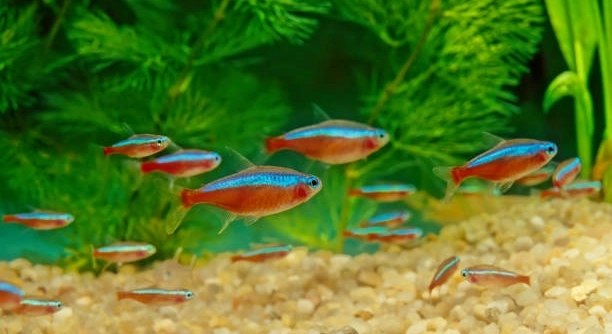
Keeping your tetra fish healthy is important for any aquarium owner. These small, colorful fish bring life and movement to tanks. Recognizing when something is wrong helps protect their well-being and prevents more serious problems.
Signs your tetra might be sick include changes in swimming patterns, loss of appetite, faded colors, clamped fins, unusual spots, difficulty breathing, and isolation from other fish. Early detection is key to effective treatment and recovery.
Learning to spot these symptoms early can help you care for your tetra better. This article will guide you through the most common warning signs to watch for.
Changes in Swimming Patterns
When a tetra starts swimming differently, it is often a sign of illness. Healthy tetras usually swim smoothly and stay active. If you notice your tetra swimming erratically, darting around, or staying at the bottom or top of the tank, it might be unwell. Sometimes, sick fish may spin or float sideways, showing difficulty controlling their movement. This could be due to internal infections, swim bladder issues, or parasites affecting their balance. Pay close attention to any unusual behavior, as early detection can prevent worsening conditions. If the fish is less active or hiding more than usual, it is a clear warning. Regular observation of swimming habits can help you spot problems before they become severe.
Abnormal swimming behavior in tetras is a strong indicator of distress or sickness that should not be ignored. Addressing this early improves recovery chances.
Understanding what causes these changes helps in treating the condition and ensuring your tetra regains healthy swimming patterns. Proper water quality, diet, and sometimes medication can restore normal behavior.
Loss of Appetite
Loss of appetite is a common symptom when tetras become sick. A healthy tetra eagerly eats during feeding times, but a sick one may ignore food or eat very little. This change usually indicates stress, infection, or poor water conditions. When fish stop eating, they weaken quickly, which can make recovery harder. It’s important to monitor feeding habits daily and note any decrease in interest. Sometimes, adjusting the diet to softer or more appealing foods can help, but if the loss of appetite persists, medical attention may be necessary.
Tetras that refuse food over several days are showing a clear sign of illness that needs action.
In many cases, loss of appetite accompanies other symptoms such as lethargy or discoloration. It’s best to check water parameters and tank cleanliness first since poor water quality often causes stress and sickness. If conditions are good but the fish still won’t eat, a parasite or bacterial infection might be the cause. Quarantining the sick fish and consulting with a vet or aquarium specialist can help determine the right treatment. Feeding small amounts frequently and ensuring variety can encourage eating during recovery. Keeping a close eye on appetite helps maintain your tetra’s health and prevents serious illness.
Faded Colors
Faded or dull colors in your tetra often indicate stress or illness. Healthy tetras have bright, vibrant colors, so any loss of color should be taken seriously.
Color changes can result from poor water quality, inadequate nutrition, or disease. When a tetra’s colors fade, it may be fighting an infection or experiencing stress from its environment. Stressors like overcrowding, sudden temperature changes, or incompatible tank mates can also cause discoloration. Nutritional deficiencies weaken their immune system, making color loss more likely. Monitoring water parameters and ensuring a balanced diet helps keep colors vivid. If fading persists, treatment for illness may be needed to restore health.
Sometimes, color changes are the first visible symptom of an underlying problem. Addressing the cause quickly is important to avoid further health decline and improve your tetra’s quality of life.
Clamped Fins
Clamped fins mean your tetra keeps its fins close to its body instead of spreading them out. This behavior usually signals discomfort or sickness.
When tetras clamp their fins, they might be trying to conserve energy or protect themselves from irritation. Causes include poor water quality, parasites, or bacterial infections. It can also result from physical injury or sudden stress. Clamped fins often appear alongside other symptoms like lethargy or loss of appetite. Checking water conditions and tank mates can reveal if the environment is the problem. Treating infections early can help fins return to normal. Keeping the tank clean and stable reduces the chances of fin clamping and supports your tetra’s recovery.
Unusual Spots or Marks
Unusual spots or marks on your tetra’s body can be signs of illness. These may appear as white patches, red sores, or black dots.
Such spots often indicate infections caused by bacteria, fungi, or parasites. Early treatment is important to prevent spreading and worsening of the condition.
Difficulty Breathing
Difficulty breathing is a serious sign of sickness in tetras. You might notice your fish gasping at the surface or breathing rapidly.
This symptom often results from poor water oxygen levels, gill parasites, or infections. Ensuring good water circulation and quality is crucial. If breathing problems continue, veterinary advice may be needed to diagnose and treat the issue effectively.
Isolation from Other Fish
Isolation happens when a sick tetra separates from its group and hides. This behavior is common in fish that feel weak or stressed.
Isolation reduces stress and energy use, but it also signals health problems. Observing this behavior helps catch illness early, allowing timely care.
How can I tell if my tetra is sick?
Signs of sickness in tetras include changes in swimming behavior, loss of appetite, faded colors, clamped fins, unusual spots, difficulty breathing, and isolation from other fish. Watching for these symptoms daily helps catch illness early before it becomes serious.
What should I do if my tetra shows signs of illness?
First, test the water quality for ammonia, nitrites, nitrates, and pH levels. Poor water conditions often cause stress and sickness. Clean the tank if needed and perform a partial water change. If symptoms persist, isolate the sick fish in a quarantine tank and consider treatment with appropriate medication.
Can poor water quality make tetras sick?
Yes. Tetras are sensitive to water quality changes. High ammonia or nitrite levels can damage their gills and weaken their immune system. Regular water testing and tank maintenance are key to preventing health issues related to water quality.
How often should I clean my tetra’s tank?
Cleaning depends on tank size and fish load but generally, a 10-20% water change once a week is good practice. Remove uneaten food and waste regularly to keep the water clean and healthy. Over-cleaning or disturbing beneficial bacteria can harm the tank balance, so avoid drastic cleaning.
Is it normal for tetras to hide sometimes?
Yes, occasional hiding can be normal, especially during tank disturbances or if they feel threatened. However, consistent isolation, especially paired with other symptoms like loss of appetite or clamped fins, may indicate illness.
What foods are best for keeping tetras healthy?
Tetras thrive on a varied diet including high-quality flakes, pellets, and occasional live or frozen foods like brine shrimp or daphnia. Providing balanced nutrition supports their immune system and bright colors.
Can stress cause health problems in tetras?
Absolutely. Stress from overcrowding, aggressive tank mates, sudden water changes, or poor conditions weakens their immune system and can trigger illness. Keeping a stable environment and peaceful community helps reduce stress.
How long does it take for a sick tetra to recover?
Recovery time depends on the illness and treatment speed. Mild conditions may improve within days, while serious infections can take weeks. Prompt care, good water quality, and proper medication improve recovery chances.
Should I use medication at the first sign of illness?
Not always. It’s best to confirm the cause before medicating. Some symptoms may result from stress or water issues that improve with better tank care. Incorrect medication can harm fish and beneficial bacteria. Consult a specialist if unsure.
Can healthy tank mates help a sick tetra recover?
Healthy tank mates can reduce stress if they are peaceful and non-aggressive. However, sick fish should be quarantined to prevent spreading disease. Quarantine also allows focused treatment and observation without risk to others.
How do I prevent my tetra from getting sick?
Maintain clean, stable water with regular testing and changes. Feed a balanced diet and avoid overcrowding. Watch for early signs of illness and isolate new fish before adding them to the main tank. These steps keep your tetra healthier longer.
Are certain tetra species more prone to sickness?
Some species may be more sensitive to water quality or temperature changes. Research your specific tetra type’s needs and provide an ideal environment. Adjust care based on species to reduce health risks.
Taking care of your tetra means paying close attention to its behavior and environment. Small changes in how your fish swims, eats, or looks can signal health problems. By watching for signs like faded colors, clamped fins, or isolation, you can catch issues early. Early detection helps prevent sickness from getting worse and improves your tetra’s chance of recovery. Regular observation is an important part of responsible fish care.
Maintaining good water quality is essential to keep your tetra healthy. Poor water conditions cause stress and weaken their immune system, making illness more likely. Testing the water regularly for harmful chemicals like ammonia and nitrates is necessary. Changing part of the water often and cleaning the tank will keep the environment safe. Along with water care, feeding your tetra a balanced diet supports its overall well-being. Proper nutrition helps fish stay strong and resist disease.
If you notice your tetra is sick, take action right away. Isolate the fish to avoid spreading illness to others. Check water parameters and make adjustments if needed. Sometimes, medication is required, but it should only be used after identifying the problem clearly. Avoid rushing into treatment without understanding the cause. With patience and proper care, many illnesses can be treated successfully. Keeping a stable environment and meeting your tetra’s needs will help it live a long, healthy life.

Hello,
If you enjoy the content that we create, please consider saying a "Thank You!" by leaving a tip.
Every little bit helps us continue crafting quality advice that supports the health, happiness, and well-being of pets around the world, for pets of all shapes, sizes, and species.
We really appreciate the kindness and support that you show us!