
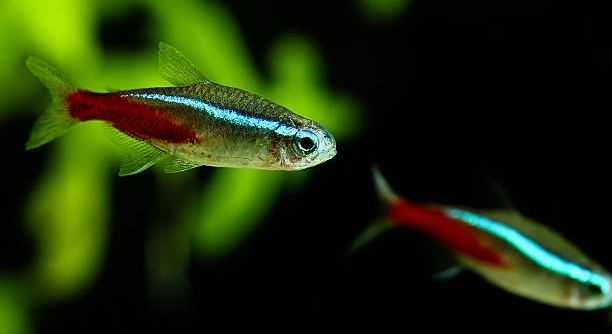
Are your tetras resting on their sides more often than usual? This behavior can catch your attention, especially when your fish seem less active. Understanding why they behave this way is important for their well-being and your aquarium’s health.
Tetras sleeping on their sides commonly indicate stress, illness, or poor water conditions. It may result from low oxygen levels, infections, or exposure to toxins. Monitoring water quality and fish health is essential to identify and resolve the underlying causes.
Recognizing these signs early can prevent serious health problems. The following information will help you understand the reasons behind this behavior and how to improve your tetras’ environment.
Common Causes of Tetras Sleeping on Their Sides
When tetras sleep on their sides, it often points to environmental or health issues. Poor water quality is a frequent cause, as high levels of ammonia, nitrites, or nitrates stress fish and affect their buoyancy. Low oxygen levels in the tank can also make fish behave abnormally. Illnesses such as swim bladder disorder disrupt their ability to swim properly. Parasites or bacterial infections may weaken their bodies, causing unusual resting positions. Sudden changes in water temperature or pH can shock tetras, leading to side-sleeping behavior. Observing these factors closely helps prevent worsening conditions and supports timely treatment.
Proper tank maintenance, including regular water testing and changes, plays a key role in keeping tetras healthy. Maintaining stable water parameters reduces stress and helps fish maintain normal activity levels.
Adjusting water quality and monitoring fish health can often resolve these issues. Early action ensures your tetras remain active and comfortable in their environment.
How to Improve Your Aquarium Environment
Keeping your aquarium clean and balanced requires consistent effort. Testing water parameters like ammonia, nitrite, nitrate, and pH at least once a week is important. Performing partial water changes regularly helps remove harmful substances and replenish essential minerals. Avoid overfeeding, which can pollute the water and contribute to poor conditions. Proper filtration and aeration increase oxygen levels, supporting fish health. Temperature stability is vital; sudden fluctuations can stress tetras and cause erratic behavior. Introducing live plants can also improve oxygen levels and provide hiding spots. Observing your tetras’ behavior daily helps identify problems early. Taking these steps creates a safer and more comfortable space for your fish to thrive. Regular care prevents many common issues that cause tetras to rest on their sides.
Recognizing Signs of Illness in Tetras
Tetras sleeping on their sides may show other illness symptoms. These include clamped fins, loss of appetite, pale or discolored spots, and sluggish movement. Early detection improves treatment success and helps prevent spread to other fish.
Common illnesses affecting tetras include swim bladder disorder, bacterial infections, and parasites. Swim bladder issues cause buoyancy problems, making it hard for fish to swim normally. Bacterial infections can cause redness, sores, or fin rot. Parasites may lead to flashing, rubbing against surfaces, or visible spots. Observing your fish daily and noting any behavior changes is essential to identify these signs early.
Treating illnesses quickly often involves water quality improvement and medication. Quarantining affected fish prevents disease spread. Maintaining clean water and a stable environment reduces illness risks. Providing a balanced diet also supports immune health and speeds recovery.
When to Seek Professional Help
If your tetras continue sleeping on their sides despite good water conditions, professional advice is necessary. Persistent symptoms could indicate serious infections or internal problems that require expert diagnosis. A veterinarian specialized in fish or an experienced aquarist can provide accurate assessment and treatment options. Delaying professional help may worsen the condition and risk the health of your entire aquarium. Early intervention often improves the chances of recovery and keeps your fish safe.
Tank Setup and Space Considerations
Overcrowding can cause stress and unusual behavior in tetras, including sleeping on their sides. Each tetra needs enough space to swim comfortably and establish its place in the tank.
Providing a tank of at least 10 gallons for a small group helps reduce stress. Adding plants and hiding spots creates a more natural environment, making tetras feel secure.
The Role of Diet in Tetra Health
A poor diet weakens tetras and can contribute to lethargy and abnormal behavior. Feeding high-quality, varied food supports their immune system and energy levels. Avoid overfeeding, which can pollute the tank and cause digestive problems. Offering a mix of flakes, pellets, and occasional live or frozen foods promotes balanced nutrition and helps maintain overall health and vitality.
Monitoring Water Temperature
Tetras thrive in stable temperatures between 72°F and 78°F. Fluctuations outside this range can stress fish, leading to side sleeping and inactivity. Using a reliable heater and thermometer helps maintain steady conditions.
The Impact of Lighting
Proper lighting affects tetra behavior and health. Too much or too little light can cause stress. Mimicking natural day-night cycles promotes regular activity and rest.
FAQ
Why is my tetra sleeping on its side but still eating?
It is possible for a tetra to sleep on its side and still eat if it is mildly stressed or recovering from minor health issues. Sometimes, fish conserve energy by resting more while maintaining enough strength to feed. However, this behavior should not last long. Continued side sleeping alongside eating may signal an early health problem or water quality issue that requires attention.
Can poor water quality cause tetras to sleep on their sides?
Yes, poor water quality is one of the main reasons tetras exhibit abnormal behaviors like sleeping on their sides. High levels of ammonia, nitrite, or nitrate can stress fish and affect their buoyancy. Maintaining clean water with regular testing and partial water changes is essential to prevent these problems.
Is swim bladder disorder common in tetras?
Swim bladder disorder can affect tetras and is often linked to improper diet, infections, or water conditions. This disorder impacts their ability to control buoyancy, causing them to float sideways or upside down. Treating swim bladder issues involves improving water quality, adjusting diet, and sometimes using medication prescribed for bacterial infections.
How can I tell if my tetra is sick?
Signs of illness include clamped fins, loss of appetite, unusual swimming patterns, pale spots, or redness. A tetra sleeping on its side with any of these symptoms likely needs care. Early detection helps prevent worsening health and spreads to other fish in the tank.
What should I do if my tetra is sleeping on its side?
First, test your aquarium water and correct any imbalances. Improve oxygen levels by increasing aeration or doing partial water changes. Observe your fish closely for signs of illness and isolate affected individuals if needed. Consult a veterinarian or fish specialist if symptoms persist.
Can temperature changes affect tetra behavior?
Sudden or extreme temperature fluctuations stress tetras and can cause side sleeping or lethargy. Maintaining a stable temperature between 72°F and 78°F is important. Use a quality heater and thermometer to monitor conditions consistently.
Does tank size influence tetra sleeping habits?
Yes, overcrowded tanks increase stress and may cause unusual resting behavior. Providing at least 10 gallons for a small group of tetras allows enough space for swimming and reduces stress. Adding plants and hiding places also creates a comfortable environment.
Is overfeeding a reason for tetras sleeping on their sides?
Overfeeding can lead to digestive problems and poor water quality, both of which can stress tetras. This stress might cause them to rest on their sides more frequently. Feeding moderate amounts of varied, high-quality food supports digestion and overall health.
Can lighting affect tetra activity and rest?
Improper lighting can disrupt normal behavior. Too much light causes stress, while too little reduces activity. Mimicking natural day-night cycles with consistent lighting helps regulate tetra behavior and promotes healthy rest.
When should I seek professional help for my tetra?
If your tetra continues sleeping on its side despite good water quality, stable temperature, and proper care, professional advice is necessary. Persistent symptoms might indicate serious infections or internal issues that require expert diagnosis and treatment. Early intervention increases recovery chances.
Final Thoughts
Tetras sleeping on their sides often signal that something in their environment or health needs attention. This behavior is usually a sign of stress, illness, or poor water conditions. Maintaining clean water and stable tank parameters is key to preventing these issues. Regular testing and partial water changes keep harmful substances in check and support your fish’s well-being. Paying close attention to temperature, oxygen levels, and tank space also helps reduce stress, which can improve your tetras’ behavior and overall health.
Observing your fish daily is important for early detection of problems. Noticing changes like side sleeping, loss of appetite, or unusual swimming can alert you to health concerns before they become serious. Illnesses such as swim bladder disorder, bacterial infections, or parasites can all cause tetras to rest on their sides. Prompt action, including water quality improvement, diet adjustment, and possibly medication, can make a big difference in recovery. If problems persist, seeking professional help ensures your fish get the right treatment.
Creating a stable and comfortable environment is the best way to keep your tetras healthy and active. Proper tank size, a balanced diet, appropriate lighting, and clean water work together to support their natural behaviors. When tetras are healthy, they swim actively, eat well, and rest normally. By maintaining good care practices, you can enjoy a thriving aquarium and reduce worries about your fish’s unusual behavior. Your efforts will help your tetras live longer, happier lives.

Hello,
If you enjoy the content that we create, please consider saying a "Thank You!" by leaving a tip.
Every little bit helps us continue crafting quality advice that supports the health, happiness, and well-being of pets around the world, for pets of all shapes, sizes, and species.
We really appreciate the kindness and support that you show us!