
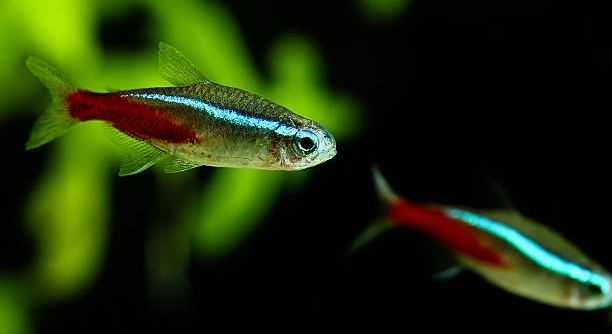
Are your tetras spending all their time at the bottom of the tank, leaving you unsure if something is wrong with them?
Tetras may swim only at the bottom due to stress, poor water quality, illness, or lack of oxygen. These conditions can make them feel unsafe or physically unwell, prompting them to stay low in the tank for comfort or survival.
Understanding why this behavior happens can help you create a better environment and improve their overall health and activity levels.
Common Reasons Tetras Stay at the Bottom
Tetras often retreat to the bottom of the tank when something in their environment feels off. Poor water quality is one of the biggest issues, especially when ammonia or nitrate levels are too high. Cold water can also affect them, as they prefer stable, warm temperatures. Stress from bullying tank mates or a tank that’s too crowded may push them to stay low. Sometimes, they hide due to illness, like internal parasites or swim bladder issues. Low oxygen levels can also make them sluggish and force them to rest near the substrate. Watching for subtle changes and keeping their tank clean and stable goes a long way in keeping them healthy. When the water and setup don’t support their needs, they won’t behave as actively or socially as usual. It’s important to notice this early so things don’t get worse. A few small changes can make a big difference.
A stressed tetra may breathe rapidly, show pale colors, or isolate itself from the group.
Testing your water with an aquarium kit can tell you if toxins like ammonia or nitrite are present. Use a heater to keep the water between 72–78°F. Make sure your filter runs properly and doesn’t slow down over time. If oxygen is low, consider adding an air stone to boost circulation. Tank mates should be peaceful and not too large or aggressive, as this can frighten your tetras. Keep the tank size appropriate—ten gallons or more is best for a small school. Feed them regularly, but not too much, since leftover food can rot and cause water problems. If they seem sick, remove the affected fish and use a quarantine tank while treating them. Look for signs like bloating, unusual swimming, or discoloration. Being consistent with maintenance and careful with changes will help your tetras stay active and healthy.
When It’s Not Just the Water
Sometimes tetras stay low in the tank even when the water looks fine.
Behavioral changes can come from issues that aren’t immediately visible. If your tetras were recently moved or the tank was rearranged, they may need time to adjust. Even small changes in lighting or decorations can unsettle them. It’s also possible that the tank isn’t offering enough hiding spaces. Tetras feel safer when they can retreat if needed, especially in a group of six or more. If the school is too small, the fish may feel vulnerable and spend more time near the bottom. In rare cases, parasites or bacterial infections may cause them to rest more often. These conditions might not show symptoms right away, so it’s good to observe them closely over a few days. Watch how they swim, eat, and respond to you. If they continue acting strangely despite stable conditions, you might want to consult a vet who specializes in fish or visit an aquarium store with experience.
How to Improve Their Behavior
Check your tank’s water conditions regularly and keep everything stable. Tetras don’t respond well to sudden changes, so keep temperature, pH, and cleanliness consistent. Use a water testing kit weekly to catch problems early and adjust slowly when needed.
When oxygen is low, tetras often stay near the bottom where it’s slightly cooler. Try adding an air stone or adjusting your filter to improve water movement. Live plants also help raise oxygen levels while keeping things natural. Rearranging your tank too often or using harsh lighting can stress them out. Add plants or decorations that give them shelter without overcrowding the space. Always keep their group size healthy—tetras need to be in schools of at least six. Loneliness or fear can change their behavior. Feed them small portions twice a day and remove leftovers after a few minutes to avoid water contamination.
If your tetras still linger at the bottom after you’ve made changes, try removing other species one at a time. Some fish might seem peaceful but can still intimidate tetras. Watch for chasing or nudging, especially during feeding time. Consider increasing your tetra group if the current school is too small. Fish that feel secure tend to swim more freely and stay in the middle of the tank. A light cycle of 8–10 hours a day helps them stay active. Keep noise and tank vibrations low. Stress can come from outside the tank, too, including foot traffic or loud music. Creating a calm, balanced environment improves their behavior over time.
Signs Your Tetra Might Be Sick
A sick tetra often separates from the group, has trouble swimming, or shows faded coloring. Labored breathing and clamped fins are also signs something is wrong. These symptoms may develop slowly and are easy to miss at first.
Internal parasites, bacterial infections, and swim bladder issues are common causes of bottom-dwelling behavior. Look closely for bloating, white stringy waste, or loss of appetite. Swim bladder problems often cause the fish to tilt or struggle when swimming up. If you suspect illness, move the affected fish to a separate tank for observation. Use aquarium salt or appropriate medication based on symptoms. Maintain good water quality during treatment and avoid feeding for 24 hours before offering a light meal. Feeding boiled, skinned peas can help with constipation-related swim issues. Keeping your tank clean and avoiding overfeeding are your best defenses against most common tetra illnesses. Pay attention to their habits—they’ll tell you when something’s off.
When Hiding Is Normal
Tetras sometimes stay at the bottom when resting or sleeping. This is more common at night or during quiet periods when the tank lights are off. As long as they return to normal swimming after, it’s usually nothing to worry about.
New fish often take time to adjust and may hide low in the tank until they feel secure. Keep lighting soft and avoid disturbing them during this period. Make sure they have enough plants or decorations for shelter, but don’t overcrowd the space. With time, they should grow more confident.
Tank Setup Tips That Help
Choose a tank of at least 10 gallons for a small school. Tetras need horizontal swimming space and calm water flow. Add live or silk plants along the sides and back, leaving room in the center. Use a gentle filter to avoid strong currents that can tire them out. Keep the substrate smooth to prevent injury. Maintain the water temperature between 72–78°F and the pH around 6.8–7.2. Install a heater and thermometer to keep conditions steady. Provide moderate lighting and a consistent day-night cycle. A balanced setup encourages natural swimming behavior and helps prevent bottom-dwelling habits.
When to Get Help
If your tetras stay at the bottom for days and show signs of illness or distress, contact an aquarium specialist.
FAQ
Why are my tetras hiding all of a sudden?
Sudden hiding is often caused by stress. This can come from loud noises, recent tank changes, or aggressive tank mates. Even shifting the tank’s position or changing lighting can make them feel unsafe. Check if the water parameters are stable and if their environment has changed recently. Give them time to adjust, and make sure there are enough plants or caves where they can feel protected. Once they feel secure again, they’ll likely start swimming more freely.
How can I tell if my tetra is sick or just resting?
Healthy tetras may rest near the bottom for short periods, usually during quiet times or at night. If they’re still active during the day, eating well, and swimming normally afterward, they’re probably just resting. However, if you notice other signs like gasping, loss of color, sluggish movement, clamped fins, or floating problems, it could be illness. Observe them closely over a day or two to look for changes.
What should I do if only one tetra is staying at the bottom?
If just one fish is affected, isolate it if possible. It could be sick or bullied. Use a separate tank for monitoring. Look for any physical symptoms like bloating, discoloration, or odd swimming behavior. Check if it’s eating and interacting normally. Watch the other fish too, in case the issue spreads. If everything else checks out, the isolated fish may just be shy or adjusting slowly. Still, it’s safest to monitor it apart from the group for a bit.
Do tetras need a bubbler or air stone?
Tetras can live without a bubbler if your filter provides enough surface agitation for gas exchange. However, in still water or warm conditions where oxygen levels drop, an air stone helps a lot. It increases circulation and adds oxygen, which can boost their energy and reduce stress. If your tetras look sluggish or gather at the bottom or near the surface, try adding one. It’s an easy fix that often improves their behavior quickly.
Can overfeeding cause my tetras to stay at the bottom?
Yes, overfeeding leads to poor water quality. Uneaten food breaks down into ammonia and nitrates, which can stress or sicken fish. This makes them less active and more likely to stay low in the tank. Overeating can also cause digestive problems or swim bladder issues. Feed them once or twice a day in small amounts they can finish in a few minutes. Remove leftovers to keep the water clean and reduce risk.
Why are my tetras swimming at the bottom in a new tank?
When introduced to a new tank, tetras often stay low as they adjust. It’s their way of feeling safe while they learn the space and settle. This behavior usually fades after a few days once they feel comfortable. Keep lighting soft, avoid loud noises, and make sure the tank is cycled and stable. Adding decor and plants can help them feel secure. Avoid adding too many fish at once or making big changes during this time.
How long should I wait before worrying about bottom-sitting behavior?
If the behavior lasts longer than a day or two and is paired with signs like loss of appetite, clamped fins, or abnormal swimming, start investigating. Check the water, review any changes, and consider separating the affected fish if symptoms worsen. Waiting too long can lead to bigger health problems, especially if it’s related to disease or toxins. The sooner you act, the easier it is to correct the problem and protect the rest of the tank.
Do tetras sleep at the bottom?
Yes, tetras do rest near the bottom, especially when the lights are off. This behavior is normal and part of their sleep cycle. You’ll notice they become less active and hover close to plants or the substrate. As long as they’re back to normal movement once the lights come on, there’s no reason to worry. If they continue staying low after lights return, then it might be a sign something else is going on.
Is it okay to medicate the whole tank?
Only medicate the entire tank if several fish are showing symptoms and you’re certain about the illness. Otherwise, it’s safer to treat the sick fish in a separate tank. Broad medications can affect healthy fish, beneficial bacteria, and water chemistry. If in doubt, seek advice from a local fish store or vet. Always research the medication before using it and follow dosage instructions carefully. Unnecessary medication can do more harm than good if used improperly.
Final Thoughts
Keeping tetras healthy and active starts with a stable, well-maintained tank. These fish are small and sensitive, so even small changes in their environment can affect how they behave. When they stay at the bottom of the tank, it’s often a sign that something isn’t quite right. It could be poor water quality, stress from aggressive tank mates, or simply that they are adjusting to a new space. It’s important to stay calm and avoid rushing to make big changes all at once. Observing their behavior closely is the first step in understanding what they need. Keeping a regular routine with feeding, water checks, and maintenance will help prevent many of the issues that lead to bottom-sitting behavior.
Sometimes, the reason is simple and harmless—like resting, adjusting to new lighting, or reacting to a minor change in the tank. But other times, it can be a sign of illness or stress that needs attention. Learning to tell the difference comes with experience, but even beginners can do a lot by sticking to a consistent care routine. Testing your water regularly, making sure your tetras have enough space, and watching for signs of stress or sickness can go a long way. If something seems off, try adjusting the basics first—like water temperature, pH levels, or feeding habits—before using any treatments or medications. Give your fish time to respond before trying too many fixes at once.
In the end, caring for tetras is about balance. A clean tank, calm environment, and good nutrition can make a big difference in how your fish feel and act. Even though it’s upsetting to see your tetras hiding or staying low, most issues can be solved with a few thoughtful changes. Take the time to learn their habits and get to know what’s normal for them. That way, you’ll notice sooner when something changes. When you stay patient and pay attention, you’ll create a healthy space where your tetras feel safe, swim freely, and thrive. With the right care, they’ll become more active and bring even more beauty and life to your aquarium.

Hello,
If you enjoy the content that we create, please consider saying a "Thank You!" by leaving a tip.
Every little bit helps us continue crafting quality advice that supports the health, happiness, and well-being of pets around the world, for pets of all shapes, sizes, and species.
We really appreciate the kindness and support that you show us!