
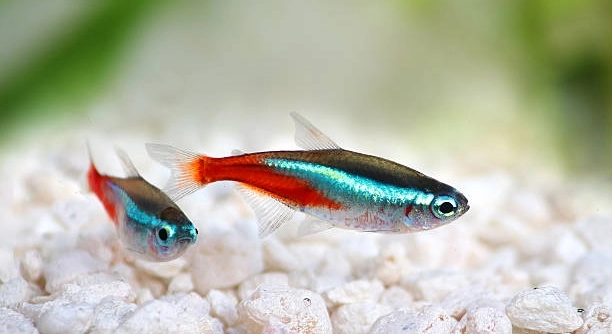
Your tetra fish may suddenly stop eating, which can be frustrating for any fish owner. This article explains common reasons behind this issue and offers practical solutions to help your tetra regain its appetite and stay healthy.
A tetra’s loss of appetite can result from stress, poor water quality, illness, improper diet, tank mates, or environmental changes. Identifying these factors early and addressing them promptly is essential for restoring normal feeding behavior and ensuring the fish’s well-being.
Understanding these causes will help you provide better care and improve your tetra’s health. The following sections explain how to recognize and fix these problems step by step.
Stress and Its Impact on Tetras
Tetras are sensitive fish that can easily become stressed by sudden changes. Moving them to a new tank, aggressive tank mates, or loud noises nearby may cause anxiety. Stress weakens their immune system and often leads to a loss of appetite. Even small changes in the environment, such as fluctuating water temperature or poor lighting, can upset their routine. It is important to create a calm, stable environment to help your tetra feel safe and comfortable. Observing your fish regularly will help you notice signs of stress early. Signs include hiding, rapid breathing, or a lack of movement. Reducing stress can improve their eating habits and overall health, so maintaining consistent care is essential.
Stress can cause your tetra to stop eating, but calming their environment often restores their appetite.
Keeping the tank quiet and stable minimizes stress. Avoid sudden changes and separate aggressive fish. Regular water testing ensures ideal conditions, reducing anxiety and encouraging your tetra to eat normally again.
Poor Water Quality Effects
Poor water quality is one of the most common reasons tetras stop eating. Dirty water or incorrect pH levels create an unhealthy environment, causing discomfort and illness. High ammonia or nitrite levels from waste build-up can be toxic. These toxins irritate your fish’s gills and skin, making them less interested in food. Regular water changes and monitoring water parameters are vital. Using a reliable test kit helps track ammonia, nitrite, nitrate, and pH levels. Filtration systems should be clean and working efficiently. Keeping the tank clean prevents disease and supports your tetra’s appetite. Remember, even small water quality problems can affect your fish quickly. Taking action before issues worsen protects their health and encourages regular feeding.
Maintaining clean water is essential to your tetra’s well-being and appetite.
Check water conditions weekly. Remove uneaten food and waste promptly. Adjust water chemistry gently to avoid shocking your fish. Healthy water promotes better eating and reduces illness risks.
Illness and Disease
Illness can cause tetras to stop eating quickly. Common diseases include ich, fin rot, and bacterial infections. Watch for visible symptoms like spots, frayed fins, or unusual swimming behavior.
Treating illness depends on early detection. Quarantine sick fish to prevent spreading disease. Use aquarium-safe medications following instructions carefully. Maintain good water quality during treatment to support healing. Avoid overcrowding the tank to reduce stress and risk of infection.
Nutrition also supports recovery. Offering high-quality, varied food encourages your tetra to eat despite feeling unwell. If appetite loss persists, consulting a vet experienced with fish may be necessary to diagnose and treat more complex health issues.
Improper Diet
Tetras require a balanced diet rich in protein and nutrients. Feeding only flakes or one type of food can lead to nutrient deficiencies and appetite loss. Vary their diet with frozen or live foods like brine shrimp or daphnia to mimic natural feeding habits.
Overfeeding can cause digestive problems, making tetras less interested in food. Feed small amounts two to three times daily and remove uneaten food to keep the tank clean. Introduce new foods gradually to avoid upsetting their digestive system. Providing a nutritious and varied diet keeps tetras healthy and encourages consistent eating.
Aggressive Tank Mates
Aggressive fish can scare tetras, making them hide and refuse food. Peaceful tank companions help tetras feel safe and comfortable.
Separating aggressive fish or moving your tetra to a quieter tank can reduce stress and improve their appetite quickly.
Environmental Changes
Sudden changes like shifting water temperature or light intensity can disrupt a tetra’s routine. These fluctuations cause stress and impact feeding behavior.
Consistent, stable tank conditions are crucial. Avoid sudden moves or changes, and monitor temperature daily to keep your tetra comfortable and willing to eat.
Overcrowding Issues
Overcrowding causes competition for food and space, which can stress tetras. Stress often leads to appetite loss and poor health.
Maintaining appropriate tank size and fish numbers allows each tetra enough space and reduces competition, encouraging healthier eating habits.
FAQ
Why has my tetra suddenly stopped eating?
A sudden loss of appetite in tetras usually points to stress, poor water quality, illness, or environmental changes. Stress can come from aggressive tank mates or loud noises. Water that is dirty or chemically unbalanced irritates your fish. Illness weakens their desire to eat. Checking these factors can help identify the cause quickly.
How can I tell if my tetra is sick?
Look for physical changes like white spots, torn fins, or clamped fins. Behavior changes include hiding, sluggish swimming, or gasping at the water surface. If your tetra shows any of these signs, it may be ill and require treatment.
What food should I offer to encourage eating?
Tetras eat a variety of foods. Besides flakes, try frozen or live options like brine shrimp, daphnia, or bloodworms. These add nutrition and variety, which can stimulate their appetite. Feed small amounts several times a day, and remove uneaten food to prevent water issues.
Can stress alone cause a tetra to stop eating?
Yes, stress is a major factor affecting appetite. It weakens the immune system and makes fish less interested in food. Stress comes from overcrowding, aggressive tank mates, loud noises, or sudden environmental changes.
How often should I clean my tank?
Partial water changes of 25-30% once a week keep water clean and safe. Remove uneaten food and waste daily. Proper maintenance reduces toxins and helps fish stay healthy and willing to eat.
Is it normal for tetras to skip meals?
Tetras may occasionally eat less but should not refuse food for several days. Extended fasting often signals a problem like illness or stress. If your tetra stops eating for more than two days, investigate water quality, tank conditions, and health.
Can water temperature affect feeding?
Yes, tetras thrive between 72-78°F (22-26°C). Temperatures outside this range cause stress and reduce appetite. Use a reliable heater and thermometer to maintain stable temperature.
Should I quarantine new fish before adding them to my tank?
Quarantining new fish for two weeks helps prevent disease spread. It also reduces stress on your existing fish. Healthy, disease-free additions keep your tetra’s environment stable and support normal eating habits.
What do I do if my tetra refuses all types of food?
First, test water quality and check for illness. If both are fine, try improving tank conditions or changing tank mates. Sometimes, tetras stop eating due to environmental stress. Adjust lighting, temperature, and reduce noise. If problems persist, consult an aquatic veterinarian.
Can overcrowding cause appetite loss?
Yes, overcrowding increases competition for food and space, stressing fish and leading to less eating. Maintain proper fish numbers relative to tank size to ensure everyone has room and access to food.
How can I encourage a shy tetra to eat?
Offer food near where it usually hides. Use gentle feeding techniques and avoid sudden movements. Feeding small amounts frequently helps shy fish gain confidence to eat regularly.
Are there medications safe to use for treating ill tetras?
Yes, there are aquarium-safe medications for common fish diseases like ich and fin rot. Always follow the manufacturer’s instructions and maintain good water quality during treatment to support recovery.
Can changing the lighting help with feeding?
Adjusting lighting to mimic natural day-night cycles can reduce stress and improve feeding. Avoid overly bright or flickering lights, which may scare your fish and cause appetite loss.
How long does it take for a tetra to recover its appetite?
Recovery time varies depending on the cause. With proper care, stress relief, and treatment, most tetras resume eating within a few days to a week. Patience and consistency are key.
Final Thoughts
Taking care of a tetra’s appetite requires attention to several important factors. Stress, water quality, illness, diet, and tank conditions all play a role in how your fish behaves around feeding time. Being aware of these elements helps you create an environment where your tetra feels comfortable and safe. This comfort encourages natural eating habits and supports the fish’s overall health. Regular observation is key, as it allows you to catch early signs of problems and act before they worsen. Small adjustments, like improving water cleanliness or changing tank mates, can make a big difference in your tetra’s willingness to eat.
Keeping water clean and stable is one of the most effective ways to prevent appetite loss. Tetras are sensitive to changes in water temperature, pH, and cleanliness. Frequent water testing and regular partial water changes ensure a healthy living space. This prevents harmful toxins from building up and keeps your fish active and well. A balanced diet also plays an important role. Offering a variety of foods, including flakes, frozen, or live options, meets nutritional needs and keeps mealtime interesting for your tetra. Avoiding overfeeding helps maintain water quality and prevents digestive issues that could reduce appetite.
Lastly, paying attention to your tetra’s behavior helps maintain its well-being. Changes in eating habits can signal stress or illness that need immediate care. Responding quickly to these signs with proper treatment or environmental adjustments can restore your fish’s appetite. Managing tank conditions and providing a peaceful atmosphere will reduce stress and encourage healthy feeding routines. Being patient and consistent with care allows your tetra to regain its normal eating habits and thrive in its home. This approach ensures your fish remains happy and healthy for the long term.

Hello,
If you enjoy the content that we create, please consider saying a "Thank You!" by leaving a tip.
Every little bit helps us continue crafting quality advice that supports the health, happiness, and well-being of pets around the world, for pets of all shapes, sizes, and species.
We really appreciate the kindness and support that you show us!