
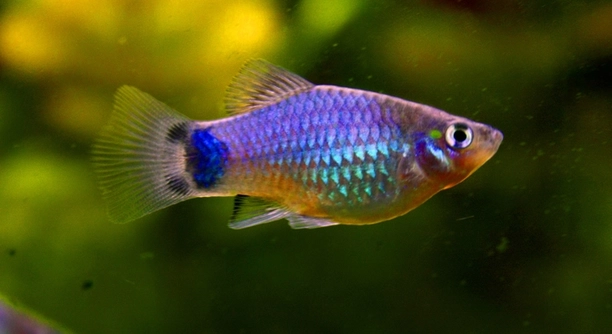
Are your platies spending most of their time near the surface of the tank, leaving you unsure if something might be wrong?
Platies often swim at the top due to low oxygen levels, poor water quality, or high ammonia levels. These conditions prompt them to seek more oxygen near the surface, which can signal an issue requiring immediate attention.
Learning what influences their behavior can help you create a healthier environment and prevent further stress in your platies’ daily routine.
Common Reasons Platies Swim at the Top
Platies swimming near the surface is often a response to low oxygen levels in the tank. Warm water holds less oxygen, and if the tank isn’t properly aerated, your fish may move to the top where oxygen is more concentrated. Poor water circulation or an overstocked tank can also reduce oxygen availability. Sometimes, it’s linked to water quality issues like elevated ammonia or nitrite levels. These toxins can irritate your fish, making it harder for them to breathe. If oxygen and water quality are both fine, your platy may be exploring or feeding, especially if it’s used to being fed at the surface. It’s important to check for signs of stress like rapid gill movement or clamped fins. Regular monitoring and proper maintenance can help create a stable environment and reduce unwanted behavior that may indicate discomfort or poor health.
Check your water temperature and filtration system to ensure there’s adequate oxygen for your fish.
Make sure to test the water regularly using a reliable aquarium test kit. A sudden spike in ammonia or nitrite levels can affect your platy’s health quickly. Keeping the tank clean and not overfeeding helps reduce waste buildup, which contributes to better oxygen balance and overall water quality.
What to Do If Your Platy Won’t Stop
Start by observing your platy closely. If it’s hovering at the top with rapid gill movement or gasping, that’s not normal.
Perform a partial water change to help restore balance, especially if it’s been a while since the last one. Clean the filter, but don’t replace it entirely, as doing so may remove beneficial bacteria. Increase aeration by adjusting your filter output or adding an air stone. Check your tank temperature and make sure it’s within the ideal range of 72–78°F. Too warm, and oxygen drops quickly. Use a thermometer to monitor consistently. Avoid overcrowding—this stresses your fish and lowers oxygen levels. If feeding habits changed recently, try offering food in smaller amounts and observe if behavior improves. Sometimes, platies hover near the top expecting food due to regular surface feeding. If issues continue, test the water again and consider isolating the fish to monitor its health. This step can help determine if the issue is environmental or illness-related.
Signs to Watch For in Your Platy
Look for rapid gill movement, clamped fins, or unusual swimming patterns. These behaviors often point to discomfort or stress. Floating at the top without movement may signal a more serious issue, especially if it’s paired with a loss of appetite.
Stress can show in subtle ways, like a change in color or hiding more often. If your platy usually swims around actively but now floats near the surface or stays in one spot, that’s a clear sign something isn’t right. Flicking or rubbing against tank surfaces may also point to irritation from poor water quality or parasites. Monitor eating habits closely—refusing food or spitting it out can indicate internal trouble. Even aggression from tank mates may cause a platy to retreat toward the top. Keeping track of these shifts helps you catch problems early before they affect the entire tank’s health and balance.
You may also notice your platy separating from the group or darting around unpredictably. These are stress reactions that shouldn’t be ignored. Make sure to observe your fish at different times of the day to get a better sense of any changes. Catching these signs early can prevent more serious health issues from developing or spreading to other fish.
How to Improve Tank Conditions
Start with checking your tank’s ammonia, nitrite, and nitrate levels using a reliable test kit. High levels of waste products are a major cause of poor behavior. Keep the tank clean and avoid overfeeding.
Use a quality filter suited to your tank’s size and stock level. This helps maintain healthy oxygen levels and supports good water circulation. Airstones or sponge filters also help improve oxygen exchange. Try adding live plants, which release oxygen and absorb waste, creating a more stable environment. Avoid overstocking your tank—too many fish leads to stress and reduced water quality. Conduct weekly partial water changes, replacing 25–30% of the water with dechlorinated tap water. This prevents toxins from building up over time. Clean out uneaten food and debris from the substrate to reduce harmful bacteria. Consistency matters, so set a routine and stick to it to keep your platies healthy and active.
Feeding Habits and Surface Behavior
Platies often associate the water’s surface with feeding, especially if they’re regularly fed floating food. This habit can make it seem like they’re hovering more than usual, even if there’s nothing wrong with the water or their health.
Feeding too often can lead to waste buildup and poor water quality. It’s better to feed in small amounts and observe how much is eaten within a couple of minutes. Uneaten food should be removed quickly to avoid ammonia spikes, which can cause stress and unusual swimming behavior.
Tank Mates and Stress Factors
Aggressive or overly active tank mates can cause stress, leading platies to seek calmer areas near the surface. If chased often or outcompeted for food, they may avoid the middle or lower areas of the tank. Choose compatible species and ensure everyone has enough space to reduce tension and improve overall behavior.
When to Consider Illness
If all tank conditions are stable but your platy still shows unusual behavior, illness might be the reason. Watch for signs like bloating, white spots, or discolored patches. Early detection and quick treatment can make a big difference in recovery.
FAQ
Why do my platies suddenly start swimming at the surface?
Sudden changes in behavior often point to a shift in tank conditions. If your platies weren’t doing this before, check your water parameters first. A spike in ammonia or nitrites may cause them to move up for more oxygen. A malfunctioning filter, lack of aeration, or warm temperatures can also lower oxygen levels. If multiple fish are showing the same behavior, treat it as urgent. Test the water, perform a partial water change, and check that your equipment is working correctly. Always address sudden changes quickly to avoid long-term health problems.
Is it normal for platies to swim at the top during feeding time?
Yes, many platies learn to associate the surface with food. If you usually feed floating flakes or pellets, they’ll swim near the top when they sense movement or see you near the tank. This behavior is normal and not a cause for concern unless it continues long after feeding or is paired with signs of stress. If your platies continue hovering at the surface for long periods without food present, it’s worth checking the tank conditions to rule out oxygen or water quality issues.
Can low oxygen levels make my platy stay at the surface?
Yes, low oxygen is a common reason for surface swimming. Fish rely on dissolved oxygen in the water, and warm or stagnant tanks hold less of it. When levels drop, platies instinctively move toward the surface, where oxygen is more concentrated. You might also notice them gasping or breathing heavily. To prevent this, ensure your filter is running well and consider adding air stones or live plants to improve oxygen exchange. Regular water changes also help. Make it part of your routine to test and monitor oxygen-related conditions, especially during warmer months.
Should I worry if only one platy is swimming at the top?
If only one fish is acting this way, pay close attention to its behavior. It could be responding to stress, illness, or even bullying from tank mates. Watch for signs like ragged fins, fading color, or weight loss. If it’s showing any of these, it may be best to separate it temporarily and monitor for further symptoms. However, if the fish eats well, swims normally at other times, and shows no signs of distress, it may simply have developed a feeding habit or prefers that part of the tank. Still, it’s good to stay observant.
How can I tell if it’s a health issue or a tank issue?
Start with the tank. Use a test kit to check ammonia, nitrites, nitrates, and pH levels. Look at the temperature and make sure your filter is working properly. If all these are within range, then shift your focus to the fish. Check for visible signs of illness like white spots, frayed fins, or swelling. Monitor their appetite and how they interact with other fish. If water conditions are fine and only one or two fish are affected, it may be health-related. Quarantining and treating with appropriate medication may be needed based on what symptoms appear.
Can platies swim at the top if the tank is too small?
Yes, smaller tanks are more likely to have unstable conditions, including oxygen drops, temperature spikes, and waste buildup. All of these can make fish move toward the surface. Overcrowding also plays a big role—too many fish in a small space increases competition and stress. Even if your water seems clean, oxygen levels may still be low. Try upgrading to a larger tank, increasing aeration, or reducing the number of fish. Small tanks require more frequent maintenance to stay balanced, especially with active species like platies.
What changes should I make if surface swimming continues?
First, increase surface agitation with a filter adjustment or air stone to improve oxygen exchange. Then, perform a 25–30% water change, clean the substrate, and retest your water. Consider reducing feeding for a few days to lower waste output. If you don’t already have live plants, adding a few can help oxygenate the tank. Lastly, review your stocking levels—too many fish will always create ongoing stress. Keep a simple routine: regular testing, consistent cleaning, and careful feeding. If behavior doesn’t improve, it may be time to look into possible illness.
Final Thoughts
Platies are hardy and peaceful fish, but their behavior can quickly change if something in the tank is off. Swimming at the top is one of the first signs that something might be bothering them. While this behavior is sometimes harmless—especially during feeding—it can also mean the fish are stressed, uncomfortable, or struggling to breathe properly. Paying close attention to how often and how long they stay near the surface can help you figure out if action is needed. A few minutes of daily observation can go a long way in keeping your platies healthy and comfortable in their environment.
Many issues that cause surface swimming come down to water quality and oxygen levels. These two factors are closely connected and easy to manage once you build a routine. Clean water, proper filtration, and good circulation help keep oxygen levels steady. Avoid overfeeding, don’t overcrowd the tank, and always check the water temperature. Even small changes can affect how your fish behave. Keeping a reliable test kit on hand allows you to catch problems before they become serious. If the tank is well-maintained but one fish is still acting off, it may be time to isolate and observe more closely in case of illness.
Creating a healthy space for your platies isn’t difficult, but it does take consistency. Regular water changes, gentle cleaning, and paying attention to how your fish behave each day can prevent many common problems. Surface swimming isn’t always a reason to worry, but it should never be ignored if it becomes frequent or is paired with other unusual signs. Most of the time, simple steps like improving aeration or adjusting feeding habits are enough to correct the issue. By understanding what your platies are telling you through their behavior, you can respond with the right care. In the end, a balanced tank means less stress for you and a much better life for your fish.

Hello,
If you enjoy the content that we create, please consider saying a "Thank You!" by leaving a tip.
Every little bit helps us continue crafting quality advice that supports the health, happiness, and well-being of pets around the world, for pets of all shapes, sizes, and species.
We really appreciate the kindness and support that you show us!