
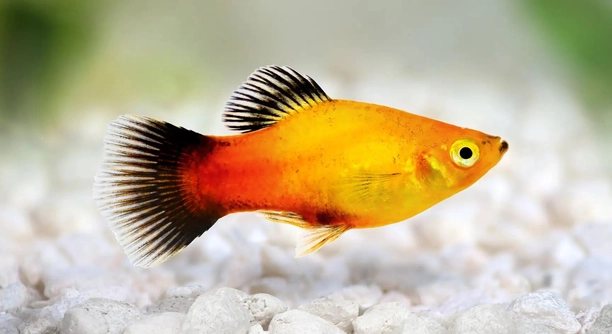
Platies are popular freshwater fish often kept in community tanks. Many fish owners wonder if these colorful fish show preferences when it comes to their tankmates. Understanding their behavior can help create a peaceful aquarium environment.
Research shows that platies can exhibit preferences for certain tankmates based on compatibility, temperament, and environmental factors. They tend to thrive with peaceful species and may avoid aggressive or overly active fish, which influences their social interactions and overall well-being.
Learning about platies’ social preferences will improve how you set up your aquarium. This knowledge supports healthier fish and a more balanced aquatic community.
How Platies Choose Their Tankmates
Platies are social fish that often prefer living with species that share similar temperaments. They usually do well with peaceful tankmates that don’t show aggressive behavior. Aggressive or overly dominant fish can cause stress, leading platies to hide or become less active. Tank size also affects how well platies get along. In larger tanks, there is more space to avoid conflicts. It’s important to observe how fish interact during the first days after introduction. Signs of stress or bullying indicate that the tankmates may not be a good match. Providing plants and hiding spots can help reduce tension and give platies places to retreat. Overall, platies adapt best when their environment feels safe and balanced.
Keeping compatible fish together helps maintain harmony in the aquarium. Peaceful companions make a more stable environment for platies.
Setting up the right community tank for platies means carefully selecting species that fit their behavior. Ideal tankmates include other livebearers like guppies, mollies, and swordtails because they have similar activity levels and peaceful nature. Avoid keeping platies with aggressive cichlids or fin-nipping fish. Monitoring water parameters is also important since sudden changes can increase stress and aggression. By maintaining steady conditions and compatible companions, platies are more likely to thrive, display natural behavior, and interact positively with their tankmates.
Signs of Preference Among Platies
Platies often display subtle behaviors to show preference toward certain tankmates. Observing these behaviors can help understand their social choices.
Observing Platies’ Social Behavior
Platies often swim close to preferred tankmates and avoid those they dislike. They may share food or swim side by side with certain fish, showing comfort and acceptance. Watching these interactions gives clues about their preferences.
Close swimming and gentle nudges are common signs of positive social bonds among platies. When they feel safe with certain tankmates, they often group together during feeding or resting. Avoidance or hiding near aggressive fish shows clear discomfort. Sometimes platies chase away less favored fish to protect their space. These behaviors reflect natural instincts for safety and companionship, important for their well-being.
Platies also use body language like flaring fins or subtle movements to communicate. These signals help maintain balance in the tank and prevent conflicts. Understanding these social cues can guide better fish selection and tank setup. Encouraging peaceful interactions supports healthier and happier platies over time.
Creating a Balanced Community Tank
Choosing tankmates that match platies’ peaceful nature is key. Compatibility reduces stress and encourages natural behavior. Mixing species with similar water needs also supports stable conditions.
Platies do best with other calm fish that occupy different parts of the tank to reduce competition. Including plants and decorations helps create safe zones and visual barriers, minimizing territorial disputes. Proper feeding schedules prevent aggression caused by hunger. Regular observation and quick intervention when conflicts arise maintain harmony. Balancing the tank environment makes a positive difference in platies’ social preferences and overall health.
Tank Size and Its Effect on Preferences
Tank size plays a significant role in how platies interact. Larger tanks allow more space, reducing competition and stress. Smaller tanks can increase aggression and limit choices for preferred companions.
When platies have enough room, they can establish territories or choose who to spend time with more freely. This leads to healthier social dynamics and less bullying.
Environmental Factors Influencing Behavior
Water quality, temperature, and lighting affect platies’ comfort levels. Stable conditions help reduce stress and promote positive interactions with tankmates. Poor water quality or fluctuating temperatures may cause irritability or hiding behavior, interfering with social preferences.
Signs of Stress in Platies
Stress in platies can appear as hiding, loss of appetite, or dull coloration. Recognizing these signs early helps improve tank conditions and social settings to prevent long-term health issues.
FAQ
Can platies live with aggressive fish?
Platies generally do not do well with aggressive fish. Aggressive species can stress platies, causing them to hide or become less active. This stress can weaken their immune system, making them more prone to illness. For a peaceful community tank, it’s best to avoid aggressive fish like large cichlids or fin-nippers.
What tankmates are best for platies?
Good tankmates for platies include other peaceful fish like guppies, mollies, and swordtails. These species share similar water preferences and temperaments. Small tetras, Corydoras catfish, and peaceful rasboras also make suitable companions. Avoid overcrowding to minimize stress and allow each fish enough space to swim comfortably.
Do platies show preference for specific individuals?
Yes, platies can form social bonds and show preferences for certain tankmates. They often swim together or feed near preferred companions. These preferences depend on personality, activity levels, and compatibility. Observing their behavior can help identify favored fish, allowing you to maintain a better social environment.
How do I know if platies are stressed?
Signs of stress include hiding frequently, loss of appetite, and faded coloration. Stress may also cause erratic swimming or aggression. Poor water quality, overcrowding, or incompatible tankmates often cause stress. Regular monitoring and maintaining stable tank conditions help reduce stress.
Can platies live in a small tank?
While platies can live in smaller tanks, limited space increases the chance of stress and aggression. A minimum of 10 gallons is recommended for a small group. Larger tanks provide more space to establish territories and reduce conflicts, promoting healthier social behavior.
What environmental factors influence platies’ behavior?
Stable water temperature, good water quality, and proper lighting create a comfortable environment for platies. Sudden changes can cause stress, affecting their social interactions. Regular water testing and maintenance keep conditions ideal for platies to thrive and interact positively.
How can I encourage platies to get along?
Providing plenty of hiding spots and plants helps reduce tension among tankmates. Feeding fish regularly and avoiding overcrowding also lowers aggression. Choosing compatible species and keeping water stable encourages peaceful behavior and social bonding.
Do male and female platies have different preferences?
Males tend to be more active and may compete for females, which can cause minor disputes. Females usually prefer calmer interactions. Keeping a balanced ratio of males to females reduces stress and aggressive behavior, helping platies coexist peacefully.
Can platies change their preferred tankmates?
Preferences may shift over time due to changes in the environment or social dynamics. Introducing new fish or altering tank conditions can influence who platies spend time with. Observing their behavior regularly ensures the community remains stable and comfortable.
Is it normal for platies to avoid certain fish?
Yes, platies naturally avoid aggressive or overly active fish. This avoidance is a way to protect themselves and reduce stress. Providing enough space and compatible companions helps minimize avoidance behavior and promotes a harmonious tank.
Final Thoughts
Platies are social fish that benefit greatly from living in a well-planned community tank. Their behavior shows they can form preferences for certain tankmates based on personality and compatibility. This natural tendency means paying attention to how platies interact is important for maintaining a peaceful aquarium. Observing which fish they swim with or avoid gives useful information on their comfort level. Creating an environment that supports these preferences can reduce stress and improve overall fish health.
Choosing the right tankmates is one of the key factors in successful platy care. Peaceful species with similar water needs make the best companions. It is also important to avoid overcrowding and aggressive fish that can disrupt harmony. Providing hiding spots and plants gives platies a chance to retreat when needed, helping them feel safe. Additionally, maintaining stable water conditions supports their well-being and encourages positive social interactions. A balanced tank setup not only benefits platies but also helps all fish live in a more natural and stress-free environment.
Understanding platies’ social behavior and preferences allows for better aquarium management. It helps prevent common problems like aggression, hiding, or poor health caused by stress. Paying attention to environmental factors such as tank size, water quality, and tankmate selection leads to a happier community tank. By creating a supportive and comfortable space, platies are more likely to thrive, show natural behaviors, and display their colorful beauty. Keeping these factors in mind results in a rewarding experience for both the fish and the keeper.

Hello,
If you enjoy the content that we create, please consider saying a "Thank You!" by leaving a tip.
Every little bit helps us continue crafting quality advice that supports the health, happiness, and well-being of pets around the world, for pets of all shapes, sizes, and species.
We really appreciate the kindness and support that you show us!