
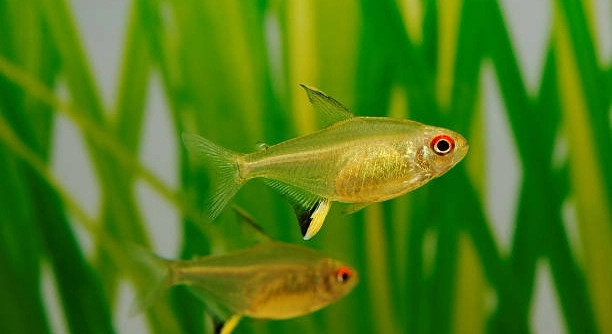
Are your lemon tetras spending most of their time away from the filter area, swimming in quieter corners of the tank instead? Many fish owners notice this behavior and wonder what it might indicate about their aquarium environment.
Lemon tetras often avoid the filter area due to strong water currents, excessive noise, or bright lighting. These factors can create stress, prompting the fish to seek calmer zones that better mimic their natural habitat and reduce discomfort.
Understanding these behaviors can improve your tank setup and fish well-being. Small adjustments in flow, lighting, and placement can encourage your tetras to explore more freely.
Common Reasons Lemon Tetras Avoid the Filter Area
Lemon tetras may avoid the filter area for several practical reasons. Strong water currents created by filters can be exhausting for small fish, making them swim constantly without rest. Bright lighting around the filter can also make this zone uncomfortable. Many fish instinctively seek calmer, shaded areas that feel safer. Additionally, filters often produce noise or vibration that fish can sense more acutely than humans. Over time, fish learn to avoid zones that feel stressful. Another factor is water quality; if debris accumulates near the filter intake or if water flow concentrates uneaten food there, tetras may perceive it as an unpleasant area. Tank layout also matters. Hiding spots, plants, and decorations away from the filter can make other areas more inviting. Observing their behavior can reveal patterns, allowing you to adjust filter flow, reduce noise, or create more comfortable spaces that encourage natural movement throughout the tank.
Properly observing fish behavior and adjusting conditions can improve their comfort and reduce stress in the aquarium.
By gradually reducing strong currents, dimming nearby lights, and adding plants or decorations, you can make the filter area more accessible. Fish prefer zones where water flow is moderate and hiding spots are nearby, so small changes can lead to noticeable differences in swimming patterns. Ensuring the filter does not blow directly onto open areas and maintaining clean, calm water will encourage tetras to explore more freely without feeling threatened. Monitoring behavior over several days helps identify which adjustments work best, creating a balanced environment for all tank inhabitants.
Adjusting Tank Conditions to Encourage Exploration
Reducing filter flow in a targeted manner can make a significant difference for hesitant tetras.
Modifying tank conditions involves several key steps to ensure lemon tetras feel secure near the filter. Start by measuring the flow rate and adjusting it so currents are gentle, allowing fish to swim without constant effort. Adding plants or floating décor near the filter can diffuse water movement while providing natural hiding spots. Lighting should be evaluated, as overly bright areas directly above the filter can deter activity. Softening the light or introducing shaded regions encourages fish to explore this zone. Regular cleaning and maintenance of the filter are crucial, as excessive debris or noise can create persistent stress. Observing tetras during feeding times can also help, since food distribution influences their movement. By combining these measures, you create a more inviting environment, allowing lemon tetras to feel safe, reduce stress, and move freely around the entire tank, including previously avoided filter areas.
Monitoring Fish Behavior
Watching your lemon tetras closely can reveal why they avoid the filter. Look for stress signs like rapid swimming, hiding, or staying at the surface. Behavior patterns indicate whether adjustments are necessary for tank comfort and safety.
Regular observation helps identify consistent avoidance zones. Take note of times when tetras congregate away from the filter, and see if changes in lighting, feeding, or water flow affect their movement. Some tetras naturally prefer calmer areas, but persistent avoidance may suggest stress or discomfort. Tracking their habits over several days allows you to make informed adjustments that encourage more even distribution and reduce anxiety within the tank.
Monitoring also helps detect early signs of illness. Changes in appetite, fin condition, or coloration often appear before obvious health issues develop. By keeping a close eye on behavior near the filter and throughout the tank, you can address problems quickly. This proactive approach ensures lemon tetras remain healthy and more willing to explore previously avoided areas. Observing subtle cues improves overall care and long-term tank stability.
Environmental Adjustments
Small environmental tweaks can significantly impact fish comfort. Adjusting flow, lighting, and adding hiding spots can make the filter area more appealing and reduce stress.
Managing water flow starts with assessing filter strength and redirecting strong currents away from open areas. Introducing plants or floating décor near the filter helps diffuse water movement while creating safe zones. Dimmer lighting or shaded areas reduce visual stress, especially around bright or reflective surfaces. Consistent water quality maintenance ensures debris does not accumulate near the intake, which can deter fish from exploring. Balancing these environmental factors encourages tetras to move freely and feel secure throughout the tank.
Placement of decorations and plants should promote natural swimming paths. Avoid overcrowding while providing multiple hiding spots to encourage exploration. Adjusting filter output gradually allows tetras to acclimate without stress. Observing their response to each change is essential; slow modifications prevent sudden anxiety. Combining lighting adjustments, gentle currents, and carefully arranged décor creates a balanced environment that meets the tetras’ natural instincts. This approach improves activity near the filter and overall tank harmony.
Adjusting Feeding Practices
Feeding near the filter can sometimes discourage tetras from approaching. Scattering food in calmer areas encourages them to explore different zones without feeling stressed by strong currents or turbulence.
Smaller, frequent feedings reduce competition and prevent uneaten food from accumulating near the filter. This also keeps water cleaner and minimizes discomfort, making the area less intimidating for fish.
Tank Layout Considerations
Rearranging decorations and plants can create safer pathways around the filter. Positioning tall plants or driftwood nearby helps diffuse currents and provides visual barriers, making the zone more inviting. Lemon tetras respond well to natural layouts that mimic their preferred environment, reducing avoidance behavior.
Water Quality Maintenance
Maintaining clean, stable water is essential for fish comfort. Regular partial water changes, proper filtration, and monitoring parameters such as ammonia, nitrate, and pH prevent stress. Fish are more willing to explore areas that feel safe and free from debris or chemical imbalance.
Gradual Acclimation
Introducing gradual changes to flow, lighting, or décor helps tetras adapt. Sudden modifications can trigger stress, while slow adjustments allow fish to explore new areas at their own pace, encouraging them to spend more time near the filter and other previously avoided spots.
FAQ
Why do my lemon tetras swim in groups away from the filter?
Lemon tetras are naturally schooling fish and prefer calmer areas where they feel secure. Strong currents and noise near the filter make them uncomfortable, so they often stick together in quieter sections of the tank. Grouping away from stressors is instinctive behavior for safety.
Can the filter flow be too strong for lemon tetras?
Yes, high flow rates can exhaust small fish. Lemon tetras have delicate fins and are not strong swimmers compared to some larger species. Adjusting the filter output or redirecting the current with decorations allows fish to navigate freely without constant effort or stress.
Will adding plants near the filter help?
Adding live or artificial plants can diffuse water flow and create hiding spots. Tetras feel safer with visual barriers and shaded zones. Plants also break up strong currents, making the area more inviting and reducing avoidance behavior near the filter.
Is lighting near the filter a problem?
Bright or harsh lighting can deter fish. Lemon tetras prefer moderate or shaded light levels, especially near strong currents. Using floating plants, dimming lights, or repositioning fixtures can encourage fish to explore areas they previously avoided.
Does water quality affect their behavior around the filter?
Absolutely. Uneaten food, debris, or high nitrate levels can accumulate near the filter intake. Fish associate these areas with discomfort or poor conditions. Maintaining clean water and consistent water changes improves comfort and encourages natural swimming throughout the tank.
How long will it take for tetras to get used to changes?
Acclimation varies by individual, but gradual adjustments are best. Sudden changes can trigger stress, while slow modifications in flow, lighting, or décor allow tetras to explore the filter area safely over several days to weeks.
Can tank layout make a difference?
Yes, arranging plants, rocks, and decorations strategically can create safe swimming paths. Visual barriers and multiple hiding spots reduce exposure to strong currents. Thoughtful placement helps tetras feel secure, reducing avoidance of certain zones.
Should I feed near the filter?
It’s better to feed in calmer areas away from strong currents. Scattering small portions throughout the tank encourages natural movement and prevents competition or uneaten food from accumulating near the filter. This promotes better exploration and comfort.
Do tetras ever avoid filters for health reasons?
Behavioral changes can signal illness or stress. Fish may avoid areas if water conditions are poor or if they feel unwell. Observing for lethargy, color changes, or fin damage is important, as early detection allows corrective action to maintain overall health.
Can decorations completely solve avoidance issues?
Decorations help, but they should be combined with proper flow, lighting, and water quality management. No single adjustment guarantees results, but a balanced environment with multiple small improvements encourages fish to explore and reduces stress over time.
Is it normal for some tetras to prefer the corners of the tank?
Yes, individual personality and natural instincts influence behavior. Some fish may always favor calmer corners. While encouraging exploration is possible, respecting individual preferences ensures a stress-free environment for all tetras.
Do lemon tetras need constant monitoring?
Regular observation is helpful but does not require constant attention. Checking behavior, feeding patterns, and water parameters periodically allows you to catch issues early and maintain a comfortable environment near the filter and throughout the tank.
Can filter noise alone cause avoidance?
Yes, even if water flow is mild, vibrations or humming can stress fish. Adjusting the filter, placing padding underneath, or using quieter models can reduce noise and encourage tetras to spend time in previously avoided areas.
Will adding more fish change their behavior?
Adding more tetras may increase schooling behavior, but overcrowding can lead to competition and stress. It’s important to maintain a balanced population so that fish feel secure without crowding the filter or other areas of the tank.
Are there specific filter types better for lemon tetras?
Filters that provide gentle flow, quiet operation, and consistent water quality are ideal. Sponge filters or adjustable hang-on-back filters often work well because they reduce turbulence while maintaining cleanliness, creating a more comfortable environment for delicate fish.
How can I tell if adjustments are working?
Observe swimming patterns and comfort levels near the filter. Gradual increases in time spent around the filter, reduced hiding, and more relaxed behavior indicate that changes are effective. Consistency and patience are key to long-term improvements.
Can seasonal or room changes affect behavior?
Yes, shifts in temperature, light cycles, or nearby activity can influence tetras. Maintaining stable tank conditions and minimizing sudden environmental changes helps fish feel secure and more willing to explore the filter area.
Should I be concerned if a few tetras never approach the filter?
It’s usually normal for individual fish to have preferences. As long as water quality, diet, and overall health are maintained, some tetras may simply prefer calmer zones without it indicating a problem.
Do lemon tetras benefit from hiding spots near the filter?
Yes, adding plants, rocks, or décor near the filter provides security. These spots break up strong currents, offer shade, and reduce stress, encouraging fish to gradually explore the filter area without feeling exposed.
How often should I reassess the tank setup?
Periodic checks every few weeks help ensure flow, lighting, and décor continue to meet fish needs. Minor adjustments prevent avoidance patterns from becoming long-term behaviors and maintain a balanced, comfortable tank environment.
Final Thoughts
Observing lemon tetras and understanding their behavior is key to maintaining a healthy aquarium. These small fish are sensitive to their surroundings, and factors like water flow, lighting, noise, and tank layout play a major role in their comfort. When tetras consistently avoid the filter area, it is usually a sign that something in their environment feels stressful or uncomfortable. It is important to remember that avoidance behavior does not always indicate illness. Often, small adjustments to the tank can make the filter area more inviting and reduce stress. Providing a stable environment, with gentle water currents, moderate lighting, and sufficient hiding spots, allows tetras to explore more freely. Over time, they will feel safer near zones they previously avoided, including the filter area. Patience is essential, as changes may take several days or weeks to show noticeable effects on behavior.
Maintaining clean water and consistent water parameters is another critical factor in ensuring tetras feel secure. Uneaten food, debris, or high levels of nitrate and ammonia can make the filter area unpleasant for fish. Regular partial water changes, careful feeding practices, and monitoring of water quality will help prevent stress and support overall health. Decorating the tank strategically with plants, driftwood, or rocks not only improves the aesthetic but also creates natural barriers that reduce the impact of strong currents from the filter. These simple environmental modifications can encourage fish to swim near the filter without feeling threatened. It is also helpful to observe their daily behavior, noting any changes in swimming patterns, hiding, or interaction with other fish. This allows for early intervention if something seems off and ensures that tetras continue to thrive in a safe and balanced tank environment.
Finally, it is important to respect individual preferences while promoting exploration. Some lemon tetras may always favor calmer areas or corners of the tank, and that is normal. The goal is not to force fish into uncomfortable areas but to provide conditions that encourage natural, stress-free movement. By combining adjustments in water flow, lighting, tank décor, and feeding practices, you can create an environment that supports both comfort and activity. Over time, these changes can help tetras feel more confident near the filter and throughout the tank. Consistent care, observation, and gradual improvements ensure a healthier, more balanced environment where lemon tetras can thrive. Prioritizing their well-being not only supports their physical health but also allows their natural behaviors to emerge, creating a peaceful and visually pleasing aquarium.

Hello,
If you enjoy the content that we create, please consider saying a "Thank You!" by leaving a tip.
Every little bit helps us continue crafting quality advice that supports the health, happiness, and well-being of pets around the world, for pets of all shapes, sizes, and species.
We really appreciate the kindness and support that you show us!