
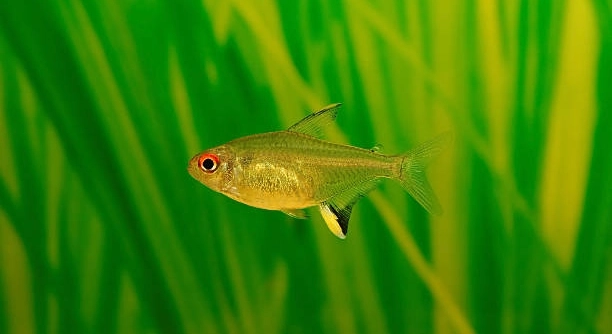
Keeping lemon tetras can seem simple at first, but many common beliefs about their care are misleading. Understanding the right conditions helps ensure these small, bright fish thrive in your aquarium. Proper knowledge improves both health and behavior.
Many myths about lemon tetra care exist, including misconceptions about water temperature, tank size, diet, and social behavior. Addressing these misunderstandings ensures accurate husbandry practices, promoting optimal growth, longevity, and the overall well-being of these freshwater fish.
Learning the truth behind these myths can transform your aquarium experience. Following correct practices keeps your lemon tetras healthy, active, and colorful for years to come.
Myth 1: Lemon Tetras Can Live in Any Tank Size
Many people believe lemon tetras are small fish that can thrive in any tank. In reality, they need a properly sized aquarium to stay healthy. A minimum of 20 gallons is recommended for a small school of lemon tetras. Crowded conditions cause stress, leading to disease and poor coloration. They are schooling fish, so keeping at least six together is important for their social structure. In smaller tanks, water quality deteriorates quickly, requiring more frequent maintenance. A well-planted tank with hiding spots and gentle filtration mimics their natural habitat. Lighting should be moderate, and plants like java moss or floating greenery provide cover. Regular water changes of 20-25% weekly help maintain stable conditions. Without proper space and environment, lemon tetras may display lethargy or aggression. Paying attention to tank size and setup ensures healthier, more active, and vibrant fish over time.
Providing a minimum of 20 gallons allows proper swimming space and reduces stress, helping the school thrive naturally.
Proper tank size is essential for lemon tetras. In a spacious, well-maintained aquarium, they form natural schools, display bright colors, and interact socially. A larger tank improves water stability, reduces disease risks, and allows more natural behavior. Decorations, plants, and hiding spots encourage exploration and security. Gentle filtration prevents strong currents, supporting delicate fish. Overstocking leads to stress, dull colors, and lower immunity. With proper space, water quality, and environmental enrichment, lemon tetras can live longer and healthier lives. Consistent maintenance, including monitoring water parameters and regular partial water changes, ensures stable conditions. Correct tank size is foundational to overall care, making it the most crucial factor in keeping lemon tetras happy and vibrant.
Myth 2: Lemon Tetras Don’t Need Special Diets
Some assume lemon tetras thrive on standard flake food, but a varied diet is key to their health. A mix of high-quality flake, micro pellets, and occasional frozen or live foods like brine shrimp or daphnia provides proper nutrition. Relying only on flakes can lead to deficiencies and dull coloration. Feeding small amounts multiple times a day prevents overfeeding and keeps water clean. Variety supports immune health, growth, and natural behaviors. Occasionally adding vegetable matter, like finely chopped spinach or peas, helps maintain digestive health. Rotating foods also prevents boredom, keeping tetras more active. Observing feeding habits ensures all fish receive enough food. Over time, a balanced diet reflects in brighter colors, stronger health, and more energy. Proper nutrition is just as important as tank conditions for long-term care.
A varied diet supports bright colors, active behavior, and overall health, preventing deficiencies from a single food type.
Lemon tetras need more than flakes to stay healthy. Incorporating frozen or live foods enhances protein intake, while occasional vegetable matter supports digestion. Feeding several small portions each day mimics natural patterns. Rotating foods prevents boredom and ensures nutritional balance. Observing how each fish feeds helps avoid underfeeding or overfeeding. Nutrition impacts coloration, energy, and immunity directly. Even minor deficiencies show quickly in behavior and appearance. Long-term health depends on consistent, varied feeding. Proper dietary care complements tank maintenance, promoting longevity and vitality. Providing this balance creates lively, well-colored fish that thrive in community tanks.
Myth 3: Lemon Tetras Can Live Alone
Lemon tetras are schooling fish and need company. Keeping a single fish causes stress, loneliness, and poor health. A group of at least six helps them feel secure, encourages natural behavior, and reduces aggression. Social interaction is critical for their well-being.
Without a school, lemon tetras may become timid, hide constantly, or lose color. In a proper group, they establish social hierarchies and swim more actively. Observing their interactions allows you to notice illness or stress quickly. Schooling provides a sense of security, reducing fear of sudden movements or changes in the tank. A small group is enough to see their natural schooling behavior, but more fish enhance visual appeal and social stability. Group dynamics improve feeding efficiency and encourage playful swimming, which are signs of healthy fish. Keeping lemon tetras in isolation often leads to a shorter lifespan and weaker immune systems, highlighting the importance of companionship.
A proper school also helps maintain water stability because activity is distributed across several fish, preventing stress from sudden movements. Larger schools stimulate natural swimming patterns and reduce dominant behavior. Providing a balanced social environment supports health, bright coloration, and active interaction. Proper schooling allows tetras to display their natural, lively behavior and maintain overall vitality. Observing the group gives insight into water quality, feeding balance, and environmental satisfaction. Schools of six or more fish thrive best, but space must accommodate them. Providing social interaction is as critical as diet or tank conditions.
Myth 4: Lemon Tetras Can Handle Any Water Conditions
Lemon tetras are sensitive to water quality and changes. Stable parameters in pH, temperature, and hardness are necessary. Sudden fluctuations cause stress, illness, and weaker immunity, reducing lifespan. Regular monitoring is essential for long-term care.
Maintaining a temperature of 72–78°F and a slightly acidic to neutral pH ensures their health. Hard or highly alkaline water can affect coloration and breeding behavior. Soft, well-filtered water mimics natural habitats, reducing stress and promoting activity. Regular partial water changes prevent toxin buildup, keeping ammonia and nitrite levels low. Using a reliable heater and thermometer helps maintain stable temperatures. Sudden chemical changes or untested tap water can shock them, causing hiding, lethargy, or disease. Stability in water parameters allows for natural swimming patterns, feeding, and breeding behaviors. Observation is critical, as tetras quickly show signs of water stress, making prevention more effective than treatment.
Proper water conditions involve more than basic filtration. Testing for pH, hardness, ammonia, nitrites, and nitrates ensures the tank is safe. Conditioning tap water prevents harmful chemicals from reaching the fish. A consistent routine for monitoring and partial water changes supports both adult and young fish. Plants and gentle filtration help stabilize water chemistry. Sudden introduction of new fish should be quarantined to avoid disrupting balance. Maintaining steady parameters reduces stress, improves immunity, and enhances coloration. Attention to details like temperature stability, water hardness, and chemical safety ensures lemon tetras remain healthy, active, and visually vibrant for years in a controlled environment.
Myth 5: Lemon Tetras Are Low-Maintenance
Even though lemon tetras are small, they still require regular care. Cleaning the tank, monitoring water parameters, and providing a balanced diet are necessary. Neglecting these tasks can quickly lead to stress, disease, and dull coloration. Consistency is key for their health.
Proper filtration and partial water changes at least weekly keep ammonia and nitrite levels low. Observing fish behavior and appearance daily helps detect early signs of illness. Feeding small portions multiple times prevents overfeeding and keeps water clean. Decorations and plants need occasional trimming to maintain a safe environment. Even routine tasks like checking heaters and filters contribute to long-term stability. Caring for lemon tetras involves attention, but the reward is active, vibrant fish that display natural behavior and bright colors consistently.
Myth 6: Lemon Tetras Can Live with Any Fish
Lemon tetras are peaceful but may become stressed with aggressive or much larger tankmates. Proper community selection is essential to prevent bullying, hiding, or reduced feeding. Compatible species encourage social swimming without conflict.
Schooling behavior can be disrupted by aggressive tankmates. Small, calm species like rasboras or other tetras are ideal companions. Avoid fin-nippers or predatory fish that may see them as food. Observing interactions after introducing new fish prevents long-term stress. Peaceful cohabitants support activity, color, and social structure within the tank.
Myth 7: Lemon Tetras Don’t Need Hiding Spots
Providing plants, rocks, and other cover is essential. Hiding spots reduce stress and allow fish to retreat during molting, illness, or aggression. A well-decorated tank mimics natural habitats and encourages active swimming.
Lemon tetras feel more secure with dense plants or shaded areas. Open swimming space should be balanced with covered areas for comfort. Decorations like driftwood or floating plants help create natural boundaries. Hiding spots also aid in breeding, offering safe areas for eggs or fry. Without cover, fish may remain stressed, hide constantly, or display dull colors. Adequate decorations improve overall well-being, activity levels, and social interactions within the group.
FAQ
How many lemon tetras should I keep together?
Lemon tetras are schooling fish and require a minimum of six to feel secure. Smaller numbers lead to stress, hiding, and weak immune systems. A larger group encourages natural behavior, social interaction, and active swimming. Keeping them in an appropriate group ensures healthier, more vibrant fish.
What is the ideal tank size for lemon tetras?
A tank of at least 20 gallons is recommended for a small school. Adequate space prevents overcrowding, reduces stress, and allows proper swimming patterns. Larger tanks also help maintain stable water conditions, making it easier to manage temperature, pH, and waste levels.
What water conditions do lemon tetras prefer?
They thrive in slightly acidic to neutral pH between 6.5 and 7.0. Temperature should be maintained between 72–78°F. Hard water can be tolerated but soft, well-filtered water is best. Sudden changes in temperature or chemistry stress the fish, so consistent monitoring is essential.
What should I feed my lemon tetras?
A varied diet is essential. High-quality flake food can be supplemented with micro pellets, frozen foods like brine shrimp, or live foods such as daphnia. Occasional vegetable matter like finely chopped spinach or peas supports digestion. Multiple small feedings each day prevent overfeeding and keep water quality high.
Can lemon tetras live with other fish?
Yes, but they are peaceful fish and do best with other calm, small species. Avoid aggressive or much larger tankmates that may stress or harm them. Compatible companions include small tetras, rasboras, and peaceful bottom dwellers. Observing interactions after introducing new fish is crucial to avoid conflict.
Do lemon tetras need hiding spots?
Yes. Plants, rocks, and driftwood provide security and reduce stress. Dense vegetation or shaded areas give fish a place to retreat during illness, aggression, or natural molting. Hiding spots also support breeding, offering safe spaces for eggs or fry. A balance of open swimming space and cover is ideal.
How often should I perform water changes?
Weekly partial water changes of 20–25% help maintain stable water quality. This removes accumulated waste, controls nitrate levels, and keeps ammonia and nitrites low. Regular water changes also reduce stress and support vibrant coloration and healthy behavior in lemon tetras.
Why do my lemon tetras lose color?
Loss of color is usually caused by stress, poor water quality, inadequate diet, or isolation. Ensuring proper tank size, social groups, hiding spots, and a varied diet restores natural brightness. Stress reduction and stable water conditions are the most effective ways to maintain coloration.
How do I know if my lemon tetras are healthy?
Healthy lemon tetras are active, swim in groups, and display bright colors. They feed consistently, show curiosity, and interact socially. Signs of illness include lethargy, clamped fins, faded color, or erratic swimming. Monitoring daily behavior helps detect issues early, preventing long-term health problems.
Can lemon tetras breed in a home aquarium?
Yes, but breeding requires specific conditions. They need slightly acidic, soft water and a well-planted tank with fine-leaved plants or spawning mops. Parents may eat eggs, so separating eggs or using a breeding tank is recommended. Regular feeding with high-protein foods encourages reproductive behavior.
Is it okay to keep lemon tetras in a small tank temporarily?
Short-term housing in smaller tanks is possible for quarantine or treatment, but long-term health requires at least 20 gallons for a proper school. Crowding in small tanks increases stress, disease risk, and reduces activity and coloration, so it should only be temporary.
What maintenance is essential for lemon tetras?
Regular tasks include water testing, partial water changes, filter cleaning, and observing fish behavior. Removing uneaten food and trimming plants prevents decay. Keeping equipment functioning and maintaining stable water conditions ensures long-term health, social behavior, and vibrant colors for lemon tetras.
How long do lemon tetras live?
With proper care, lemon tetras can live 5–7 years in a well-maintained aquarium. Longevity depends on stable water conditions, proper diet, social interaction, and overall maintenance. Attention to tank setup, group size, and nutrition directly impacts their lifespan and quality of life.
Can lemon tetras tolerate sudden changes?
No. Sudden changes in temperature, pH, or water chemistry cause stress and increase susceptibility to disease. Gradual adjustments during water changes or tank rearrangement prevent shock. Monitoring behavior during changes ensures the fish remain healthy and active.
Why do lemon tetras hide often?
Hiding can indicate stress, poor water quality, aggressive tankmates, or illness. Providing sufficient cover, maintaining stable water conditions, and keeping proper group sizes reduces hiding behavior. Occasional hiding is natural, but frequent or prolonged hiding signals a problem requiring attention.
Do lemon tetras require special lighting?
Moderate lighting is sufficient. Too bright lighting can stress the fish, while too dim can reduce activity and visibility of colors. Floating plants or shaded areas help create natural light variations, allowing the fish to adjust and feel secure.
Can lemon tetras eat only flake food?
No. Flakes alone lack variety and essential nutrients. A mix of flakes, pellets, and live or frozen foods ensures proper growth, coloration, and immune health. Including occasional vegetables supports digestion. Feeding multiple small portions daily helps maintain water quality and prevents nutrient deficiencies.
How do I introduce new lemon tetras?
Quarantine new fish for 2–3 weeks before adding them to the main tank. Slowly acclimate them to temperature and water parameters. Monitor interactions with the established group to prevent bullying and stress. Proper introduction helps maintain social structure and overall health.
What signs show lemon tetras are stressed?
Stress is visible through clamped fins, faded color, hiding, lethargy, erratic swimming, or reduced feeding. Causes include poor water quality, improper group size, aggressive tankmates, or lack of hiding spots. Identifying and correcting stressors improves behavior, color, and long-term health.
Are lemon tetras compatible with shrimp or snails?
Yes, generally. Peaceful tankmates like snails or small shrimp do not compete aggressively for food or space. Avoid species that may harass or eat them. Observing interactions ensures both species coexist safely. Hiding spots benefit shrimp and tetras alike.
How often should I feed lemon tetras?
Feed small portions 2–3 times daily. Overfeeding pollutes water and causes health issues. Observing how much they consume in a few minutes prevents waste. Rotating food types ensures nutritional balance, supports growth, and maintains bright colors.
Can lemon tetras tolerate community tanks?
Yes, with proper planning. Choose peaceful, similarly sized species. Ensure adequate space, hiding spots, and compatible water conditions. Observing interactions prevents stress and aggression. Proper planning ensures a balanced community tank where lemon tetras thrive alongside other calm fish.
Do lemon tetras need a heater year-round?
In most home aquariums, a heater is necessary to maintain stable temperatures between 72–78°F. Sudden temperature drops or fluctuations can stress them. A reliable heater and thermometer ensure consistent conditions and prevent illness.
How do I prevent disease in lemon tetras?
Maintain clean water, stable conditions, a varied diet, and proper group sizes. Quarantine new fish and observe behavior daily. Avoid overcrowding and sudden changes in water parameters. Prevention through careful maintenance is more effective than treatment after illness occurs.
Can lemon tetras coexist with bettas?
It depends on the betta’s temperament. Some bettas may harass or nip tetras. Observing behavior closely is necessary, and providing plenty of hiding spots helps reduce conflict. Peaceful, calm bettas are more compatible than aggressive ones.
Why are my lemon tetras not schooling?
Insufficient group size, stress, illness, or aggressive tankmates can prevent schooling. A proper group of six or more, stable water conditions, and a safe environment encourage natural social behavior and active swimming.
Do lemon tetras need live plants?
Live plants are beneficial but not required. They improve water quality, provide hiding spots, and support natural behavior. Artificial plants can substitute if they are safe and allow swimming space. A balance of cover and open areas is essential.
How can I tell the difference between male and female lemon tetras?
Males are slightly slimmer with brighter yellow coloration. Females are rounder, especially when carrying eggs, and may have a subtler hue. Observing shape and color during feeding or swimming can help identify sexes for breeding purposes.
Are lemon tetras suitable for beginners?
Yes, with proper care and attention. They require stable water, a minimum tank size, companionship, and a varied diet. Following basic husbandry practices ensures they remain healthy and vibrant, making them manageable for those willing to maintain proper conditions.
What decorations are best for lemon tetras?
Smooth rocks, driftwood, and dense plants create hiding spots while allowing open swimming space. Floating plants provide shaded areas, and low-maintenance decorations prevent injury. Balance is important to mimic natural habitats while maintaining ease of maintenance.
Can lemon tetras survive without a filter?
Filters are strongly recommended. They maintain water quality and reduce waste buildup. Without filtration, frequent water changes are required, and stable conditions are harder to maintain, increasing stress and disease risk.
Do lemon tetras need a special substrate?
No special substrate is required, but fine gravel or sand is preferred. Darker substrates highlight colors and reduce stress. Avoid sharp or rough substrates that can harm delicate fins. Plants and hiding spots work best with stable substrates.
What is the best way to acclimate lemon tetras?
Float the sealed bag in the tank for 15–20 minutes to match temperature. Gradually add small amounts of tank water every 10 minutes for 30–45 minutes. This prevents shock from water chemistry differences and reduces stress.
Can lemon tetras jump out of the tank?
Yes, they are small, active swimmers. A secure lid or cover is necessary to prevent accidental jumping. Open-top tanks increase the risk of escape and injury. Providing calm swimming areas reduces sudden jumps.
How fast do lemon tetras grow?
They reach adult size, about 1.5 inches, in 6–12 months under optimal conditions. Growth depends on diet, water quality, social environment, and tank size. Proper care supports steady development and bright coloration.
Are lemon tetras sensitive to lighting changes?
Moderate, consistent lighting is best. Sudden bright light or prolonged darkness can stress them. Floating plants or shaded areas allow natural adjustment. Proper lighting supports color display, behavior, and plant growth if live plants are present.
Can I keep lemon tetras in a nano tank?
A nano tank is not ideal. Small tanks cannot provide sufficient swimming space, stable water parameters, or proper social groups. If used, it should be temporary and closely monitored. Long-term health requires at least 20 gallons for a small school.
Do lemon tetras require water softeners?
Soft water is preferred but not mandatory. Slightly hard water is tolerated. Conditioning tap water and monitoring pH and hardness ensures stable conditions. Avoid extreme changes that may stress the fish.
What is the best temperature for breeding lemon tetras?
A slightly warmer temperature around 75–78°F encourages spawning. Stable, soft, slightly acidic water and a well-planted tank support egg laying and fry survival. Sudden temperature shifts reduce breeding success.
How often should I clean the tank?
Weekly maintenance, including partial water changes, substrate vacuuming, and filter inspection, ensures stable water quality. Regular cleaning prevents waste buildup, reduces stress, and supports healthy fish growth and coloration.
Do lemon tetras need a quarantine tank?
Yes, quarantine helps prevent disease introduction. Isolate new fish for 2–3 weeks and monitor health before adding them to the main tank. This protects both new and established fish from illness.
Can lemon tetras tolerate tap water?
Yes, if properly conditioned. Remove chlorine and chloramines using a water conditioner. Monitor pH, hardness, and temperature to ensure safe conditions. Untreated tap water can be harmful or fatal.
Do lemon tetras need air stones?
Air stones are optional. Gentle filtration usually provides enough oxygen. They can enhance water circulation and aesthetic appeal but are not essential for survival if water movement is adequate.
How can I prevent aggression in lemon tetras?
Aggression is usually caused by stress, overcrowding, or incompatible tankmates. Maintain proper group size, provide hiding spots, and avoid aggressive fish. Stable water and regular maintenance reduce conflict and support peaceful behavior.
Do lemon tetras need live food daily?
Not daily, but occasional live or frozen foods provide protein and stimulate natural feeding behavior. Rotating diet with flakes or pellets ensures balanced nutrition. Overfeeding live foods is unnecessary and can pollute the water.
Can lemon tetras adapt to new tanks quickly?
They can adapt gradually if acclimated properly. Slow introduction, stable water parameters, and proper group size help reduce stress and allow natural behavior. Sudden changes may lead to hiding or illness.
Is it normal for lemon tetras to nibble plants?
Occasional nibbling is natural, especially on soft leaves. They are primarily omnivorous, but constant damage is rare. Providing a balanced diet reduces plant nibbling and supports proper nutrition.
Can lemon tetras live with goldfish?
No. Goldfish are larger, produce more waste, and can stress small tetras. Different temperature and water requirements make cohabitation unsuitable. Lemon tetras thrive better with other small, peaceful species.
Do lemon tetras need a lid with light reflection?
No reflection is necessary. A secure lid prevents jumping and evaporation. Lighting should be moderate, with floating plants or shaded areas to provide natural variation and reduce stress.
How long should lights be on each day?
About 8–10 hours of moderate lighting supports activity, coloration, and plant growth. Avoid continuous or overly bright light, which can stress fish and encourage algae growth.
Can lemon tetras survive sudden water parameter changes?
No. Sudden shifts in temperature, pH, or hardness stress the fish and increase disease risk. Gradual acclimation and monitoring prevent shock and support long-term health.
Why do lemon tetras sometimes swim erratically?
Erratic swimming often signals stress, poor water quality, or illness. It may also occur when startled by sudden movements or tank changes. Observing water parameters and behavior helps identify causes and prevent health issues.
Are lemon tetras compatible with corydoras?
Yes, corydoras are peaceful bottom dwellers that coexist well with tetras. They occupy different areas of the tank, reducing competition and stress while enhancing a balanced community environment.
How often should I test water parameters?
Weekly testing of pH, hardness, ammonia, nitrites, and nitrates ensures stability. More frequent checks may be necessary after changes or introducing new fish. Monitoring supports long-term health and prevents disease outbreaks.
Can lemon tetras survive without a school?
No. Isolation causes stress, hiding, poor feeding, and weakened immunity. A school of six or more is necessary for social interaction and natural behavior, ensuring long-term health and vibrant coloration.
Do lemon tetras need extra vitamins or supplements?
Not usually. A varied diet of flakes, pellets, live, or frozen foods provides sufficient nutrients. Supplements may be used occasionally if deficiencies are suspected but are rarely required.
How do I prevent jumping in lemon tetras?
Provide a secure lid, calm water currents, and floating plants to reduce sudden movement. Avoid startling the fish with abrupt changes in lighting or tank activity.
Are lemon tetras sensitive to chlorine?
Yes. Chlorine and chloramines in tap water are harmful. Always treat water with a conditioner before adding it to the tank to prevent gill and skin damage.
Can lemon tetras tolerate brackish water?
No. They are freshwater fish and do not tolerate salinity. Even small amounts of salt can stress them, affecting health, coloration, and lifespan.
Do lemon tetras need supplemental CO2 if I have live plants?
No, supplemental CO2 is optional. Low-light or undemanding plants thrive without CO2. It may boost plant growth but is not required for fish health.
How can I tell if my lemon tetras are happy?
Active swimming, bright colors, schooling behavior, and consistent feeding indicate happiness. Healthy fish interact socially and explore their environment without constant hiding or stress signs.
What temperature changes are safe for lemon tetras?
Avoid changes greater than 2–3°F at a time. Gradual adjustment allows adaptation. Sudden shifts increase stress, illness, and mortality risk. Stable temperature is critical for health and activity.
Do lemon tetras need water circulation?
Yes, gentle circulation ensures oxygen distribution and prevents stagnant areas. Strong currents should be avoided, as they stress delicate fish. Proper circulation supports healthy swimming patterns and waste management.
Can lemon tetras live in unheated tanks?
In cooler climates, unheated tanks often drop below their ideal 72–78°F range. This can slow metabolism, reduce immunity, and shorten lifespan. A heater ensures stable, optimal temperatures year-round.
Do lemon tetras prefer planted or bare tanks?
Planted tanks are preferred. They provide hiding spots, reduce stress, and mimic natural habitats. Bare tanks may allow swimming space but increase anxiety and limit natural behavior expression.
How can I prevent fin damage in lemon tetras?
Avoid sharp decorations, aggressive tankmates, and overcrowding. Maintain good water quality, provide hiding spots, and handle fish minimally. Healthy fins indicate overall well-being and low stress.
What is the best water hardness for lemon tetras?
Soft to moderately hard water is ideal. Hard water is tolerated but may reduce coloration or affect breeding. Stable parameters are more important than exact hardness values.
Do lemon tetras need aeration?
Not always. A properly filtered tank usually provides sufficient oxygen. Aeration can improve circulation and surface oxygen but is optional if water movement is adequate.
Can lemon tetras live with African dwarf frogs?
Yes, if the frogs are peaceful and the tank is spacious. Both species occupy different levels, minimizing conflict. Ensure adequate hiding spots and monitor feeding.
Do lemon tetras need seasonal water changes?
Water changes should be consistent year-round. Seasonal timing does not matter as much as maintaining stable water quality, temperature, and chemistry for ongoing health.
How fast do lemon tetras reproduce?
Under optimal conditions, spawning can occur every few weeks. High-quality diet, stable water, and proper planting encourage breeding. Eggs are often eaten without protection.
Are lemon tetras prone to specific diseases?
They are sensitive to poor water quality, ammonia spikes, and sudden changes. Common issues include ich, fin rot, and fungal infections
Final Thoughts
Lemon tetras are small, bright freshwater fish that bring life and color to a well-maintained aquarium. Despite their size and peaceful nature, they are not as low-maintenance as some may believe. Proper care involves attention to tank size, water conditions, social interaction, and diet. A minimum of 20 gallons is recommended for a small school, allowing space for natural swimming patterns and reducing stress caused by overcrowding. These fish thrive best in groups of six or more, as schooling behavior is essential for their well-being. Keeping them alone or in insufficient numbers can lead to stress, hiding, weakened immunity, and dull coloration. Understanding these basic requirements helps ensure lemon tetras remain active, healthy, and visually appealing over time. Consistency in care and monitoring daily behavior are critical elements of responsible fishkeeping.
Water quality is one of the most important aspects of lemon tetra care. They are sensitive to pH, temperature, and hardness, and sudden changes can cause stress or illness. Maintaining stable conditions requires regular testing and partial water changes. A temperature range of 72–78°F and a slightly acidic to neutral pH are ideal. Filters help maintain water cleanliness, while plants, decorations, and hiding spots mimic natural habitats and reduce stress. Providing adequate cover also supports breeding behavior and gives fish areas to retreat if they feel threatened. Feeding a varied diet of high-quality flakes, pellets, frozen, and live foods ensures proper nutrition and prevents deficiencies. Including occasional vegetable matter supports digestion. Overfeeding should be avoided, as excess food can pollute the water and lead to health problems.
Long-term health and happiness of lemon tetras depend on a combination of social, environmental, and nutritional factors. They thrive when housed in compatible community tanks with calm, similarly sized fish. Aggressive or predatory species should be avoided, as they can disrupt schooling behavior and cause stress. Observing daily interactions, feeding behavior, and coloration helps identify potential problems early. With proper care, lemon tetras can live five to seven years, displaying active swimming, bright colors, and natural social behaviors. Attention to detail in tank setup, maintenance, and diet not only ensures their survival but also allows owners to enjoy the full vibrancy and energy of these lively freshwater fish. Providing a stable, well-maintained environment is key to supporting both the physical health and natural behavior of lemon tetras.

Hello,
If you enjoy the content that we create, please consider saying a "Thank You!" by leaving a tip.
Every little bit helps us continue crafting quality advice that supports the health, happiness, and well-being of pets around the world, for pets of all shapes, sizes, and species.
We really appreciate the kindness and support that you show us!