
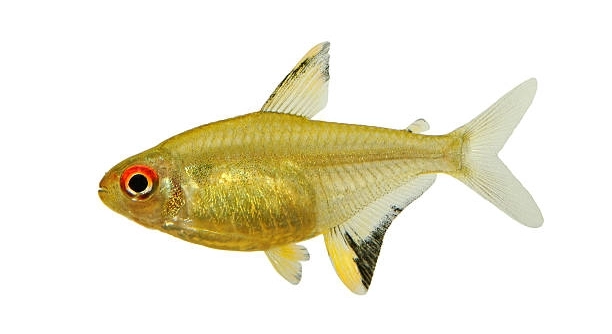
Lemon tetras are small, vibrant fish that add color to any freshwater aquarium. Many hobbyists enjoy their playful nature and bright yellow hue, but there are several misconceptions that can affect how they are cared for and understood.
Despite their popularity, lemon tetras are often misunderstood in terms of behavior, tank requirements, and diet. Clarifying these misconceptions helps ensure their health, promotes proper aquarium management, and supports a thriving aquatic environment for the species.
Knowing the truth about these misconceptions will help you create a happier, healthier space for your lemon tetras. Proper care begins with understanding their real needs.
Lemon Tetras Are Easy to Keep
Many people assume lemon tetras are extremely low-maintenance, but they do require attention to water quality, temperature, and diet. They thrive in a stable environment with consistent water parameters, regular feeding, and occasional tank cleaning. Ignoring these basics can lead to stress, illness, or even death. While they are small and hardy, they are sensitive to sudden changes in their environment. Keeping them with compatible tank mates and providing hiding spaces also supports their well-being. Observing their behavior daily can help detect early signs of illness or discomfort, allowing timely intervention. These fish also benefit from a varied diet including flakes, frozen, and live foods. Proper care ensures they display vibrant colors and active behavior, making the aquarium more enjoyable to watch. Taking the time to meet these needs creates a healthier, more balanced tank overall, rather than assuming they require minimal effort.
Even hardy fish need consistent care and monitoring to stay healthy and vibrant in your aquarium environment.
Treating lemon tetras as fully dependent on their environment rather than simply “easy” ensures long-term success. Water quality, including regular checks for pH, ammonia, nitrite, and nitrate levels, is critical. Providing plants, gentle filtration, and appropriate tank mates reduces stress. Diet variety and careful portioning prevent nutritional deficiencies and obesity. Observing swimming patterns, color intensity, and social interaction helps detect issues early. Ignoring these factors can compromise their health, even if they appear resilient. Small changes, like a new tank mate or water adjustment, should be done gradually to minimize stress. By approaching care with attention to detail, lemon tetras remain active, colorful, and healthy for years.
Lemon Tetras Are Always Peaceful
It is often assumed lemon tetras are completely peaceful, but their behavior can change depending on tank conditions and companions.
Stress, overcrowding, or incompatible tank mates can cause aggression. Lemon tetras may nip fins or compete for food when stressed or poorly housed. They thrive in groups of at least six, which helps maintain social stability. Providing space and hiding spots reduces tension and minimizes aggressive interactions.
Aggression usually stems from environmental stress rather than the species itself. When housed in appropriate groups and given sufficient swimming space, lemon tetras maintain calm interactions. Aggressive tendencies often appear if the tank is too small or lacks structure, leading to competition for territory. Even their diet can influence behavior; insufficient nutrition may trigger competition. Choosing compatible fish, maintaining water quality, and observing social dynamics prevents conflict. Understanding their social needs allows you to foster a peaceful community, supporting natural behavior while reducing stress and maintaining vibrant, healthy fish.
Lemon Tetras Can Eat Only Flakes
Many assume lemon tetras thrive on flakes alone, but they need a varied diet. Flakes provide some nutrients, yet frozen or live foods are essential for optimal health and color.
A diet limited to flakes can cause deficiencies over time. Including foods like brine shrimp, daphnia, or bloodworms ensures proper protein intake and supports growth. Occasional vegetable matter like blanched spinach or spirulina flakes adds fiber and variety. Rotating foods also keeps them interested in eating, reducing stress and promoting natural foraging behaviors. Overfeeding any single type of food can lead to water quality issues, so portion control is important. A balanced feeding plan helps lemon tetras maintain energy, vibrant coloration, and overall vitality.
Lemon tetras show better health when fed a mix of protein-rich and plant-based foods. Providing variety mimics natural feeding habits and prevents boredom. Observing which foods they prefer allows you to adjust portions, ensuring everyone in the tank gets enough.
Lemon Tetras Don’t Need Plants
Some think lemon tetras can live happily in bare tanks, but plants offer shelter and reduce stress.
Live or artificial plants give hiding spots, help maintain water quality, and create a more natural environment.
Plants also encourage natural behaviors like exploring and schooling, which keep fish active and healthy. Floating plants can soften light and create shaded areas, reducing stress for sensitive fish. Rooted plants or moss provide surfaces for beneficial bacteria, which improves water quality and reduces toxins. Even hardy tetras appreciate cover when they feel threatened or during rest periods. Adding plants also makes the tank visually appealing while supporting the ecosystem. In combination with appropriate tank mates and proper feeding, a planted tank promotes a balanced environment, enhancing both fish behavior and overall well-being.
Lemon Tetras Can Live Alone
Some assume lemon tetras are fine on their own, but they are schooling fish. A single fish can become stressed, shy, or depressed without companions.
Keeping at least six lemon tetras together ensures they feel secure. Social interaction is essential for natural behavior and active swimming patterns.
Lemon Tetras Are Always Bright Yellow
Color can vary depending on age, health, and environment. Stress, poor diet, or water quality issues can dull their natural hue. Providing proper care, a balanced diet, and stable water conditions helps maintain their vibrant yellow appearance.
Lemon Tetras Don’t Need Space
Even small fish require room to swim. Overcrowding causes stress, aggression, and stunted growth.
Lemon Tetras Can Live in Any Water
Water parameters affect their health. Temperature, pH, and hardness should match their natural preferences for a thriving, active, and colorful fish.
FAQ
How many lemon tetras should I keep together?
Lemon tetras are schooling fish and feel safest in groups. A minimum of six is recommended, but larger groups of eight to twelve help reduce stress and encourage natural swimming behavior. Smaller groups may lead to shyness and less interaction, which can affect overall health.
What temperature is best for lemon tetras?
They thrive in water between 72°F and 78°F. Sudden temperature changes can cause stress or illness. Using a reliable heater and thermometer helps maintain a stable environment, which is critical for their immune system and activity levels.
Can lemon tetras live with other fish?
Yes, they are generally peaceful, but compatibility depends on tank size and temperament. Avoid aggressive or fin-nipping species. Small, calm community fish such as rasboras, guppies, and other tetras usually work well. Proper space and hiding spots further reduce conflict.
What should I feed lemon tetras?
A varied diet works best. Flakes provide basic nutrition, but adding frozen or live foods like brine shrimp, daphnia, or bloodworms improves protein intake. Occasionally offering plant matter like blanched spinach or spirulina flakes ensures a balanced diet and keeps them active and healthy.
How often should I clean their tank?
Regular maintenance is important. Partial water changes of 20–25% every week help maintain water quality. Cleaning substrate and checking filters prevent waste buildup, which reduces stress and prevents common diseases. Over-cleaning can remove beneficial bacteria, so balance is key.
Do lemon tetras need live plants?
Plants are not strictly required, but they improve well-being. Hiding spots reduce stress, floating plants soften light, and rooted plants support beneficial bacteria. Artificial plants can also work, but live plants provide a more natural and stimulating environment, encouraging natural behavior.
Why are my lemon tetras’ colors fading?
Color fading can result from poor diet, stress, or unsuitable water conditions. Ensure stable temperature, proper pH, and a nutrient-rich diet. Observing behavior can help identify stressors. Healthy, vibrant fish usually indicate that water quality, social grouping, and diet are all adequate.
Can lemon tetras live in a small tank?
They need space to swim. Overcrowding leads to stress, aggression, and stunted growth. A tank of at least 20 gallons is recommended for a small group, allowing swimming room, hiding spots, and stable water conditions to support a healthy environment.
Are lemon tetras prone to disease?
They are hardy, but stress, poor water quality, or improper diet can make them susceptible. Common issues include ich or fin rot. Quarantine new fish, maintain water quality, and provide a balanced diet to minimize risk. Early detection and treatment are essential.
Can lemon tetras live in any type of water?
They need soft to moderately hard water with a slightly acidic to neutral pH. Extreme deviations can cause stress, illness, and reduced lifespan. Regular water testing and gradual adjustments are necessary to maintain optimal conditions and support their health and activity levels.
How long do lemon tetras live?
With proper care, they typically live three to five years. Stable water conditions, a balanced diet, and social interaction all contribute to a longer, healthier life. Monitoring their behavior and environment ensures they remain active and vibrant throughout their lifespan.
Is it okay to mix lemon tetras with other tetras?
Yes, they generally get along with similar-sized, peaceful tetras. Mixing too many different species can create stress or competition. Keeping compatible species with similar water needs promotes a harmonious tank and prevents aggressive behavior while maintaining natural schooling dynamics.
Lemon tetras are small, lively fish that bring color and movement to a community aquarium. While they are often seen as easy to care for, understanding their specific needs is essential for keeping them healthy and happy. These fish thrive in groups, requiring a minimum of six to feel secure and display natural schooling behavior. Social interaction is critical, as isolation can lead to stress, shyness, and reduced activity. Providing enough swimming space is equally important, since overcrowding can result in aggression, stunted growth, or general discomfort. Observing their behavior daily helps detect early signs of stress or illness, allowing for timely adjustments in tank conditions or care practices.
Proper water quality is one of the most important factors in maintaining healthy lemon tetras. They prefer soft to moderately hard water with a slightly acidic to neutral pH, and consistent temperature between 72°F and 78°F. Sudden changes in water parameters can cause stress and increase susceptibility to disease. Regular partial water changes, filter maintenance, and monitoring of ammonia, nitrite, nitrate, and pH levels are crucial. Plants, whether live or artificial, provide hiding spots, reduce stress, and create a more natural environment. Floating plants or shaded areas help them feel secure, while rooted plants contribute to the overall balance of the aquarium. Paying attention to these details ensures that lemon tetras maintain vibrant colors and active, natural behavior.
Diet and nutrition also play a significant role in their well-being. While flakes can provide basic nutrients, a varied diet including frozen or live foods such as brine shrimp, daphnia, or bloodworms is necessary for optimal health. Occasionally offering plant matter like blanched spinach or spirulina flakes adds fiber and variety, supporting digestion and overall vitality. Overfeeding should be avoided to maintain water quality, and portions should be adjusted to match the size of the group. Observing preferences and feeding behavior helps ensure that all fish receive adequate nutrition. By maintaining proper social groups, stable water conditions, a balanced diet, and an enriched environment, lemon tetras can thrive for several years. Understanding and addressing their real needs allows these small, vibrant fish to live active, healthy lives while adding beauty and movement to any freshwater aquarium.

Hello,
If you enjoy the content that we create, please consider saying a "Thank You!" by leaving a tip.
Every little bit helps us continue crafting quality advice that supports the health, happiness, and well-being of pets around the world, for pets of all shapes, sizes, and species.
We really appreciate the kindness and support that you show us!