
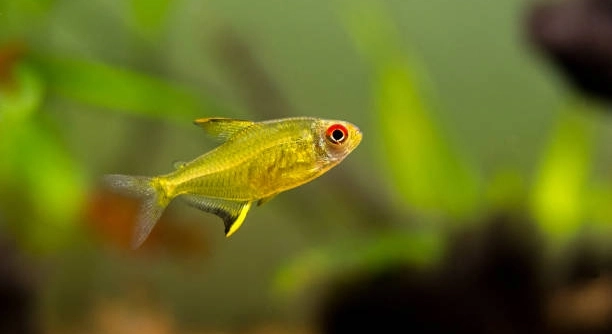
Are your lemon tetras swimming around the tank but avoiding the bubbler? Many fish owners notice this behavior, leaving them puzzled about why their bright, active fish seem to steer clear of certain areas of the aquarium.
Lemon tetras often avoid the bubbler due to strong water currents, excessive noise, or stress from nearby tank decorations. Adjusting flow rate, placement, and tank environment can encourage fish to swim comfortably near aerated areas.
Understanding these small adjustments can make a big difference for your tetras. Their comfort and tank behavior can improve with simple changes.
Understanding Lemon Tetra Behavior
Lemon tetras are small, active fish that thrive in calm waters. Observing their behavior closely reveals patterns that indicate comfort or stress. One common observation is their avoidance of bubblers, which can seem puzzling. Water movement plays a significant role in their swimming preferences. Strong currents from bubblers may create a sense of insecurity, causing them to swim in calmer areas of the tank. Lighting and tank decorations also affect where they feel safe. Bright lights reflecting off bubbles can startle timid tetras, while dense plants or hiding spots offer comfort and reduce anxiety. Overcrowding further increases stress levels, making tetras less likely to explore aerated areas. Adjusting the placement of the bubbler, reducing flow, and providing plants or smooth hiding spaces can gradually help them acclimate. Observing individual fish is key, as some are naturally more adventurous while others remain cautious near moving water.
A careful adjustment of flow and tank layout can improve comfort for hesitant tetras. Simple changes often yield noticeable improvements in their swimming behavior.
Consistency in monitoring water parameters also plays an important role. Stable temperature, pH, and clean water conditions make tetras feel secure. Avoid sudden changes, as these can heighten avoidance behavior. Gradually acclimating fish to the bubbler by turning it on for short periods allows them to explore at their own pace. Incorporating slow-moving currents or diffusers can reduce strong turbulence. Pairing the bubbler with plants or rocks offers natural breaks from flow, making the area less intimidating. Regular observation helps identify which tetras adapt quickly and which need extra time. Over time, even cautious fish may begin to enjoy the aerated sections of the tank. This approach ensures healthier, less stressed tetras, creating a balanced environment where they can swim freely without fear or discomfort.
Adjusting Your Bubbler Setup
Start by lowering the bubbler output to reduce water turbulence. This creates a gentler current that lemon tetras can explore comfortably.
Placement is critical. Bubblers near corners or behind plants provide a sense of security, allowing tetras to swim nearby without feeling exposed. Testing different positions helps find the optimal location. Observing fish reactions over several days guides adjustments. The goal is to balance oxygenation while minimizing stress. Combining moderate flow with hiding spots encourages fish to gradually approach the bubbler, increasing activity in previously avoided areas. Regular maintenance ensures bubbles are consistent without sudden bursts of movement that may startle the fish. Using a diffuser or sponge attachment further softens the current. Patience is key, as changes in behavior may take time. Ultimately, thoughtful setup creates a more harmonious tank where lemon tetras feel safe, active, and willing to explore aerated zones without fear.
Common Environmental Factors
Water temperature should remain stable, ideally between 72°F and 78°F. Sudden fluctuations can stress lemon tetras, making them avoid strong currents near the bubbler. Consistent lighting and minimal sudden disturbances also encourage calmer swimming patterns.
Low oxygen levels can increase activity around the bubbler, but excessive flow may overwhelm the fish. Tetras prefer gentle currents, and turbulence can make them retreat. Providing plants and hiding spots near the bubbler allows gradual acclimation, while monitoring water quality ensures they remain healthy. Adjusting flow gradually helps fish feel secure without compromising aeration, creating a more comfortable tank environment.
Tank size and stocking density influence behavior as well. Overcrowded tanks increase stress, leading to avoidance of the bubbler. A moderate population and adequate space allow tetras to explore aerated areas safely. Proper maintenance, including regular water changes, keeps the environment stable and reduces stress. Observing how individual fish react to flow and rearranging décor to break strong currents encourages tetras to swim near the bubbler. Balanced conditions help them thrive naturally.
Health-Related Causes
Lemon tetras with weakened immunity or illness may avoid areas of high activity. Stress from disease can alter their normal swimming patterns, including avoiding the bubbler.
Parasites, bacterial infections, or fin damage can make tetras sensitive to water movement. Even minor health issues may cause them to seek calmer zones, avoiding aeration. Monitoring for visible signs such as lethargy, faded colors, or clamped fins helps identify potential health problems. Providing a stress-free environment with gentle flow, clean water, and proper nutrition supports recovery. Early intervention is critical to prevent further complications, allowing tetras to return to normal swimming behavior.
Stress from poor diet or improper feeding schedules also affects activity levels. Uneven nutrition can weaken their resilience, making them less willing to explore strong currents. Maintaining a balanced diet with small, frequent feedings supports energy and immune health. Coupled with stable tank conditions, this approach reduces avoidance behavior. Paying attention to individual responses ensures that even sensitive fish gradually regain confidence near the bubbler. Adjustments to flow, décor, and diet collectively improve overall well-being.
Bubble Placement and Flow
Positioning the bubbler near tank corners or behind plants reduces direct exposure to strong currents. This placement allows lemon tetras to swim nearby without feeling threatened, gradually increasing comfort and confidence around aerated areas.
Adjusting the flow intensity is equally important. A gentle stream is less intimidating than a strong surge, encouraging fish to explore without stress. Observing their reaction helps fine-tune the output for optimal comfort and activity.
Tank Decorations and Hiding Spots
Dense plants, rocks, or driftwood provide essential hiding spots that help tetras feel secure. Strategic placement near the bubbler allows fish to rest while still exploring aerated water gradually. Over time, these natural breaks in the current encourage more active swimming and reduce avoidance behavior.
Observing Individual Fish
Each lemon tetra has a unique temperament. Some are naturally cautious, while others explore freely. Tracking individual behavior helps identify which fish may need more time to adapt to currents and bubbler placement, allowing tailored adjustments for comfort and safety.
Gradual Acclimation
Introducing the bubbler slowly, in short periods, allows tetras to adjust without sudden stress. Gradual exposure combined with calm water and hiding spots promotes exploration and eventual comfort near aerated zones.
Why are my lemon tetras avoiding the bubbler?
Lemon tetras often avoid the bubbler because of strong currents, excessive turbulence, or stress from sudden water movement. They prefer calmer areas where they can swim without battling a strong flow. Placement, flow rate, and surrounding decorations all influence their comfort near aerated zones. Adjusting these factors gradually encourages them to explore the bubbler area without fear.
Can the bubbler harm my lemon tetras?
A strong, direct stream from the bubbler can overwhelm small fish, causing fatigue, stress, or injury. While the bubbler itself is not harmful, improper placement or high output may lead to avoidance behavior or even fin damage. Using a sponge or diffuser attachment softens the current, making it safer for delicate tetras.
How do I make the bubbler more appealing?
Positioning the bubbler near plants or decorations creates natural breaks in the current, giving tetras safe zones to rest. Reducing the flow or using a diffuser reduces turbulence. Observing how fish react allows small, gradual adjustments, making the bubbler less intimidating and encouraging exploration over time.
Do tank size and population affect their behavior?
Overcrowded tanks increase stress levels, causing tetras to avoid areas with high activity. Smaller tanks with strong currents make fish feel confined, while larger tanks allow them to navigate freely. Maintaining moderate stocking density and providing enough space improves overall comfort, encouraging them to swim near the bubbler.
Can water conditions influence avoidance?
Unstable water parameters, such as sudden temperature shifts, pH fluctuations, or poor oxygen levels, can increase stress and cause avoidance. Lemon tetras respond best to stable, clean water. Regular testing and gradual acclimation to environmental changes help maintain confidence and reduce fear of turbulent areas.
Could health issues cause them to avoid the bubbler?
Yes, illness, weakened immunity, or parasites can make tetras sensitive to water movement. Signs like lethargy, faded colors, or clamped fins often indicate stress or health problems. Addressing diet, water quality, and any medical concerns is key to restoring normal swimming behavior and comfort around aerated areas.
How long does it take for tetras to adjust?
Adjustment varies by individual temperament. Some tetras explore immediately, while others take days or weeks. Gradual exposure to gentle currents, consistent water conditions, and secure hiding spots accelerates acclimation. Patience and observation ensure that even the most cautious fish eventually become comfortable with the bubbler.
Should I turn off the bubbler if fish avoid it?
Temporarily reducing flow or turning off the bubbler is acceptable if avoidance causes stress. However, aeration is important for oxygen levels, so the goal is to adjust placement and flow rather than eliminate the bubbler entirely. Balancing oxygenation with comfort ensures healthy fish behavior.
Do plants help reduce avoidance?
Yes, plants and decorations provide visual breaks and hiding spots that reduce exposure to strong currents. Natural breaks in the water flow allow tetras to explore gradually. Dense or tall plants near the bubbler help timid fish feel secure while acclimating to aerated areas.
Can diet influence their swimming behavior?
A balanced diet supports energy levels and overall health, making tetras more likely to explore the tank confidently. Poor nutrition can weaken fish, increasing avoidance behavior. Feeding small, frequent meals combined with stable water conditions encourages active swimming and reduces stress near the bubbler.
What type of bubbler is best for lemon tetras?
A gentle, adjustable bubbler or one with a sponge diffuser works best. Strong streams should be avoided, and placement behind plants or in corners helps reduce direct exposure. Observing the fish’s reactions guides final adjustments, ensuring safety and comfort in aerated areas.
How often should I monitor their reaction?
Daily observation is important, especially after adjusting flow, placement, or tank conditions. Monitoring allows early detection of stress, health issues, or persistent avoidance. Gradual changes combined with careful observation improve long-term comfort and confidence around the bubbler.
Can tetras eventually enjoy the bubbler?
Yes, with proper acclimation, gentle flow, and secure hiding spots, most lemon tetras gradually explore the aerated area. Even naturally cautious fish can adapt, becoming comfortable with the bubbler over time while maintaining normal swimming and feeding behaviors.
What should I do if some tetras never approach it?
Some individuals remain cautious despite adjustments. Providing multiple hiding spots, gradual exposure, and maintaining calm water conditions ensures they stay healthy and active elsewhere in the tank. Forcing interaction is unnecessary; patience allows them to coexist safely without stress.
Final Thoughts
Lemon tetras are delicate, active fish that respond strongly to their environment. Observing their behavior around the bubbler provides insight into their comfort and stress levels. Many tetras avoid strong water currents, especially when the flow is sudden or the bubbler is positioned in open, exposed areas. Factors such as tank size, population, and decorations influence how confident they feel near aerated zones. Overcrowded tanks increase stress, and small fish may retreat to calmer sections to avoid strong currents. By providing a balanced environment, including plants or hiding spots, fish can gradually explore areas they initially avoided, creating a more dynamic and healthy tank. Regular monitoring and careful adjustments are key to encouraging natural swimming behavior without causing stress or injury.
Proper water conditions are essential for lemon tetras to thrive. Stability in temperature, pH, and oxygen levels supports overall health and reduces avoidance behavior. Sudden changes can startle fish and increase their tendency to stay away from the bubbler. Clean water is especially important, as ammonia, nitrate, or nitrite spikes can weaken their immune system and make them less willing to explore. Gradual acclimation to any new equipment, including bubblers, helps fish adapt safely. Adjusting flow intensity and placement over time allows cautious tetras to become comfortable, while gentle currents encourage activity without overwhelming them. Observation of individual fish is crucial, as some are naturally more timid, and their pace of adaptation may differ from others in the tank.
Health and diet also play a significant role in how lemon tetras interact with their environment. Fish that are ill, stressed, or undernourished may avoid areas with strong movement, including bubblers. Providing a balanced diet, maintaining water quality, and addressing any medical concerns ensures they remain active and confident. Patience is important, as some tetras may take longer to adjust to changes in their environment. Using plants, rocks, or other decorations near the bubbler can help them feel secure while gradually exploring aerated areas. By combining proper tank setup, gentle currents, stable conditions, and attention to health, lemon tetras can feel comfortable and safe, eventually swimming freely and confidently throughout their tank.

Hello,
If you enjoy the content that we create, please consider saying a "Thank You!" by leaving a tip.
Every little bit helps us continue crafting quality advice that supports the health, happiness, and well-being of pets around the world, for pets of all shapes, sizes, and species.
We really appreciate the kindness and support that you show us!