
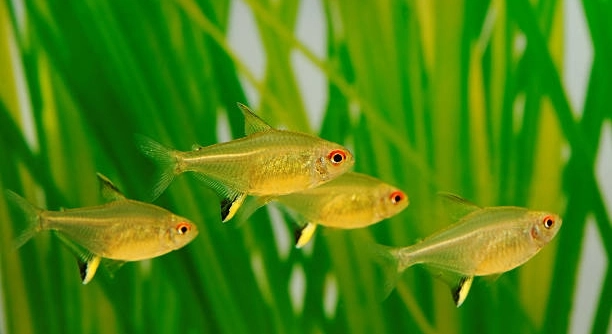
Are your Arowanas not as vibrant or active as you expected? Many owners face small challenges that can affect their fish’s overall health and appearance. Simple changes in care can lead to noticeable improvements in their wellbeing.
Adjusting tank size, water quality, diet, and lighting can significantly influence Arowana growth and vitality. Consistent maintenance, proper feeding schedules, and environmental enrichment create conditions that support strong health, reduce stress, and promote natural behaviors in these fish.
Even minor tweaks in daily care routines can have lasting effects on your Arowana’s life and happiness in the tank.
Tank Size and Space
Arowanas grow quickly and require ample space to swim freely. A tank that is too small can restrict movement, causing stress and stunted growth. Ideally, a single adult Arowana should have at least a 250-gallon tank. Providing sufficient space also reduces aggressive behavior and allows for proper swimming patterns. Overcrowding can lead to poor water quality, which impacts the fish’s immune system. Regularly monitoring the tank dimensions and upgrading when needed ensures your Arowana can thrive. Decorations should not limit swimming paths; keep the layout simple with open areas. Filter systems must be matched to tank size to maintain clean water and healthy oxygen levels. Consistent observation of your fish’s behavior can signal if the space is adequate. A well-sized tank also makes maintenance easier, reducing stress for both the owner and the fish. Planning for long-term growth is key to keeping an Arowana healthy and active.
Proper tank size allows Arowanas to grow without stress and maintain better overall health in the long term.
Space management and tank planning are crucial for active swimming and natural behavior, which directly support growth and vitality.
Water Quality and Filtration
Maintaining water quality is critical for Arowanas, as poor conditions lead to disease and stress. Regular water changes, ideally 25-30% weekly, remove waste and harmful toxins. A high-quality filtration system is necessary to keep ammonia, nitrite, and nitrate levels in check. Testing water parameters frequently ensures that pH, hardness, and temperature stay within safe ranges. Arowanas thrive in slightly acidic to neutral water with stable temperatures around 75-82°F. Aeration improves oxygen levels, especially in larger tanks where oxygen can deplete quickly. Avoid overcrowding, as this can overwhelm filtration and worsen water conditions. Keeping the tank clean also prevents algae buildup, which can reduce oxygen and cause pH fluctuations. Observation is key; if your Arowana appears lethargic or refuses food, water quality is often the issue. A proper filtration routine reduces stress, strengthens immunity, and promotes long-term health for your fish.
Regular water maintenance prevents stress and keeps your Arowana healthy, active, and disease-free.
Consistent monitoring, combined with effective filtration and routine water changes, ensures your fish’s environment remains stable and supportive of growth, natural behavior, and longevity.
Diet and Feeding
A balanced diet is essential for Arowanas to maintain health and vibrant colors. A mix of high-quality pellets, live food, and occasional frozen treats ensures proper nutrition and supports growth. Avoid overfeeding, which can harm water quality and lead to obesity.
Feeding should follow a consistent schedule, typically once or twice daily depending on age and size. Younger Arowanas require more frequent meals to support rapid growth, while adults need controlled portions to prevent excessive weight gain. Live foods like small fish or insects provide enrichment and encourage natural hunting behavior, which reduces boredom. Pellets enriched with vitamins and minerals supplement the diet to meet nutritional needs. Occasional frozen or prepared foods offer variety and prevent dietary deficiencies. Monitoring your Arowana’s appetite and adjusting quantities helps maintain optimal health. Feeding should be done in moderation, ensuring food is consumed quickly to avoid water contamination.
Variety in the diet not only supports growth but also enhances coloration, immunity, and overall vitality. A thoughtful feeding plan prevents health problems and encourages natural behaviors that keep your Arowana active.
Lighting and Environment
Proper lighting influences Arowanas’ behavior, color, and stress levels. A natural day-night cycle should be maintained with 10-12 hours of light daily, avoiding abrupt changes.
Lighting should highlight the tank without causing overheating or excessive algae growth. Soft LED lights are ideal, providing consistent illumination and enhancing the fish’s colors without disturbing them. Positioning lights above open swimming areas helps Arowanas move comfortably and maintain activity. Avoid placing the tank in direct sunlight, as it can cause temperature fluctuations and promote algae blooms. Light cycles should align with feeding and maintenance schedules to support a stable routine. Environmental enrichment, such as smooth decorations and minimal obstacles, allows swimming freedom while reducing stress. A stable and predictable environment improves behavior, appetite, and overall wellbeing, ensuring the Arowana thrives.
Consistent lighting and a well-planned environment support healthy behavior, stress reduction, and color vibrancy. Small adjustments can make a significant difference in the fish’s quality of life.
Regular Health Checks
Monitoring your Arowana’s health helps catch problems early. Watch for changes in appetite, swimming patterns, or appearance. Early detection can prevent serious illness and reduce stress on your fish.
Inspect scales, fins, and eyes regularly. Small injuries or discoloration often indicate water quality issues or infections that require prompt attention.
Tank Mates
Choosing compatible tank mates is critical for Arowanas. Aggressive or overly small fish can lead to stress or injury. Suitable companions help maintain a peaceful and balanced aquarium.
Water Temperature
Maintaining a stable water temperature between 75-82°F is vital for Arowanas. Fluctuations can weaken immunity and affect appetite, growth, and overall health. Proper heating and monitoring prevent stress-related problems and support natural behavior.
Filtration Maintenance
Regularly cleaning and maintaining filters ensures consistent water quality. A clean filtration system prevents toxin buildup, supports oxygen levels, and keeps your Arowana healthy.
FAQ
How often should I feed my Arowana?
Young Arowanas require feeding two to three times daily to support their rapid growth. Adult Arowanas do well with one or two meals per day. Overfeeding can lead to water quality problems and obesity, so it’s important to provide controlled portions that your fish can consume quickly. A balanced diet should include high-quality pellets, occasional live or frozen foods, and vitamin supplements when needed. Observing your Arowana’s behavior and appetite helps determine the correct amount. Feeding at the same times each day also establishes a routine that reduces stress and encourages natural activity.
What is the ideal tank size for an adult Arowana?
Adult Arowanas need large tanks, typically at least 250 gallons, to accommodate their size and swimming habits. A tank that is too small restricts movement, causes stress, and may stunt growth. Open swimming areas should be prioritized over heavy decorations, while smooth, minimal ornaments provide some environmental enrichment without interfering with movement. Proper tank dimensions also make maintenance easier and help maintain consistent water quality. Planning for the Arowana’s full adult size from the start prevents costly tank upgrades later and ensures the fish remains healthy, active, and stress-free.
How do I maintain proper water quality?
Regular water changes, around 25-30% weekly, are essential for removing toxins like ammonia and nitrites. High-quality filtration should match the tank size to manage waste effectively. Water parameters, including pH, hardness, and temperature, should be tested frequently to ensure stability. Avoid overcrowding, which can overwhelm filtration and reduce oxygen levels. Aeration helps maintain oxygen, especially in larger tanks. Observing your Arowana for signs of stress, such as lethargy or loss of appetite, often indicates water issues. Consistent water maintenance improves immunity, supports growth, and promotes natural behavior.
Can Arowanas live with other fish?
Tank mates must be carefully chosen to avoid stress or injury. Aggressive species or very small fish can be problematic, as Arowanas may attack them. Suitable companions include similarly sized, calm fish that occupy different tank levels. Introducing new fish gradually and monitoring interactions is important to ensure harmony. Even compatible tank mates should not overcrowd the tank, as ample swimming space is essential for Arowanas. Maintaining peaceful conditions reduces stress and encourages natural behaviors, contributing to overall health and longevity.
What temperature should I keep my Arowana at?
Arowanas thrive in stable water temperatures between 75-82°F. Sudden fluctuations weaken the immune system and reduce appetite. Using a reliable heater and thermometer helps maintain consistent conditions. Gradual adjustments are necessary if the water needs to be warmed or cooled. Proper temperature management prevents stress-related diseases, supports digestion, and encourages active swimming. Consistent temperature is also important when introducing new fish or performing water changes to prevent shock. Monitoring daily ensures your Arowana remains healthy, energetic, and shows its full coloration.
How often should I clean the tank and filter?
Filters should be checked weekly and cleaned as needed to prevent clogging and maintain optimal flow. Debris buildup can reduce filtration efficiency, harming water quality. Replace or rinse filter media according to manufacturer guidelines, but avoid cleaning all media at once to preserve beneficial bacteria. Partial water changes during filter maintenance help maintain stability. Regular cleaning keeps ammonia and nitrate levels low, supports oxygen levels, and reduces stress. Consistent upkeep ensures your Arowana remains healthy, active, and free from waterborne diseases.
Why is my Arowana losing color or acting lethargic?
Color loss and lethargy often indicate stress, poor water quality, or nutritional deficiencies. Check tank parameters, feeding habits, and environmental conditions. Inadequate lighting, improper temperature, or lack of space can also contribute. Addressing these factors promptly restores health and vibrancy. Proper care, including consistent feeding, water changes, and monitoring behavior, ensures your Arowana thrives and maintains its natural appearance.
How can I prevent diseases in my Arowana?
Preventing illness involves maintaining water quality, feeding a balanced diet, and avoiding overcrowding. Regular observation helps detect early signs of infection. Quarantining new fish before introducing them reduces the risk of disease transmission. A clean, stable environment, combined with proper nutrition, strengthens immunity and supports overall health. Early intervention and consistent care are key to preventing serious health issues in your Arowana.
How do I encourage natural behavior in my Arowana?
Providing a spacious tank with open swimming areas encourages active movement. Adding smooth, minimal decorations allows exploration without limiting space. Feeding live or frozen foods stimulates hunting instincts. Maintaining a stable environment, consistent lighting, and proper water conditions supports natural activity, reduces stress, and enhances overall wellbeing.
What should I do if my Arowana refuses food?
Food refusal may indicate stress, illness, or water problems. Check water quality, temperature, and tank conditions first. Offering a variety of foods in small portions can entice appetite. If the behavior persists, consulting a veterinarian experienced with fish may be necessary. Prompt action prevents malnutrition and supports recovery.
This FAQ covers essential care points to help your Arowana remain healthy, active, and vibrant, providing a strong foundation for long-term wellbeing.
Caring for an Arowana requires attention to several key areas that directly affect its health and happiness. Tank size is one of the most important factors, as these fish grow large and need plenty of space to swim freely. A cramped environment can cause stress, limit natural movement, and even stunt growth. Providing an adequately sized tank with open areas and minimal but safe decorations allows the Arowana to display normal behavior. Water quality is equally crucial, and maintaining it requires regular water changes, proper filtration, and careful monitoring of parameters like pH, temperature, and hardness. Keeping the water clean and stable prevents disease, strengthens immunity, and helps the fish remain active. Observing the Arowana closely for any changes in behavior, appetite, or appearance allows early detection of potential issues, which is essential for long-term health. Consistency in these basic but critical areas forms the foundation for a thriving aquarium.
Nutrition plays a central role in keeping an Arowana vibrant and healthy. A balanced diet should include high-quality pellets formulated for large carnivorous fish, along with occasional live or frozen foods. These additions provide protein and enrichment, encouraging natural hunting behaviors that reduce boredom and stress. Overfeeding can negatively affect both water quality and the fish’s health, so careful portion control is necessary. Younger Arowanas need more frequent meals to support rapid growth, while adults benefit from a controlled feeding schedule that prevents weight gain and digestive issues. Vitamin-enriched foods or supplements can fill nutritional gaps, ensuring the fish maintains strong bones, bright coloration, and a robust immune system. Feeding at consistent times each day creates a routine that reduces stress and helps the fish adapt to its environment. A thoughtful approach to diet, combined with proper tank management, is key to promoting long-term vitality and overall wellbeing.
Environmental factors beyond tank size and nutrition also influence an Arowana’s quality of life. Lighting, temperature, and compatible tank mates all contribute to a stable, low-stress environment. A proper light cycle enhances color, supports natural behavior, and helps regulate biological rhythms. Stable water temperatures prevent immune suppression and encourage appetite. Choosing tank mates that are calm and appropriately sized reduces aggression and creates a more peaceful aquarium. Regular health checks, including monitoring for physical changes or unusual behavior, allow quick responses to potential problems. Small adjustments in daily care, such as filter maintenance or enrichment additions, can produce noticeable improvements in the fish’s activity, color, and overall condition. By attending to these key areas consistently, an Arowana can live a long, healthy, and active life, making the effort of proper care deeply rewarding.

Hello,
If you enjoy the content that we create, please consider saying a "Thank You!" by leaving a tip.
Every little bit helps us continue crafting quality advice that supports the health, happiness, and well-being of pets around the world, for pets of all shapes, sizes, and species.
We really appreciate the kindness and support that you show us!