
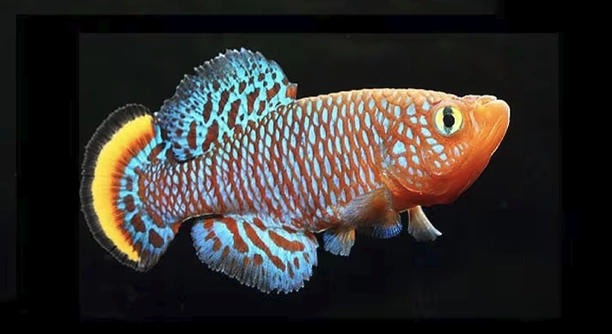
Killi fish are small, colorful fish often kept in home aquariums. Sometimes, owners notice their fish floating strangely or acting differently. This can be concerning for anyone who cares about their pet’s health and well-being.
Killi fish float oddly mainly due to swim bladder problems, poor water quality, or infections. These issues affect their ability to control buoyancy, causing them to swim or float in unusual positions, which may indicate stress or illness.
Knowing the reasons behind these behaviors can help you keep your fish healthy and comfortable. Understanding these signs is important for every killi fish owner.
Common Causes of Floating Issues in Killi Fish
One of the main reasons killi fish float oddly is a problem with their swim bladder. The swim bladder helps fish control their buoyancy, so when it is affected by infection, injury, or poor diet, they struggle to swim properly. Another frequent cause is poor water quality. High levels of ammonia, nitrites, or nitrates can stress fish and lead to unusual behavior, including floating or swimming at odd angles. Temperature changes or sudden shifts in pH can also upset their balance. Infections caused by bacteria or parasites can damage internal organs, impacting their ability to maintain normal posture. Sometimes, overfeeding or feeding inappropriate food leads to digestive issues that put pressure on the swim bladder. Keeping a clean tank and monitoring feeding habits are essential steps to prevent these problems and help your fish stay healthy.
Water quality and diet are key factors influencing how killi fish behave in the tank.
Regular checks and adjustments can reduce floating problems significantly.
How to Improve Swim Bladder Health
Maintaining proper water conditions is critical to avoid swim bladder issues. Make sure the tank water is clean and parameters like temperature, pH, and chemical levels stay within recommended ranges for killi fish. Use a good filter and perform partial water changes weekly to remove waste. Feeding your fish a balanced diet helps too. Avoid overfeeding, and choose high-quality pellets or live foods suited to their needs. If you notice floating problems, try fasting your fish for a day or two to ease digestion. Adding peas (after removing the shell) can help relieve constipation, which sometimes affects buoyancy. If illness is suspected, quarantining the fish and using appropriate medications after consulting a vet or fish expert is advised. Consistency in care and early attention to changes in behavior are the best ways to prevent and manage swim bladder difficulties in your killi fish.
Preventing Floating Problems in Killi Fish
Regular tank maintenance is essential for preventing floating issues. Keep the water clean and stable to reduce stress on your fish. Avoid overfeeding and provide a balanced diet to support their swim bladder health.
Using a reliable filter and doing weekly partial water changes helps maintain good water quality. Test water parameters often to catch any harmful changes early. Feeding small amounts several times a day instead of one large meal prevents digestive problems. Also, removing uneaten food quickly stops water pollution. Proper diet and tank care go a long way in keeping your killi fish buoyant and active. Monitoring your fish closely allows you to notice early signs of illness or stress and act quickly.
Temperature fluctuations can stress killi fish and cause abnormal swimming. Keep your aquarium at a steady, suitable temperature to avoid this problem. A heater with a thermostat can help maintain consistent warmth. Avoid placing the tank near windows or vents where temperature changes often occur. Stable environmental conditions help your fish stay healthy and reduce floating difficulties.
Signs of Serious Health Issues
Persistent floating or odd swimming may indicate serious health problems. Look for additional signs like loss of appetite, clamped fins, or lethargy. These symptoms suggest infection or organ damage needing prompt care.
Infections caused by bacteria, parasites, or fungi can disrupt buoyancy control. If your killi fish shows ongoing trouble floating combined with other symptoms, quarantine it and consider veterinary advice. Ignoring these signs can worsen the condition, sometimes resulting in death. Early treatment improves chances for recovery. Observing your fish daily helps catch health issues before they become critical. Keeping a close eye on behavior and physical changes is key to managing serious illnesses effectively.
Environmental Stress Factors
Changes in water temperature, pH levels, or lighting can cause stress to killi fish. Stress weakens their immune system and affects swimming behavior. Maintaining stable conditions helps avoid these problems.
Noise and vibrations near the aquarium can also disturb killi fish, leading to unusual floating or hiding. Minimizing disturbances is important for their comfort.
Choosing the Right Tank Setup
A proper tank size and layout support killi fish health. Provide plenty of plants and hiding spots to reduce stress and encourage natural behavior. Avoid overcrowding, which can cause aggression and poor water quality.
Using Medication Carefully
Only use medications when necessary and follow dosage instructions closely. Overuse or incorrect treatment can harm your fish and disrupt the tank’s ecosystem.
Feeding Tips for Healthy Swimming
Feed small amounts of high-quality food multiple times daily to avoid digestive issues that affect buoyancy.
FAQ
Why is my killi fish floating at the surface of the tank?
Floating at the surface usually means your fish is struggling with buoyancy control. This can happen due to swim bladder issues, poor water quality, or low oxygen levels. Check the tank’s oxygen by observing surface movement or using an aerator. Also, test water quality to rule out toxins.
Can overfeeding cause floating problems in killi fish?
Yes, overfeeding is a common cause. Excess food leads to digestive issues like constipation or swim bladder pressure. Feeding small portions and removing leftover food helps prevent this. Fasting your fish for a day or two can sometimes relieve symptoms.
How does water temperature affect my killi fish’s swimming?
Killi fish are sensitive to temperature changes. If the water is too cold or too hot, it can stress them and affect swimming. Keep the temperature stable and within their preferred range, typically around 72–78°F (22–26°C), using a reliable heater.
What should I do if my killi fish keeps floating oddly despite good water quality?
If water conditions are good but the fish still floats oddly, swim bladder infection or internal parasites might be the cause. Observe for other symptoms like lethargy or loss of appetite. Consider quarantining the fish and consulting a vet or using targeted medication.
Can stress cause my killi fish to float strangely?
Yes, stress from sudden changes, loud noises, or overcrowding can affect your fish’s behavior, including floating oddly. Creating a calm environment with plenty of hiding spaces helps reduce stress and supports normal swimming.
Is it normal for killi fish to sometimes float upside down?
Occasional floating upside down can happen, but frequent or prolonged upside-down swimming is a sign of a problem. It usually points to swim bladder dysfunction or serious illness that requires attention.
How often should I clean my killi fish tank to prevent floating issues?
Weekly partial water changes of 20-30% are recommended to maintain clean water and stable parameters. Cleaning helps remove waste and toxins that stress fish and affect buoyancy.
Can constipation cause my killi fish to float oddly?
Constipation puts pressure on the swim bladder, leading to abnormal floating. Feeding fiber-rich foods like shelled peas and reducing feeding amounts can help prevent constipation and related swim bladder issues.
Are certain foods better for preventing swim bladder problems in killi fish?
High-quality pellets designed for small fish or live foods like brine shrimp support good digestion. Avoid overfeeding and foods that cause bloating. Variety and moderation in diet promote swim bladder health.
When should I seek veterinary help for my floating killi fish?
Seek help if floating is persistent, combined with other symptoms like weight loss, fin damage, or unusual spots. Early diagnosis and treatment improve chances of recovery and prevent spreading disease in the tank.
Can water hardness or pH imbalance affect my fish’s buoyancy?
Yes, improper pH or hardness can stress fish and disrupt bodily functions, including swim bladder control. Test and adjust these parameters to match killi fish needs, generally a pH of 6.5 to 7.5 and moderate hardness.
Does the size of the aquarium impact killi fish swimming behavior?
A tank that is too small can cause stress and poor water quality, leading to abnormal swimming. A properly sized tank with enough space encourages natural movement and reduces health problems.
What role does oxygen play in preventing floating problems?
Adequate oxygen levels keep fish healthy and active. Poor oxygen can cause gasping at the surface or floating oddly. Ensure good water circulation and aeration to maintain oxygen.
Can sudden changes in lighting cause floating behavior?
Sudden bright or flickering lights may startle killi fish, causing stress and unusual swimming. Provide a consistent lighting schedule and avoid abrupt changes to keep fish calm.
Are male and female killi fish equally prone to floating issues?
Both sexes can develop swim bladder or stress-related floating problems. However, males sometimes show more stress due to territorial behavior, which can indirectly affect swimming.
How long does it take for a killi fish to recover from swim bladder problems?
Recovery depends on the cause and treatment. Mild issues may improve in a few days with proper care, while infections can take weeks. Consistency in water quality and diet supports healing.
Final Thoughts
Floating oddly is a common issue that many killi fish owners face at some point. It often signals that something is off with the fish’s health or environment. Problems with the swim bladder, poor water quality, or stress are usually behind this behavior. Paying close attention to the tank conditions and the fish’s diet can prevent many of these issues. Regular maintenance and careful feeding habits make a big difference in keeping killi fish healthy and swimming normally.
It is important to remember that killi fish are sensitive creatures. They rely heavily on stable water conditions and a calm environment to thrive. Sudden changes in temperature, water chemistry, or lighting can cause stress, which might lead to floating problems. Keeping the tank clean, monitoring water parameters regularly, and avoiding overcrowding help create a stable habitat. Providing plenty of hiding spots and a natural tank setup also reduces stress, allowing the fish to behave naturally.
If floating problems persist despite good care, it is best to look deeper into possible infections or other illnesses. Early detection and treatment improve the chances of recovery and prevent more serious health issues. Observing your killi fish daily helps you spot changes quickly and take action when needed. Taking these steps shows care and attention that your fish need to live a healthy and comfortable life. With proper care, your killi fish can overcome floating problems and enjoy a better quality of life in your aquarium.

Hello,
If you enjoy the content that we create, please consider saying a "Thank You!" by leaving a tip.
Every little bit helps us continue crafting quality advice that supports the health, happiness, and well-being of pets around the world, for pets of all shapes, sizes, and species.
We really appreciate the kindness and support that you show us!