
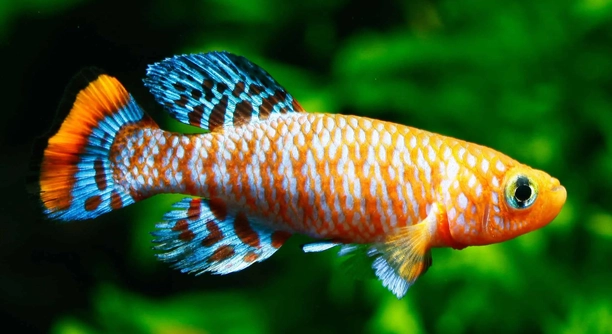
Killi fish are popular among aquarium hobbyists for their vibrant colors and unique breeding habits. Providing the right hiding spots is essential for successful breeding and ensuring the safety of the eggs and fry. Many aquarists look for effective ways to create a suitable environment for these delicate fish.
The best hiding spots for killi breeding include dense plants, spawning mops, coconut shells, clay pots, leaf litter, java moss, and artificial caves. These locations offer protection and mimic natural habitats, promoting healthier breeding outcomes and higher fry survival rates.
Knowing the ideal hiding spots can make a big difference in your killi breeding success and help you create a safe, comfortable space for your fish.
Dense Plants as Natural Hiding Spots
Dense plants provide an excellent natural hiding place for killi fish during breeding. Plants like java fern, hornwort, and water sprite offer thick foliage that protects eggs and fry from predators. The leaves create a soft barrier where killi can lay eggs safely. These plants also improve water quality by absorbing excess nutrients, which helps maintain a healthy environment. When placing dense plants in your tank, make sure they are spread out to give fish enough space to swim and find shelter. The more natural the setup, the more comfortable the fish will feel during breeding. Regular trimming of plants is important to prevent overcrowding and allow light penetration. By adding dense plants, you not only support the breeding process but also create a calming habitat that mimics their natural environment.
Dense plants enhance the tank’s environment, making breeding more successful by providing safety and comfort.
Plant care and tank setup play key roles in maintaining the health and breeding readiness of killi fish.
Spawning Mops for Effective Egg Protection
Spawning mops are a practical tool often used to protect killi eggs in captivity. These mops, usually made from soft yarn or synthetic fibers, imitate the texture of plants or moss where killi naturally lay their eggs. They offer a safe spot where eggs can attach and develop without risk of being eaten by adult fish. Spawning mops are easy to place in any part of the tank and can be removed to transfer eggs to a separate breeding tank. Regular inspection of the mop is necessary to check egg development and prevent fungal growth. Mops can be made at home or bought from aquarium stores, making them a convenient option. Using spawning mops helps reduce egg loss and increases the chances of successful hatching, which is important for those aiming to raise healthy killi fry.
Coconut Shells as Safe Breeding Sites
Coconut shells create a cozy, dark space that killi fish prefer for laying eggs. The natural texture inside helps eggs stick securely.
Coconut shells are an easy way to provide shelter and breeding sites. You can cut a shell in half, clean it thoroughly, and place it in the tank. The hollow shape gives fry protection from strong currents and predators. Over time, shells may develop beneficial biofilm, adding a natural feel to the habitat. Position the shell partially buried or resting on the substrate to keep it stable. Coconut shells are low maintenance and offer a simple, effective solution for killi breeders wanting to mimic natural hiding spots.
Their durability and natural look make coconut shells a popular choice for many aquarium setups.
Clay Pots for Controlled Breeding Spaces
Clay pots offer a structured environment that encourages killi fish to spawn safely inside. Their sturdy build and porous surface help regulate water conditions.
Using clay pots in the tank creates a specific breeding area that can be easily monitored. Pots should be placed on their side with an entrance large enough for fish to swim in and out comfortably. The rough texture inside helps eggs attach firmly, reducing the risk of being washed away. These pots can also be covered partially with plants or moss to add extra security and privacy. Clay pots are durable and inexpensive, making them a practical choice for breeders looking for a reliable hiding spot that simulates natural caves or crevices. The contained space helps reduce stress for breeding pairs, leading to better egg development.
Leaf Litter for Natural Cover
Leaf litter provides a soft, natural cover that killi fish use to hide eggs. It mimics their wild environment, offering security for fry.
As leaves slowly break down, they release beneficial tannins that improve water quality and create a slightly acidic environment favored by many killi species.
Java Moss for Dense Protection
Java moss is excellent for breeding tanks because it offers thick, dense growth where eggs can attach safely. It also shelters fry from predators and strong water currents. Its fine structure makes it easy for killi to hide, reducing stress during breeding. Java moss is low maintenance and grows quickly under the right conditions, making it a reliable hiding spot. It also provides natural biofilm that young fry can feed on, supporting early development.
Artificial Caves as Secure Spots
Artificial caves provide stable, dark hiding places that help simulate natural crevices. They offer protection and privacy during breeding.
What are the best plants for killi breeding tanks?
The best plants for killi breeding tanks are dense and fine-leaved varieties like java moss, hornwort, and water sprite. These plants offer good cover for eggs and fry while helping improve water quality. Java moss is especially popular because it grows quickly and creates thick mats that provide shelter and a natural place for eggs to attach. Hornwort and water sprite grow fast and offer vertical cover, which makes it easier for fish to hide. It’s important to avoid sharp or tough plants that might damage delicate eggs or fry. Regular maintenance helps keep these plants healthy and ensures they continue to serve as protective hiding spots.
How often should I clean spawning mops?
Spawning mops should be cleaned gently and regularly to prevent fungus and debris buildup. Ideally, inspect the mops every few days during the breeding period. Remove any dead or unhealthy eggs carefully to reduce fungal growth, which can spread quickly and harm viable eggs. You can rinse the mop with tank water but avoid using chemicals or tap water directly, as this may harm eggs. Once the eggs hatch and fry start swimming, it’s a good time to remove the mop to prevent overcrowding. Keeping spawning mops clean supports higher hatch rates and healthier fry development.
Can coconut shells affect water quality?
Coconut shells generally do not negatively affect water quality if prepared correctly. Before placing them in the tank, shells should be boiled or soaked for several hours to remove any tannins or contaminants. Over time, they may release small amounts of tannins, which can slightly lower pH and soften water. This change can benefit species that prefer acidic, soft water, like many killi fish. However, in tanks with sensitive fish or those requiring stable water parameters, it’s best to monitor water conditions regularly. If discoloration occurs, partial water changes help maintain balance while keeping the shell as a hiding spot.
Are clay pots safe for all killi species?
Clay pots are safe for most killi species, but it’s important to choose pots without sharp edges or coatings that could harm the fish. Unglazed pots are preferred because they allow water to flow through the porous material, helping maintain stable conditions inside the pot. Pots should be cleaned before use to remove dust or residues. Some very small or delicate species may find pots too large or exposed, so adjusting pot size or partially covering the entrance with plants can help. Overall, clay pots provide a sturdy, natural-feeling shelter that many killi fish appreciate during breeding.
How does leaf litter help fry survival?
Leaf litter helps fry survival by offering soft shelter and hiding places, reducing stress and predation risk. As the leaves break down, they release tannins that create a slightly acidic environment preferred by many killi species. This environment can also slow the growth of harmful bacteria and fungi. Leaf litter encourages beneficial microorganisms and small invertebrates to grow, which fry feed on during early development. Adding dried Indian almond leaves or oak leaves is common, as they decompose slowly and support a natural breeding habitat. It’s important to replace leaf litter regularly to avoid water quality issues.
Is java moss difficult to maintain in a breeding tank?
Java moss is one of the easiest plants to maintain in breeding tanks. It grows well in a variety of water conditions and requires minimal light and care. Regular trimming keeps the moss dense and healthy, preventing it from becoming too thick or decaying. Java moss does not need fertilizer, and it benefits from gentle water flow, which helps keep debris off the leaves. Its fast growth makes it ideal for creating protective mats where eggs can attach and fry can hide. Because of its low maintenance, java moss is a favorite choice for both new and experienced breeders.
Can artificial caves replace natural hiding spots?
Artificial caves can effectively replace natural hiding spots if designed with the right size and material. Smooth surfaces and stable placement are important to prevent injuries or stress. Many aquarists use resin or ceramic caves that mimic natural crevices. These caves provide dark, secure spaces where killi fish feel safe laying eggs and protecting fry. However, combining artificial caves with plants or leaf litter often yields better results because it adds texture and environmental complexity. Artificial caves are especially useful in tanks with limited space or fewer natural decorations.
How do I prevent fungal growth on eggs?
To prevent fungal growth on killi eggs, maintain clean water and good circulation in the breeding tank. Removing unfertilized or dead eggs promptly reduces fungal spores that can spread to healthy eggs. Adding a small amount of antifungal treatment designed for fish tanks can help but should be used cautiously to avoid harming fry. Using spawning mops or hiding spots that allow easy egg inspection makes it simpler to identify and remove bad eggs early. Avoid overcrowding the tank, as excess organic matter can promote fungal growth. Stable water temperature and quality also support healthy egg development without fungus.
What role does water quality play in killi breeding success?
Water quality is crucial for killi breeding success. These fish generally prefer soft, slightly acidic water, but specific requirements can vary by species. Clean water with low levels of nitrates, ammonia, and nitrites is essential for egg health and fry survival. Frequent small water changes help maintain optimal conditions without shocking the fish. Good filtration combined with gentle water flow prevents stagnant areas where fungus or harmful bacteria can grow. Monitoring pH, temperature, and hardness ensures a stable environment that encourages spawning and reduces stress. Poor water quality often leads to low hatch rates or unhealthy fry.
Can hiding spots reduce stress in breeding killi fish?
Yes, hiding spots significantly reduce stress in breeding killi fish. When fish feel secure, they are more likely to spawn and protect their eggs. Without adequate shelter, fish may become aggressive or avoid breeding altogether. Hiding spots like dense plants, moss, caves, and shells provide privacy and comfort, mimicking natural habitats. This helps maintain calm behavior and reduces the chance of eggs being eaten by adults or other tank mates. Stress reduction through proper shelter also supports the immune system, improving overall health during the sensitive breeding period.
Providing the right hiding spots is very important when breeding killi fish. These fish need safe places to lay their eggs and protect their fry from harm. Using natural materials like dense plants, leaf litter, and coconut shells can help create a calm and secure environment. Artificial options like spawning mops, clay pots, and caves also work well to mimic natural hiding spots. Each option offers different benefits, but the key is to offer plenty of cover so the fish feel safe during breeding.
It is also important to keep the tank clean and maintain good water quality. Healthy water conditions support egg development and fry survival. Regular water changes, proper filtration, and monitoring water parameters help reduce stress on the fish. Stress can lead to fewer eggs being laid or eggs not hatching properly. Keeping hiding spots clean and free from fungus or debris also helps the eggs stay healthy. Simple actions like removing dead eggs or trimming plants make a big difference in successful breeding.
Choosing the right hiding spots and maintaining good tank care can improve the chances of raising healthy killi fry. Observing how your fish respond to different shelters will help you find the best setup for your tank. Creating a balanced environment with safe spaces and clean water helps killi fish breed naturally and confidently. This will give you more enjoyment and success in keeping these colorful and interesting fish.

Hello,
If you enjoy the content that we create, please consider saying a "Thank You!" by leaving a tip.
Every little bit helps us continue crafting quality advice that supports the health, happiness, and well-being of pets around the world, for pets of all shapes, sizes, and species.
We really appreciate the kindness and support that you show us!