
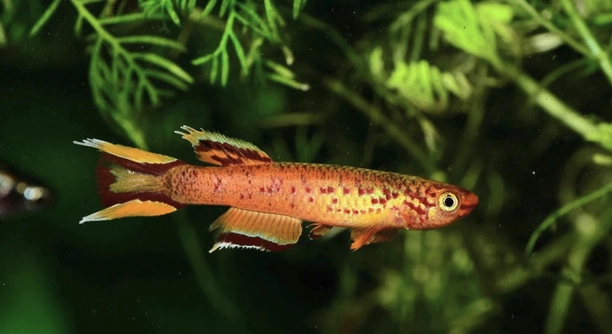
Have you ever watched your killi fish shimmer suddenly and wondered why they show off their shiny sides so often during the day?
Flashing behavior in killi fish is mainly a form of communication and display. It can signal dominance, attract mates, or warn others in the tank. This behavior is especially common during mating season or when territory is being established.
Understanding these subtle displays can help you create a more comfortable and healthy space for your killi fish to thrive in.
Why Do Killi Fish Flash Their Sides?
Flashing is a normal behavior in killi fish, especially among males. It’s usually tied to mating or territory. When a male killi fish flashes his side, he’s often trying to show off his strength and health. The shine of his scales helps him stand out to potential mates. At the same time, that flash can be a warning to other males to stay away. In some cases, females may also flash, but it’s less common and usually less intense. It’s part of how these fish communicate. In a home aquarium, flashing might increase if there are too many fish or not enough hiding spots. Changes in light or the presence of a mirror can also trigger flashing. While it might look dramatic, it’s usually just a part of their daily life, especially in breeding setups.
Flashing can also be a sign that your killi fish feels secure and active in its space.
If flashing seems constant or aggressive, check your tank’s setup. Overcrowding or lack of space can stress your fish. Adding plants or hiding places may help reduce this behavior. Keep water quality steady and avoid bright, direct lighting if you notice frequent flashing. Even lighting shifts can trigger strong displays.
When Flashing Might Be a Concern
Flashing is normal, but there are times it may signal discomfort. If your killi fish is rubbing against objects while flashing, it could be more than just a show.
Sometimes flashing can be a reaction to skin irritation. Parasites, such as flukes or ich, can make the fish feel itchy. You might also notice your fish breathing faster or staying near the bottom. In these cases, flashing is no longer about communication—it’s about trying to feel better. Dirty water or sudden changes in temperature can also make things worse. If you’re seeing these signs, check your tank’s water parameters right away. Use a water test kit to look for ammonia, nitrites, or pH imbalances. Quarantine the affected fish if you suspect parasites, and treat the tank with the right medication. Early action makes a big difference. Watching your fish closely and knowing what’s normal helps you catch changes before they become serious. Not all flashing is bad, but knowing the cause is key.
What Triggers Flashing Outside of Mating?
Killi fish may flash their sides when they feel threatened or overstimulated. This can happen during feeding time, tank cleanings, or when new fish are added. It’s their way of reacting to sudden changes around them. Bright lights or reflections may also trigger this behavior unexpectedly.
Flashing doesn’t always mean something is wrong. Sometimes, it’s simply a reaction to excitement or high energy. If your killi fish flashes after a water change or feeding, it could just be feeling active. New decorations or sudden movement in the room can also startle them into flashing. It’s important to watch when and how often it happens. If the fish resumes normal behavior right after, it’s likely nothing serious. Try to keep routines consistent and reduce sudden changes in their environment. A calm, steady tank helps killi fish feel safe, and they’ll be less likely to flash from stress or excitement.
If flashing becomes frequent during non-social moments, like when the tank is quiet or lights are dimmed, it may be worth checking for environmental triggers. Water vibrations from filters, loud noises, or flickering lights can all stress sensitive fish. Even pets walking by the tank can cause mild anxiety. Killi fish rely heavily on visual cues, and any sudden shift may seem like a threat. Keep the tank in a low-traffic area if possible, and try to shield it from direct light. Observing patterns will help you figure out if the flashing is caused by overstimulation rather than social or health-related reasons. Small adjustments can make a big difference.
How Tank Setup Affects Flashing Behavior
A calm and stable tank environment can reduce unwanted flashing. Killi fish thrive in tanks with lots of plants, soft lighting, and low current. Too much open space or light makes them feel exposed, which can lead to more flashing. Balanced spaces help them stay relaxed and calm.
Tank size, lighting, and hiding spots all play a role in fish behavior. If a tank is too small or lacks cover, killi fish may become territorial or anxious. That can cause more frequent flashing, especially between males. Floating plants, dark substrate, and adjustable lighting create a more natural feel and reduce overstimulation. Consider using a sponge filter for gentle flow and less vibration. Mirrors or reflective tank walls can also cause flashing by making fish think there’s a rival nearby. Covering glass sides with background paper can help. When fish feel secure, their flashing becomes more purposeful and less reactive. A good setup supports healthy habits.
Signs the Flashing Might Be Normal
If your killi fish flashes briefly during feeding or after a water change, it’s often a normal response to activity. These flashes are quick and not repeated constantly. The fish returns to normal swimming and shows no signs of stress or discomfort right after.
Flashing during mating displays or short chases between males is also typical. As long as your fish eat well, stay active, and don’t show signs of damage or illness, this kind of flashing is part of their usual behavior. It’s just one of the ways they interact and communicate with each other.
When to Take Action
Flashing combined with scratching, fast breathing, or clamped fins may be a sign of irritation or illness. If you see these behaviors along with dull coloration or loss of appetite, test the water immediately and look for parasites. Sudden or repeated flashing with no clear reason should never be ignored. Treating early helps avoid long-term problems.
Flashing in New Fish
Newly introduced killi fish might flash more often as they adjust to the tank. This is a common stress response and usually fades once they settle in. Give them time, and make sure conditions in the tank stay consistent.
Why do killi fish flash their sides?
Killi fish flash their sides mainly to communicate. Males use flashing to attract females during mating or to warn other males about territory. Flashing can also show dominance or health. It’s a natural and common way these fish interact within their environment.
Is flashing a sign of stress in killi fish?
Flashing can be a sign of stress if it happens often and is paired with other symptoms like scratching, rapid breathing, or hiding. Sudden changes in water quality, overcrowding, or strong lights can cause stress and lead to frequent flashing. Monitoring other signs will help identify stress.
How can I tell if flashing is normal or a problem?
Normal flashing is brief and linked to social behaviors such as mating or feeding. If flashing happens all the time, especially with rubbing against objects or changes in appetite, it might signal illness or discomfort. Watching for additional symptoms is key to knowing when to act.
Can tank setup affect flashing behavior?
Yes, tank setup plays a big role. Killi fish need plants, hiding spots, and soft lighting to feel safe. A bare or brightly lit tank can make them feel exposed, causing more flashing as a stress response. Adding cover and controlling light levels helps reduce unnecessary flashing.
Does flashing mean my killi fish are healthy?
Often, yes. Flashing can show that males are healthy and ready to breed. Bright colors and active flashing suggest good condition. However, flashing alone isn’t enough to confirm health. Look at eating habits, swimming behavior, and color to get a fuller picture.
Can flashing be caused by parasites or disease?
Flashing combined with rubbing or scratching often points to parasites like ich or skin irritation. It’s important to test water and treat parasites quickly. Early treatment prevents damage and helps your fish recover faster.
Will flashing stop if I improve tank conditions?
Improving tank conditions usually helps reduce stress-related flashing. Stable water parameters, proper tank size, and enough hiding places create a calm environment. Fish tend to flash less when they feel secure and comfortable in their surroundings.
Should I separate flashing fish from others?
Separating fish is recommended only if flashing leads to aggressive behavior or injury. Sometimes, flashing is part of establishing territory, but if fights break out, giving fish space helps reduce stress and damage. Use separate tanks or dividers if necessary.
Is flashing more common during breeding?
Yes, flashing increases during breeding as males display to females and compete with rivals. This is the most natural reason for flashing. After breeding season, flashing usually decreases unless other stress factors are present.
How do I reduce flashing caused by reflections or lighting?
Covering reflective surfaces and controlling light intensity can reduce flashing caused by mistaken rivals. Avoid placing the tank where it catches direct sunlight or strong artificial light. Use tank backgrounds and adjust lighting duration to create a calmer environment.
Can flashing indicate tank overcrowding?
Flashing may increase in crowded tanks as fish compete for space and resources. Overcrowding raises stress and territorial behavior, causing more frequent flashing. Ensuring the tank isn’t overstocked and adding plants or decorations for hiding spots can help.
Does flashing mean my killi fish are aggressive?
Flashing can be part of aggressive behavior but isn’t always aggressive on its own. It’s a display to show strength or warn others. True aggression includes chasing, biting, or fin damage. Monitor overall behavior to understand the context of flashing.
How long does flashing last during normal behavior?
Normal flashing usually lasts a few seconds, enough to get attention or send a message. Extended or repeated flashing over minutes may signal stress or irritation. Knowing the difference helps you respond appropriately.
Can feeding times cause flashing?
Yes, flashing often happens during feeding because fish get excited or competitive. This type of flashing is harmless and usually stops once food is eaten. Keeping feeding consistent and providing enough food can minimize stressful flash displays.
What should I do if flashing is paired with other symptoms?
If flashing comes with lethargy, loss of appetite, or visible spots, test your water and consider treating for parasites or infections. Consult with a fish health expert if needed. Early intervention improves chances of recovery and prevents spread to other fish.
Does flashing mean my killi fish are happy?
Flashing can indicate normal social behavior, which is part of a healthy fish’s life. While it’s not a direct sign of happiness, regular flashing during mating or social interaction shows your fish are active and engaged. A peaceful tank environment encourages positive behaviors.
Understanding why killi fish flash their sides can help you care for them better. Flashing is a natural behavior mostly linked to communication, such as attracting mates or setting territory. It shows the fish’s mood and health in many cases. By paying attention to when and how often your killi fish flash, you can learn more about what they need. Sometimes flashing means everything is fine, and other times it signals stress or discomfort. Knowing the difference is important for keeping your fish happy and healthy.
The environment you create for your killi fish plays a big role in how often they flash. A well-planted tank with soft lighting and enough hiding spots makes them feel secure and less likely to flash out of stress or fear. Overcrowding, bright lights, or sudden changes can cause excessive flashing, which may lead to problems. Regular water testing and good tank maintenance also reduce risks of illness that could cause flashing due to irritation or parasites. Watching your fish closely and understanding their behavior helps you spot early signs of trouble and act quickly.
If you notice frequent flashing combined with other unusual signs like rubbing, loss of appetite, or clamped fins, it’s important to check water quality and consider treatment for possible health issues. Flashing during feeding or breeding is normal and shows your fish are active. But flashing that continues without clear cause may need your attention. Providing a calm, stable tank environment, with consistent care, goes a long way toward keeping your killi fish comfortable and vibrant. Taking time to observe their flashing will help you enjoy these beautiful fish even more.

Hello,
If you enjoy the content that we create, please consider saying a "Thank You!" by leaving a tip.
Every little bit helps us continue crafting quality advice that supports the health, happiness, and well-being of pets around the world, for pets of all shapes, sizes, and species.
We really appreciate the kindness and support that you show us!