
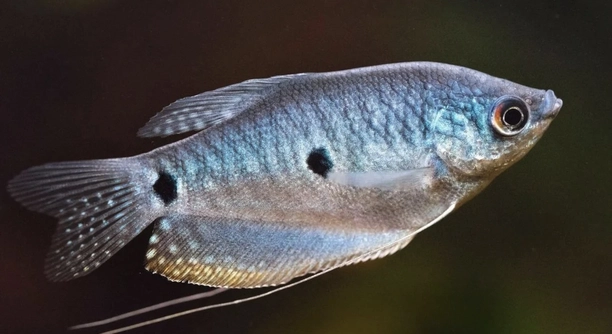
Are your gourami zipping through the tank, chasing each other around with no signs of slowing down? It may look playful, but sometimes it’s a little more than simple fun.
Gourami often chase each other due to territorial behavior, dominance disputes, or breeding activity. These actions are typically triggered by environmental stress, limited space, or a lack of hiding spots, which can increase aggression in confined aquarium settings.
Learning what’s behind the chasing helps you take better care of your fish and keep a calmer, healthier aquarium environment for everyone.
Common Reasons Gourami Chase Each Other
Gourami are beautiful fish, but their behavior can sometimes confuse tank owners. Chasing is one of the most common actions that people notice, and it usually happens for a few clear reasons. In many cases, it’s tied to natural instincts. Male gourami, in particular, are known to be territorial. If they feel another fish is invading their space, they may respond by chasing. Breeding can also trigger this behavior. Males may chase females during mating, which can look aggressive but is often part of the courtship process. Sometimes, though, the tank environment plays a role. When there isn’t enough space or hiding spots, gourami are more likely to compete, and this stress can cause more chasing. It’s important to observe their actions closely. Knowing when it’s a normal pattern or a sign of stress helps you respond better and keeps the tank peaceful and safe for all your fish.
A small tank can increase stress and territorial behavior. Without proper space and shelter, chasing may become more frequent and intense, even among fish that usually get along well.
Not all chasing is harmful. If no one is getting hurt and your tank is large enough, it may just be a display of normal interaction. But constant chasing, nipping, or signs of injury can mean something isn’t right. In those cases, you’ll want to make changes to reduce tension. You might need to add plants or decor for hiding, separate aggressive fish, or recheck your tank size. Male gourami are often the most aggressive, especially toward other males of the same species. If you’re unsure, watching their behavior during feeding and resting times can help you figure out if things are getting too rough. When fish can’t rest or eat calmly, it’s time to take action.
What You Can Do About It
Start by checking the size of your tank. A tank that’s too small is a common cause of stress and fighting, especially in semi-aggressive species like gourami.
If your gourami keep chasing each other, a few changes can make a big difference. First, ensure your tank is at least 20 to 30 gallons, depending on how many fish you have. More space means less fighting. Next, add plants or decorations that break up lines of sight and give fish places to hide. This helps them feel safer and lets them escape when needed. Also, think about your mix of fish. Try to avoid having too many males or combining aggressive breeds. Feeding your fish regularly and keeping the water clean can also reduce stress. Sometimes, separating aggressive fish into their own tanks is the best option. Always watch for signs like torn fins or missing scales, which mean things are getting out of hand. By making small adjustments, you can create a peaceful tank where your fish feel secure.
Signs the Chasing Is a Problem
Watch for torn fins, missing scales, or one fish hiding constantly. These signs often mean the chasing is no longer playful or territorial but has become stressful or harmful to the weaker fish.
When chasing leads to physical harm or prevents fish from eating or resting, it becomes a serious issue. If one gourami is constantly cornering another, or if you notice that one is not swimming freely, there may be a problem. Injured fish can become more prone to disease, and stress can shorten their lifespan. You might also see color fading or changes in behavior, like refusing food or staying near the surface. These are all signs that the environment needs to change. Fish need both space and security to stay healthy. Even peaceful gourami can become aggressive if they feel threatened or overwhelmed in a crowded or poorly set-up tank.
If one fish is always the target, separating it might be the only solution. Temporary use of a tank divider or moving the aggressive fish to another tank can give both a break. Long-term solutions often involve adjusting the tank size or the number of fish. Try changing the layout by adding tall plants, rocks, or hiding spots so the fish aren’t always in each other’s view. It helps reduce pressure and gives them the choice to avoid conflict. Keep in mind that gourami each have their own personality, so what works for one setup may not be enough for another. Careful observation and a few thoughtful changes can usually bring back balance without needing to rehome any fish.
When to Separate Gourami
If one fish is getting injured, not eating, or always hiding, it’s time to consider separation. Constant aggression leads to lasting harm, and waiting too long can put weaker fish at risk.
Use a tank divider for a quick fix, especially if you’re not ready to fully separate your fish. Dividers can help calm things down while keeping the fish in the same environment. If that doesn’t work, moving one fish into another tank is the next step. Choose the more aggressive one if you can. It’s also helpful to rearrange tank decorations or add more hiding spots to reduce tension. Watch the group closely after making changes. Separation may not be permanent if things settle down. Sometimes, fish just need a break. If you plan to reintroduce them later, do it slowly and monitor their behavior. Not every gourami pair will get along, and that’s okay.
How Tank Setup Affects Behavior
A poorly arranged tank can lead to more chasing. If fish don’t have enough space to establish their own territory, they may start to fight more often, even if they were peaceful before.
Adding plants, caves, and tall decorations helps break up sightlines. This gives each fish space to rest and reduces the chance of aggression.
The Role of Breeding Behavior
Chasing can also be part of the mating process. Male gourami often chase females when they’re ready to breed. This is natural, but it can be intense and tiring for the female. If the tank is too small or lacks hiding places, the female may become stressed or injured. It’s best to keep a close eye on their behavior during this time. You can also add extra plants or breeding mops to give the female a place to retreat. In some cases, separating the pair after spawning is needed to protect the female and the eggs from stress or further chasing.
How Diet Impacts Stress
A poor diet can raise stress levels in gourami, making them more aggressive. A varied, high-quality diet helps balance their energy and supports calm behavior.
FAQ
Why do male gourami chase each other more than females?
Male gourami are more territorial than females. They often try to establish dominance, especially when kept in smaller tanks or when there are limited hiding spots. This behavior is more intense in certain types like Three-Spot or Dwarf Gourami. Males usually see each other as rivals, even outside breeding periods. If there isn’t enough space, these confrontations can happen more often and last longer. That’s why it’s often recommended to keep only one male per tank unless you have a large, well-decorated setup with plenty of room for each fish to have its own territory.
Can female gourami also be aggressive?
Yes, female gourami can sometimes be aggressive too, especially if the tank is overcrowded or if they feel threatened. While not as territorial as males, females can still defend their space. You might notice a female chasing another if she’s stressed, uncomfortable, or simply trying to get food. This behavior is less intense, but it can still cause issues if the tank setup isn’t right. Giving all your fish space to move freely and enough hiding spots can help reduce this kind of tension, no matter the gender.
Do gourami chase each other when bored?
Yes, boredom and lack of stimulation can lead to unwanted behavior, including chasing. Gourami are intelligent and need a balanced environment to stay calm. If there’s nothing to explore or interact with, they may start pestering each other just to stay active. Adding live plants, floating decorations, or rearranging their environment every now and then helps keep their interest. Also, a consistent feeding schedule with a mix of food types can help keep them engaged and reduce stress-driven behaviors like chasing.
Is it okay if my gourami chase each other sometimes?
Occasional chasing is usually fine. Gourami are naturally curious and sometimes test boundaries. If the chasing is short and doesn’t lead to injuries, it’s probably harmless. It may happen more often during feeding or when a new fish is added. What matters is whether one fish is being bullied or can’t eat or rest. If chasing becomes constant, or if a fish is hiding all the time or getting hurt, then it’s a sign that something’s wrong with the setup or group dynamics.
How can I tell if chasing is related to breeding?
Breeding behavior often looks like chasing, but there are clues. Males will usually flare their fins, build bubble nests, and become more active around females. The chasing tends to focus on one specific fish, not random tankmates. It may seem intense, but if the female is not harmed and has places to rest, it can be part of a normal courtship. If things get too rough, though, it’s best to separate the fish after spawning to avoid stress or injuries.
Should I change the number of fish in my tank?
Sometimes, the best way to fix aggression is to change how many fish you keep. Too many fish can lead to stress and chasing, while too few can leave one fish open to constant attention. Try to find a balance that works for your tank size. For gourami, it’s often helpful to have a mix of one male and multiple females, or to keep only one male per tank. Always avoid adding fish too quickly, and monitor how your gourami respond to any changes.
Can lighting affect gourami behavior?
Yes, strong lighting can increase stress and cause fish to act out. Gourami prefer softer, natural lighting with shaded areas. If the light is too bright or always on, it may lead to more chasing. Use floating plants or decorations to create shaded zones. Also, try to give your fish a regular light cycle—about 8–10 hours a day of light is usually enough. Proper lighting can help fish feel more relaxed and reduce unwanted behaviors like aggression or pacing.
What food is best to keep gourami calm?
A mix of high-quality flakes or pellets, plus frozen or live food, is ideal. Variety keeps their diet balanced and helps reduce stress. Try offering bloodworms, brine shrimp, or daphnia a few times a week alongside their regular food. Overfeeding or feeding at irregular times can also create stress or competition, so try to stick to a routine. Feeding the right amount and offering foods that meet their nutritional needs can support better overall behavior in your tank.
Final Thoughts
Keeping gourami can be a rewarding experience, but their behavior can sometimes be confusing. Chasing is one of those things that may look playful but can have deeper meaning. In some cases, it’s part of normal behavior, like establishing territory or showing interest in breeding. In other situations, it can become a problem, especially if one fish is being bullied or injured. Watching how often it happens and whether your fish seem stressed or hurt is important. Not all chasing is bad, but it should never cause harm or keep a fish from eating or resting.
There are many small changes you can make to reduce unwanted chasing. Checking your tank size is a good place to start. If the tank is too small or crowded, your fish may feel trapped, leading to more stress and aggression. Adding more plants or hiding spots gives each fish a safe space, which helps calm them down. Keeping only one male gourami per tank, or separating aggressive fish, can also help. Sometimes, changing the layout of the tank or adding new decorations can make a big difference. Even feeding the right foods and providing a stable routine can affect how your fish behave.
In the end, a calm tank is a healthy tank. Taking time to understand your gourami’s behavior can help you care for them better. Every fish has its own personality, and what works for one group may not work for another. Being observant and willing to make small changes is key. If chasing becomes more frequent or intense, don’t ignore it. It could be a sign that something needs to be adjusted. But with the right setup and care, most gourami can live peacefully and bring life and color to your aquarium. Keeping their needs in mind will lead to better outcomes for both you and your fish.

Hello,
If you enjoy the content that we create, please consider saying a "Thank You!" by leaving a tip.
Every little bit helps us continue crafting quality advice that supports the health, happiness, and well-being of pets around the world, for pets of all shapes, sizes, and species.
We really appreciate the kindness and support that you show us!