
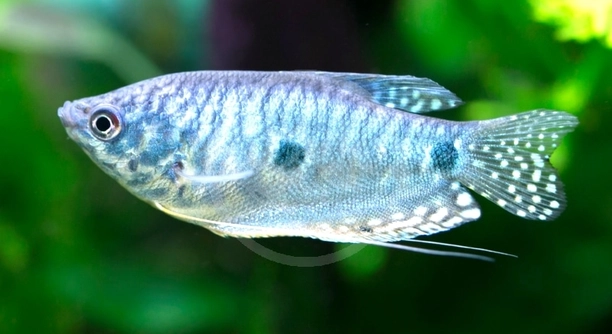
Gourami are fascinating fish known for their colorful appearance and unique behavior. One question that often arises is whether they can change gender, a feature found in some aquatic species. Here’s what you need to know.
Gourami fish exhibit sexual dimorphism, meaning males and females look different, but some species, like the three-spot gourami, can change sex in response to environmental or social factors. This phenomenon is relatively rare but possible.
Understanding how and why gourami change gender helps in managing their care and breeding. Knowing this behavior can offer insight into their unique biological traits.
How Gourami Can Change Gender
Gourami fish are capable of changing their gender, but this ability is dependent on several factors. Some species, like the three-spot gourami, can switch from male to female or vice versa in response to their environment or social structure. This ability to change gender helps them adapt and reproduce more effectively when needed. In some cases, a male may change to female if there is a lack of females in the tank or a need for more breeding opportunities. However, this process is not entirely understood and may vary between species.
This ability is most commonly observed in certain gourami species like the three-spot and giant gourami.
Gender-changing in gourami typically happens in response to social dynamics. For instance, if a dominant male dies or is removed, the remaining males may undergo a gender change to fill the void. Understanding this behavior is crucial for aquarium owners as it impacts breeding patterns and species population control.
Why Gourami Change Gender
Several environmental and social factors influence why gourami change gender. In a natural setting, the presence or absence of certain fish, including their social hierarchy, determines gender roles. In aquariums, overcrowding, stress, or an imbalance in the sex ratio can trigger this process.
The change in gender allows gourami fish to maximize breeding opportunities. If a male is unable to find a mate, it may switch to a female to ensure that reproduction continues. This adaptation also helps maintain a balanced sex ratio, which is vital for the survival of the species. Additionally, this gender flexibility can be a survival mechanism when the fish are in captivity or under changing conditions. Understanding the triggers behind these transformations can help aquarium owners provide a better environment for their fish, ensuring that they remain healthy and their populations are stable.
Gender Change in Aquariums
In an aquarium, gourami fish might change gender when there is a lack of balance in the sex ratio. If there are too many males or too few females, a male can change into a female to ensure successful reproduction. This process happens in response to the needs of the tank’s population.
Aquarium owners should be mindful of their fish’s gender balance. Keeping an equal number of males and females can prevent unexpected gender changes. However, some fish might still change gender even in a well-balanced tank, as it’s a natural survival mechanism. When a male turns into a female, the tank’s dynamics can shift significantly, affecting breeding behavior.
This ability to change gender can also happen if the fish are under stress. For instance, if a dominant male is removed or dies, the remaining males may change to females to maintain a balanced breeding environment. Managing these changes can be challenging but helps ensure the overall health of the tank.
Gender-Swapping Species
The three-spot gourami and giant gourami are the species most commonly known to change gender. These fish have developed this ability to adapt to environmental changes. For aquarium owners, it’s essential to understand that this is a natural part of the fish’s behavior.
The process of gender change in these species is tied to their social structure and the need for reproduction. Male three-spot gourami, for instance, will often change gender when there are fewer females, or when they are the only ones left in the tank. This ensures that the species continues to thrive and breed even in the absence of a suitable mate.
Environmental Factors
Water quality, temperature, and social dynamics all play a role in a gourami’s ability to change gender. When environmental conditions are unstable or suboptimal, gourami may alter their gender as a survival tactic. This ensures that the species can adapt to changing circumstances in their habitat.
For example, changes in temperature can cause stress in gourami, triggering their ability to switch genders. Poor water quality, overcrowding, or even the presence of dominant fish can lead to these changes. Providing a stable, well-maintained tank with balanced conditions can help prevent unwanted gender changes, allowing the fish to thrive.
Managing Gender Changes in Aquariums
To prevent unexpected gender changes in your gourami tank, it’s important to maintain a stable and balanced environment. This includes monitoring water temperature, pH levels, and ensuring a balanced sex ratio. Avoid overpopulation and overcrowding, as these factors can cause stress, triggering gender changes.
In addition to maintaining balance, observing the behaviors of your fish can help you spot any unusual changes early. Keeping a careful watch on the fish’s interaction and physical traits can help determine if a gender change has occurred. With proper care, gourami can live healthily in a tank without unnecessary gender shifts.
FAQ
Can all gourami change gender?
Not all gourami species have the ability to change gender. The most common species known to exhibit this trait are the three-spot gourami and the giant gourami. These species can change sex in response to environmental or social changes. However, other gourami species, such as dwarf gourami, do not have this capability. The ability to change gender is often related to the species’ reproductive needs and survival mechanisms.
How do gourami change gender?
Gourami change gender by transitioning from male to female or vice versa, depending on the social and environmental conditions. This process is primarily influenced by the need to maintain a balanced sex ratio within their group. When there is a shortage of females, a male may change gender to ensure breeding continues. This gender change is not a permanent or constant shift; it happens as a response to specific triggers like the absence of a mate or environmental stress.
What causes a gourami to change gender?
Environmental factors such as temperature, water quality, and the presence of other fish play a role in triggering a gender change. Social dynamics, like the death of a dominant male or an unbalanced sex ratio, can also cause a male to transition to female. Additionally, overcrowding or high stress levels in an aquarium can encourage this gender-changing behavior. These changes are a survival strategy, ensuring that reproduction can continue even when circumstances are unfavorable.
Is gender-changing in gourami common in aquariums?
Gender-changing in gourami is not extremely common in aquariums, but it can happen under the right conditions. If there are not enough females or if males feel stressed or threatened, a gender shift may occur. It is more likely to happen in tanks with poor water conditions, overcrowding, or an unbalanced sex ratio. With proper care, this behavior can be minimized, but aquarium owners should always be mindful of the factors that can influence gender changes.
How can I prevent my gourami from changing gender?
To prevent gourami from changing gender, ensure your tank has the right balance of male and female fish. A ratio of one male to two or three females is generally recommended for many species of gourami. Regular maintenance of water quality, such as keeping the pH level stable and maintaining the right temperature, will also help reduce stress and minimize gender shifts. Avoid overcrowding the tank and ensure there is enough space for all the fish to thrive.
How can I tell if my gourami has changed gender?
Detecting a gender change in gourami can sometimes be tricky, as the physical differences between males and females are often subtle. However, males tend to have more vibrant colors and may display more aggressive or territorial behavior. If a male suddenly becomes less aggressive or begins displaying more female-like behavior, such as less dominant posturing, it could be a sign of gender change. You may also notice a change in body shape, as some species have a slight difference in size or fin structure between males and females.
Are there any risks associated with gender-changing in gourami?
While gender-changing in gourami is a natural response to environmental and social factors, it can create issues in terms of tank dynamics. If a male transitions into a female, it could lead to an imbalance in the tank’s population, which might impact breeding and social structure. Additionally, constant stress or poor water conditions can cause frequent gender shifts, which may affect the health of the fish. Proper tank management can help mitigate these risks.
Do I need to separate my gender-changing gourami from others?
In most cases, there is no need to separate a gender-changing gourami from others. However, it may be helpful to monitor their behavior closely, especially if the gender change occurs in response to overcrowding or aggression from other fish. Ensuring that the tank is properly balanced, with enough space and appropriate companions, will help minimize any potential issues. If the gourami’s behavior changes significantly or if the tank’s dynamics become unstable, separating them may be necessary.
Can gender-changing gourami breed?
Yes, gender-changing gourami can still breed. When a male transitions to female, it can mate with the remaining males in the tank, allowing the species to continue reproducing. However, in some cases, the fish may not breed right away, especially if they are under stress. The ability to breed will depend on the environmental conditions and the overall health of the fish.
How long does it take for a gourami to change gender?
The time it takes for a gourami to change gender can vary. In some cases, the process may happen over a few weeks, while in others, it may take several months. The change depends on the specific species, the tank conditions, and the social environment. Typically, the gender change will occur more rapidly when the fish are under stress or when the need to reproduce arises quickly.
Final Thoughts
Gourami fish are fascinating creatures, and their ability to change gender is just one of the many unique traits that make them stand out. This adaptation helps them survive in environments where the sex ratio may be unbalanced or when there are not enough mates. While gender change in gourami is not common, it’s important for aquarium owners to understand the conditions that can trigger this behavior. By managing the tank environment properly, it’s possible to avoid stress or overcrowding that could lead to gender changes.
Maintaining a balanced aquarium with stable water conditions is key to promoting the well-being of all your fish. For gourami, the sex ratio plays a significant role in their social dynamics and ability to reproduce. Keeping a proper balance of male and female gourami can reduce the likelihood of gender changes and ensure the tank remains healthy. Monitoring their behavior and noticing any signs of stress or aggression can also help catch any potential issues early. By observing your gourami closely, you’ll be able to identify changes in behavior that may indicate a gender shift.
While gender changes in gourami may seem surprising, it’s a natural response to environmental and social factors. Understanding the underlying causes can help aquarium owners take appropriate action to create a better environment for their fish. By being proactive and informed, you can create a thriving tank that supports both the fish’s health and natural behaviors. Whether you choose to embrace this trait or manage it, knowing the facts about gender-changing gourami will help ensure a successful aquarium experience.

Hello,
If you enjoy the content that we create, please consider saying a "Thank You!" by leaving a tip.
Every little bit helps us continue crafting quality advice that supports the health, happiness, and well-being of pets around the world, for pets of all shapes, sizes, and species.
We really appreciate the kindness and support that you show us!