
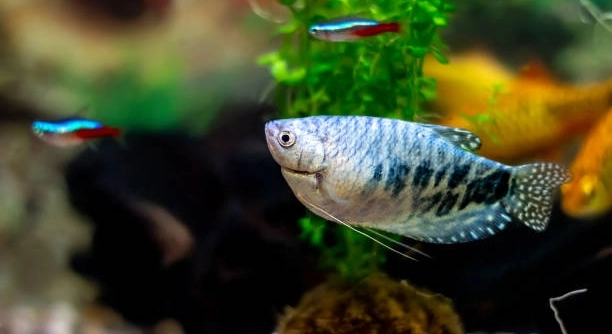
Have you ever noticed one of your gouramis acting differently after a tankmate disappears or gets moved to another aquarium?
Gouramis can notice when a tankmate is missing, especially if they have shared a space for an extended period. Their behavior may change subtly, showing signs of stress, searching, or reduced activity depending on their social bond.
These reactions may not always be obvious, but they can offer insight into how gouramis respond to changes in their environment.
Recognizing Behavior Changes in Gouramis
Gouramis are sensitive to their surroundings, including the presence of other fish in their tank. When a tankmate disappears, a gourami may act differently. You might see them searching the tank more, hiding more often, or even showing less interest in food. These signs can be easy to miss unless you’re familiar with your fish’s normal behavior. While not all gouramis will react the same way, those that formed strong social bonds are more likely to show a noticeable shift. These behavioral changes can be short-lived or continue over several days, depending on how close the bond was. Stress from environmental changes, including missing tankmates, can also make gouramis more prone to illness. That’s why it’s important to observe them closely during these periods and maintain a consistent tank routine to reduce disruption. Small changes in lighting, feeding, or activity levels can also affect how well they adjust to the absence.
Behavioral shifts vary, but social gouramis often react more noticeably than solitary ones.
Gouramis may not have complex emotions, but they can still sense loss in their own way. Giving them a calm, clean space and stable tankmates can help them stay relaxed. Watching for subtle shifts helps catch problems early.
How Social Are Gouramis?
Gouramis are considered semi-social and often develop a loose sense of territory and companionship, especially with similar-sized or non-aggressive fish.
They are not schooling fish, but many species of gouramis prefer to live in peaceful community settings. When housed with compatible tankmates, they tend to interact through subtle body movements, gentle chasing, or synchronized swimming. While they don’t rely on tankmates to survive, their behavior can become dull or withdrawn without stimulation. In a stable tank, gouramis become familiar with the presence and routine of their neighbors. When that routine is disrupted—especially by the removal of a tankmate—they may react with restlessness or confusion. These reactions aren’t driven by emotion the way humans experience it, but rather by environmental shifts they’re trying to interpret. If a previously active gourami begins staying near one spot, pacing, or avoiding food, this might signal they’ve noticed a change. Choosing the right companions from the beginning reduces these effects and supports a healthier, more balanced tank.
Signs Your Gourami Notices a Missing Tankmate
Some gouramis may become less active, hide more often, or swim around the area where the missing fish used to be. These behaviors can last for several days, especially if the gourami was used to that tankmate’s presence.
When a gourami notices a tankmate is no longer around, it may change its swimming patterns. You might see it hovering near corners or decorations that were previously shared spots. Some fish even slow their eating or show subtle stress behaviors like duller coloring or flaring gills. These responses are signs of adjustment rather than emotional attachment. A consistent tank routine and environment can help reduce these effects. If the changes last longer than a few days, checking water quality and overall health is important to rule out illness or stress from other causes. Observing closely during this time helps prevent larger issues from developing in the tank.
Even if the gourami wasn’t bonded closely with the missing fish, it may still react to the change in routine or space dynamics. Removing a tankmate shifts how the fish move, interact, and establish their territory. Smaller changes in lighting, layout, or feeding schedules during this time can make adjustment easier. These gentle shifts help support calm behavior and reduce stress.
Helping Your Gourami Adjust
Maintaining a consistent environment is key. Avoid making other changes to the tank, like redecorating or adding new fish, for at least a week. This gives the gourami time to adjust without added pressure.
Stable lighting, feeding times, and clean water can help your gourami feel secure after a tankmate is removed. You might also add new plants or soft hiding spots to offer extra comfort and reduce pacing. Avoid loud noises or sudden activity around the tank. If the gourami seems very withdrawn, consider placing a mirror outside the tank for short periods. This can offer mild stimulation without adding another fish. However, use this method briefly, as overuse may cause stress. Some keepers also play soft bubbling sounds or add small toys designed for aquarium use. Keep watch for any changes in appetite or appearance and continue observing quietly for several days. Patience and steady care usually help most gouramis settle again.
When Reactions Might Signal a Bigger Problem
If your gourami shows signs of stress like clamped fins, cloudy eyes, or refusing food, it may be more than just reacting to a missing tankmate. These symptoms can point to health issues or water quality problems.
Monitor ammonia, nitrite, and nitrate levels closely during this time. Even minor spikes can worsen stress and make the fish more vulnerable to illness. A missing tankmate may have disrupted the tank’s balance slightly, so double-check all parameters and adjust slowly if needed.
Choosing Compatible Tankmates Matters
Choosing peaceful, similar-sized tankmates makes a difference in how comfortable your gourami feels. Avoid aggressive fish or overly active species that can create tension in the tank. When a good balance is in place, gouramis tend to settle more easily, even if one fish is removed. Watching interactions during the first few days helps you spot signs of stress early. Introducing calm fish with gentle behavior helps maintain a low-stress environment. Always quarantine new fish first, and avoid overcrowding to reduce future disruptions. A calm tank means fewer behavioral changes when routines shift, helping your gourami feel more at ease overall.
Preventing Future Stress
Use routine maintenance, stable water conditions, and compatible tankmates to keep your gourami calm. This helps them adjust better if a tankmate needs to be removed again.
Do gouramis remember missing tankmates?
Gouramis do not have memory like mammals, but they recognize their environment and routines. When a tankmate disappears, gouramis may notice the change in their surroundings. Their reaction is more about adjusting to a new situation than recalling the missing fish. If they shared space or resources, the absence creates a difference in movement or territory, which they sense. This change can lead to altered behavior until the tank settles back into balance.
How long does it take for a gourami to adjust after a tankmate is removed?
Adjustment time varies based on the fish’s temperament and how close the bond was. Some gouramis may settle within a few days, while others take a week or more. Providing a stable environment with consistent feeding, lighting, and minimal disturbances helps speed up this process. Stress signs like hiding or pacing usually decrease as the gourami becomes accustomed to the new tank dynamics.
Can gouramis get lonely?
Gouramis are semi-social but not true schooling fish. They enjoy having other fish around for interaction but do not rely on companionship like schooling species do. While they might notice when a tankmate is gone, this does not mean they experience loneliness as humans understand it. Changes in behavior are more linked to altered tank conditions and routine disruptions than emotional loneliness.
What should I do if my gourami is stressed after a tankmate leaves?
Keep the tank environment stable. Avoid making additional changes like redecorating or adding new fish immediately. Maintain clean water, stable temperature, and regular feeding. Providing extra hiding places or plants can help your gourami feel secure. If stress signs continue, check water parameters carefully and consider a partial water change. Monitor for illness and adjust care as needed. Patience and consistency are key to helping your fish recover.
Is it better to keep gouramis in groups or alone?
Many gourami species do well in small, peaceful groups when the tank is large enough. Group living helps provide stimulation and reduces boredom. However, overcrowding or mixing aggressive species can increase stress and conflicts. For beginner keepers or smaller tanks, keeping one gourami alone often works better. Choosing compatible tankmates ensures the gourami stays calm and healthy.
Do gouramis form bonds with specific tankmates?
Gouramis do not form strong social bonds like some other fish species, but they can become accustomed to certain neighbors. They may swim near or follow familiar fish and recognize established tankmates. These interactions are based on territory and routine rather than emotional attachment. Removing a familiar fish can disrupt their normal behavior, but this reaction fades as they adjust.
Can I introduce a new tankmate to help my gourami cope?
Introducing a new fish too soon after a tankmate leaves can increase stress. It is better to wait at least a week to let your gourami settle. When adding new fish, choose peaceful, compatible species and introduce them slowly. New tankmates should not be aggressive or overly active, as this can cause tension. Proper quarantine before introduction also prevents disease risks.
What signs show my gourami is adapting well?
Signs of good adaptation include returning to normal swimming patterns, regular eating habits, and active exploration of the tank. The fish will spend less time hiding or pacing in one spot. Coloration usually improves, and stress indicators like flared gills or clamped fins reduce. A calm gourami is a good sign that the tank environment feels stable again.
How important is tank size for gourami social behavior?
Tank size plays a major role in reducing stress and allowing gouramis to establish territories peacefully. Larger tanks give fish space to avoid each other and reduce competition. Small tanks can increase tension, especially if the fish are kept in groups or with incompatible species. A well-sized tank supports healthier social interactions and helps gouramis cope with changes like missing tankmates.
Can changes in water quality affect how gouramis react to missing tankmates?
Yes. Poor water quality adds stress, making gouramis more sensitive to any changes in the tank, including a missing fish. Even small fluctuations in ammonia, nitrites, or pH can worsen their condition. Keeping water parameters stable supports their overall health and helps reduce stress reactions during changes. Regular testing and maintenance are essential.
Gouramis can notice when a tankmate is missing, but their reaction is mostly about adjusting to changes in their environment rather than emotional attachment. These fish rely on familiar surroundings and routines for comfort. When one fish is removed, the tank’s social balance shifts, and gouramis may change their behavior until they get used to the new situation. This adjustment period varies depending on the individual fish and the tank setup. Some gouramis may quickly return to normal, while others may show signs of stress for a longer time. Providing a stable, calm environment helps them adapt more easily.
Maintaining consistent water quality, stable lighting, and a regular feeding schedule is important after a tankmate is removed. Stress can weaken a gourami’s immune system, making it more vulnerable to illness. Adding extra plants or hiding spots can offer security during the transition. It is best to avoid sudden changes such as redecorating or introducing new fish immediately, as these can add more stress. Observing the gourami closely for any signs of illness or continued stress allows for timely intervention if needed. Over time, most gouramis settle back into their routine once the tank environment is steady again.
Choosing compatible tankmates and providing enough space is key to preventing stress and helping gouramis feel secure. Gouramis generally do well with peaceful species of similar size, but overcrowding or aggressive neighbors can cause problems. If a tankmate must be removed, managing the change carefully reduces disruption. This includes maintaining stable water conditions and minimizing additional changes in the tank. Understanding how gouramis respond to missing tankmates allows owners to better support their fish’s wellbeing and create a peaceful aquatic environment. A calm and balanced tank helps gouramis thrive over the long term.

Hello,
If you enjoy the content that we create, please consider saying a "Thank You!" by leaving a tip.
Every little bit helps us continue crafting quality advice that supports the health, happiness, and well-being of pets around the world, for pets of all shapes, sizes, and species.
We really appreciate the kindness and support that you show us!