
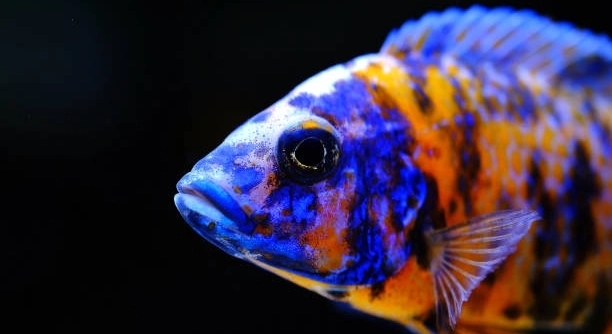
Do your cichlids often seem restless, flipping rocks around their tank without pause? Observing this behavior can be surprising, especially when you are unsure whether it is normal or a sign of something concerning.
Cichlids flip rocks primarily to establish territory, search for food, and create breeding sites. This natural behavior helps them feel secure and maintain dominance in their environment, ensuring proper habitat structure and promoting healthy social interactions within the tank.
Watching them rearrange their surroundings may seem simple, but it reveals important insights about their instincts and tank dynamics. Understanding these habits can improve care and create a more balanced aquarium.
Reasons Cichlids Flip Rocks
I first noticed my cichlids flipping rocks when setting up their tank, and it quickly became clear that this is more than just play. Many cichlids move rocks to claim territory. This behavior can help reduce stress and avoid conflicts with tank mates. They also use flipped rocks to search for food hidden underneath. Sometimes, rocks are moved to create a safe breeding area. Watching them, you realize each movement has purpose. Tank layout, size, and the type of rocks can influence how often this happens. Softer or lighter rocks are easier for them to move, while heavier ones may remain mostly untouched. Even a change in water flow or lighting can make them more active. Understanding why they flip rocks can make keeping them less stressful. It also helps ensure they are thriving, not just restless.
Cichlids flipping rocks is normal and generally harmless behavior that reflects their natural instincts.
Providing stable structures, proper food placement, and observing interactions can reduce tank stress and maintain a healthier environment for your cichlids.
Preventing Damage in the Tank
Rock flipping can sometimes damage the tank or decorations if left unchecked.
Choosing heavier rocks, arranging hiding spots, and using secure substrate can prevent accidents. Observing which fish are most active helps anticipate potential problems.
I learned the hard way that loose rocks can scratch the glass or trap small fish. Using flat, stable rocks and anchoring larger stones with aquarium-safe glue made a big difference. Rearranging the tank to create designated digging zones also helped reduce chaos. Even adding extra hiding spots for shy cichlids lowered aggressive flipping. Regular maintenance, like checking for loose rocks and broken decorations, keeps the tank safe. Watching them move rocks is fascinating, but preparation ensures the tank stays intact and fish stay safe. With a little planning, you can allow natural behaviors while keeping the aquarium clean and secure. It takes time, but the balance between natural instincts and a safe environment makes it rewarding to watch your cichlids thrive.
How Tank Setup Affects Rock Flipping
Tank size and layout play a big role in rock flipping. Crowded tanks or poorly arranged decorations make cichlids move rocks more often. Proper spacing and stable structures can reduce this behavior and keep the aquarium safer for both fish and decorations.
I noticed that when my tank was smaller, the cichlids constantly moved everything around. Adding taller rocks and creating open areas reduced stress and gave them enough territory to claim. Substrate type also matters—sand is easier for them to dig and flip compared to gravel. Rocks placed near filtration or corners where they feel trapped encourage more flipping. Observing how they interact with each section of the tank helped me rearrange it effectively. Even simple adjustments, like adding hiding spots or flat surfaces, made the tank feel more secure for them. Over time, this minimized unnecessary rock flipping and improved social harmony.
Lighting and water flow also influence activity. Strong currents make rocks harder to move, while dim lighting encourages more flipping and exploration. Fish may feel less exposed and rearrange surroundings to feel safe. Choosing moderate lighting and balanced flow helps create a calmer environment. Rock shapes matter too—flat or stackable rocks are easier to move, while rounded rocks stay in place. Watching their behavior after each change helped me predict which areas were most active. Understanding these subtle factors ensures the tank is both safe and stimulating.
Feeding and Behavior Patterns
Cichlids often flip rocks when searching for hidden food or leftovers. They are naturally curious and use this method to explore the environment.
Feeding patterns affect how often they move rocks. Frequent small feedings reduce frantic flipping, while irregular feeding makes them dig more aggressively. I switched to a consistent feeding schedule with a mix of flakes and sinking pellets. Hiding a few pellets under rocks sometimes increases activity, but predictable feeding keeps their energy balanced. Observing when they are most active during the day also helped me plan feeding times better. Feeding in one area prevents them from disturbing all decorations at once. Over time, this reduces stress on both fish and tank.
Diet quality also influences energy and activity levels. Protein-rich food can make cichlids more energetic, increasing rock flipping, while a balanced diet keeps them calmer. Including vegetables or occasional frozen treats adds variety without overstimulating digging behavior. I noticed that adjusting food type and amount directly affected how much they flipped rocks daily. Understanding this connection between feeding and natural behavior allows better management of tank activity. Combining proper diet, feeding schedule, and safe rock arrangements creates a healthier environment and reduces destructive tendencies while still letting cichlids act naturally.
Breeding Behavior
Cichlids flip rocks to prepare nesting sites or protect eggs. This instinct is strongest during breeding periods. Providing flat rocks and safe hiding areas encourages natural behaviors without harming the tank.
Mouthbrooders and substrate spawners use rock flipping differently. Some dig pits, while others move rocks to create barriers. Observing these patterns helps identify which species require specific setups for reproduction and ensures eggs or fry remain safe.
Choosing the Right Rocks
Selecting rocks that are heavy, flat, and stable prevents unnecessary tank damage. Avoid sharp edges that could injure fish or scratch glass.
Proper rock placement also creates territories and hiding spots. I arrange rocks to leave open swimming areas while allowing secure corners for shy cichlids. Balanced placement reduces conflict and encourages natural behaviors without constant rearrangement.
Monitoring Aggression
Flipping rocks can sometimes signal territorial disputes. Keeping an eye on interactions helps prevent fights from escalating.
Aggressive fish often flip more rocks, marking dominance over the tank. I watch for repeated flipping in certain areas, then adjust rock placement or add hiding spaces. This keeps all cichlids safer and reduces stress.
FAQ
Why do my cichlids flip rocks all the time?
Cichlids flip rocks as part of their natural behavior. It helps them establish territory, search for food, and create safe areas for breeding. The activity is most common when the tank is crowded, the substrate is soft, or rocks are light and easy to move. Watching them carefully helps you see patterns and identify when behavior is normal or excessive.
Is rock flipping harmful to my fish?
Most of the time, rock flipping is harmless. Injuries are rare if the rocks are stable and smooth. Sharp or unstable rocks can cause cuts or trap smaller fish, so proper rock selection and placement are key. Heavy, flat rocks reduce risk and provide secure hiding spots.
How can I prevent my cichlids from flipping rocks constantly?
You can minimize excessive flipping by rearranging the tank for stability. Use heavier rocks, create flat surfaces, and anchor larger stones if needed. Adding hiding spaces or extra decorations gives shy fish places to retreat. Consistent feeding schedules also reduce frantic digging.
Does tank size affect rock flipping behavior?
Yes, smaller tanks usually increase rock flipping. Limited space forces fish to compete for territory and rearrange decorations more often. A larger tank with open swimming areas and multiple hiding spots allows each fish to establish a safe zone, reducing excessive flipping.
Do different cichlid species flip rocks differently?
Yes, behavior varies by species. Substrate spawners dig pits or move rocks to make breeding areas. Mouthbrooders may flip rocks to mark territory or uncover food. Observing the specific species helps you provide a suitable tank setup for their natural habits.
Can diet influence how often cichlids flip rocks?
Diet impacts activity levels. High-protein foods can make fish more energetic, increasing rock flipping. A balanced diet with vegetables or occasional frozen foods keeps them active without overstimulating digging behavior. Feeding in one area also prevents widespread rock disruption.
Should I be worried if my cichlids flip rocks near eggs or fry?
Some rock flipping around eggs is normal. Parents often move rocks to protect nests or redirect attention away from potential threats. Ensure hiding spots and flat surfaces are available to prevent eggs from being crushed and give fry safe zones.
Will adding more decorations reduce rock flipping?
Extra decorations help by giving fish alternative areas to explore. Flat rocks, caves, and plants provide territories and reduce stress. Avoid overcrowding, which can backfire and increase flipping due to limited space. Balanced placement is crucial.
Does water flow or lighting affect this behavior?
Yes, strong water flow makes rocks harder to move, while dim lighting encourages activity. Moderate lighting and balanced flow create a calmer environment. Fish feel safer, reducing excessive flipping while still allowing natural behaviors.
How do I know if flipping rocks is a sign of stress or aggression?
Monitor patterns carefully. Constant flipping in one area or repeated aggression toward tank mates can indicate stress. Adding hiding spaces, adjusting rock layout, or rearranging territories helps calm the fish. Normal flipping is purposeful and spread out, not destructive or obsessive.
Can rock flipping damage my aquarium?
It can if rocks are unstable or glass is exposed. Using heavier stones, flat surfaces, and secure placement prevents scratches or trapped fish. Anchoring key rocks and leaving open swimming areas reduces accidents while letting fish express natural behavior.
Is rock flipping a sign my cichlids are healthy?
Yes, moderate flipping usually indicates active, engaged fish. They are exploring, claiming territory, and behaving naturally. Sudden changes in activity, like stopping completely or flipping obsessively, may signal stress, illness, or tank imbalance.
Can I train cichlids to flip rocks less?
Not directly, but you can influence behavior. Adjusting tank layout, providing stable rocks, controlling diet, and offering multiple hiding spots encourages calmer habits. Observation and incremental changes work better than trying to stop instinctive behavior completely.
How often should I rearrange the tank to manage rock flipping?
Frequent changes can stress fish. Adjust only when necessary, like after noticing constant conflict or unsafe areas. Small tweaks, like adding rocks or adjusting hiding spots, are more effective than a full rearrangement.
Do cichlids flip rocks at all ages?
Yes, juveniles explore and establish territory early, while adults flip rocks for breeding and dominance. The intensity may vary, but rock flipping remains part of natural behavior throughout life stages.
Can other fish in the tank affect rock flipping?
Yes, tank mates can increase flipping if they compete for territory or food. Aggressive or active species may trigger more movement. Observing interactions and providing separate zones helps manage this behavior.
How do I keep my tank safe while allowing natural rock flipping?
Use flat, stable rocks, anchor heavier stones, and leave open swimming spaces. Create hiding spots for shy fish and observe behavior regularly. Balanced feeding, proper diet, and minimal disturbances allow natural activity without compromising safety.
Does substrate type matter for rock flipping?
Absolutely. Soft sand is easier for digging and flipping, while gravel is harder to move. Observing which areas are most active can guide where to place heavier rocks or create designated digging zones.
Can seasonal changes or water temperature affect flipping behavior?
Yes, higher temperatures can increase activity, while cooler temperatures may reduce it. Seasonal changes in lighting or feeding routines can also affect energy levels, influencing how often cichlids move rocks.
Is rock flipping related to social hierarchy?
Yes, flipping often establishes dominance. Fish may move rocks to mark territory or intimidate others. Recognizing patterns of repeated flipping in one fish helps identify leaders and manage aggressive interactions.
What should I do if flipping becomes destructive?
Rearrange rocks, anchor heavy stones, add hiding places, and ensure feeding is consistent. Observing behavior and adjusting the environment gradually prevents damage while respecting natural instincts.
Can plants help reduce rock flipping?
Yes, live or artificial plants provide cover and alternative exploration areas. They create safe zones and reduce stress, which can minimize unnecessary flipping without restricting natural behavior.
How do I balance natural behavior with tank safety?
Careful rock selection, strategic placement, proper feeding, and observation allow natural behaviors while protecting fish and decorations. Adjustments should be incremental, keeping safety and activity in balance.
What tools or techniques help manage rock flipping?
Using aquarium-safe glue for anchoring, creating flat rock platforms, and arranging multiple hiding spots works well. Observation, moderate lighting, and balanced water flow also support calmer behavior while maintaining natural instincts.
Can flipping rocks affect water quality?
Yes, frequent digging can stir substrate and release debris. Regular maintenance, water changes, and proper filtration keep the tank clean without discouraging natural activity.
Is it okay to leave rocks flipped, or should I reset them?
Flipped rocks can be left if stable, but unstable arrangements should be corrected. Monitoring interactions and adjusting only when necessary keeps the tank safe and reduces stress.
Do cichlids flip rocks differently in community tanks?
Yes, behavior may change depending on species and tank mates. Some fish become more territorial, while others are cautious. Observing interactions helps arrange safe territories and reduces conflict.
How long does it take for cichlids to settle after rearranging rocks?
It can take days to weeks. Fish explore and establish new territories gradually. Providing stable rocks, hiding spots, and a consistent routine accelerates adjustment while minimizing stress.
Can frequent flipping indicate boredom?
Sometimes. Lack of stimulation or insufficient hiding areas may increase activity. Adding decorations, plants, or varied food placement engages cichlids while allowing natural behavior.
How do I prevent injuries during rock flipping?
Choose heavy, flat rocks with smooth edges, secure them, and leave open swimming areas. Observe interactions and adjust layout if certain areas become hazardous.
Does tank temperature influence rock flipping frequency?
Yes, warmer water increases metabolism and activity, often resulting in more flipping. Cooler water slows movement. Maintaining consistent temperature helps regulate activity levels naturally.
Can rock flipping help identify fish personalities?
Yes, active rock movers are often dominant or curious. Shy fish flip less or use alternative spaces. Observing behavior can guide tank arrangement and feeding strategies.
Is it normal for flipping to peak during breeding season?
Absolutely. Preparing nests, defending territory, and uncovering eggs increase rock flipping during breeding. Providing flat rocks and safe hiding spots supports this behavior safely.
How do I protect small or juvenile fish from aggressive flippers?
Add hiding spaces, caves, and plants. Arrange rocks to prevent trapping areas. Observing interactions ensures smaller fish remain safe while allowing natural exploration and territory establishment.
Can excessive flipping indicate illness?
Rarely, but sudden changes in behavior may signal stress, parasites, or poor water quality. Monitor health, water parameters, and tank conditions if flipping becomes abnormal.
Do cichlids ever flip rocks for fun?
It’s instinctive, not recreational. They move rocks to secure territory, access food, or prepare breeding sites. While it may look playful, each movement has purpose in their natural behavior.
How often should I check rock stability?
Regularly, especially after noticing flipping in high-traffic areas. Heavy rocks should remain stable, and loose stones should be anchored to prevent injuries or damage.
Does tank population density matter?
Yes, crowded tanks increase competition, stress, and rock flipping. Spacing fish appropriately and providing multiple territories reduces aggressive flipping and promotes calmer behavior.
Can lighting schedules impact flipping?
Yes, natural light cycles or consistent artificial lighting help regulate activity. Abrupt changes or overly bright lights may stress fish, causing more flipping or hiding behavior.
What are safe ways to anchor rocks?
Aquarium-safe glue or silicone is effective. Placing heavier stones on flat surfaces and stacking carefully prevents movement. Avoiding sharp edges reduces injury risk for fish.
Can rock flipping affect plant growth?
Yes, digging can uproot plants. Secure plant roots with substrate or decorative anchors. Hardy plants or artificial ones reduce disruption while allowing natural flipping.
How do I encourage natural behavior without excessive flipping?
Provide stable rocks, multiple hiding spots, consistent feeding, moderate lighting, and balanced water flow. Observation and gradual adjustments maintain activity while reducing destructive tendencies.
Are certain rock types better than others?
Flat, dense stones are best. Avoid soft, crumbly, or sharp rocks that may break, injure fish, or damage glass. Natural stone is preferred, but ensure it doesn’t alter water chemistry.
Can rock flipping interfere with filtration?
Yes, flipping can dislodge debris and clog filters. Regular maintenance and careful placement of rocks near intakes prevent blockages while allowing natural behaviors.
Does flipping help with exercise and mental stimulation?
Yes, it provides physical activity and mental engagement. Moving rocks, digging, and exploring territories mimic natural behaviors, keeping cichlids healthy and active.
Can changing water parameters reduce flipping?
Indirectly. Stable temperature, pH, and flow reduce stress, which lowers excessive flipping. Sudden changes can increase activity or aggressive behavior.
Should I remove rocks that are constantly flipped?
Not necessarily. Observing which rocks are moved most helps guide placement or replacement with heavier, stable stones. Removing everything can disrupt natural behavior.
How do I balance multiple species with different flipping habits?
Observe each species, provide sufficient hiding spots, and place heavier rocks in high-traffic areas. Separate territories help reduce conflicts and maintain safety while allowing instinctive behavior.
Can flipping indicate feeding issues?
Yes, frantic flipping near rocks can indicate hunger or food scarcity. Regular feeding, proper diet, and hidden treats reduce unnecessary digging.
Is it okay to let cichlids flip rocks near decorations?
Yes, as long as rocks are stable and decorations are secure. Avoid fragile items or sharp edges to prevent injury. Observation helps maintain balance.
Do juvenile cichlids flip rocks the same way as adults?
Not exactly. Juveniles explore and establish territory but are less forceful. Adults flip for dominance, breeding, or food access. Knowing their age helps manage tank layout.
Can flipping rocks help reduce aggression?
Providing designated flipping zones and multiple territories can redirect aggressive energy and reduce conflicts. Observing fish and adjusting the tank accordingly is essential.
How often should I monitor rock flipping behavior?
Daily observation during feeding or peak activity times is ideal. It helps identify stress, aggression, or potential hazards early, allowing timely adjustments.
Is flipping rocks a permanent behavior?
Yes, it is instinctive. While frequency can vary with age, tank conditions, and diet, cichlids will always flip rocks as part of natural behavior.
Does flipping rocks affect water clarity?
Yes, digging can stir up sediment, especially in sand substrates. Regular cleaning, water changes, and gentle filtration maintain clarity without restricting natural behavior.
Can rock flipping damage eggs or fry accidentally?
Yes, if rocks are unstable or placed improperly. Providing flat surfaces, safe hiding spots, and observing behavior reduces risk while allowing natural nesting activities.
How do I know when flipping is excessive?
If rocks are constantly being moved, aggression increases, or decorations are damaged, flipping may be excessive. Observation and adjustments help restore balance in the tank.
Are there signs that flipping is caused by stress?
Yes, frantic or obsessive movement, hiding, loss of appetite, or aggression can indicate stress. Check water quality, tank population, and diet to address the problem.
Can flipping behavior change with new tank mates?
Yes, introducing new fish can increase territory disputes, causing more flipping. Gradual introduction and sufficient hiding spots help reduce stress and maintain balance.
Is it normal for cichlids to flip rocks at night?
Some activity may occur at night, especially with dim lighting or moonlight simulation. Most flipping happens during active daytime periods, but occasional nocturnal movement is normal.
How do I provide safe digging areas?
Designate zones with heavier rocks, flat surfaces, and soft substrate. This allows natural behavior while protecting plants, decorations, and fragile rocks.
Can flipping rocks help with tank enrichment?
Yes, it keeps fish engaged and reduces boredom. Providing varied terrain and safe structures supports natural instincts and promotes healthy activity.
Does flipping rocks indicate dominance hierarchy?
Yes, dominant fish flip more to mark territory or assert control. Recognizing patterns helps manage aggressive interactions and ensure all fish have safe zones.
How do I prevent flipping from stressing other fish?
Provide multiple territories, stable rocks, and hiding spots. Observe interactions and adjust layout to reduce conflict and stress.
Can flipped rocks harm filtration equipment?
Potentially. Rocks near intakes can dislodge debris or block filters. Secure placement and regular checks prevent damage while allowing natural behavior.
Is it okay to move rocks back after flipping?
Yes, if rocks are unstable or dangerous. However, frequent interference may stress fish. Make minimal adjustments only when necessary for safety.
Does rock size influence flipping behavior?
Yes, lighter rocks are easier to move, increasing activity. Heavier rocks reduce excessive flipping while still allowing exploration and natural behaviors.
Can flipping rocks help with breeding success?
Yes, preparing nests and defending territory improves breeding outcomes. Flat rocks and safe hiding spots support reproductive behaviors while protecting eggs and fry.
How do I manage flipping in community tanks?
Observe species-specific behavior, provide adequate space, and create multiple territories. Stable rocks and hiding areas reduce conflict and allow natural activity without harming tank mates.
Is it normal for flipping to peak during feeding?
Yes, food motivates digging and exploration. Observing feeding patterns and providing food in specific zones can minimize widespread disruption while keeping fish engaged.
Does flipping rocks affect plant placement?
Yes, uprooting plants can happen. Secure roots, use hardy species, or artificial plants in high-traffic areas to prevent damage while maintaining natural behavior.
Can flipping behavior be redirected?
Yes, by providing designated digging zones, additional hiding spots, and stable structures. Gradual adjustments help manage activity without suppressing instincts.
Do cichlids flip rocks for exercise?
Yes, flipping provides physical activity and mental stimulation. It mimics natural behaviors, keeping fish healthy and active while exploring their territory.
How do I balance safety and natural behavior?
Choose stable rocks, anchor heavy stones, leave swimming areas open, provide hiding spots, and observe interactions. Incremental adjustments maintain safety and allow instinctive behavior.
Can flipping rocks be part of enrichment?
Yes, it encourages exploration, exercise, and territory management. Providing safe structures and varied terrain supports natural instincts while preventing stress.
How often should I check for injuries from rock flipping?
Regularly during daily observation. Look for cuts, trapped fins, or bruises. Adjust rock placement or secure stones to prevent injuries.
Is rock flipping always related to food or breeding?
Mostly, but it also establishes territory and reduces stress. Each movement has purpose, whether searching for food, creating nests, or exploring surroundings.
Can flipping rocks indicate water quality issues?
Indirectly. Stress from poor water quality may increase frantic flipping. Maintaining proper parameters reduces excessive activity and supports healthy behavior.
How do I provide variety without encouraging destructive flipping?
Offer stable rocks, caves, plants, and designated digging zones. Incremental changes engage fish without risking damage or stress. Observation helps guide adjustments.
Does tank depth affect rock flipping?
Yes, shallower tanks encourage more activity as fish feel exposed. Deeper tanks allow hiding and calmer behavior. Adjusting decorations and layout can reduce stress.
Can flipping rocks help identify active and passive fish?
Yes, dominant or curious fish flip more, while shy fish flip less or explore safer zones. This insight guides tank arrangement and territory management.
Is it normal for older cichlids to flip rocks less?
Yes, activity may decrease with age. Adults still flip for territory and breeding, but juveniles are generally more active and exploratory.
Can flipping rocks be encouraged for enrichment?
Yes, by providing flat rocks, soft substrate, and multiple territories. Safe flipping zones allow engagement while reducing conflict and stress.
Does flipping rocks stress other tank inhabitants?
It can if territories overlap or hiding spots are limited. Providing ample spaces and observing interactions reduces stress for all fish.
Are certain times of day better for monitoring flipping behavior?
Morning and evening feeding times show peak activity. Observing during these periods helps track natural behavior and identify excessive flipping or aggression.
Can flipping rocks indicate social changes in the tank?
Yes, new fish, breeding activity, or territory disputes may increase flipping. Observing patterns helps manage social hierarchy and reduce stress.
How do I manage multiple species with different flipping habits?
Provide sufficient hiding spots, stable rocks, and separate territories. Observation and careful layout adjustments maintain safety while allowing instinctive behavior.
Does substrate type affect flipping intensity?
Yes, sand encourages digging and movement, while gravel is harder to flip. Adjust substrate and rock placement to balance activity
Cichlids flipping rocks is a natural behavior that reflects their instincts and needs. From establishing territory to searching for food and preparing breeding areas, each movement serves a purpose. Observing this behavior closely helps understand your fish better and ensures their tank environment supports their health. When rocks are moved, it is not a sign of misbehavior or restlessness—it is simply how cichlids interact with their surroundings. Over time, I realized that providing stable rocks, proper substrate, and sufficient space allows them to act naturally while keeping the tank safe. Even small changes, like adding flat surfaces or extra hiding spots, made a noticeable difference in reducing unnecessary flipping while still allowing their instincts to be expressed.
Maintaining the right tank conditions is key to balancing natural behavior and safety. Tank size, layout, water flow, and lighting all influence how often and how aggressively cichlids flip rocks. Smaller tanks or crowded spaces tend to increase rock movement, while properly arranged territories reduce stress and conflict. Diet and feeding routines also play an important role. A balanced diet, consistent feeding schedule, and occasional treats under rocks can help manage activity without overstimulating them. Watching which areas of the tank are most active guides how rocks and decorations should be arranged. Anchoring heavier rocks, leaving open swimming spaces, and creating safe corners for shy fish ensures that all tank inhabitants remain protected. It is important to observe daily, adjust gradually, and keep interventions minimal to avoid stressing the fish while still promoting a secure and enriched environment.
Understanding rock flipping helps with overall tank management and fish care. It can indicate health, energy levels, social hierarchy, and breeding activity, giving insight into your cichlids’ well-being. While flipping can sometimes appear destructive, careful planning of rock placement, hiding spots, and feeding zones reduces accidents and keeps interactions safe. Over time, I found that letting them engage in natural behaviors while providing structure made the tank calmer and more predictable. This balance benefits both the fish and the overall environment, creating a habitat that meets their needs. By observing, adjusting, and learning from their behavior, rock flipping becomes less of a challenge and more a window into the life and instincts of cichlids.

Hello,
If you enjoy the content that we create, please consider saying a "Thank You!" by leaving a tip.
Every little bit helps us continue crafting quality advice that supports the health, happiness, and well-being of pets around the world, for pets of all shapes, sizes, and species.
We really appreciate the kindness and support that you show us!