
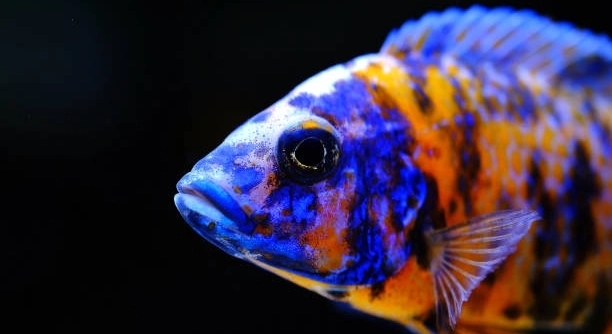
Cichlids are known for their bright and changing colors, which often catch the eye of fish enthusiasts. Observing these shifts can be both fascinating and a little puzzling for owners trying to understand their pet.
A cichlid’s color change usually reflects its mood, health, or environment. Stress, illness, breeding behavior, and water conditions all influence pigmentation, making color shifts a reliable indicator of the fish’s overall well-being and current physiological state.
Monitoring these changes closely can help maintain your cichlid’s health and improve your ability to provide the best care possible.
Understanding Stress-Related Color Changes
When a cichlid experiences stress, its colors often fade or darken. Stress can result from overcrowding, aggressive tank mates, sudden water changes, or poor water quality. Observing these shifts early helps prevent serious health issues. Stress affects their immune system, making them more prone to infections or disease. Subtle changes, like duller fins or slightly muted body colors, are often the first signs. Sometimes, a fish may develop spots or unusual markings when stressed. Proper tank maintenance and monitoring behavior can reduce stress levels. Providing hiding spots and ensuring compatible tank mates can also help maintain vibrant colors. A cichlid’s reaction to stress varies between species, so knowing your fish is key. Consistent feeding schedules and stable water parameters are critical for reducing environmental stressors. Stress-related color changes are temporary, but prolonged stress can lead to lasting health problems. Taking proactive measures ensures your cichlid maintains both its health and visual appeal.
Stress can often be minimized by adjusting water parameters, diet, or tank setup quickly. Small changes have a big impact.
Watching your cichlid carefully allows you to notice subtle signs of stress. By keeping the tank stable and providing the right environment, you can help your fish regain its bright coloration. Even minor improvements in habitat can make a difference. Over time, consistent care ensures your cichlid stays healthy and displays its natural colors fully. Paying attention to how fish respond to tank mates and feeding routines gives insight into their comfort levels. Adjusting lighting or rearranging decorations can also reduce stress and encourage more natural behaviors. Each cichlid species responds differently, so tailoring care is important. Observing body language alongside color shifts gives a fuller picture of their well-being.
Breeding and Mood-Related Color Shifts
Breeding cichlids often show more vivid colors. Male fish may darken or intensify patterns to attract females or signal dominance.
During breeding, color shifts are part of natural communication. Males display brighter patterns to indicate readiness, while females may change subtly in response. Aggressive behaviors or territorial displays often coincide with these changes. Observing these shifts helps predict spawning periods and social interactions. Some species show specific fin or body color changes only during mating rituals, which are temporary and harmless. Providing sufficient space and hiding areas supports natural behavior and reduces conflict. Proper nutrition during this time ensures colors remain vibrant and healthy. Recognizing breeding-related color changes can prevent unnecessary worry about health problems. These changes are indicators of normal reproductive cycles and should be seen as a positive sign of an active, thriving fish.
Color changes during breeding reflect natural behavior and communication, not illness. Maintaining proper care ensures healthy cycles and interactions.
Monitoring your cichlid during breeding reveals how environment and interactions influence their appearance. Males often exaggerate colors to display fitness, while females may adjust shades subtly to indicate readiness or mood. Color intensity can also signal territorial dominance, helping you understand the hierarchy in your tank. Water conditions and diet directly affect the brightness of breeding colors, so keeping parameters stable is essential. Observing these patterns helps identify compatible pairs and reduces stress during spawning. Over time, recognizing these natural shifts allows you to provide an environment that encourages healthy reproductive behavior and supports social balance. Paying attention to both behavior and coloration ensures your cichlids remain healthy while expressing their natural instincts, making your care more effective.
Environmental Factors Affecting Color
Water temperature, pH levels, and lighting can all influence a cichlid’s coloration. Sudden changes in these factors often cause colors to dull or shift temporarily. Maintaining a stable environment helps preserve natural vibrancy and overall health.
Even minor fluctuations in water quality can affect pigment cells in cichlids. High ammonia, nitrite, or nitrate levels often cause stress, which directly impacts coloration. Lighting also plays a role; too dim or harsh light can make colors appear washed out or unnaturally dark. A stable tank with regular monitoring allows fish to display their natural patterns consistently. Decorations, substrate, and background colors can also influence how colors appear, as fish may adjust shading to blend with their surroundings. Maintaining consistent feeding and water maintenance schedules reduces stress and supports bright coloration.
Tank size and arrangement affect both color and behavior. Overcrowding leads to constant stress and dulling of colors, while proper spacing encourages natural movement and interactions. Hiding spots and gentle water flow also help cichlids feel secure, allowing them to show their true colors. Regularly testing water and adjusting as needed ensures a stable environment that promotes vibrant, healthy fish.
Diet and Nutrition Impact
A cichlid’s diet directly influences pigmentation. Foods rich in carotenoids enhance red, orange, and yellow hues naturally.
Balanced nutrition ensures that cichlids maintain both health and vibrant coloration. Feeding a mix of high-quality flakes, pellets, and occasional live or frozen foods provides essential vitamins and minerals that support pigment development. Poor nutrition or inconsistent feeding can lead to fading colors, sluggish behavior, and weakened immune systems. Including color-enhancing ingredients like spirulina, krill, or shrimp in small amounts boosts natural pigments without relying on artificial additives. Observing changes after adjusting diet helps determine the effectiveness of nutritional improvements, allowing for fine-tuning feeding routines to maintain optimal color intensity.
Supplements and varied diets play an important role in long-term color retention. Offering occasional vegetables, like peas or spinach, adds nutrients that support overall health and digestive function. Overfeeding should be avoided, as it can cause water quality issues that indirectly dull coloration. Properly timed feedings and portion control also prevent stress and maintain energy levels. By combining balanced commercial foods with natural, color-boosting options, cichlids can display their full range of shades consistently. A healthy diet not only improves appearance but also strengthens resilience to environmental and social stressors.
Illness and Disease Indicators
Sudden color changes can signal illness in cichlids. Pale or blotchy patches often indicate bacterial, fungal, or parasitic infections. Early detection improves treatment success.
Other signs like clamped fins, lethargy, or loss of appetite usually accompany color shifts caused by disease. Quick action and proper care help prevent worsening conditions.
Social and Territorial Influence
Cichlids often change color due to social dynamics. Dominant fish may display brighter shades to assert control, while submissive ones become duller. Color shifts communicate hierarchy, helping reduce conflict and establish order in the tank.
Aging and Natural Changes
As cichlids age, their colors may naturally fade. This gradual change is normal and does not usually indicate health problems.
FAQ
Why is my cichlid suddenly turning pale?
A sudden pale color often indicates stress or poor water conditions. Check for high ammonia, nitrite, or nitrate levels, as these are common causes. Other possibilities include illness or changes in tank mates. Improving water quality, stabilizing temperature, and monitoring interactions usually restore natural colors.
Can cichlid colors change overnight?
Yes, colors can shift quickly due to stress, sudden environmental changes, or aggressive encounters. Lighting changes or a new tank setup can also temporarily alter appearance. Quick intervention and stable conditions help colors return to normal.
Do all cichlids change color for breeding?
Most species show some color changes during breeding, but the extent varies. Males often display brighter patterns to attract females, while females may have subtle shifts. Territorial displays also trigger temporary changes in both genders.
Is a dull color always a sign of illness?
Not necessarily. Dull coloration can result from stress, aging, environmental factors, or diet. Observe for other signs like clamped fins, lethargy, or lack of appetite to determine if illness is involved.
Can diet really improve my cichlid’s color?
Yes. Foods rich in carotenoids and nutrients like spirulina, shrimp, or krill enhance red, orange, and yellow shades. A balanced diet ensures health while supporting vibrant pigmentation. Avoid overfeeding, which can harm water quality and dull colors.
How long does it take for colors to return after stress?
It depends on the cause and severity. Minor stress may resolve in a few hours to days, while prolonged stress or poor conditions could take weeks. Stabilizing water parameters and minimizing disturbances speed up recovery.
Are color changes permanent in older cichlids?
Aging naturally leads to gradual fading, which is normal. Permanent dulling is also possible if health issues or chronic stress affect pigment cells. Maintaining good care slows the fading process.
Why do some cichlids show stripes or spots suddenly?
Stripes or spots can appear during social interactions, territorial disputes, or breeding. They are visual signals to communicate dominance, readiness, or stress. Ensure the tank has adequate space to prevent prolonged aggression.
Can water temperature affect coloration?
Yes. Too cold or too warm water can reduce pigment intensity. Maintaining a stable temperature suited to the species ensures colors remain bright and consistent. Sudden fluctuations are a common cause of temporary fading.
How can I tell if color changes are serious?
Monitor behavior alongside color shifts. Lethargy, loss of appetite, abnormal swimming, or clamped fins combined with dull or blotchy coloration often indicate a serious problem requiring attention. Quick action improves health outcomes.
Should I separate a cichlid showing abnormal colors?
If the color change is linked to stress, illness, or aggression from tank mates, temporary isolation can help. Ensure the quarantine tank has stable water parameters and hiding spots to reduce further stress.
Do lighting conditions change how colors appear?
Lighting influences perceived color intensity. Too dim or harsh lighting can make colors look duller. Proper aquarium lighting enhances natural pigmentation without stressing the fish. Regular cycles also support healthy behavior.
Is it normal for cichlids to change color at night?
Yes. Many cichlids darken slightly at night or when resting. This is a natural protective mechanism and usually does not indicate a problem. Observing consistent patterns helps distinguish normal changes from stress or illness.
Can I speed up color recovery?
Yes, by maintaining stable water quality, proper diet, and a stress-free environment. Avoid sudden tank changes, provide hiding spots, and monitor interactions. Supplements like spirulina or carotenoid-rich foods may support faster pigment recovery.
Do all cichlid species have the same triggers for color changes?
No. Each species has unique behaviors, breeding patterns, and social dynamics that influence color. Understanding the specific needs of your cichlid ensures accurate interpretation of any shifts and proper care adjustments.
How important is tank size for maintaining colors?
Tank size affects stress levels and social interactions. Overcrowding leads to constant stress, which dulls colors. Adequate space allows natural behavior, territorial boundaries, and healthy pigment expression. Adjust stocking levels according to species requirements.
Can diseases like parasites cause color changes?
Yes. Parasites, bacterial infections, or fungal issues often result in pale or blotchy coloration. These are usually accompanied by other symptoms such as erratic swimming, lethargy, or clamped fins. Prompt diagnosis and treatment are essential.
Do hiding spots influence coloration?
Providing caves, plants, or decorations reduces stress and allows fish to feel secure. Comfortable fish display brighter, more consistent colors, while exposed or stressed individuals often appear duller.
Is there a difference between permanent and temporary color shifts?
Temporary shifts are usually stress, environment, or breeding related and revert once conditions improve. Permanent changes result from aging, long-term stress, or severe illness, often requiring continuous monitoring and care adjustments.
Can multiple factors combine to affect color?
Yes. Stress, diet, water quality, social dynamics, and lighting can all influence coloration simultaneously. Observing patterns and adjusting multiple aspects of care ensures healthier, more vibrant fish.
How often should I monitor my cichlid’s colors?
Regular daily observation is ideal. Consistent monitoring helps detect early signs of stress, illness, or environmental issues. Noticing even small changes allows for prompt intervention before serious problems develop.
Are bright colors always a sign of health?
Not always. While vibrant colors often indicate good health, some fish may exaggerate colors during dominance displays or breeding. Observing behavior alongside coloration provides a more accurate assessment of overall well-being.
Does stress from new tank mates affect color?
Yes. Introducing new fish can cause temporary or prolonged stress, leading to dull or muted colors. Gradual introductions, proper tank size, and hiding spaces minimize this effect.
Can water chemistry adjustments improve dull colors?
Yes. Stabilizing pH, hardness, and temperature helps reduce stress and supports natural pigmentation. Abrupt changes should be avoided to prevent additional stress.
Is it normal for young cichlids to change colors frequently?
Yes. Juvenile cichlids often shift colors as they grow, establish social rank, and develop adult patterns. These changes are usually temporary and part of natural development.
How long should I wait before worrying about color changes?
Observe for a few days while checking water parameters, diet, and behavior. Persistent dulling or abnormal patterns combined with illness signs should be addressed immediately.
Can breeding pairs be affected differently than single fish?
Yes. Males and females often display distinct color shifts during spawning. Males may brighten aggressively, while females subtly change to indicate readiness. Monitoring both helps maintain healthy breeding behavior.
Do artificial color-enhancing foods work?
They can boost vibrancy temporarily, but long-term health depends on a balanced diet and stable environment. Overuse may cause digestive issues or water quality problems.
Can stress from frequent handling affect colors?
Yes. Excessive handling or tank cleaning can stress cichlids, causing temporary dulling. Limiting disturbances and providing hiding spots supports recovery.
Are there seasonal effects on coloration?
Seasonal changes in light or temperature may slightly alter colors. Providing stable indoor conditions minimizes fluctuations and helps maintain consistent vibrancy year-round.
How can I tell if color change is due to water quality?
Test for ammonia, nitrite, nitrate, pH, and temperature. If levels are outside optimal ranges and color shifts coincide, water quality is likely the cause. Correcting parameters usually restores natural pigmentation.
Can stress from overcrowding cause permanent color loss?
Prolonged stress from overcrowding can lead to lasting dulling or fading. Ensuring proper stocking levels and reducing conflict prevents permanent changes.
Do cichlids recover color after illness?
Often yes, if treated promptly and given proper care. Recovery depends on the disease, severity, and overall tank conditions. A stable environment supports full color restoration.
Can tank mates influence a single cichlid’s coloration?
Yes. Aggressive or dominant fish can stress others, causing temporary dulling. Ensuring compatible species and adequate space helps maintain healthy color expression.
Should I consult a veterinarian for color changes?
If color shifts are sudden, persistent, or accompanied by illness signs, a veterinarian experienced with fish can provide guidance and treatment options.
Can color changes indicate reproductive readiness?
Yes. Brightening patterns, fin displays, or intensified markings often signal spawning readiness. Observing these cues allows better understanding of natural behavior.
Do hiding spots reduce stress-related color changes?
Providing shelters allows fish to feel secure, reducing stress and supporting natural coloration. Fish that feel safe display more vibrant and consistent colors.
Are there species-specific color patterns to watch for?
Yes. Each cichlid species has typical coloration patterns, and deviations may indicate stress, illness, or environmental issues. Knowing the species’ normal appearance helps detect changes early.
Can overfeeding dull colors?
Yes. Excess food affects water quality, causing stress and muted colors. Proper portion control and regular cleaning support both health and pigmentation.
Do tank decorations influence coloration?
Background color, substrate, and décor affect perceived colors. Fish may adjust shading to blend with surroundings, making colors appear brighter or darker.
Can social rank affect permanent color changes?
Dominant fish often maintain brighter colors, while submissive fish may remain duller long-term. Observing interactions helps maintain balanced social dynamics.
How important is consistency in care for maintaining color?
Very. Stable water, diet, lighting, and minimal stress are key to keeping cichlids vibrant. Consistency reduces sudden shifts and supports long-term health.
Can color changes signal multiple issues at once?
Yes. Stress, illness, diet, social dynamics, and environment often interact. Monitoring all aspects of care ensures proper identification and correction.
Is it normal for colors to intensify after stress relief?
Yes. Once stressors are removed, fish often regain brightness, reflecting improved health and comfort in the environment.
How do I distinguish between temporary and permanent changes?
Temporary changes revert once causes like stress or environment are corrected. Permanent changes often result from aging, chronic stress, or severe illness. Observation over time helps distinguish them.
Can I prevent all color changes?
No. Some changes are natural, like aging or breeding shifts. Prevention focuses on stress, diet, and environmental factors to maintain health and vibrancy.
What is the best approach to maintain consistent colors?
Combine stable water parameters, balanced diet, proper lighting, stress reduction, and observation. Regular maintenance and care adjustments support long-term healthy coloration and behavior.
Are some cichlids more prone to color changes than others?
Yes. Certain species naturally shift colors more frequently due to social behavior, breeding habits, or sensitivity to environmental changes. Knowing the species helps manage expectations and care.
Do juveniles show more frequent color shifts than adults?
Yes. Young cichlids adjust coloration as they grow, establish dominance, and develop adult patterns. This is normal and temporary in most cases.
Can color changes help detect health issues early?
Absolutely. Monitoring shifts alongside behavior can reveal stress, illness, or environmental problems before they become severe, allowing prompt corrective action.
Is observation more important than testing water frequently?
Both are important. Water testing ensures parameters are safe, while observation detects behavioral or color changes that indicate subtle problems. Combining both provides comprehensive care.
Do breeding pairs influence each other’s coloration?
Yes. Males and females often display synchronized color changes during spawning. Observing both helps identify reproductive cycles and social interactions.
Can minor stressors cause noticeable color shifts?
Yes. Even small disturbances, like moving decorations or changing lighting, can temporarily alter pigmentation. Stability minimizes these changes.
Are all color shifts reversible?
Most are, if caused by stress, diet, or environment. Permanent shifts from aging or chronic conditions may not fully reverse, but proper care helps maintain remaining vibrancy.
Does lighting duration matter for color maintenance?
Yes. Consistent light cycles support natural behavior and pigment health. Sudden changes in lighting can stress fish and temporarily dull colors.
Can multiple tank issues combine to affect colors?
Yes. Poor water quality, diet, overcrowding, and social stress often interact, causing more pronounced and prolonged color changes. Addressing all factors is necessary for improvement.
Do dominant fish keep brighter colors longer?
Typically yes. Dominant fish often maintain vibrant patterns to assert control, while subordinates may show duller shades. Balanced social structure helps maintain overall tank harmony.
How do I know if a color change is natural or problematic?
Compare to species-specific patterns and observe behavior. Sudden or persistent changes with stress or illness signs indicate problems, while gradual or breeding-related shifts are normal.
Can water changes restore dull colors?
Yes. Regular, partial water changes remove toxins, stabilize parameters, and reduce stress, helping colors return to normal gradually.
Does temperature fluctuation affect pigment recovery?
Yes. Stable temperature supports cell function and stress recovery. Sudden changes can prolong dull coloration or trigger additional stress.
Are stress-related changes always temporary?
Usually yes, if stressors are removed quickly. Prolonged stress may cause longer-lasting effects or partial permanent dulling.
Can tank size correction improve coloration?
Yes. Providing enough space reduces constant stress, encourages natural behavior, and allows fish to display full coloration.
Is behavior observation more reliable than color alone?
Yes. Colors indicate health, mood, or stress, but combining visual cues with behavior provides a more complete understanding of a cichlid’s condition.
Do supplements guarantee brighter colors?
Not alone. Supplements help but must be combined with a balanced diet and stable environment for consistent, healthy coloration.
Are there signs of color recovery to watch for?
Increased brightness, restored patterns, and more active swimming indicate recovery. Gradual improvement shows that care adjustments are effective.
Can stress from tank cleaning affect colors?
Yes. Sudden disturbances or frequent cleaning can dull colors temporarily. Minimizing stress and providing hiding spots helps recovery.
Do subordinate fish regain color once hierarchy stabilizes?
Yes. Once dominance and social order settle, submissive fish often regain normal pigmentation over time.
Can artificial lighting enhance natural colors safely?
Yes, with proper intensity and duration. Avoid overly harsh or colored lights that may stress fish.
Is constant observation necessary for maintaining vibrant colors?
Yes. Frequent monitoring allows early detection of stress, illness, or environmental issues, helping maintain consistent vibrancy and overall health.
Do seasonal light changes affect natural behavior and colors?
Minorly. Indoor stability reduces seasonal impacts, keeping coloration consistent year-round. Proper lighting cycles support natural rhythms.
Can frequent rearranging of the tank cause prolonged dulling?
Yes. Fish may experience stress with frequent changes, leading to temporary or extended muted colors. Providing stable hiding spots helps.
Are there color changes linked to spawning stress?
Yes. Fish may darken or intensify patterns during mating or territorial disputes. These shifts are natural and temporary.
Can color shifts help predict aggression?
Often yes. Rapid darkening or brightening can signal conflict, dominance, or stress. Observing these patterns helps prevent serious injuries.
Do older fish show slower color recovery?
Yes. Aging can reduce pigment cell function, making it take longer to regain brightness after stress or illness.
Can a balanced diet reverse minor stress-related dulling?
Yes. Nutrient-rich foods, especially those with carotenoids, support pigment recovery and overall health after mild stress events.
Does frequent observation help prevent permanent color loss?
Yes. Early detection of stress, illness, or environmental issues allows prompt action, reducing the chance of long-term fading.
Can social rearrangements improve dull colors?
Yes. Adjusting tank mates, providing hiding spots, and ensuring adequate space reduces stress and allows fish to regain natural vibrancy.
Is it normal for colors to fluctuate throughout the day?
Yes. Many cichlids slightly adjust coloration based on activity, lighting, and mood. Day-night shifts are natural and harmless.
Do environmental improvements restore colors faster than diet changes?
Both are important, but stabilizing water parameters and reducing stress often produce quicker visible results than dietary adjustments alone.
Can combining stress, illness, and poor diet cause severe color fading?
Yes. Multiple factors amplify effects, causing prolonged or intense dulling. Addressing all aspects of care is necessary for recovery.
Are there signs that a color shift is permanent?
Persistent fading despite stable conditions, chronic stress, or aging often indicates a permanent change. Observation over weeks confirms long-term trends.
Does providing a natural habitat influence coloration?
Yes. Appropriate substrate, plants, and hiding areas reduce stress and encourage natural, vibrant displays.
Can social monitoring prevent stress-related dulling?
Yes. Observing interactions helps detect aggressive behavior, allowing adjustments to reduce stress and maintain healthy coloration.
Is it normal for males to stay brighter than females?
Yes. Dominant or breeding males often maintain more vivid colors, while females and subordinates may remain slightly muted.
Do frequent water tests support color maintenance?
Yes. Regular testing ensures parameters are within optimal ranges, reducing stress and promoting healthy pigmentation.
Can temporary isolation help stressed fish regain color?
Yes. A quarantine or separate tank reduces aggression and environmental stress, allowing recovery and brighter coloration.
Do natural behaviors influence how colors appear?
Yes. Hiding, resting, or displaying dominance all affect pigmentation, showing the link between behavior and visual expression.
Are artificial color boosts safe long-term?
Sparingly, yes. Overuse can cause digestive or water issues. Natural diet and environment remain more effective for lasting color.
Can adjusting tank lighting cycles improve faded colors?
Yes. Consistent day-night cycles support natural pigment activity and reduce stress-induced dulling.
Is monitoring small color changes worthwhile?
Yes. Early detection of minor shifts allows intervention before serious health or stress issues develop, preserving long-term vibrancy.
Can color changes indicate specific health problems?
Yes. Pale, blotchy, or darkened areas often correspond with stress, disease, or poor water conditions. Observing patterns helps identify causes.
Do tank size, lighting, diet, and water all interact to affect color?
Yes. These factors combined determine overall vibrancy. Ignoring one can reduce effectiveness of others, so balanced care is essential.
Can stress from breeding disputes cause prolonged dulling?
Yes. Intense competition or territorial fights may keep fish muted until social order stabilizes.
Are cichlid color shifts a reliable health indicator?
Yes. When combined with behavior and environment monitoring, color changes provide valuable insight into overall well-being.
Do dominant fish recover faster from stress-related dulling?
Often yes
Cichlids are fascinating fish, and their color changes tell us a lot about their well-being. Observing these shifts carefully can reveal whether a fish is stressed, healthy, breeding, or affected by its environment. Color is not just decoration; it is an important signal that communicates mood, social status, and physical condition. When a cichlid suddenly becomes pale or displays unusual blotches, it is often a warning sign that something in its environment or health needs attention. On the other hand, bright, vibrant colors generally indicate a comfortable, healthy fish, especially when accompanied by normal swimming and feeding behavior. Paying attention to these visual cues allows owners to respond quickly to potential issues before they become serious problems.
Maintaining a stable environment is key to keeping cichlids healthy and colorful. Factors like water quality, temperature, pH, and lighting all influence pigmentation. Even small changes in these parameters can cause noticeable shifts in color. Providing a spacious tank, consistent water maintenance, and appropriate diet supports both overall health and natural coloration. Stress from aggressive tank mates or overcrowding can dull a fish’s colors, so it is important to monitor social interactions closely and provide hiding spots. Diet also plays an essential role, as foods rich in carotenoids and nutrients enhance red, orange, and yellow shades naturally. Combining proper nutrition with stable environmental conditions ensures cichlids display their best colors and remain healthy over time. Regular observation of both behavior and appearance is crucial, as it allows early detection of problems and helps maintain long-term well-being.
It is important to remember that some color changes are natural and not a cause for concern. Breeding behavior, social hierarchy, and aging can all lead to temporary or gradual shifts in appearance. Males may brighten during mating, while older fish may slowly lose intensity in their coloration over time. Understanding these natural patterns helps differentiate between normal changes and issues that require intervention. Even with perfect care, cichlids will occasionally adjust colors in response to minor environmental variations, which is a normal part of their behavior. By maintaining a balanced environment, providing proper nutrition, and observing their fish regularly, owners can support both the health and natural beauty of their cichlids. Consistent care and attention allow these fish to thrive, showing their vibrant colors while remaining healthy and active, making the experience of keeping them both rewarding and enjoyable.

Hello,
If you enjoy the content that we create, please consider saying a "Thank You!" by leaving a tip.
Every little bit helps us continue crafting quality advice that supports the health, happiness, and well-being of pets around the world, for pets of all shapes, sizes, and species.
We really appreciate the kindness and support that you show us!