
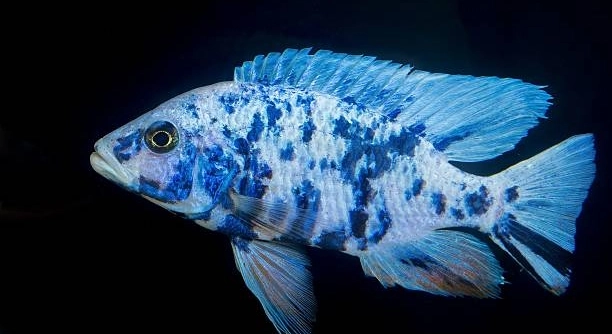
Are your convict cichlids showing signs of stress or unusual behavior in the tank? Overcrowding is a common issue among these fish, and it can affect their health, growth, and social interactions in subtle ways.
Convict cichlids become too crowded when tank space, hiding spots, and resources are insufficient for their number. Overcrowding can lead to increased aggression, stunted growth, stress-related illness, and difficulty in maintaining stable water conditions.
Recognizing these warning signs early ensures your fish remain healthy and your tank environment stays balanced and peaceful. Proper observation can prevent long-term problems.
Signs of Increased Aggression
When convict cichlids are too crowded, aggression becomes noticeable quickly. Fish may chase each other constantly, nip at fins, or guard territories more aggressively than usual. Even normally calm fish can become hostile in a cramped tank. Aggressive interactions often leave physical marks like torn fins or damaged scales. Territorial disputes become frequent, making it difficult for fish to rest or establish a stable routine. Overcrowding can escalate stress, reducing their immunity to common diseases. This stress can also affect breeding behavior, with some fish abandoning eggs or fry. Regular observation is key to noticing early signs. A tank that feels peaceful today may turn chaotic tomorrow if numbers increase too quickly. Ensuring enough hiding spots and visual barriers can help, but it does not fully prevent aggression in a confined space.
Aggression is a strong indicator that the tank has reached its limit. Quick action can prevent serious injuries.
Monitoring behavior consistently helps you maintain harmony and reduce stress, keeping your cichlids healthy. Proper space management is essential for their wellbeing.
Overcrowding Effects on Health
Physical health can decline rapidly when convict cichlids are overcrowded. Stress weakens immune systems, making them more prone to infections, fin rot, and other common illnesses. Crowded conditions often reduce water quality as waste accumulates faster, increasing ammonia and nitrite levels. Poor water quality can aggravate existing health issues and stunt growth. Fish may show slower swimming, loss of appetite, or faded colors, all signs that their environment is not adequate. Breeding success decreases, and fry survival is often low.
Overcrowding affects growth, immunity, and reproduction significantly. Fish may stop eating properly and appear lethargic.
Maintaining proper tank size, adequate filtration, and regular water changes are essential. Each convict cichlid requires enough space to swim, hide, and establish a personal territory. A balanced environment reduces stress and supports natural behavior. Observing for early warning signs, such as increased aggression or pale coloration, allows intervention before serious health issues develop. Simple adjustments like reducing numbers, adding decorations for shelter, or improving water flow can restore a healthier tank dynamic. Healthy fish are active, vibrant, and interact normally with each other. Overcrowding compromises these aspects, but careful planning and attention can prevent long-term problems, ensuring your cichlids thrive.
Reduced Growth and Development
Overcrowded convict cichlids often grow slower than normal. Limited space and competition for food can stunt their development. Young fish are especially affected, struggling to reach their full size.
Competition for resources is intense in crowded tanks. Fish may not get enough food, or dominant individuals may block access to certain areas. Limited swimming space also restricts exercise, which impacts muscle development and overall health. Stress from constant interaction further slows growth. Over time, this can result in permanently smaller fish and weaker immune systems, making them more vulnerable to disease and environmental changes.
Providing adequate space and ensuring all fish have access to food is critical. Dividing the tank with barriers or reducing the number of fish can improve growth rates. Adding hiding spots helps younger or smaller fish avoid constant confrontation, allowing them to develop normally. Proper maintenance and observation support healthier growth and stronger, more resilient cichlids.
Frequent Hiding and Stress Behavior
When convict cichlids are too crowded, many will spend most of their time hiding. Constant stress drives this behavior, as fish attempt to avoid aggressive interactions and establish some sense of security.
Hiding behavior can indicate serious stress. Fish may retreat under rocks, decorations, or artificial caves and leave open areas unused. Overcrowded tanks limit personal space, and continuous threats from dominant fish make less confident individuals anxious. Stress hormones rise, affecting appetite and overall health. Chronic stress can lead to disease susceptibility and even abnormal behaviors like fin biting or glass surfing. Regularly observing how often fish hide helps gauge the tank’s comfort level. Adjusting the environment, such as creating more shelters or reducing fish numbers, reduces stress. Maintaining proper water quality and spacing is equally important to prevent long-term negative effects on both health and behavior.
Faded Colors
Overcrowded convict cichlids often lose their vibrant colors. Stress and limited access to proper nutrition can make them appear dull or pale.
When fish are constantly stressed or outcompeted for food, their natural pigmentation diminishes. Healthy cichlids normally display bold, bright patterns, but overcrowding can mask these colors, signaling poor tank conditions and discomfort.
Irregular Breeding Patterns
Convict cichlids in crowded tanks may stop reproducing normally. Stress, aggression, and limited space interfere with courtship and egg-laying.
Constant Chasing
Fish in overcrowded tanks often chase each other relentlessly. Dominant individuals assert control over territory and food.
Frequent Hiding Spots
Overcrowded fish spend more time hiding. This behavior reduces stress temporarily but indicates an uncomfortable and stressful environment.
FAQ
How many convict cichlids should I keep in one tank?
The ideal number of convict cichlids depends on tank size. For a 30-gallon tank, keeping two to three adult fish is usually safe. Larger tanks allow more fish, but space must be enough for swimming, hiding spots, and territories. Overcrowding causes stress, aggression, and stunted growth. Adding more fish than the tank can support often results in constant chasing and weakened health. Observing their behavior is key. If aggression increases or fish hide frequently, the tank is too full, even if it seems physically spacious.
What are the first signs of overcrowding?
Overcrowding can be subtle at first. Look for faded colors, frequent hiding, and increased aggression. Fish may compete for food or chase each other constantly. Young or smaller fish often suffer more and may appear thin or underdeveloped. Stress-related illness can appear if these conditions continue. Monitoring water quality is also important, as ammonia and nitrite levels rise faster in crowded tanks, adding to stress.
Can overcrowding cause health problems?
Yes, overcrowding impacts immune systems and overall health. Constant stress weakens defenses, making fish more susceptible to fin rot, infections, and other diseases. Poor water quality worsens these effects. Fish may stop eating or lose weight. Over time, overcrowding can stunt growth and reduce lifespan. Ensuring enough space, regular water changes, and proper filtration helps prevent these health issues and maintains a balanced environment.
How can I reduce aggression in a crowded tank?
Aggression increases when territories overlap or hiding spots are insufficient. Adding decorations, rocks, and plants creates barriers and visual breaks. Dividers can separate dominant fish. Feeding more frequently or in multiple locations reduces competition for food. Reducing fish numbers may be necessary if aggression persists. Observation is crucial, as constant stress can harm weaker fish. Adjustments should be made gradually to avoid further disruption.
What happens to breeding in crowded tanks?
Breeding is often disrupted in overcrowded tanks. Stress, lack of space, and continuous aggression prevent courtship behaviors. Eggs may be abandoned, or fry may be attacked by adults. Providing sufficient territory and hiding places can improve breeding success, but reducing the number of fish is sometimes the only solution. Overcrowding can lead to low fry survival and irregular spawning patterns.
How can I improve tank conditions if it’s overcrowded?
If your tank is overcrowded, the first step is reducing the number of fish. Upgrading to a larger tank helps, but space must be sufficient for each fish. Adding hiding spots, rocks, and plants reduces stress and aggression. Improving water quality through frequent changes and proper filtration is essential. Feeding properly and monitoring behavior ensures weaker fish aren’t bullied. Gradual adjustments create a calmer environment.
Is tank size the only factor affecting crowding?
No, tank size is not the only factor. Decorations, hiding spots, and the number of males and females influence territorial behavior. A large tank without proper barriers may still feel crowded. Aggressive fish need space to establish territories. Overcrowding is about both the number of fish and how well the environment allows them to behave naturally. Proper layout and observation are as important as tank volume.
How can I tell if my fish are stressed?
Signs of stress include faded colors, constant hiding, reduced appetite, and lethargy. Aggressive chasing or frequent fin nipping are also indicators. Stress can weaken immunity and make fish prone to disease. Watching their daily behavior and monitoring water quality helps identify stress early. Adjusting the tank layout, adding hiding spots, or reducing fish numbers can relieve stress effectively.
Can juvenile cichlids survive in crowded tanks?
Juvenile cichlids are particularly vulnerable in crowded tanks. They may be outcompeted for food, chased by adults, or forced into hiding constantly. Limited space and high stress stunt growth and weaken their immune systems. Providing separate areas or a larger tank ensures they develop properly and remain healthy.
How often should I check water quality in a crowded tank?
Water quality should be monitored frequently in crowded conditions. Ammonia, nitrite, and nitrate levels rise faster when more fish produce waste. Daily observation or at least several tests per week helps prevent spikes. Proper filtration, partial water changes, and attention to feeding reduce water problems. Consistent monitoring keeps fish healthy and minimizes stress caused by poor water conditions.
What are simple ways to prevent overcrowding issues?
Plan tank size according to the number of fish. Avoid impulsive additions. Provide hiding spots, territories, and visual barriers. Maintain water quality and monitor behavior daily. Early intervention prevents stress, disease, and aggression. Reducing fish numbers or upgrading the tank are effective long-term solutions. Consistency in care ensures a healthier environment.
Can overcrowding affect lifespan?
Yes, chronic overcrowding shortens lifespan. Constant stress, frequent fights, poor water quality, and limited nutrition all contribute to weaker health. Fish may develop disease more easily and grow slower. Addressing space and environment concerns early improves long-term health and allows convict cichlids to reach their full potential lifespan.
Are some cichlids more tolerant of crowding than others?
Convict cichlids are moderately territorial but can tolerate slightly higher densities if the tank is structured properly. However, too many fish in a confined space will still cause stress and aggression. Providing proper hiding spots, territories, and balanced numbers is essential for maintaining a healthy community.
How do I balance male and female numbers?
A balanced ratio reduces aggression and stress. Too many males increase fighting over territories and mates. Observing behavior and separating overly aggressive individuals helps maintain stability. Providing shelters and visual breaks further minimizes conflict and supports healthier interactions.
What long-term changes improve tank comfort?
Upgrading tank size, adding hiding spots, controlling population, and maintaining water quality are key. Proper feeding and monitoring daily behavior prevent chronic stress. Gradual environmental improvements stabilize social dynamics and enhance health. Over time, these adjustments reduce aggression, support normal growth, and encourage natural breeding behavior.
Overcrowding in convict cichlid tanks can lead to several noticeable problems that affect both the fish and the overall tank environment. When space is limited, fish become stressed, and their natural behaviors are disrupted. Constant aggression, chasing, and hiding become common, which not only impacts weaker fish but also creates a tense atmosphere throughout the tank. Overcrowding also interferes with normal growth, as younger or smaller fish may struggle to get enough food and space to develop properly. Stress from a crowded environment can reduce immunity, making fish more prone to diseases such as fin rot and other infections. Even if the tank appears physically large enough, insufficient hiding spots and barriers can make it feel overcrowded. Understanding these issues is important for keeping convict cichlids healthy and active, as their behavior and physical condition directly reflect the quality of their environment. Proper observation is essential, and noticing subtle changes in behavior, color, or appetite can help prevent long-term problems before they become serious.
Maintaining a suitable tank size and population balance is key to preventing overcrowding. Convict cichlids are naturally territorial, so each fish requires its own space to swim, hide, and establish boundaries. Providing adequate hiding spots, rocks, plants, and decorations helps reduce conflicts, as fish can retreat when needed and feel secure in their environment. Proper tank management also involves monitoring water quality closely, as waste accumulates more quickly when more fish are present. High ammonia, nitrite, or nitrate levels can stress fish further and lead to health issues. Regular water changes and effective filtration are essential for maintaining a clean, balanced habitat. Additionally, feeding practices should be adjusted to ensure all fish have access to sufficient nutrition. By balancing space, resources, and environmental enrichment, the risk of overcrowding effects such as aggression, stunted growth, and weakened immunity can be minimized, creating a healthier tank overall.
Addressing overcrowding is not only about improving the present conditions but also about preventing long-term complications. Fish that experience chronic stress in crowded tanks may develop stunted growth, irregular breeding patterns, and shorter lifespans. Juvenile fish are especially vulnerable, as they may be chased away from food or hiding spots, leaving them underdeveloped and weaker than their tank mates. Making adjustments such as reducing the number of fish, upgrading to a larger tank, or creating more territories can significantly improve their wellbeing. Observation remains crucial, as small changes in behavior or appearance often indicate the need for intervention. By prioritizing space, proper care, and environmental stability, convict cichlids can thrive, displaying natural behaviors, vibrant colors, and active growth. Ensuring these conditions not only promotes the health of the fish but also makes the aquarium a more balanced and peaceful environment for long-term enjoyment.

Hello,
If you enjoy the content that we create, please consider saying a "Thank You!" by leaving a tip.
Every little bit helps us continue crafting quality advice that supports the health, happiness, and well-being of pets around the world, for pets of all shapes, sizes, and species.
We really appreciate the kindness and support that you show us!