
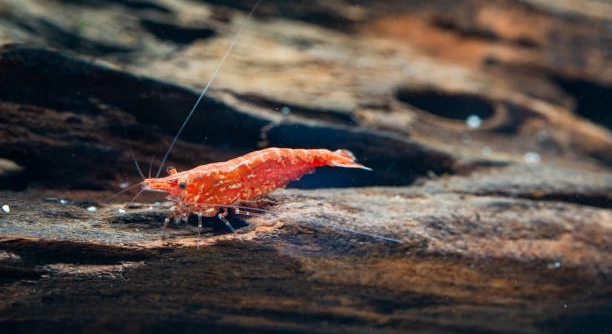
Are your cherry shrimp mostly hiding during the day and only moving around at night? Many shrimp keep to themselves when the lights are on, preferring darker hours for activity. This behavior is common among these small aquatic pets.
Cherry shrimp are naturally nocturnal creatures, displaying higher activity levels during nighttime hours. Their reduced daytime movement is influenced by light sensitivity, environmental stress, and predation instincts, which collectively encourage sheltering and minimal activity during daylight periods.
Understanding their nocturnal tendencies will help you create a more suitable habitat and improve observation of your shrimp’s natural behavior.
Understanding Nocturnal Behavior
Cherry shrimp are more active at night because they instinctively avoid bright light and potential threats. During the day, they tend to hide among plants, rocks, and decorations in the tank. Light exposure can make them feel vulnerable, causing them to stay still to conserve energy and remain unnoticed. Nighttime provides a safer environment where they can explore, forage, and interact without stress. Temperature and water conditions can also influence their activity. Slightly cooler or stable conditions during the evening encourage movement, while sudden changes in the day may reduce it. Observing their patterns over several days can reveal consistent nighttime activity, which is normal for these shrimp. Adjusting tank lighting to mimic natural day-night cycles can help balance their behavior. Providing ample hiding spaces ensures they feel secure during the day. This approach supports their natural rhythm while letting you appreciate their activity when it peaks at night.
Creating a shaded area can encourage more daytime activity and reduce stress for your shrimp.
Tracking their daily activity helps you understand individual habits and make small adjustments to improve tank conditions.
Light Sensitivity and Tank Setup
Light intensity directly affects cherry shrimp behavior.
Bright lighting can cause stress and push shrimp to remain hidden. A dimmer setup, floating plants, or indirect lighting helps create comfortable conditions. Proper arrangement of decorations offers them hiding spots, reducing anxiety and allowing for more natural nighttime exploration.
Shrimp are highly sensitive to their environment. Excessively bright or fluctuating lights can trigger defensive behavior. Using soft lighting or programmable timers helps simulate a natural day-night cycle, reducing stress while maintaining plant growth. Positioning plants strategically creates shaded areas, encouraging both hiding and safe foraging. Gravel, rocks, and moss can provide additional shelter, making the tank feel secure. Avoid overcrowding and sudden changes in decor, as these factors can heighten caution. Observing shrimp during dim conditions will reveal their true activity patterns. Some shrimp prefer areas with slow water flow, which also affects how and where they move. Adjusting tank layout with these considerations supports healthier behavior and promotes natural nighttime activity, helping shrimp feel safe while still allowing visibility for observation. Proper care and setup make a noticeable difference in overall shrimp wellbeing.
Feeding Patterns and Activity
Cherry shrimp often feed more actively at night.
During the day, they prefer to stay hidden and eat less. Nighttime provides a calmer environment, allowing them to explore food without feeling threatened. They may graze on biofilm, algae, and leftover food, making nighttime the most productive period for foraging.
Feeding schedules can be adjusted to match their natural habits. Providing food in the evening encourages activity and reduces daytime hiding. Observing how they respond to feeding times can help you understand their preferences. Avoid overfeeding, as excess food can pollute the tank and stress the shrimp. Small, frequent meals work better than one large feeding. Incorporating a variety of foods, such as specialized shrimp pellets, blanched vegetables, or algae wafers, ensures balanced nutrition. Monitoring their eating behavior at night provides insight into overall health and activity levels. Proper feeding practices support natural rhythms and encourage movement during their most active hours.
Evening feeding not only aligns with their nocturnal tendencies but also keeps the tank cleaner and healthier.
Stress Factors and Environment
Stress can limit daytime activity in cherry shrimp.
Overcrowding, sudden temperature changes, or aggressive tankmates can cause them to hide more often. They rely on a stable environment to feel safe and active.
Minimizing stress involves careful attention to tank conditions. Maintain consistent water parameters, including temperature, pH, and ammonia levels, as sudden shifts can trigger hiding behavior. Avoid overcrowding, as too many shrimp or other fish can create competition and tension. Providing ample hiding spots, like plants, moss, and small caves, allows shrimp to retreat safely. Gentle water flow reduces stress and encourages exploration. Regular observation helps identify stress signs early, such as lethargy or refusal to eat. Adjusting the environment gradually, rather than making sudden changes, keeps shrimp comfortable. A calm, stable tank encourages natural movement patterns and ensures shrimp remain healthy. Proper care and monitoring reduce nighttime-only activity caused by environmental stressors.
Water Quality and Its Impact
Poor water quality can make cherry shrimp less active during the day.
High ammonia, nitrite, or nitrate levels stress shrimp, causing them to hide. Regular water changes and testing help maintain stable conditions and support their natural behavior.
Even minor fluctuations in pH, hardness, or temperature can influence shrimp activity. Consistent monitoring ensures they remain comfortable and healthy. Clean water encourages daytime exploration and reduces excessive nighttime hiding. Using a reliable test kit allows tracking of key parameters. Filtering and gentle aeration also support stable conditions. A well-maintained tank promotes balanced shrimp activity and overall wellbeing.
Tank Companions
Some fish or invertebrates may make shrimp more cautious.
Aggressive or fast-moving tankmates can cause hiding, limiting activity to nighttime when threats are less noticeable. Choosing compatible companions is essential.
Seasonal Changes
Shrimp activity can shift with seasonal variations in light and temperature.
Longer daylight hours or higher temperatures may increase hiding behavior. Adjusting light intensity and maintaining stable water temperature helps preserve normal activity patterns and reduces stress.
FAQ
Why are my cherry shrimp only active at night?
Cherry shrimp are naturally nocturnal. They feel safer moving around when it is darker and quieter. Bright light during the day makes them cautious, so they prefer hiding in plants, moss, or decorations until night. Maintaining a stable environment helps balance their activity.
Can I encourage daytime activity in cherry shrimp?
Yes, but gently. Reducing light intensity or adding shaded areas helps them feel secure. You can also feed small amounts during the day to gradually encourage movement. Avoid sudden changes in lighting, as this may increase stress. Creating natural hiding spots supports a more balanced routine.
Does tank size affect their activity patterns?
A small or overcrowded tank can stress shrimp, causing them to hide more. Providing enough space and plenty of plants, moss, and decorations allows them to explore safely. Proper spacing reduces competition and creates a more comfortable environment for daytime activity.
How does water quality influence their behavior?
Poor water conditions make shrimp less active. High ammonia, nitrite, or nitrate levels stress them and encourage hiding. Maintaining stable parameters, performing regular water changes, and monitoring pH, hardness, and temperature keeps shrimp comfortable and promotes normal activity patterns.
Are certain tankmates causing them to hide?
Yes. Fast-moving or aggressive fish can make shrimp feel threatened. Even small fish can stress them if they chase or nip. Choosing calm, non-predatory tankmates allows shrimp to move freely during the day. Providing hiding spaces further reduces stress.
Does lighting affect shrimp activity?
Lighting has a strong impact. Bright lights make them cautious and reduce daytime movement. Low-intensity lighting, floating plants, or indirect light mimics a natural environment and encourages natural behavior. Timers help maintain a consistent day-night cycle without stressing the shrimp.
Can feeding schedules change their behavior?
Feeding at night aligns with their natural habits. Some shrimp may become more active in the evening if food is offered then. Small, frequent feedings are better than one large portion, and offering a variety of foods ensures nutrition and encourages exploration.
Do seasonal changes affect activity?
Yes. Longer daylight or warmer water can make shrimp hide more. Maintaining stable temperature and light conditions helps preserve consistent activity. Seasonal adjustments in tank care, like regulating temperature and light intensity, reduce stress and maintain natural movement patterns.
Is hiding a sign of illness?
Not always. Hiding is normal behavior, especially during the day. However, prolonged inactivity, loss of appetite, or unusual coloration can indicate stress or illness. Observing shrimp regularly helps distinguish between natural nocturnal behavior and health issues.
How can I reduce stress in my shrimp?
Stress reduction comes from stable water conditions, gentle lighting, proper tankmates, and adequate hiding spots. Avoid overcrowding and sudden changes in temperature, decorations, or water parameters. A calm, consistent environment supports natural behavior and keeps shrimp healthy.
Will adjusting tank décor change their behavior?
Yes. Adding plants, moss, and rocks creates hiding spaces and encourages safe exploration. Rearranging décor gradually prevents stress and can balance activity between day and night. Proper layout allows shrimp to feel secure while remaining visible for observation.
How do I know my shrimp are healthy despite hiding?
Healthy shrimp still eat regularly, molt successfully, and maintain color. Nighttime activity is normal, so observing them at night is the best way to check health. Consistent feeding and clean water support vitality and natural nocturnal behavior.
Can stress from water flow affect activity?
Strong currents can make shrimp retreat to sheltered areas. Gentle or moderate flow encourages natural movement while preventing hiding. Positioning decorations to reduce strong currents helps shrimp feel safe during both day and night.
Are juvenile shrimp more active than adults?
Juveniles may explore more frequently, but they still follow nocturnal patterns. Adults are often more cautious and hide longer during daylight. Providing a mix of hiding spots accommodates all ages and allows natural behaviors.
How long should I wait before worrying about unusual behavior?
A few days of reduced activity is normal for nighttime-focused shrimp. If inactivity, loss of appetite, or odd color persists beyond a week, check water quality, tankmates, and health conditions. Prompt adjustments prevent stress-related issues.
Does temperature fluctuation affect activity levels?
Yes. Sudden drops or spikes in temperature cause shrimp to hide and reduce movement. Maintaining a stable temperature suited for cherry shrimp keeps them active during their natural nocturnal hours and prevents stress.
Can I observe shrimp without disturbing them?
Observing during evening hours is best. Use soft lighting or dim LED lights to watch them feed and explore. Avoid tapping the tank or making sudden movements, which can trigger hiding and stress.
Are some shrimp naturally more nocturnal than others?
Yes. Individual shrimp may show varying levels of activity. Genetics, age, and personality affect when they move most. Respecting their natural tendencies ensures they stay healthy and comfortable in their environment.
Will plants in the tank affect behavior?
Yes. Plants provide shelter, biofilm for grazing, and shaded areas. Dense plant coverage helps shy shrimp feel safe during daylight and encourages natural nighttime foraging. Properly chosen plants improve water quality and support healthy shrimp activity.
Can I change their nocturnal habits completely?
Completely changing their nocturnal habits is difficult. Cherry shrimp are instinctively night-active. Gradual adjustments in lighting and feeding can slightly increase daytime activity, but respecting their natural rhythm results in a healthier, less stressed population.
Do shrimp need a specific light-dark cycle?
Yes. Consistent day-night cycles promote natural behavior. Using timers or indirect light ensures shrimp feel secure during the day and active at night. Proper cycles prevent stress and support regular feeding, molting, and movement patterns.
How can I tell if they are stressed due to overcrowding?
Signs include excessive hiding, limited movement, and slower feeding. Shrimp need enough space to explore and escape threats. Adjusting population density or adding more hiding spaces helps reduce stress and encourages normal activity.
Is molting affected by nighttime activity?
Yes. Shrimp often molt in hidden areas at night for protection. Ensuring safe, sheltered spots allows successful molting and reduces mortality. Proper water conditions and low stress are essential during this vulnerable time.
Can I use behavior to monitor shrimp health?
Observing nocturnal activity, feeding, and molting patterns provides insight into health. Reduced movement, erratic swimming, or color changes indicate possible issues. Consistent monitoring helps identify problems early and maintain a healthy shrimp population.
Do shrimp interact differently with each other at night?
Yes. Nighttime is safer for foraging and social interaction. They may graze together, explore shared spaces, or establish territories. Daytime hiding limits interaction but protects them from stress or potential threats.
Will adding hiding spots increase nighttime activity?
Adding shelters mostly supports daytime comfort. Nighttime activity is instinctive, but providing safe spaces allows shrimp to feel secure and explore more confidently during active periods. Proper tank layout balances safety and natural movement.
Can nocturnal activity be a sign of environmental imbalance?
Not necessarily. Nocturnal behavior is normal. However, extreme hiding, unusual lethargy, or decreased feeding may indicate water quality or tank setup issues. Regular maintenance ensures the environment supports healthy behavior patterns.
Does water temperature affect molting frequency?
Yes. Stable, appropriate temperatures encourage regular molting. Sudden temperature changes stress shrimp and may delay molting. Monitoring temperature supports health, growth, and consistent nighttime activity patterns.
Are shrimp more active after water changes?
Yes. Fresh, clean water can trigger temporary activity. Gradual changes are best to avoid stress. Observing responses after water changes provides insight into their comfort and adaptation to tank conditions.
Do shrimp prefer certain tank substrates for nighttime activity?
Yes. Gravel, sand, and moss offer surfaces for grazing and shelter. A varied substrate encourages natural movement and provides areas for hiding, feeding, and exploration during active hours.
How can I reduce stress from sudden movements near the tank?
Avoid tapping or sudden gestures. Shrimp react to vibrations and can retreat to hiding spots. Calm, consistent observation supports natural behavior and reduces unnecessary stress.
Will water plants reduce stress and improve activity?
Yes. Plants provide shade, hiding spaces, and grazing surfaces. A well-planted tank helps shrimp feel secure and encourages natural nighttime and daytime behaviors.
How long does it take for shrimp to adjust to a new tank?
Adjustment varies but usually takes a few days to a week. Providing hiding spots, stable water, and gentle lighting helps them settle quickly and establish normal activity patterns.
Can I observe social behavior without disturbing them?
Yes. Nighttime observation under dim lighting allows shrimp to forage, explore, and interact naturally. Avoid bright lights and sudden movements to maintain a calm environment and support natural behavior.
Does diet influence their nighttime activity?
Yes. A balanced diet encourages regular movement and foraging. Providing biofilm, algae, and shrimp-specific foods supports natural nocturnal behaviors and overall health.
Can introducing new shrimp affect activity patterns?
Yes. New shrimp may hide more initially. Gradual introduction and sufficient hiding spaces help them acclimate. Observing interactions ensures they feel safe and maintain natural nighttime activity.
Do shrimp respond to changes in tank decor at night?
Yes. Rearranging decorations can temporarily change hiding or exploration patterns. Gradual adjustments reduce stress and help shrimp maintain consistent nocturnal behavior.
Will adding live plants affect their foraging habits?
Yes. Plants offer biofilm and surfaces for grazing. Live plants improve water quality, encourage natural activity, and provide shaded areas for safety during daylight hours.
Is nighttime activity more intense in certain tank areas?
Yes. Shrimp prefer areas with shelter, stable water flow, and available food. Observing these zones helps understand their behavior and optimize tank layout for balanced movement.
How can I tell if hiding is normal or stress-related?
Normal hiding is part of their nocturnal pattern. Stress hiding is prolonged, paired with lack of eating, color fading, or lethargy. Monitoring feeding, molting, and interactions helps differentiate.
Does water flow affect nocturnal movement?
Yes. Gentle flow encourages exploration, while strong currents push shrimp to hide. Adjusting water flow supports safe nighttime activity and overall comfort.
Can feeding before lights out improve activity?
Yes. Offering food shortly before dark encourages movement and natural foraging behavior. Small portions prevent waste and maintain water quality while promoting nocturnal activity.
How important is consistency in tank care?
Consistency in water quality, feeding, and lighting reduces stress and supports natural rhythms. Regular monitoring ensures shrimp remain healthy and active during their natural nocturnal hours.
Do shrimp prefer quiet tanks?
Yes. Excessive vibrations, noise, or frequent tapping increases hiding. Calm environments support natural movement and safe exploration at night.
Will seasonal temperature changes affect nocturnal activity?
Yes. Temperature shifts influence metabolism and comfort. Stable conditions help maintain normal nighttime activity and prevent stress-induced hiding during unusual environmental changes.
Can nocturnal activity indicate reproductive behavior?
Partially. Nighttime is safer for mating and exploring. Hiding during the day protects them while they engage in reproductive activities at night. Proper conditions support natural breeding patterns.
Is excessive hiding a sign of overcrowding?
Yes. Overcrowding increases competition and stress, causing more hiding. Ensuring proper population density and adequate shelters reduces stress and encourages balanced nocturnal behavior.
Can I increase daytime activity safely?
Gradual adjustments in light and feeding can slightly increase daytime activity. Respecting natural nocturnal instincts ensures shrimp remain healthy and stress-free.
Do juveniles and adults behave differently at night?
Juveniles may be slightly more exploratory, while adults often hide longer. Providing adequate shelter accommodates all life stages and allows natural nocturnal activity.
Will dimming lights gradually affect their activity?
Yes. Gradual dimming mimics natural dusk, encouraging movement without causing stress. Sudden changes can trigger hiding and disrupt natural rhythms.
How do I know my shrimp are comfortable?
Active night foraging, healthy coloration, regular molting, and occasional daytime movement indicate comfort. Observing these patterns ensures they thrive in the tank environment.
Does tank placement affect activity patterns?
Yes. A tank in a quiet, low-traffic area reduces stress. Stable conditions and minimal disturbances support normal nocturnal movement and overall health.
Will changing water parameters affect hiding behavior?
Yes. Sudden shifts in pH, hardness, or temperature increase hiding. Gradual changes and careful monitoring prevent stress and maintain regular nocturnal activity.
How much space do cherry shrimp need to reduce hiding?
Providing at least one inch per shrimp, along with plants and decorations for shelter, allows them to move safely, explore, and feel secure. Adequate space supports natural nocturnal behavior.
Are certain colors of shrimp more prone to hiding?
No specific color directly affects hiding behavior. Individual personality, age, and environmental factors play a larger role in activity patterns and nocturnal tendencies.
Does tank cover or lid lighting affect behavior?
Yes. Bright lights from a lid can discourage daytime activity. Using dim or indirect lighting prevents stress and allows shrimp to follow natural nocturnal rhythms.
Can nighttime activity be increased with environmental enrichment?
Yes. Adding moss, algae wafers, and textured surfaces encourages natural foraging and exploration. Environmental enrichment supports mental stimulation and healthier nocturnal behavior.
Is molting more successful in low-light conditions?
Yes. Low light and shaded areas reduce stress and protect shrimp during vulnerable molting periods. Proper shelters increase survival rates and maintain natural nocturnal activity.
Do shrimp respond to vibrations from nearby equipment?
Yes. Pumps, filters, and external vibrations can make them retreat. Gentle equipment setup and soft placement minimize disturbance and encourage natural movement.
Will changing food types affect activity?
Yes. Offering varied foods like algae wafers, blanched vegetables, and shrimp pellets encourages active foraging and nighttime exploration, supporting their health and well-being.
How do I monitor shrimp activity without causing stress?
Observe under dim lighting and avoid tapping or moving the tank. Nighttime is ideal for watching natural behavior safely.
Can nocturnal activity indicate proper tank conditions?
Yes. Active shrimp at night, eating, molting, and exploring, indicate stable water, suitable lighting, and low-stress conditions. Regular observation confirms tank health and shrimp wellbeing.
Are some shrimp naturally more cautious than others?
Yes. Individual personality influences hiding and activity. Providing adequate shelter ensures both shy and bold shrimp can thrive safely.
Does tank decoration density affect nighttime movement?
Yes. Too few decorations can make shrimp feel exposed. Balanced plant and rock coverage encourages safe exploration and natural nocturnal activity.
Will gradual acclimation to a new tank affect activity patterns?
Yes. Slowly adjusting water parameters, lighting, and decorations allows shrimp to adapt without excessive hiding. Proper acclimation supports normal nocturnal behavior and overall health.
How important is observation in understanding activity patterns?
Observation is key. Monitoring feeding, hiding, molting, and interactions helps identify normal nocturnal behavior versus stress or health issues, allowing informed care decisions.
Can overfeeding affect nocturnal activity?
Yes. Excess food pollutes water and stresses shrimp. Small, frequent meals align with natural foraging and support healthy nighttime movement.
Do shrimp prefer natural light over artificial light?
Yes. Natural or soft indirect light encourages natural rhythms. Sudden bright artificial light can trigger hiding and reduce activity.
Will water additives influence activity?
Some additives can stress shrimp if used incorrectly. Always follow recommended dosages to maintain safe, stable water conditions that support normal nocturnal behavior.
Can introducing live plants encourage nighttime activity?
Yes. Plants provide shelter, grazing surfaces, and security. Well-planted tanks promote natural foraging, reduce stress, and support balanced nocturnal movement.
Do shrimp have favorite spots in the tank at night?
Yes. They tend to favor shaded areas with food and gentle water flow. Observing patterns helps optimize tank layout for natural activity.
How long after a water change do shrimp resume normal activity?
Most adjust within hours if conditions are stable. Gradual changes prevent stress and allow shrimp to return to normal nighttime patterns quickly.
Will feeding frequency affect hiding behavior?
Yes. Regular, small feedings encourage foraging and reduce excessive hiding. Consistent feeding schedules support natural nocturnal activity and health.
Are nocturnal patterns the same for all cherry shrimp species?
Patterns vary slightly between species. Most display nighttime activity, but some may be slightly more active during dim daytime periods depending on genetics and environment.
Can shrimp activity indicate overall tank health?
Yes. Active, well-fed, and regularly molting shrimp suggest stable water, balanced feeding, and low stress. Monitoring activity helps assess tank conditions and identify potential issues early.
Does substrate type affect nighttime foraging?
Yes. Gravel, sand, and moss provide surfaces for grazing and shelter. A varied substrate encourages natural movement and nighttime activity.
Can stress from tank noise reduce activity?
Yes. Vibrations from taps, pumps, or nearby movement can trigger hiding. A calm, quiet environment promotes natural nocturnal behavior and reduces stress.
How can I encourage natural nocturnal behavior safely?
Provide dim lighting, ample hiding spots, gentle water flow, and a consistent feeding schedule. Observing without disturbing supports healthy nighttime activity.
Is nighttime activity a sign of good shrimp health?
Yes. Active night foraging, proper molting, and normal coloration indicate shrimp are comfortable and thriving. Regular observation ensures continued wellbeing.
Do shrimp communicate during nighttime activity?
Yes. They use chemical cues, movement, and grazing interactions to establish territory, find food, and interact safely in low-light conditions.
Will adding more hiding spots change their nighttime behavior?
Mostly, it affects daytime comfort. At night, shrimp will still forage actively. Shelters provide security, allowing confident nighttime exploration.
Does water temperature stability influence activity?
Yes. Stable temperature reduces stress and supports natural nighttime movement. Sudden changes can trigger hiding and disrupt normal nocturnal patterns.
Can I tell if my shrimp are stressed by observation alone?
Yes. Lethargy, loss of appetite, color fading, and prolonged hiding indicate stress. Nighttime activity observation helps distinguish between normal behavior and potential issues.
Are some shrimp more nocturnal than others?
Yes. Individual differences exist. Genetics, age, and personality influence movement patterns. Providing adequate shelter accommodates all activity levels.
Does tank layout affect nocturnal exploration?
Yes. Balanced plants, moss, and decorations create safe pathways. Proper layout encourages nighttime foraging and reduces hiding stress.
Will changing water chemistry affect nighttime activity?
Yes. Sudden shifts in pH, hardness, or other parameters increase hiding. Gradual, stable adjustments maintain normal nocturnal movement.
Can tank lighting schedules be used to manage activity?
Yes. Consistent day-night cycles using timers promote natural behavior. Sudden or inconsistent lighting disrupt
Cherry shrimp are naturally more active at night, and this behavior is completely normal. Their instincts guide them to hide during the day and explore when the tank is darker and quieter. Bright light, tank disturbances, and potential threats make them cautious, so they tend to stay still and retreat to hiding spots until conditions feel safe. Understanding this behavior helps you accept that their nighttime activity is part of their natural rhythm, rather than a sign of illness or stress. Providing the right environment allows them to follow their instincts safely while remaining healthy. It also helps to remember that observing them at night gives the best view of their natural behavior.
Creating a stable environment is essential for maintaining their wellbeing. Water quality, temperature, and pH levels need to be consistent to reduce stress and support normal activity patterns. Sudden changes in these factors can make shrimp retreat and remain inactive for long periods. Tank setup also plays a key role in comfort and safety. Hiding spots like plants, moss, and decorations give them shelter and security during daylight hours. Proper lighting that mimics natural day-night cycles encourages movement at the right times without stressing them. Feeding schedules that align with their nocturnal tendencies can further support natural activity, ensuring they have energy for foraging and exploration at night. Monitoring shrimp regularly under dim lighting allows you to track their health and recognize any unusual behavior.
Observing their behavior over time can help you make small adjustments to improve their environment. Gradual changes in lighting, tank decorations, or feeding routines are preferable to sudden shifts, which may cause stress. Nighttime activity provides insight into their comfort, feeding habits, and interactions with tankmates. Creating a balanced environment that considers their natural instincts allows shrimp to thrive while remaining visible enough to enjoy their presence. Understanding that hiding during the day is normal and nighttime activity is healthy makes it easier to care for them effectively. Consistency, gentle observation, and attention to water quality and tank layout all contribute to their long-term health, ensuring that they remain active, comfortable, and stress-free throughout their daily and nightly routines.

Hello,
If you enjoy the content that we create, please consider saying a "Thank You!" by leaving a tip.
Every little bit helps us continue crafting quality advice that supports the health, happiness, and well-being of pets around the world, for pets of all shapes, sizes, and species.
We really appreciate the kindness and support that you show us!